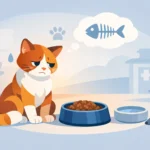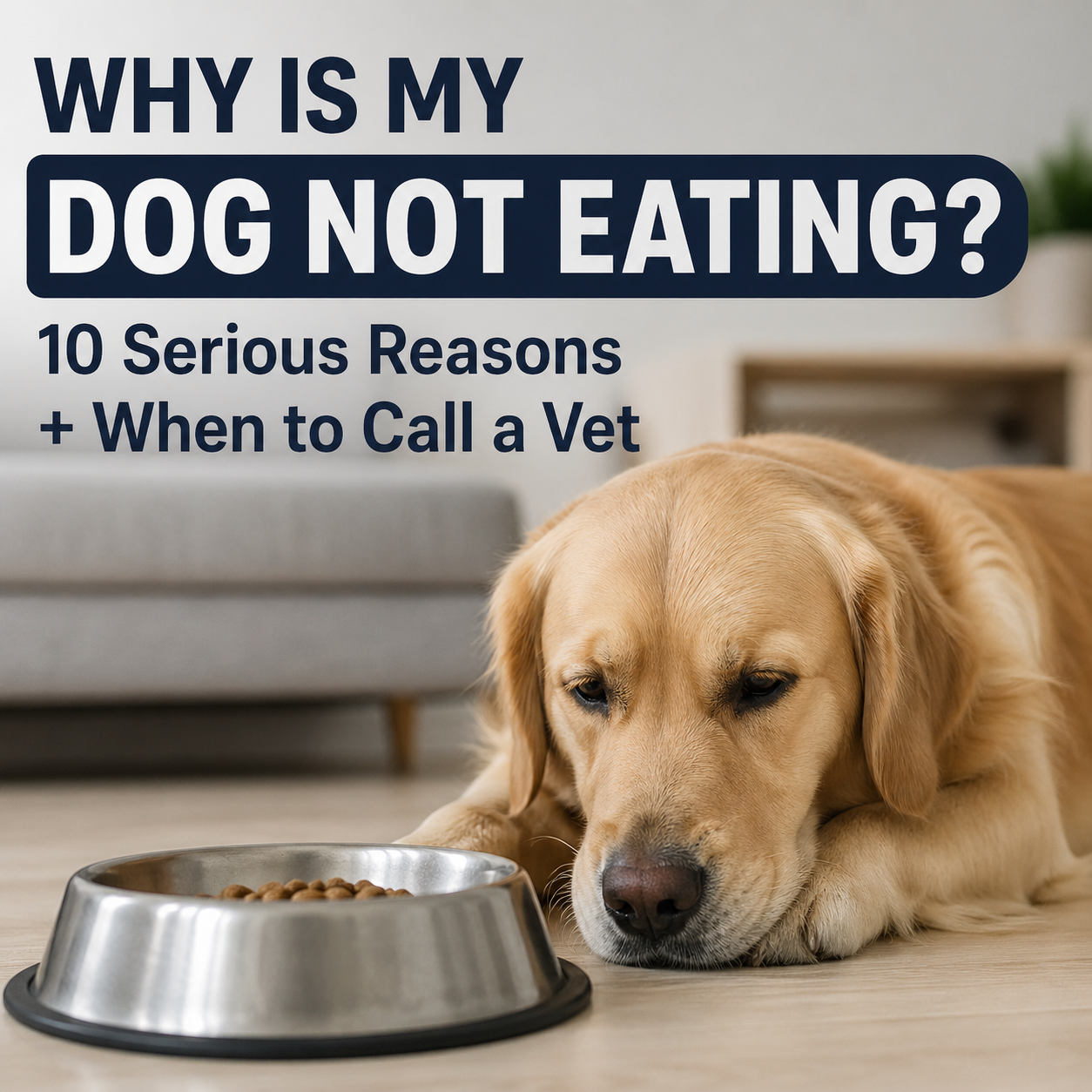
A dog that suddenly stops eating can be cause for concern. A single meal missed now and then is typically not a cause for alarm, but if your dog continues to refuse food over time, this may indicate an underlying issue that should be investigated. Dogs and puppies can stop eating for several reasons, some of which may be short-term or minor and others may be serious and long-term. In many cases, knowing what might be causing your dog’s lack of appetite can help you address the problem correctly and at the right time.
In this blog, we will talk about why your Dog Not Eating. 10 Serious Reasons and When to Call a Vet for your pet.
Leading reasons why your dog is not eating
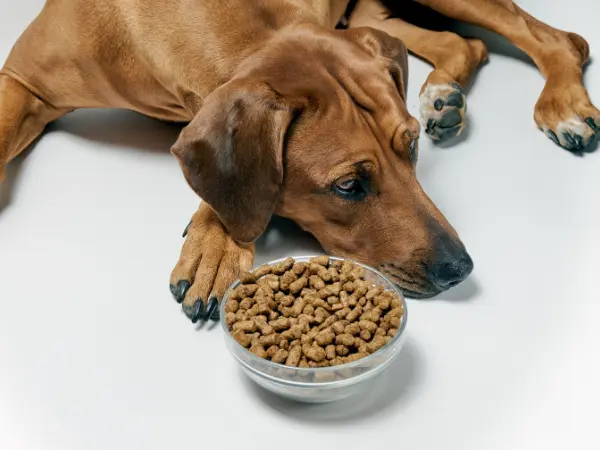
1). Illness or Infection
Dogs lose their appetite due to Illness. Any type of sickness in a dog can lead to a low or no urge to eat in the dog. If your dog has any infections, fever, or internal diseases can cause the dog to feel sick. Other symptoms include fatigue, no energy, and these are the signs of issues that must be checked by an experienced veterinarian.
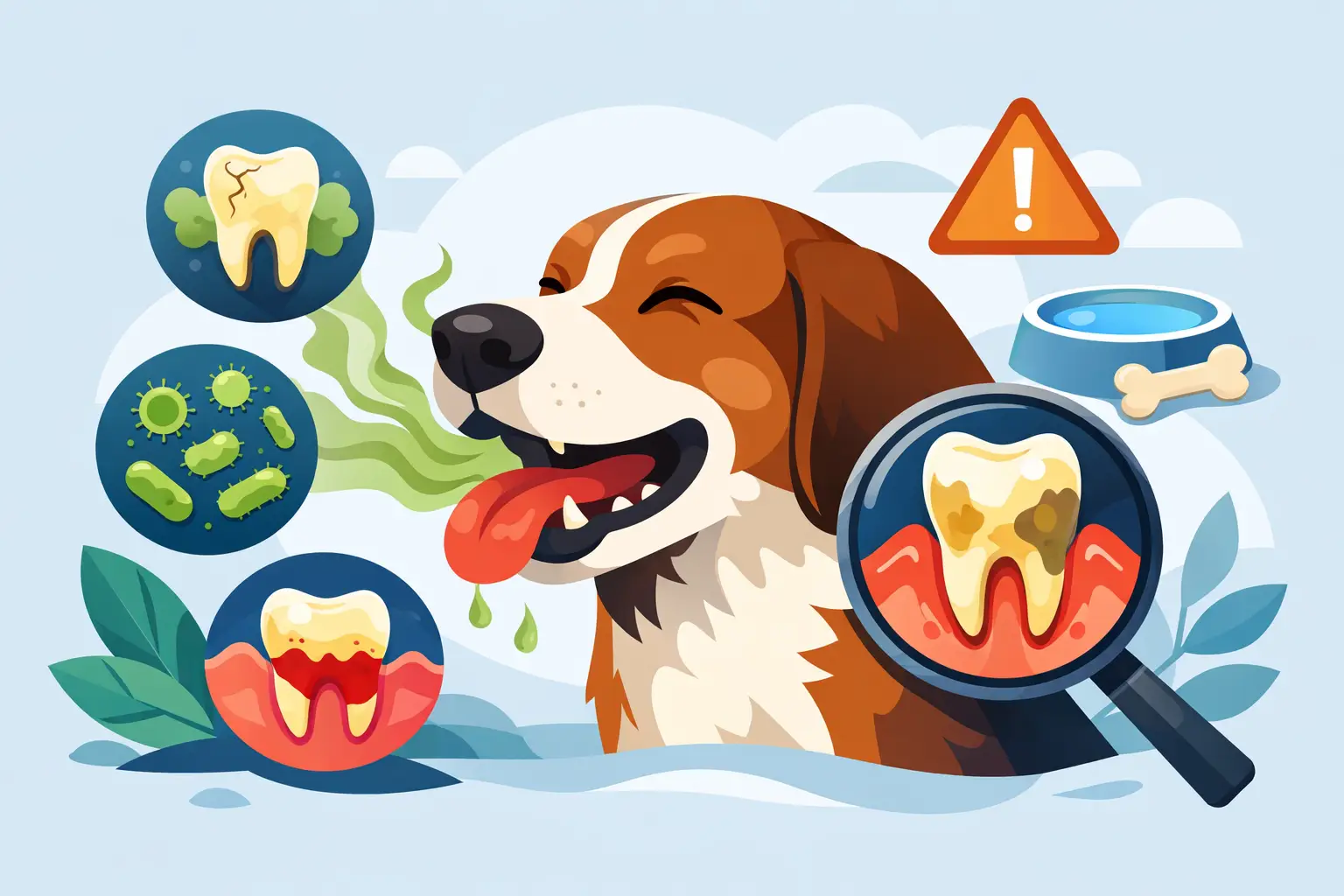
2) Teeth or dental problems
It can be difficult for the dogs to eat in case of gum issues. Any issue related to the teeth can make dogs feel like they should not consume. Dental issues can lead to your dog having bad breath and reluctance to chew the food.
3) Digestive Problems
Health issues such as an upset stomach, swollen stomach, or intestinal blockage may cause your dog’s loss of appetite. If your dog has attempted to vomit, has a swollen stomach, or if he/she appears to be in pain, take your dog to an emergency vet immediately.
4) Recent Vaccination
Although many dogs will experience some mild side effects from their vaccines such as having a low appetite for 1-2 days post vaccination, there are some dogs that may continue to have a decreased appetite from time to time even after the vaccine has worn off. If this occurs it’s best to contact your veterinarian.
5) Stress or Anxiety
Dogs are very much affected by changes in the environment; therefore, any changes: new place to live, new dog moving in, loud noises, or separation anxiety would cause a temporary cessation in food intake.
6) Changes in Diet
A dog’s digestive tract can become confused with sudden changes in their diet; therefore, when switching your dog to another brand or type of food, be sure to transition them to the new food gradually.
7) medication side effects
Medications can sometimes affect your dog’s appetite negatively. Please consult with your veterinarian regarding alternative medications if you notice a change in your dog’s eating habits after starting on new medications.
8)Chronic Health Conditions
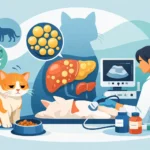
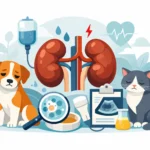
Some diseases, such as kidney failure, liver failure, or cancer, can cause a long-term loss of appetite (anorexia) in dogs. Often, other clinical signs, such as significant weight loss, lethargy, or behavioral changes, will accompany chronic anorexia attributable to these diseases.
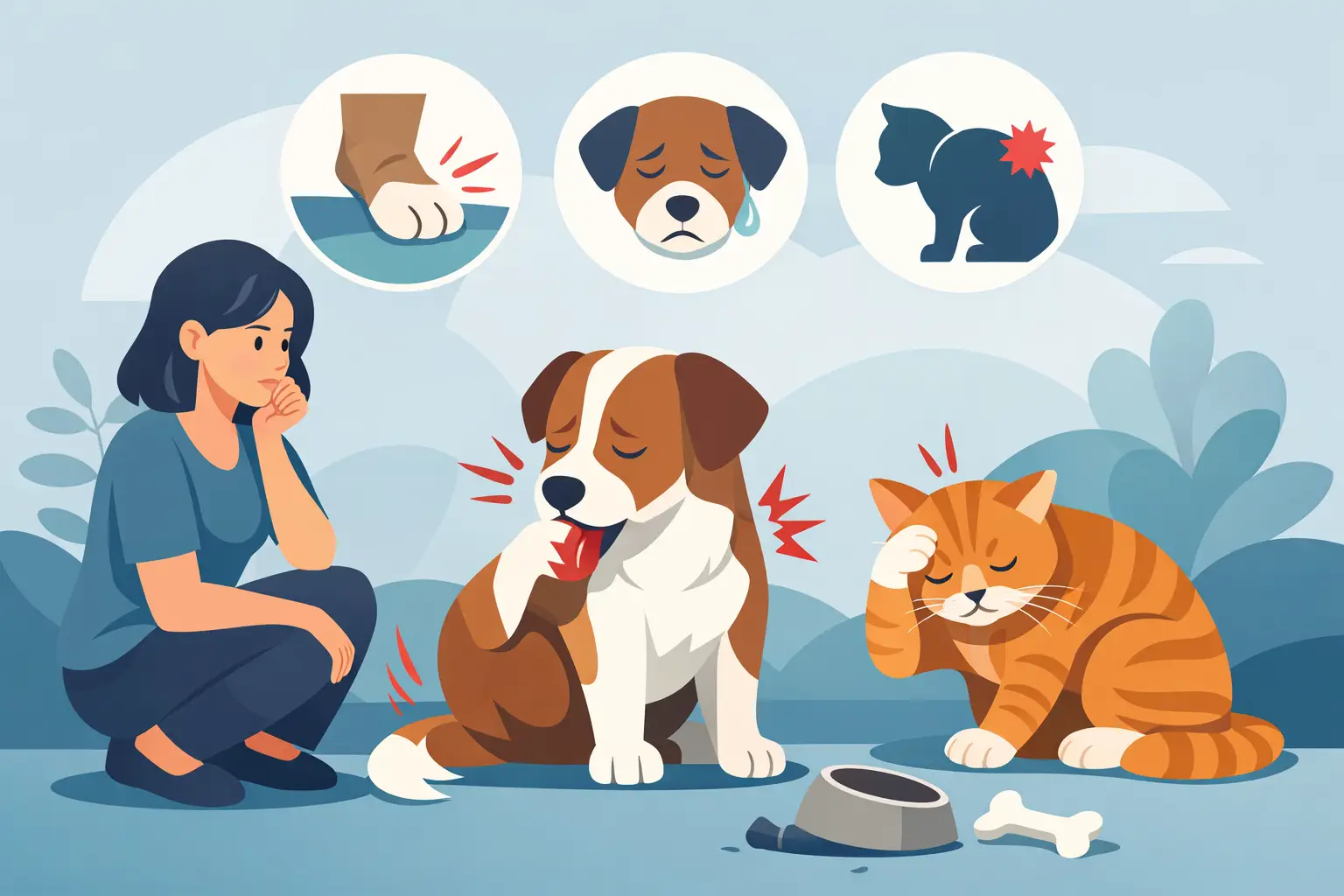
9) pain and injury
Additionally, if your dog has an injury, arthritis or any internal injury that causes pain, he/she will often refuse to eat. Dogs can often hide their pain well, so you may notice behavioral changes if your dog’s pain is limiting his/her ability to eat.
10) aging
Dogs also tend to eat less as they age due to their metabolism slowing down and a decreased ability to smell or taste. However, any sudden decrease in appetite in an older dog should be evaluated by a veterinarian.
When should I see the veteran doctor?
There are some instances where you should seek out a veterinarian immediately.
- If your dog has not eaten in more than 24-48 hours
- If your dog has additional symptoms indicating a medical issue (such as, vomiting, diarrhea, lethargy)
- If your dog is losing weight faster than usual
- If there is visible pain, bloating or discomfort
- If your dog is a puppy, senior, or has pre-existing health issues
When any of the above conditions exist, it will be important to contact your veterinarian as soon as possible. Getting an early diagnosis can help prevent future complications.
What are the things that you can do at home for our pet before going to the vet?
You can try some simple things before going to the vet’s office (if your dog otherwise appears normal):
- Provide your dog with fresh, clean water at all times.
- Consider warming your dog’s food slightly to increase the smell.
- Offer your dog something bland such as boiled chicken and rice.
- Reduce the number of treats or table scraps that your dog receives.
- Establish a normal feeding schedule for your dog.
If you have tried these suggestions and your dog still will not eat, it is time to get professional assistance.
blockquote
A dog refusing food isn’t always just picky behavior—it can be an early warning sign of something serious. Pay attention to changes and act quickly when needed.
Conclusion
Observation is key. Watch for any changes in your dog’s behavior that might indicate something is wrong, and if you feel something is off with your pet, take him to see a veterinarian right away. Use your instincts—if you notice that your dog has suddenly changed from being a happy and healthy dog to an unhappy or not-so-healthy dog, consult a veterinarian to rule out a more serious underlying issue.
In general, when you see your dog eating well and having a healthy appetite, this indicates a happy and healthy dog. One of the simplest ways to measure your pet’s overall health is to keep track of the amount of food and water he consumes each day.
All Creatures is a top veterinary center that provides the highest quality treatment and care for pets. Feel free to visit the center and get the screening done for your pet.
Veterinary Center – All Creatures Veterinary Center
Address – 22722 Lyons Ave #5, Newhall, CA 91321
Phone – (661) 291 – 1124
Frequently Asked Questions
How long can my dog go without eating before it’s a concern?
Dogs can typically go 1-2 days without food before it becomes a problem; however, this isn’t a good practice, particularly for puppies.
Should I force-feed my dog if he or she isn’t eating?
It’s not a good idea to force-feed because it can stress your pet and lead to other complications. Always discuss this with your vet first.
Can stress actually stop my dog from eating?
Stress from anxiety and changes in his environment can both be contributors to a temporary loss of appetite for your pet.
If my dog is still drinking water, but he is not eating, why is that?
In some cases, a dog may continue drinking water but stop eating due to temporary nausea or illness. If your pet stops eating for any length of time or exhibits other symptoms after stopping to eat, make sure to see your vet as soon as you can
If my dog has lost his appetite is this always serious?
Not necessarily; however, if it continues for over 1 day or if you see other symptoms in conjunction with the loss of appetite, it is important to see a veterinarian.