A healthy dog may still be hiding a dental infection, developing arthritis, or carrying parasites that have not caused obvious symptoms yet. That is why a thoughtful dog preventive care guide is about more than keeping up with shots. It is a practical plan for catching small changes early, protecting your dog from common risks, and giving your veterinary team a clear picture of their health over time.
For pet parents in Santa Clarita and nearby communities, preventive care also brings reassurance. Regular visits create a trusted medical home for routine questions, unexpected illness, and the changing needs that come with each stage of your dog’s life.
What preventive care really includes
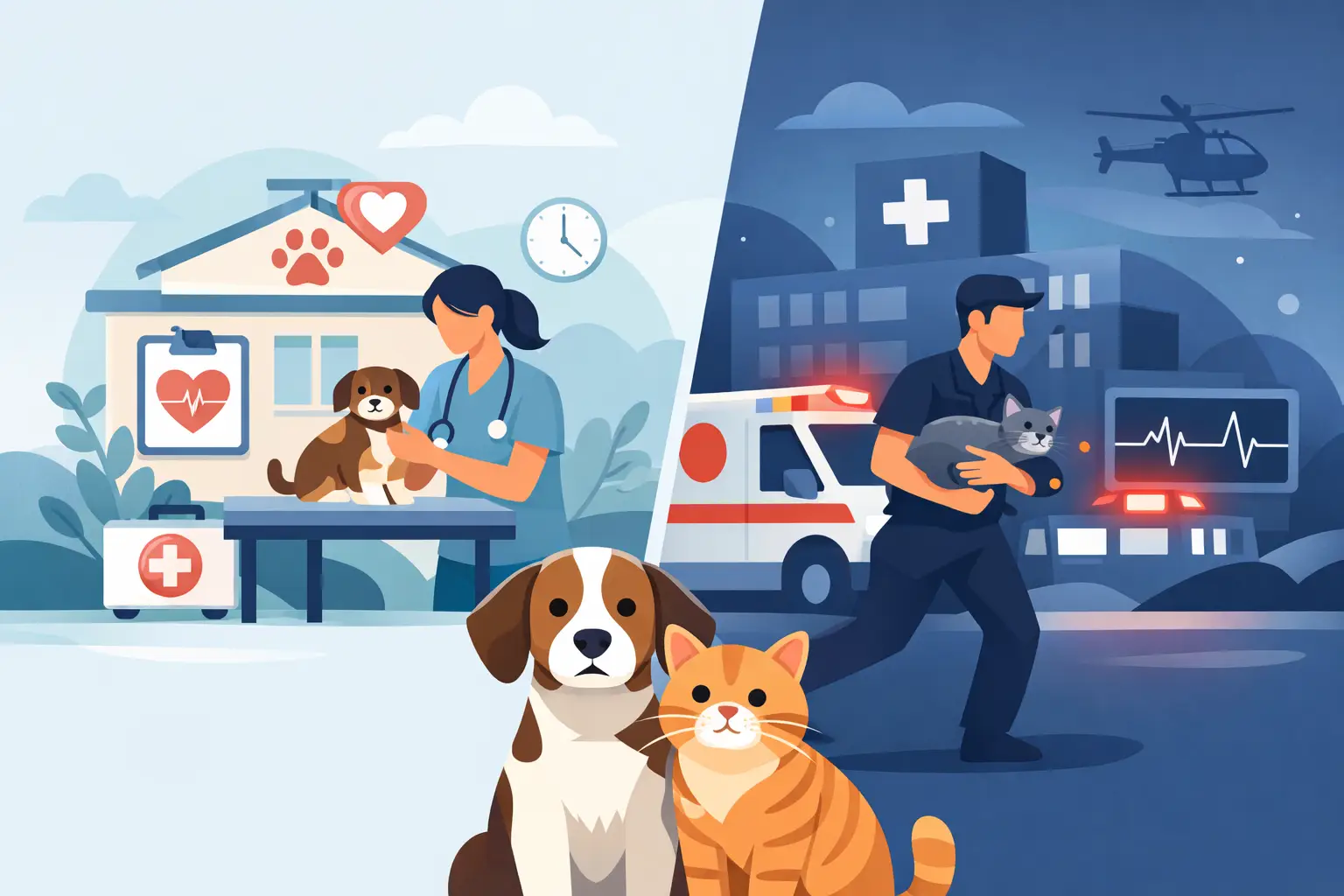
Preventive care is the ongoing care designed to help your dog stay well, not just treatment when they are sick or injured. A routine wellness visit gives your veterinarian time to listen to your concerns, perform a complete physical examination, review lifestyle risks, and recommend care based on your dog’s age, breed, health history, and daily routine.
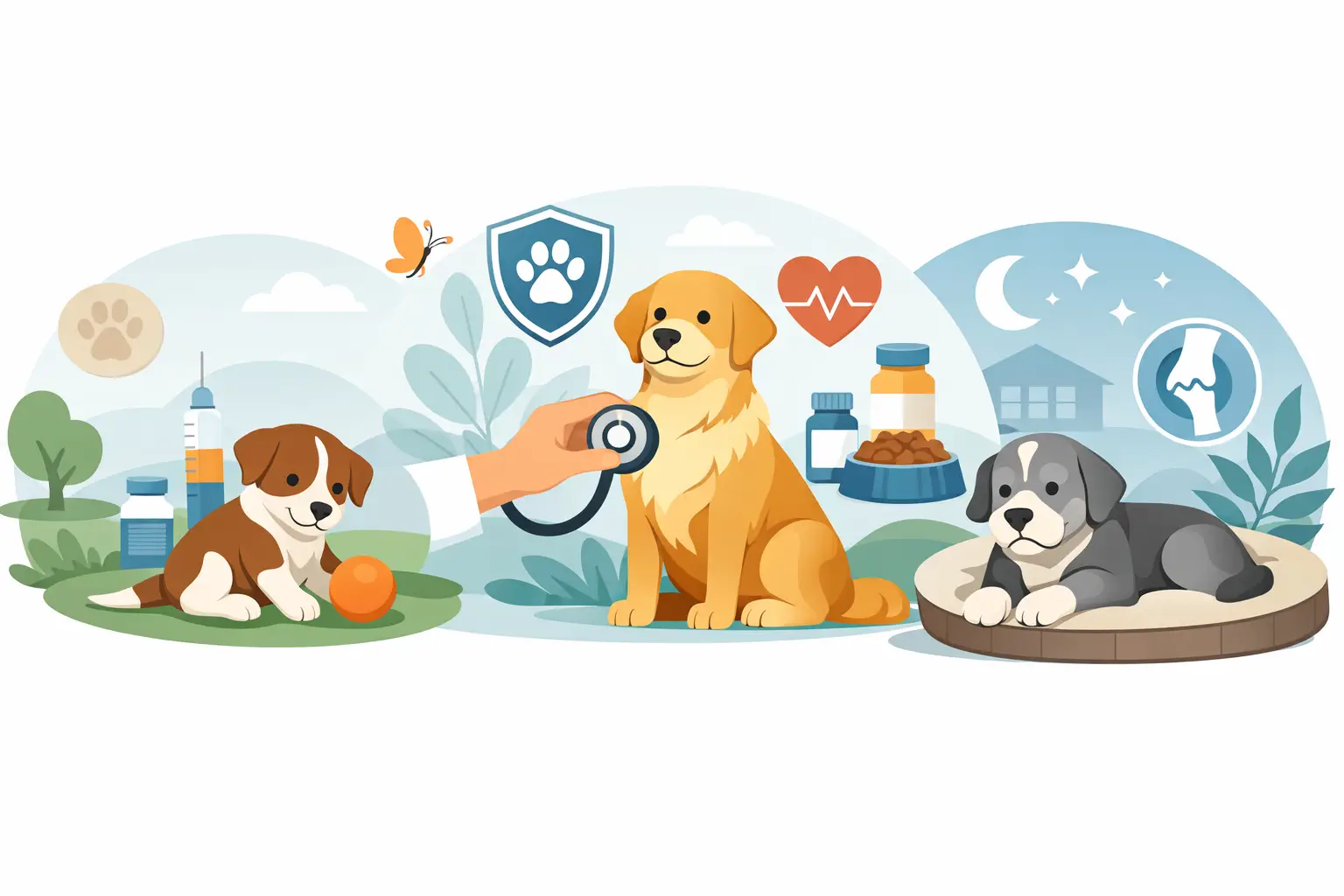
There is no single schedule that fits every dog. A young, social dog who visits parks, boarding facilities, or groomers may need different vaccine and parasite-prevention recommendations than a senior dog who spends most of the day at home. Dogs with allergies, chronic conditions, or prior orthopedic injuries also benefit from a more individualized plan.
A good preventive plan usually includes wellness exams, vaccinations, parasite control, nutrition and weight monitoring, dental assessments, and diagnostic screening when appropriate. Behavior, mobility, skin and coat health, and home safety deserve attention too. These details may seem separate, but together they tell an important story about your pet’s overall well-being.
Dog preventive care guide: start with wellness exams
Most adult dogs should see a veterinarian at least once a year. Puppies need more frequent appointments during their first months because they are growing quickly and completing an initial vaccine series. Senior dogs often benefit from exams every six months, since age-related health changes can progress faster and may be easier to manage when identified early.
During a wellness exam, your veterinarian checks far more than weight and temperature. They evaluate the eyes, ears, mouth, heart, lungs, abdomen, skin, joints, lymph nodes, and neurologic function. They also ask about appetite, drinking, stool quality, urination, energy, sleep, exercise tolerance, and behavior at home.
Bring up changes that might feel minor. A dog who hesitates before climbing into the car, starts drinking more water, develops bad breath, or becomes less interested in play may be communicating discomfort. Dogs are often remarkably good at adapting to pain or illness, so a subtle pattern can matter.
Wellness visits are also the right time to discuss screening tests. Bloodwork, urinalysis, fecal testing, and other diagnostics can establish a healthy baseline or reveal concerns before your dog appears unwell. The right tests depend on age and risk factors. For example, a healthy young adult may need a different screening approach than a senior dog taking medication for chronic pain.
Keep vaccines and parasite protection personal
Vaccines protect dogs from serious and sometimes life-threatening diseases, but recommendations should be based on your dog’s actual exposure risks. Core vaccines are broadly recommended, while lifestyle vaccines may be advised depending on contact with other dogs, travel, boarding, grooming, wildlife exposure, and local disease patterns.
Puppies need a carefully timed series because immunity from their mother can interfere with early doses. Adult dogs need boosters at intervals determined by the vaccine, their prior records, and your veterinarian’s recommendations. If you have adopted a dog with an uncertain history, bring any available records to the appointment so the team can help create a safe plan.
Parasite prevention is equally personal, but it should not be an afterthought. Fleas, ticks, heartworms, and intestinal parasites can affect dogs throughout Southern California. Some parasites can also pose risks to people in the household. Consistent prevention, routine fecal testing, and prompt attention to itching, visible fleas, coughing, diarrhea, or unexplained weight loss can protect both your dog and your family.
Do not wait for dental pain to become obvious
Dental disease is one of the most common health problems in dogs, and it is easy to miss at home. Dogs may continue eating even when they have painful gums, loose teeth, or infection below the gumline. Bad breath is not simply a normal part of having a dog. It can be an early sign that their mouth needs attention.
Your veterinarian should examine your dog’s mouth at routine visits and recommend professional dental care when needed. A proper dental procedure may involve anesthesia, dental X-rays, scaling, polishing, and treatment of unhealthy teeth. This allows the team to evaluate the areas below the gums, where much of the damage occurs.
At home, regular tooth brushing is the gold standard for daily dental support. Dental chews, diets, and water additives may be helpful for some dogs, but they do not replace brushing or professional care. Ask which products and routines are appropriate for your pet, especially if they have existing dental disease or a history of chewing aggressively.
Weight, food, and movement are medical issues too
A few extra pounds can place added stress on a dog’s joints, heart, and metabolism. It may also make it harder to notice the early signs of arthritis or reduced mobility. Rather than relying only on the number on the scale, your veterinary team can assess body condition and muscle mass, then help you set a realistic feeding and activity plan.
Nutrition advice should account for life stage, size, activity level, medical needs, and your household routine. Puppies require appropriate growth nutrition. Adult dogs need calories that match their energy use. Seniors may need adjustments if they are losing muscle, gaining weight, or managing kidney, digestive, or joint concerns.
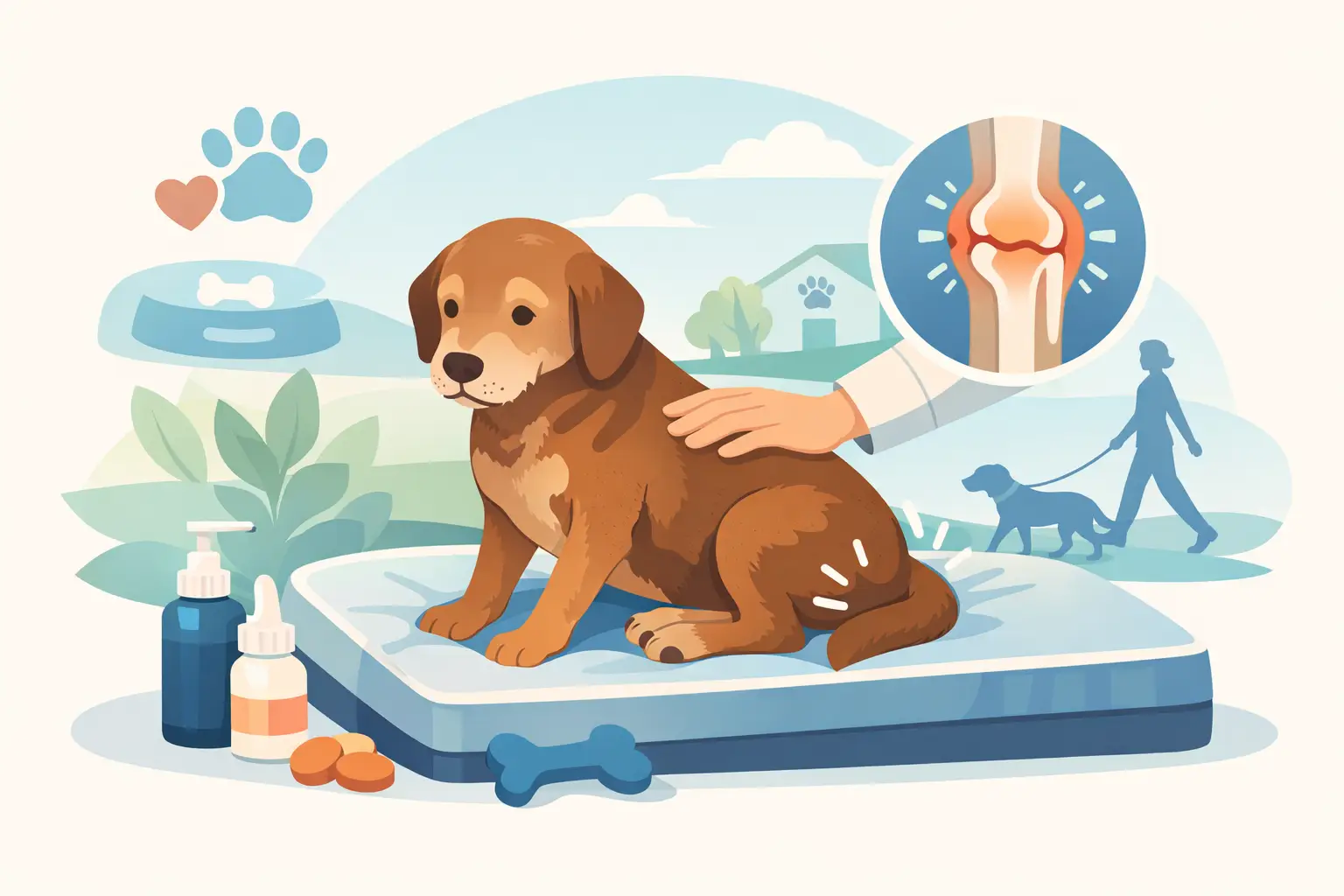
Exercise matters, but more is not always better. A healthy young dog may thrive with active play and longer walks, while a dog with arthritis or prior orthopedic surgery may need shorter, lower-impact movement and a rehabilitation plan. Sudden weekend exertion after a sedentary week can lead to strains and injuries. Consistency is often kinder to the body than intensity.
Make prevention part of daily observation
You know your dog better than anyone else. A few minutes of regular observation can help you recognize changes before they become urgent. Notice how they walk, rise, eat, drink, breathe, rest, and interact with family members. Check their skin and coat while petting them, and pay attention to new lumps, odors, or sensitivity to touch.
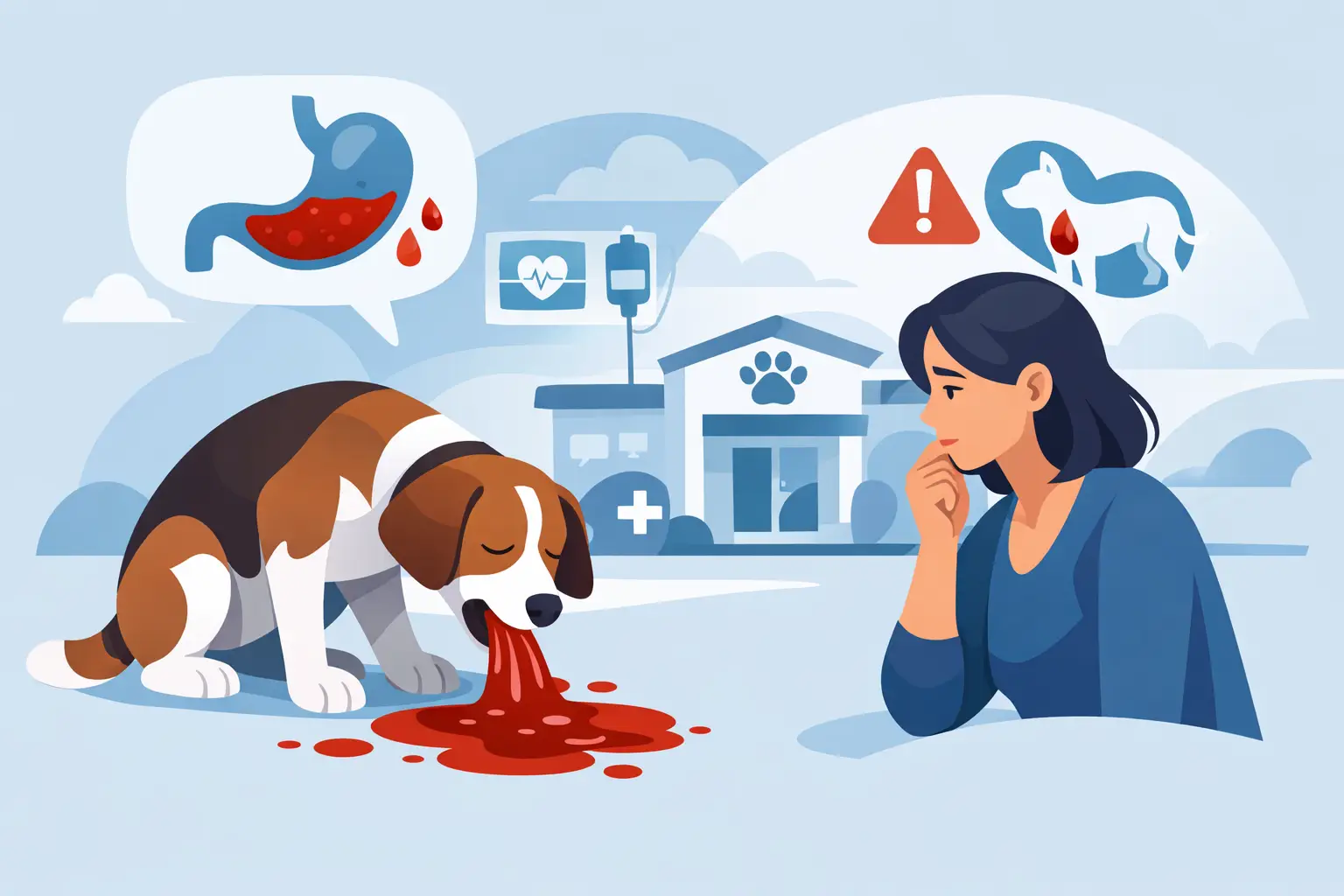
Call your veterinarian promptly if you notice persistent vomiting or diarrhea, a sudden change in appetite or thirst, trouble urinating, limping, coughing, labored breathing, collapse, or a major behavior change. These signs do not always mean an emergency, but they deserve guidance. If your dog has trouble breathing, collapses, has uncontrolled bleeding, or appears to be in severe pain, seek urgent veterinary care right away.
Preventive care also includes keeping your home safe. Store medications, cleaning products, grapes and raisins, chocolate, xylitol-containing products, and toxic plants out of reach. Use a leash or secure fencing outdoors, keep identification current, and plan ahead for travel, boarding, and holiday gatherings. Small precautions can prevent frightening emergencies.
Build a plan that changes with your dog
The most useful preventive plan is not a checklist you complete once. It changes when your puppy becomes an adult, when your dog slows down, when your family moves, or when their daily environment changes. Keeping records of vaccines, medications, diet, weight, and health questions makes those conversations more productive.
At All Creatures Veterinary Center, preventive visits are an opportunity to build that long-term relationship with a team that can support routine wellness needs as well as advanced diagnostics, dental care, rehabilitation, and treatment when a problem is found. Clear recommendations and a plan tailored to your dog can make decisions feel less overwhelming.
Your dog does not need to look sick to deserve a veterinary visit. Scheduling care while they are comfortable gives you time to ask questions, address quiet changes, and keep the years ahead focused on more walks, more play, and more ordinary days together.