A seizure can be frightening to watch, especially when your dog seems confused, restless, or unlike themselves afterward. Knowing the right dog seizure aftercare steps can help you protect your pet during recovery, gather useful information for your veterinarian, and recognize when urgent medical care is needed.
The period after a seizure is called the postictal phase. Some dogs recover within minutes; others may need hours to return to normal. Your steady presence, a quiet environment, and timely veterinary guidance can make a meaningful difference.
Start With Safety and a Calm Recovery Space
Once the seizure has stopped, take a slow breath and look at your dog’s surroundings before moving them. Dogs may be disoriented, temporarily unable to see clearly, unsteady on their feet, or fearful during recovery. Even a normally gentle pet can snap if startled or touched unexpectedly while confused.
Keep your dog away from stairs, pools, furniture edges, other pets, and young children. If they are on a bed or couch, carefully prevent a fall if you can do so without putting your hands near their mouth. Do not try to hold your dog down, open their mouth, or put anything between their teeth. Dogs cannot swallow their tongues during a seizure, and attempting to handle the mouth can lead to an accidental bite.
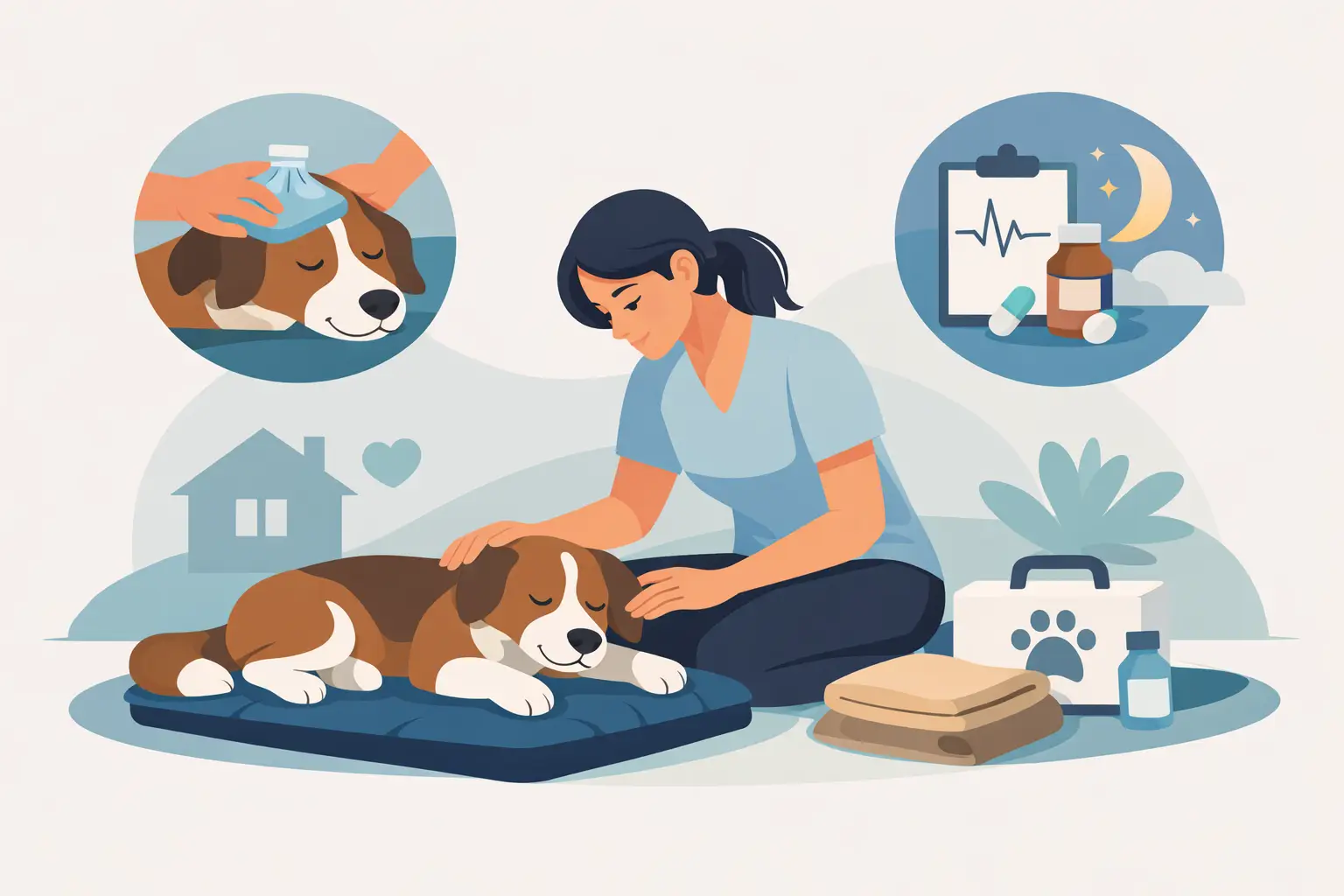
Lower the lights, reduce noise, and give your dog room. Speak softly if your voice seems to reassure them, but avoid crowding them. Some dogs seek comfort right away, while others need a little space before they are ready for contact.
Check How Your Dog Is Recovering
After the episode, observe your dog closely. Post-seizure behavior can include pacing, panting, drooling, whining, temporary weakness, hunger, thirst, or confusion. Your dog may walk into walls, seem unable to recognize familiar rooms, or appear restless. These signs can be upsetting, but they may be part of normal recovery.
Offer small amounts of water once your dog is alert enough to drink safely. Do not force water, food, treats, or medication into their mouth. A large meal immediately after a seizure may not agree with an unsettled stomach, so it is usually best to wait until your dog is fully awake and coordinated before offering a small, familiar meal.
If your dog is very sleepy, let them rest in a safe, comfortable area where you can keep an eye on them. Keep outdoor trips brief and supervised until their balance and awareness return. A confused dog may wander, fall, or become startled by a sound or person they normally know well.
Do Not Assume Every Recovery Is the Same
A dog with a known seizure disorder may have a recovery pattern that you and your veterinary team recognize. Still, a seizure that lasts longer than usual, looks different from prior episodes, or is followed by a slower recovery deserves a call to your veterinarian.
For a first-time seizure, veterinary evaluation is especially important. Seizures can have many causes, including epilepsy, toxin exposure, low blood sugar, liver or kidney disease, brain conditions, metabolic changes, and certain medications. The seizure itself is a symptom, not a diagnosis.
Record the Details Your Veterinarian Needs
Once your dog is safe, write down what happened while the details are fresh. This information can help your veterinarian determine what testing or treatment may be appropriate. If it is safe to do so during a future episode, a brief video can also be helpful, but never delay protecting your dog or seeking emergency care to record it.
Try to note:
- The date, time, and estimated length of the seizure
- What your dog was doing just before it began
- What you observed, such as stiffening, paddling, jaw movements, drooling, urination, or loss of awareness
- How long recovery took and any behavior changes afterward
- Possible exposures to human medications, foods, chemicals, marijuana products, pest control products, or other toxins
- Recent illness, appetite changes, injuries, medication changes, or missed seizure medication doses
Timing matters. A seizure can feel much longer than it actually is, so using a phone timer if possible is valuable. Your veterinarian will want to know whether the episode lasted under a minute, several minutes, or longer.
When a Seizure Requires Emergency Care
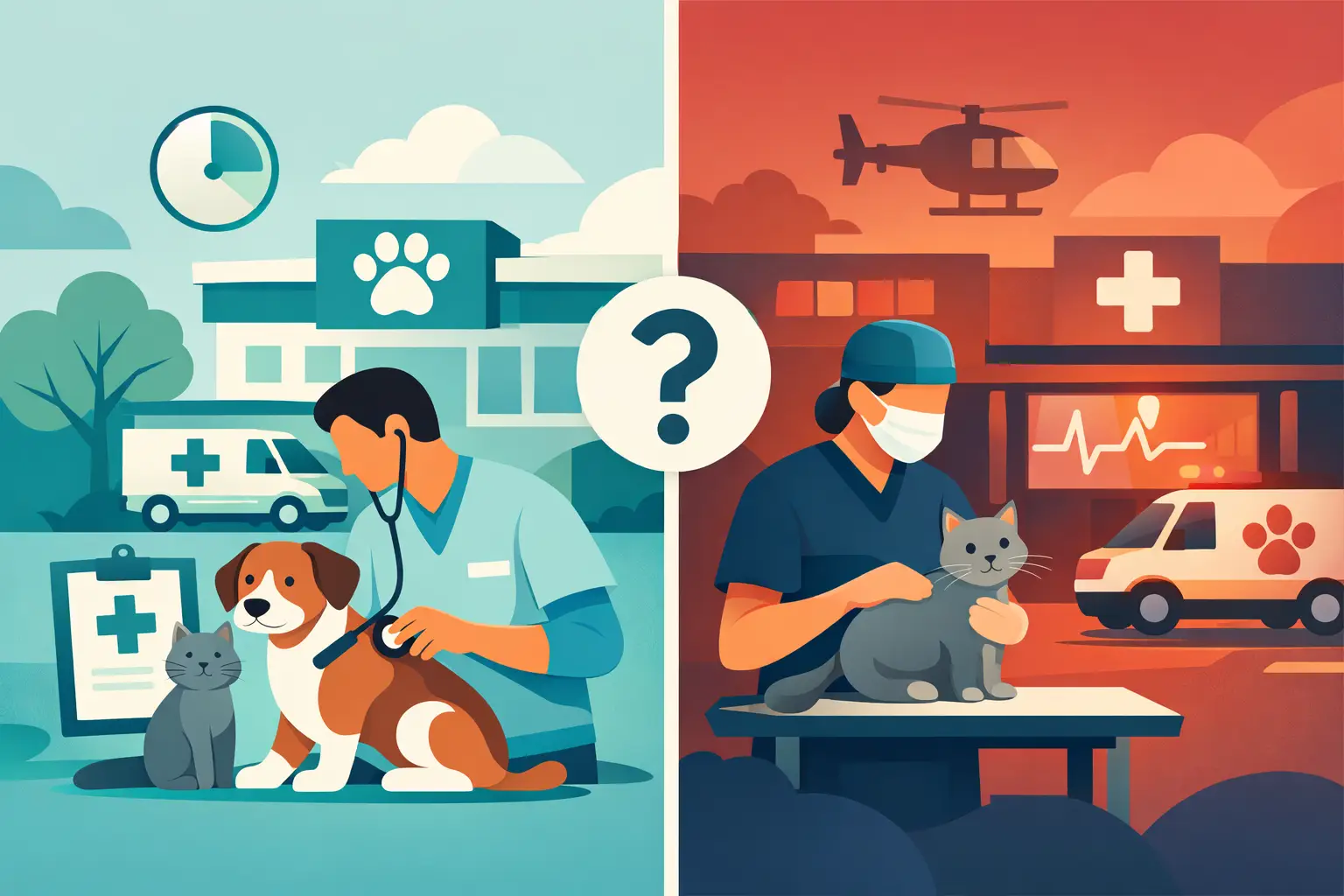
Call a veterinarian or seek emergency care right away if your dog is actively seizing for more than five minutes. A prolonged seizure can become life-threatening and needs immediate treatment.
Emergency care is also needed if your dog has more than one seizure within a 24-hour period, does not regain consciousness between seizures, has repeated episodes close together, has trouble breathing, or remains severely disoriented or unable to stand. These patterns are often called cluster seizures or status epilepticus, and they require urgent medical attention.
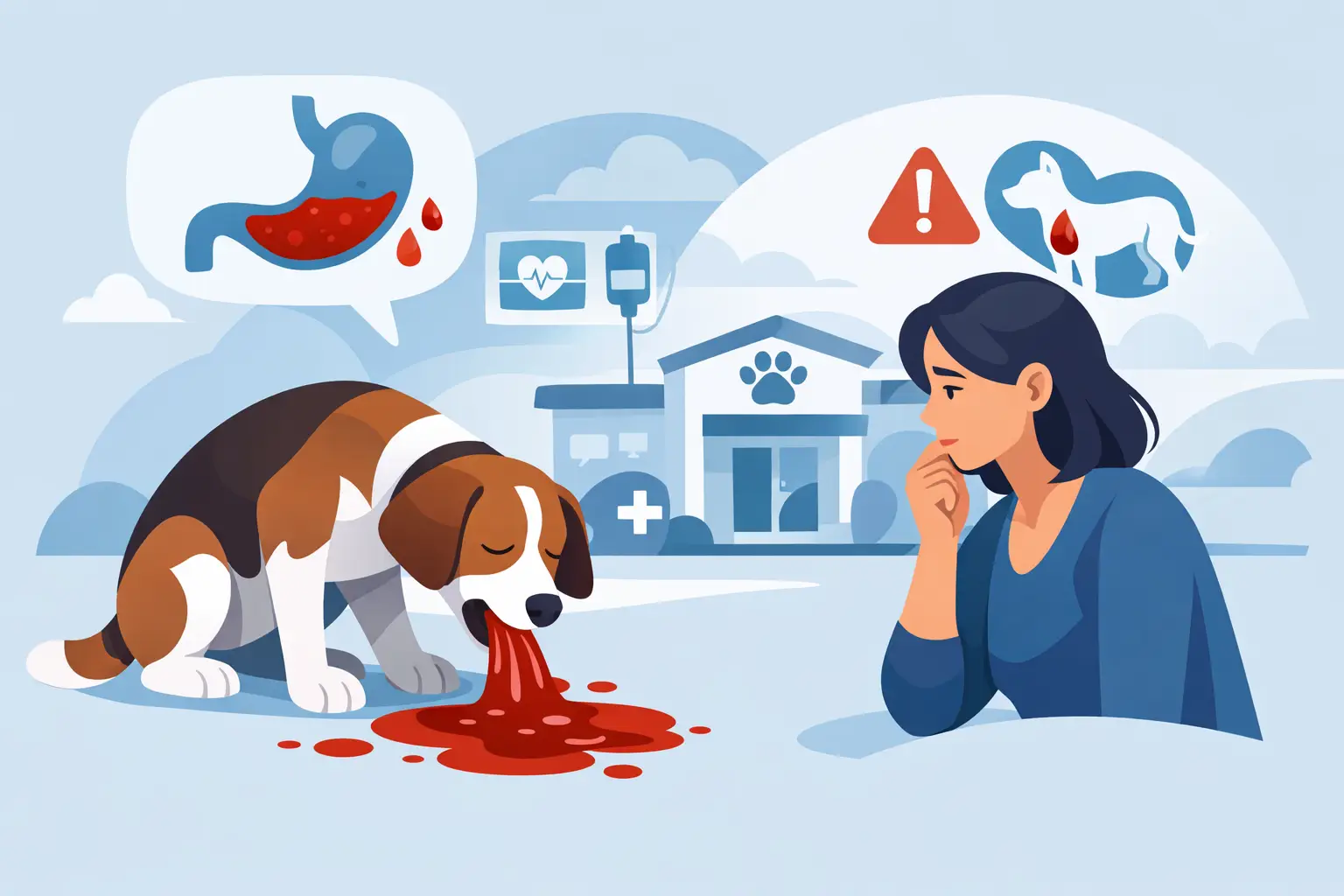
You should also contact a veterinary professional promptly if you suspect toxin exposure, if the seizure followed a head injury, or if your dog is pregnant, diabetic, very young, or medically fragile. Trust your instincts. If your dog’s recovery does not feel right, it is better to ask for guidance than to wait and worry.
At All Creatures Veterinary Center, our team can help evaluate seizure concerns during business hours and discuss the next steps for your pet’s individual situation. For after-hours emergencies, contact an emergency veterinary hospital without delay.
Follow Medication Instructions Exactly
If your dog takes anticonvulsant medication, continue it exactly as prescribed unless a veterinarian specifically tells you otherwise. Missing doses or stopping seizure medication suddenly can increase the risk of additional seizures. If your dog vomits after a dose, refuses medication, or has had a seizure despite treatment, call your veterinary team for instruction rather than giving an extra dose on your own.
Some dogs are sent home with rescue medication for prolonged seizures or clusters. Your veterinarian should show you when and how to use it, what side effects to expect, and when emergency care is still required. Rescue medication is not a substitute for urgent treatment when a seizure will not stop or your dog is having repeated episodes.
Long-term seizure management often involves more than a prescription. Follow-up exams, bloodwork, medication monitoring, and adjustments based on seizure frequency can help your veterinarian create a plan that balances seizure control with your dog’s comfort and quality of life.
Make the Next 24 Hours Easier
For the rest of the day, keep your dog’s routine simple. Avoid strenuous play, dog parks, grooming appointments, car rides, and anything that may add stress or increase the risk of injury while your dog is still recovering. Keep them indoors or on a leash outdoors, and do not leave them unattended near water or stairs.
Let family members know your dog may be sensitive, tired, hungry, or unsettled. Give other household pets some separation if they seem curious or agitated. A familiar blanket, quiet room, and access to water are often more helpful than excessive attention.
Continue watching for vomiting, diarrhea, worsening weakness, another seizure, unusual agitation, or a failure to return toward normal behavior. If your dog is not improving over the expected recovery period, contact your veterinarian. Recovery time varies, but ongoing distress should never be dismissed.
Preparing for Future Episodes
If your dog has had one seizure, having a plan before another episode occurs can reduce panic. Keep your veterinarian’s number and the nearest emergency hospital’s information in an easy-to-find place. Decide which quiet, safe area of your home is best for recovery, and talk with your veterinary team about whether a seizure diary or medication plan is appropriate.
The goal is not to manage seizures alone. With clear observations, prompt care when needed, and an individualized treatment plan, many dogs with seizure conditions can continue enjoying comfortable, active lives with their families. When your dog is ready, schedule a veterinary visit to talk through what happened and get guidance that fits their health history.