Seeing blood in your dog’s vomit can turn a normal morning into a frightening one. Dog vomiting blood causes can range from irritation after repeated vomiting to internal bleeding or a serious underlying disease. Because the appearance of blood does not reliably tell you how severe the problem is, your dog should be assessed by a veterinarian as soon as possible, especially if they seem weak, painful, or unwell.
What Blood in Dog Vomit Can Look Like
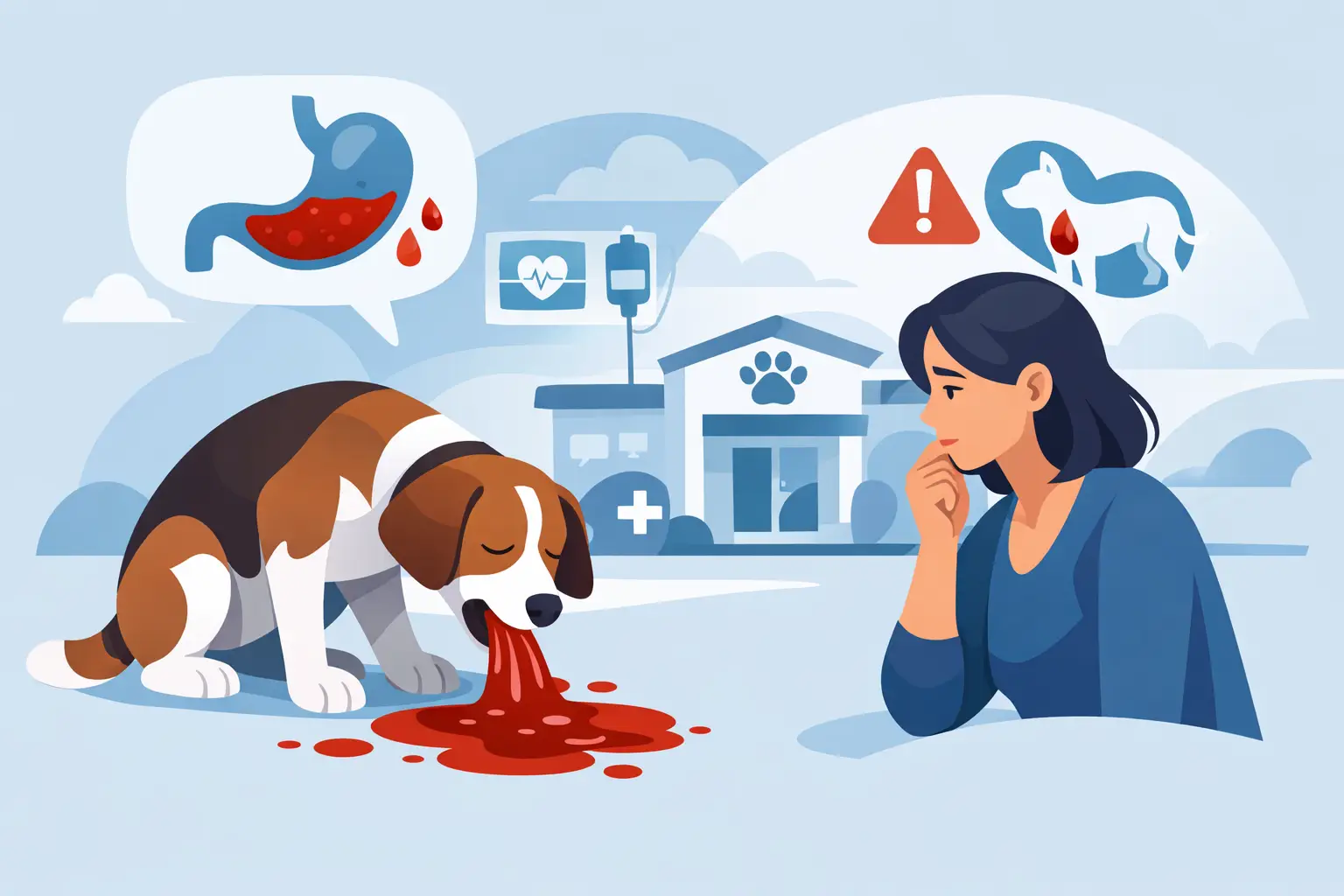
Blood in vomit may be bright red, streaky, dark brown, or resemble wet coffee grounds. Fresh, bright-red blood usually comes from the mouth, throat, esophagus, or upper stomach. It may appear after forceful retching, chewing an object that caused an injury, or bleeding from the gums.
Dark brown or coffee-ground material can indicate that blood has spent time in the stomach and has been partially digested. This may be associated with stomach ulcers, certain medications, liver disease, kidney disease, or other conditions that need timely medical attention.
Appearance matters, but it is not a diagnosis. A small bright-red streak can still warrant urgent care if your dog is repeatedly vomiting or acting differently. Likewise, dark material can sometimes be confused with food, dirt, chocolate-colored treats, or something your dog ate. When in doubt, save a photo or a small sample if you can do so safely, then contact your veterinary team.
Common Dog Vomiting Blood Causes
A veterinarian will consider your dog’s age, medical history, medications, diet, recent activity, and other symptoms before narrowing down the cause. Some possibilities are relatively manageable, while others require immediate stabilization and advanced diagnostics.
Stomach irritation and repeated vomiting
Dogs can develop inflammation of the stomach lining, called gastritis, after eating garbage, spoiled food, rich table scraps, grass, or a nonfood item. Repeated vomiting itself can irritate delicate tissue and cause small amounts of blood to appear. A sudden diet change, food intolerance, or pancreatitis may also trigger severe vomiting.
Even if the cause seems obvious, do not assume it will resolve on its own. Continued vomiting can quickly lead to dehydration, electrolyte changes, and worsening inflammation.
Foreign material or a blockage
Dogs do not always make good choices about what they swallow. Toys, socks, bones, corn cobs, string, rocks, and pieces of household items can injure the digestive tract or create an obstruction. A blockage may cause vomiting, abdominal pain, a reduced appetite, lethargy, straining to defecate, or little to no stool production.
Blood can occur when a swallowed item scratches tissue or compromises the stomach or intestines. This is particularly urgent if you know or suspect your dog swallowed something they should not have. Never pull string or fabric from your dog’s mouth or rectum, as doing so can cause serious internal injury.
Ulcers and medication reactions
Stomach ulcers can bleed and lead to dark, coffee-ground vomit or black, tar-like stool. Nonsteroidal anti-inflammatory medications, steroids, and certain other drugs can increase ulcer risk, particularly when used incorrectly or combined without veterinary guidance.
Do not give human pain relievers, antacids, or leftover pet medications unless a veterinarian specifically instructs you to do so. Products that are safe for people can be toxic to dogs or make gastrointestinal bleeding worse.
Toxins and clotting problems
Some toxins can cause internal bleeding by interfering with normal blood clotting. Rodenticide exposure is one concern, but it is not the only possibility. Certain plants, chemicals, contaminated foods, and medications can also cause vomiting, organ damage, or bleeding.
Bleeding disorders may result from liver disease, immune-mediated disease, severe infection, cancer, or inherited clotting conditions. Look for other warning signs such as pale gums, unexplained bruising, nosebleeds, weakness, rapid breathing, or blood in the stool or urine.
Illness affecting the digestive tract or other organs
Parasites, bacterial infections, viral illness, inflammatory bowel disease, pancreatitis, tumors, kidney disease, and liver disease can all contribute to vomiting and gastrointestinal bleeding. Puppies are especially vulnerable to severe dehydration from vomiting and diarrhea, while senior dogs may have underlying conditions that are not yet diagnosed.
A dog that vomits blood once after a brief episode of retching may need a different plan than a dog with repeated vomiting, diarrhea, weight loss, or declining energy over several weeks. That is why an individualized examination is essential.
When Vomiting Blood Is an Emergency
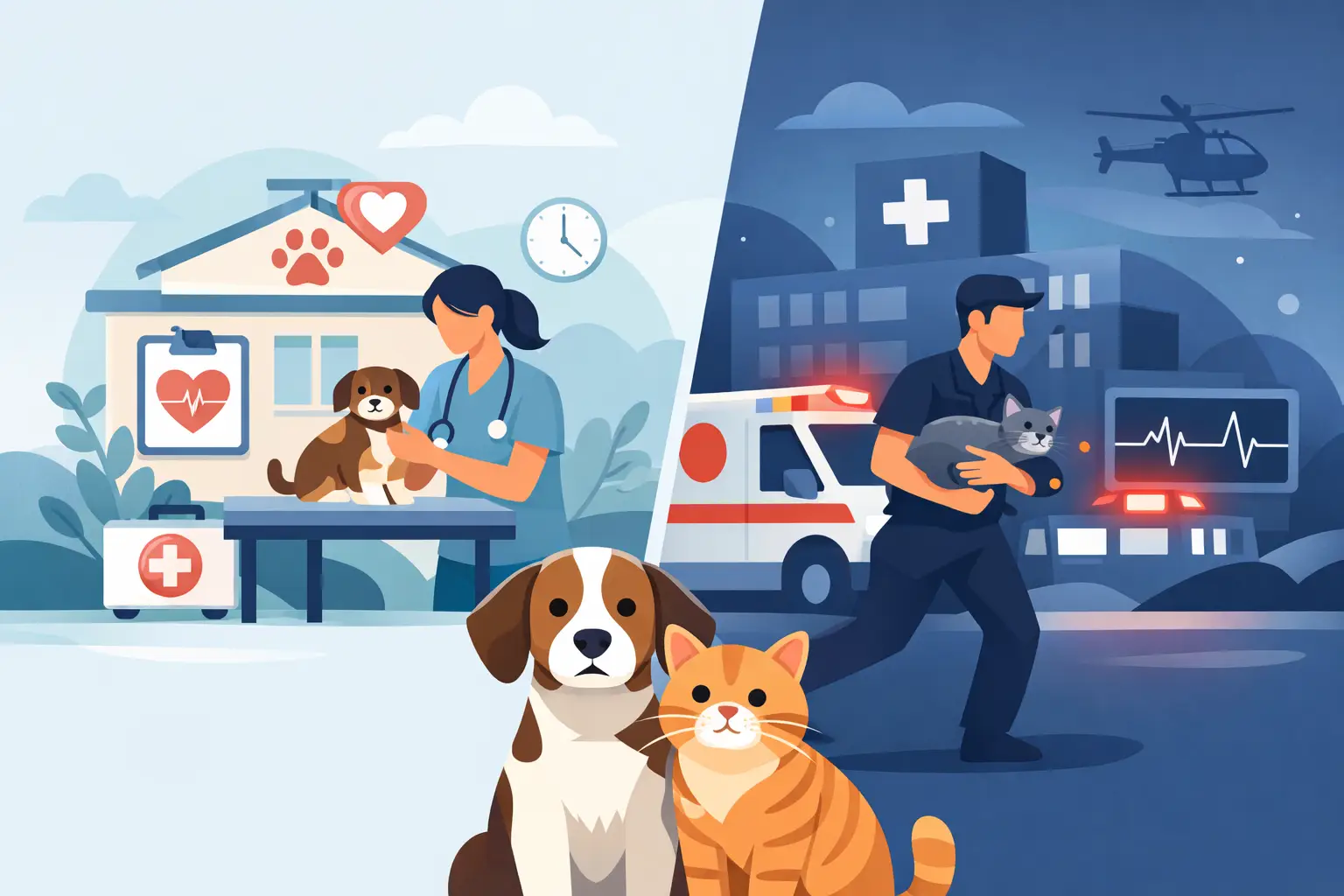
Any blood in vomit deserves a prompt call to your veterinarian. Seek emergency veterinary care immediately if your dog has more than a tiny streak of blood, vomits repeatedly, cannot keep water down, or shows signs of pain or collapse.
Other urgent signs include a swollen or tight abdomen, pale or white gums, black stool, bloody diarrhea, difficulty breathing, weakness, confusion, or a known toxin or foreign-object exposure. Puppies, senior pets, dogs with chronic illness, and dogs taking prescription medications should be evaluated with an especially low threshold for concern.
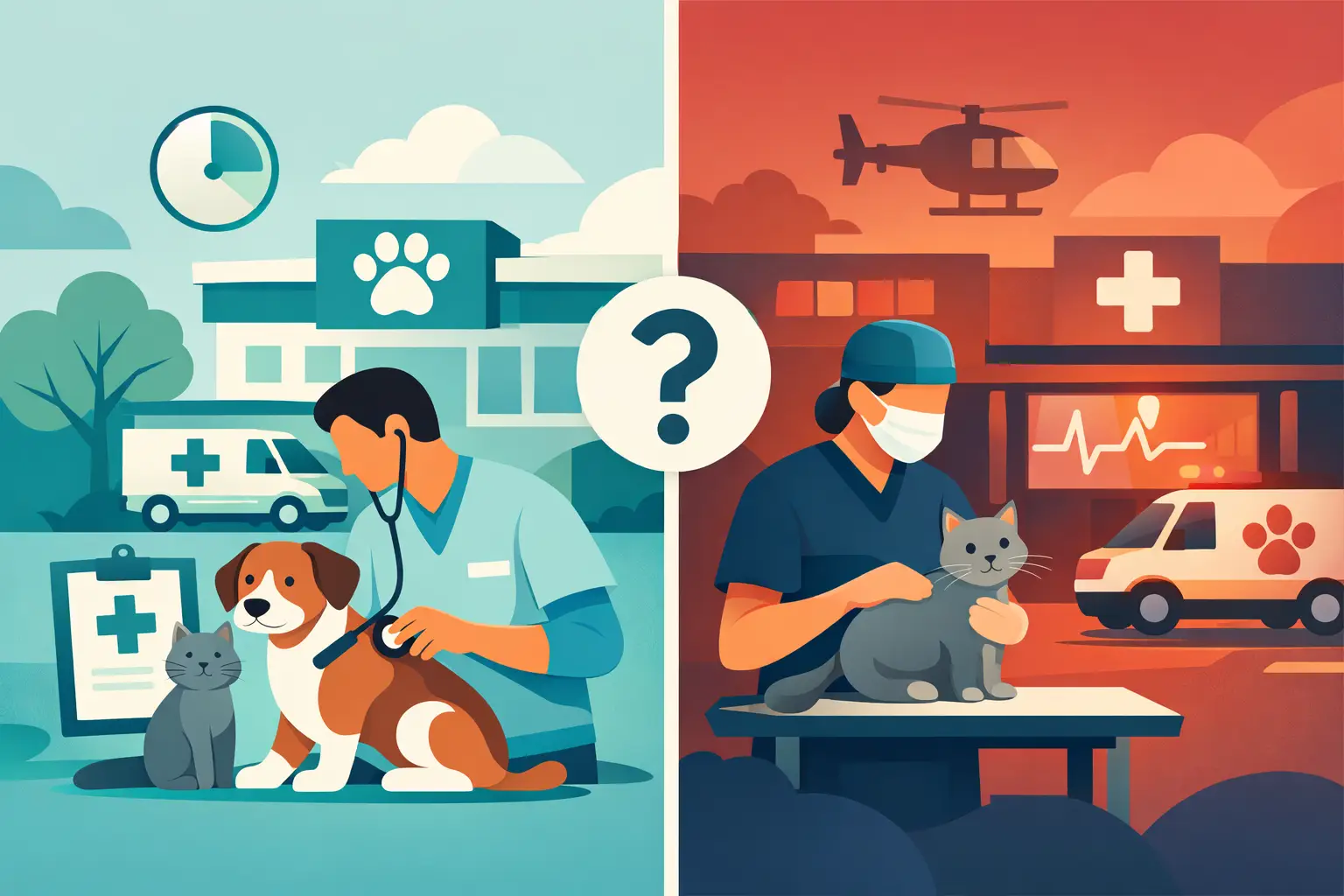
If your regular veterinary hospital is closed, contact a local 24-hour emergency hospital rather than waiting until the next day. Internal bleeding, an obstruction, and severe dehydration can become more dangerous quickly.
What to Do Before You Leave for the Vet
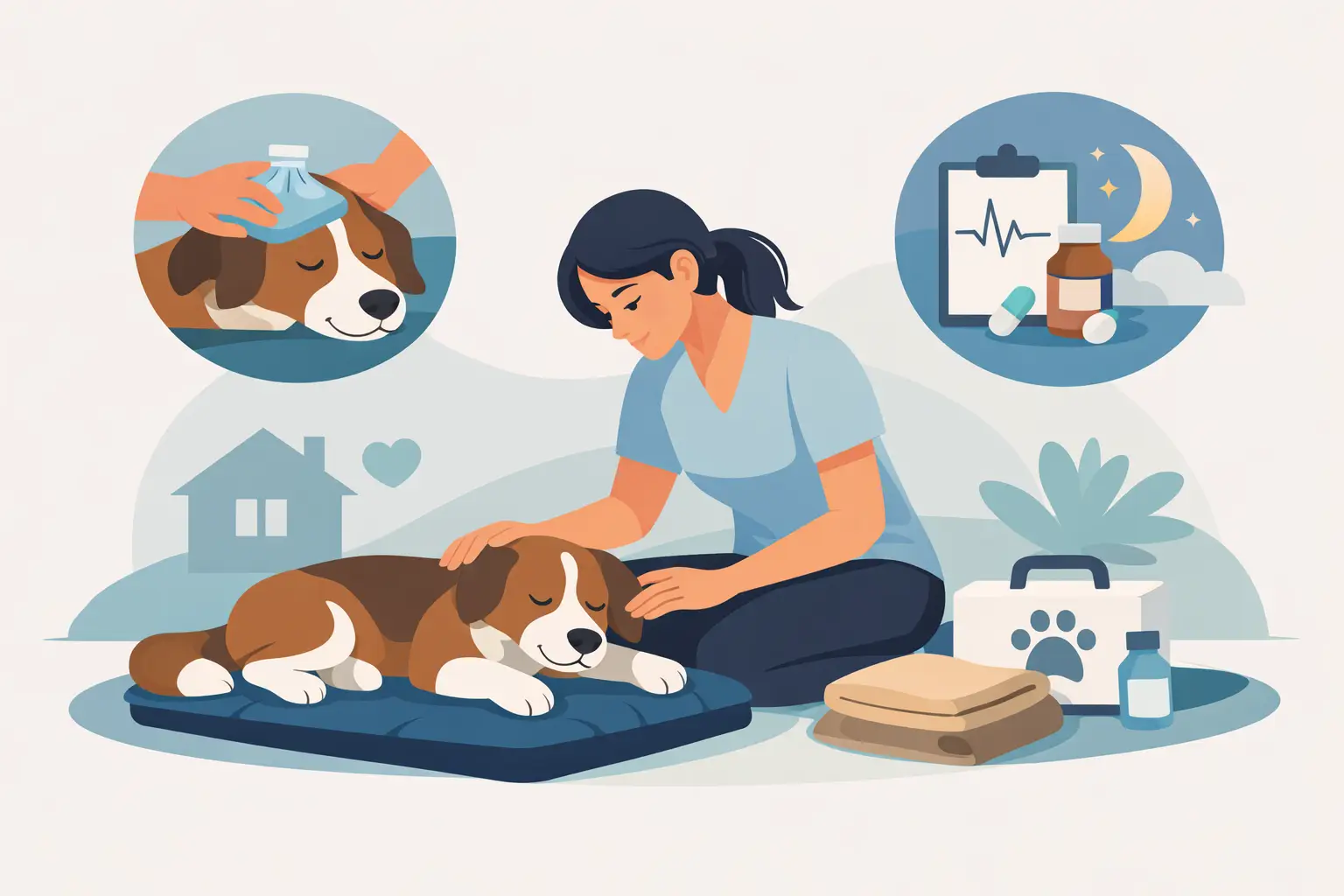
Keep your dog quiet and prevent access to food, treats, garbage, toys, medications, or outdoor materials. Unless your veterinarian advises otherwise, do not offer a full meal after vomiting. Small amounts of water may be appropriate for some dogs, but dogs that vomit every time they drink need prompt care rather than continued water attempts.
Before your visit, gather the details that can help your veterinary team act quickly:
- Note when vomiting began, how often it has happened, and whether blood appeared each time.
- Take a clear photo of the vomit and any unusual stool, if possible.
- Bring packaging for any medication, toxin, plant, or object your dog may have eaten.
- Write down current medications, recent diet changes, and any history of illness or previous vomiting.
Do not induce vomiting unless a veterinary professional tells you to. Do not give Pepto-Bismol, aspirin, ibuprofen, acetaminophen, hydrogen peroxide, or other home remedies. These can complicate treatment, worsen bleeding, or hide important symptoms.
How Veterinarians Find the Cause
A thorough examination often begins with checking hydration, gum color, heart rate, temperature, abdominal comfort, and signs of shock. Depending on your dog’s condition, testing may include bloodwork, fecal testing, urinalysis, X-rays, ultrasound, or clotting tests. These tools help identify dehydration, anemia, organ dysfunction, foreign material, masses, and inflammation.
Treatment depends on what is found. Some dogs improve with anti-nausea medication, stomach protectants, fluids, dietary guidance, and close monitoring. Others need hospitalization, intravenous fluids, blood products, endoscopy, surgery, or treatment for an underlying disease. The right approach depends on the cause and on how stable your dog is at presentation.
At All Creatures Veterinary Center, our team can evaluate urgent concerns during business hours and discuss a care plan based on your dog’s symptoms, examination findings, and diagnostic needs. Clear communication matters when you are worried about your pet, so you should understand what we are looking for, what treatment options are recommended, and what changes to watch for at home.
Can You Prevent Bloody Vomit in Dogs?
Not every case is preventable, but a few habits lower the risk. Keep medications, toxins, trash, and chewable household objects secured. Feed a consistent, appropriate diet, introduce new foods gradually, and avoid giving bones or items that can splinter or lodge in the digestive tract. Regular wellness visits also help identify dental disease, chronic conditions, and medication concerns before they become emergencies.
Most of all, trust the change you see in your own dog. You know what their normal appetite, energy, and behavior look like. If vomiting blood is paired with a dog who is not acting like themselves, timely veterinary care can provide answers and the comfort of knowing they are not facing it alone.