Cats are remarkably good at concealing discomfort. A cat may keep eating, purring, and greeting you at the door while quietly developing dental pain, arthritis, kidney disease, or an overactive thyroid. That is why an annual cat wellness checklist is more than a calendar reminder. It is a practical way to catch small changes early, when care is often simpler, more comfortable, and more affordable.
For families in Newhall, Santa Clarita, and nearby communities, preventive care creates a reliable baseline for your cat’s health. Your veterinary team gets to know what is normal for your cat, and you get clear guidance on what to watch for between visits.
Your annual cat wellness checklist
A yearly wellness visit is the foundation, but the right plan depends on your cat’s age, lifestyle, medical history, and whether they spend any time outdoors. Kittens, senior cats, and cats managing chronic conditions often need more frequent appointments.
Schedule a complete physical exam
During a wellness exam, your veterinarian looks beyond whether your cat appears healthy. A thorough exam generally includes listening to the heart and lungs, checking the eyes and ears, feeling the abdomen, assessing joints and mobility, evaluating skin and coat condition, and recording weight and body condition.
Weight changes deserve special attention. Gradual weight gain can raise the risk of diabetes, joint strain, and urinary issues. Unexplained weight loss can be an early clue of thyroid disease, kidney disease, diabetes, intestinal disease, or other concerns. Because these changes can happen slowly, the number on the scale may tell a more complete story than what you see at home.
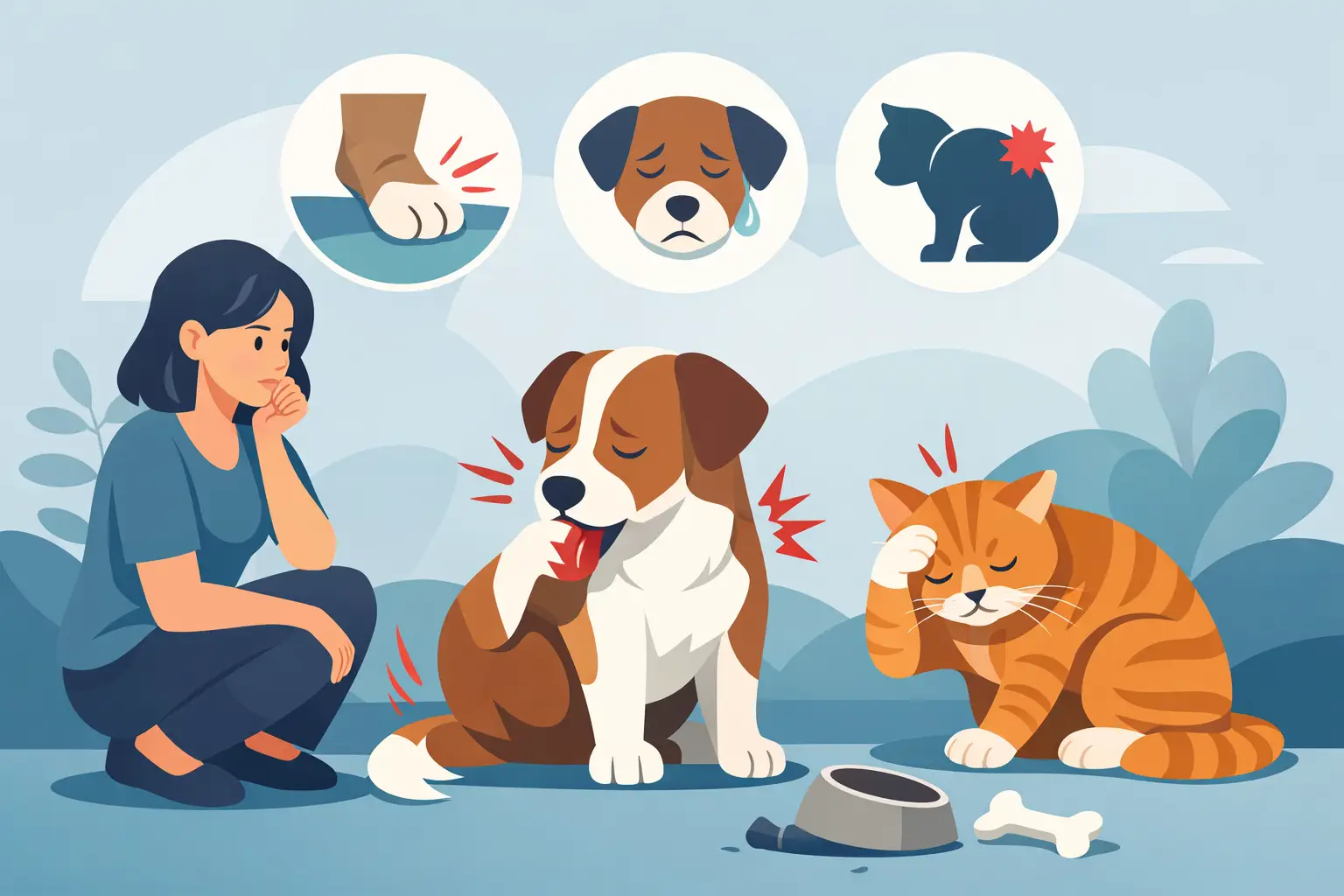
Bring notes about anything that has changed, even if it seems minor. Drinking more water, missing a jump onto the couch, vocalizing at night, hiding more often, vomiting occasionally, or using the litter box differently can all be medically relevant.
Review vaccines based on real risk
Vaccines are not one-size-fits-all. Your veterinarian will consider your cat’s age, prior vaccine history, health status, and exposure risk. An indoor-only cat may still need core protection, while a cat who goes outdoors, visits boarding facilities, or lives with cats that come and go may need additional coverage.
The goal is not to give more vaccines than necessary. It is to provide appropriate protection on a schedule that fits your individual cat. If you have adopted a cat with an unknown medical history, ask for help creating a safe catch-up plan.
Keep parasite prevention on the calendar
Even cats who live indoors can be exposed to parasites. Fleas can enter on people, dogs, visiting pets, or wildlife near the home. Some intestinal parasites can be brought in through contaminated soil or insects, and mosquito-borne heartworm disease remains a concern in Southern California.
Your veterinarian can recommend prevention and testing based on your household and your cat’s routines. Be especially honest about supervised patio time, escape attempts, contact with outdoor cats, and travel. These details help shape a plan that protects your cat without making assumptions about their lifestyle.
Make dental health a yearly priority
Bad breath is not simply part of having a cat. It can signal plaque buildup, gum inflammation, tooth resorption, infection, or painful periodontal disease. Cats often continue eating despite significant oral pain, so a normal appetite does not rule out a dental problem.
At the wellness visit, ask for an oral health assessment. Your veterinary team can identify visible concerns and explain whether a professional dental cleaning, dental X-rays, or additional treatment is recommended. Home dental care can help some cats, but it does not replace a professional evaluation, particularly when disease is already present.
Discuss screening tests before symptoms appear
Bloodwork and urine testing can reveal changes that cannot be found through a physical exam alone. These tests may assess kidney and liver function, blood sugar, thyroid levels, hydration, urinary health, and more. They also establish baseline values that make future changes easier to recognize.
For a healthy adult cat, the timing of routine screening may vary. For senior cats, typically around age 7 or older, annual or more frequent testing is often recommended. Cats with conditions such as kidney disease, diabetes, hyperthyroidism, or high blood pressure may need monitoring on a different schedule.
A normal result is useful, not wasted. It gives your veterinarian a clearer reference point if your cat becomes ill later. If results are abnormal, your care team can explain what they mean, what needs follow-up, and which tests or treatments are truly appropriate.
Confirm nutrition, weight, and hydration needs
A food label does not tell the whole story. The best diet for your cat depends on life stage, body condition, activity level, dental health, medical needs, and food preferences. Kittens need nutrition that supports growth, while older cats may benefit from a different strategy to maintain muscle and manage chronic conditions.
Ask about portion size rather than relying on a full bowl or package feeding guide. Measure meals when possible, include treats in the daily total, and make sure every adult in the household follows the same plan. If your cat is overweight, a gradual veterinary-guided approach is essential. Cats should never be placed on a drastic diet because rapid weight loss can be dangerous.
Hydration also matters, especially for cats prone to urinary or kidney concerns. Wet food, water fountains, multiple clean water stations, and a conversation about your cat’s specific needs can all be helpful.
Check identification and emergency readiness
An annual wellness appointment is a good time to verify that your cat’s microchip information is current. If you have moved, changed phone numbers, or adopted the cat from someone else, the registration details may need attention. A collar tag can offer another layer of protection for cats comfortable wearing one.
Keep a current photo of your cat and know where the carrier is stored before an emergency occurs. A carrier that stays accessible, with familiar bedding and occasional treats inside, is usually less stressful than one that appears only before a car ride.
At-home habits that support your checklist
Veterinary visits are essential, but the observations you make at home fill in the rest of the picture. Take a few minutes each month to notice your cat’s body, behavior, and routine. You do not need to turn every day into a medical exam. Consistency is what helps you spot a meaningful change.
Pay attention to four areas:
- Appetite and water intake, including whether your cat suddenly seems hungrier or thirstier.
- Litter box habits, such as straining, frequent small urinations, diarrhea, constipation, or accidents outside the box.
- Mobility and behavior, including reluctance to jump, hiding, irritability, confusion, or reduced grooming.
- Skin and coat changes, such as excessive scratching, hair loss, lumps, wounds, or a dull coat.
A single hairball or skipped meal may not always mean an emergency, but recurring symptoms should not be ignored. Male cats that strain to urinate, make repeated litter box trips with little output, or cry in the box need urgent veterinary attention. Urinary obstruction can become life-threatening quickly.
Adjust the plan for your cat’s life stage
Kittens need a series of exams and vaccines during their first months, along with parasite screening, spay or neuter planning, nutrition guidance, and help building positive carrier and handling experiences. Early visits also give new pet parents a chance to ask practical questions without waiting for a problem.
Healthy adult cats may appear low-maintenance, yet this is the stage when steady preventive care helps preserve their health for years to come. Annual exams, dental evaluations, weight checks, and lifestyle-based vaccine and parasite recommendations remain worthwhile even for cats who rarely leave the house.
Senior cats benefit from closer attention because age-related conditions can develop gradually. Many older cats do best with wellness visits every six months, particularly if they take medication or have changes in appetite, mobility, thirst, or litter box habits. Advanced diagnostics, including bloodwork, ultrasound, and imaging when indicated, can help clarify concerns without guesswork.
When not to wait for the yearly visit
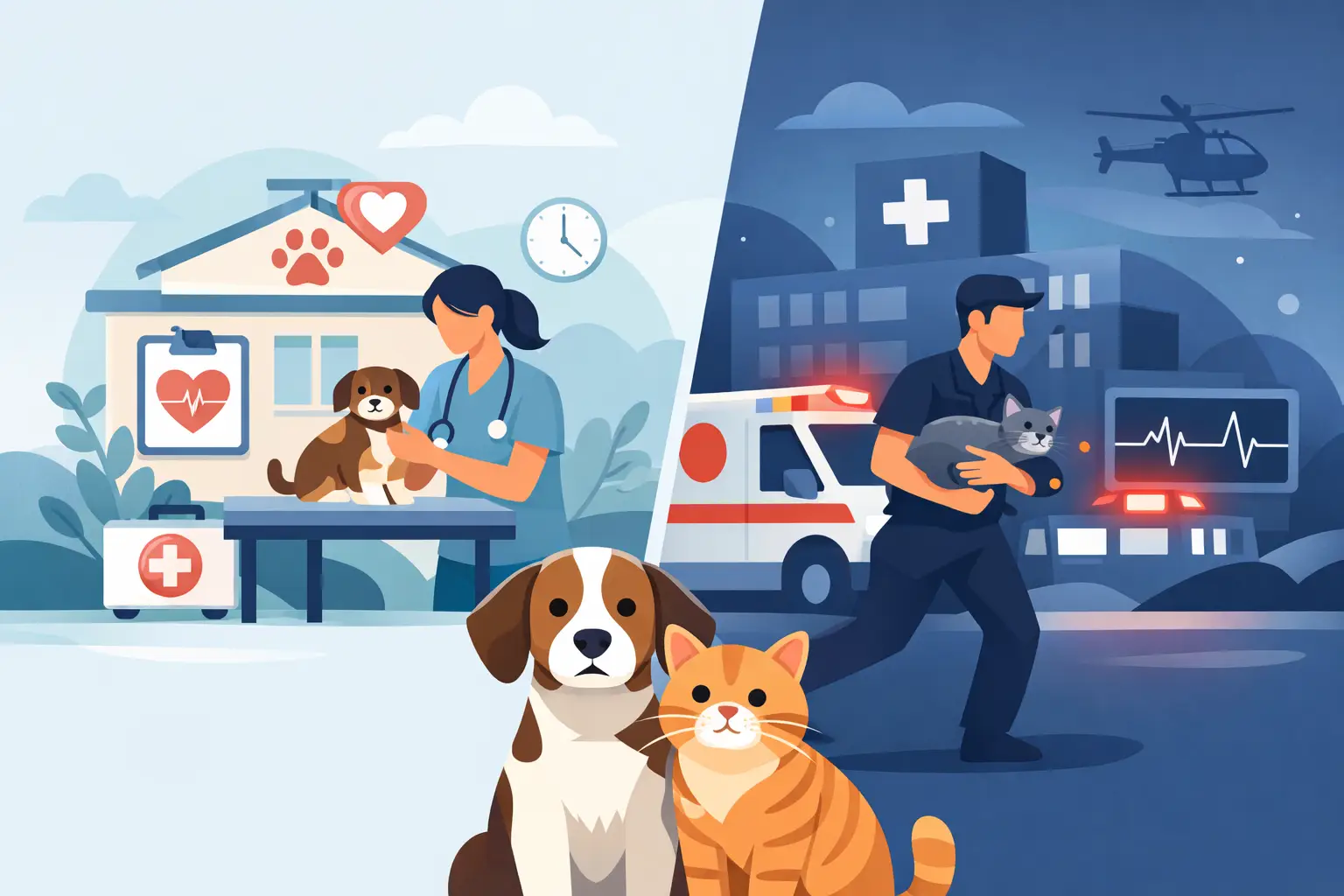
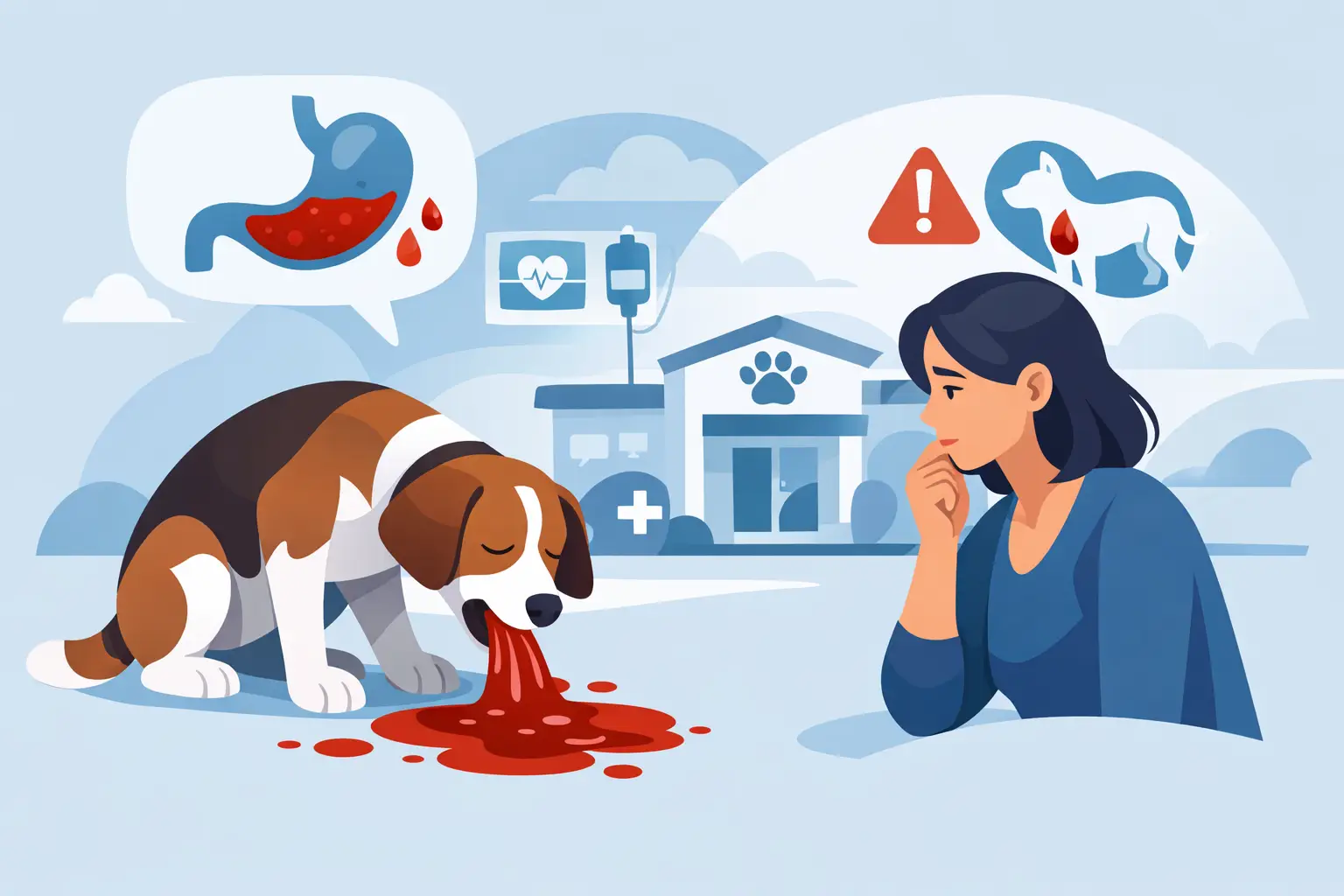
Your wellness schedule is not meant to replace prompt care when something feels wrong. Contact a veterinarian sooner for breathing changes, repeated vomiting, a sudden appetite loss, significant lethargy, eye injuries, pain, seizures, trouble walking, trauma, or urinary difficulties.
Trust your familiarity with your cat. You know their usual sleeping spot, appetite, personality, and routines better than anyone. If your cat is acting unlike themselves, a timely conversation with a veterinary team can bring reassurance or get needed care started sooner.
A yearly checklist is most valuable when it becomes part of a long-term relationship with a veterinary team that knows your cat. At All Creatures Veterinary Center, each wellness visit is an opportunity to listen, answer questions clearly, and build a care plan that supports your cat through every stage of life. Schedule your cat’s next wellness exam before the calendar gets crowded, and give yourself the peace of mind that comes from knowing their quiet changes have not gone unnoticed.