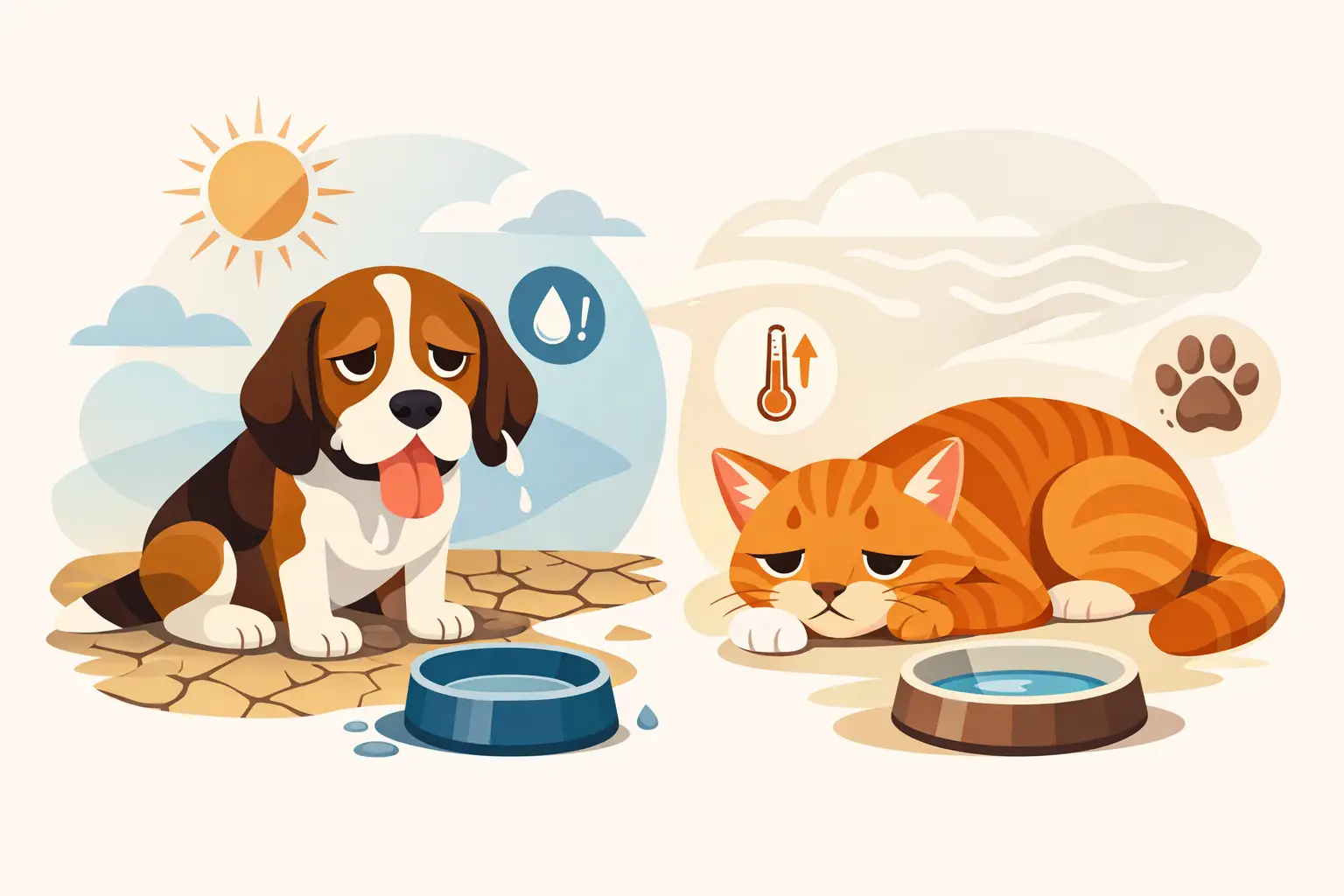
A dog who suddenly seems tired on an afternoon walk, or a cat who stops visiting the water bowl, can go from mildly dehydrated to medically fragile faster than many pet owners expect. Knowing the warning signs of pet dehydration helps you act early, before simple fluid loss turns into a more serious problem.
Dehydration happens when a pet loses more fluids than they take in. That can happen during hot Southern California weather, after vomiting or diarrhea, during a fever, or when pain or illness makes a pet stop eating and drinking normally. Puppies, kittens, senior pets, and animals with chronic medical conditions often have less room for error.
Why dehydration can become serious quickly
Water supports nearly every major body function. It helps regulate temperature, circulate nutrients, support kidney function, lubricate joints, and keep organs working the way they should. When fluid levels drop, the body starts compensating. If the loss continues, blood flow can be affected, electrolytes can shift, and vital organs can come under strain.
That is why dehydration is not just about thirst. A pet can be dehydrated because they are overheated, but also because they are losing fluid through repeated vomiting, diarrhea, excessive panting, uncontrolled diabetes, kidney disease, or another underlying problem. In some cases, the real issue is not that a pet will not drink. It is that the body cannot keep up with what it is losing.
Common warning signs of pet dehydration
Some pets show obvious signs. Others become quiet and withdrawn, which is easy to miss if your dog is usually calm or your cat tends to hide when not feeling well. A change in normal behavior is often the first clue.
One of the most common warning signs is lethargy. A dehydrated pet may seem less interested in play, walks, meals, or interaction. They may sleep more than usual, move slowly, or seem weak when they stand up.
Dry or tacky gums are another sign. Healthy gums are usually moist and slick. If your pet’s gums feel sticky or dry, dehydration is more likely. Some pets may also have thicker saliva.
Sunken-looking eyes can appear when dehydration becomes more pronounced. This tends to be a more concerning sign and should not be brushed off, especially if it appears along with vomiting, diarrhea, or weakness.
Loss of skin elasticity can help, but it is not a perfect test. If you gently lift the skin over your dog or cat’s shoulders, it should usually settle back quickly. In a dehydrated pet, it may return more slowly. That said, age, body condition, and breed can affect this. A senior pet may naturally have less skin elasticity, so this sign works best as one piece of the picture, not the whole answer.
Panting and rapid breathing can also point to trouble, especially in dogs. Heavy panting after exercise may be normal for a short period. Panting that seems excessive, continues after rest, or appears with weakness or drooling deserves attention.
Other warning signs of pet dehydration include decreased appetite, reduced urination, darker urine, constipation, and a noticeably dry nose or mouth. Cats may be especially subtle. Instead of obvious thirst, you might notice hiding, low energy, or a sudden drop in grooming.
When dehydration is an emergency
It depends on the cause, the speed of fluid loss, and your pet’s age and overall health. A healthy adult dog who was active in the heat may improve quickly once cooled and offered water. A puppy with repeated diarrhea can become dangerously dehydrated much faster.
Call your veterinarian right away if your pet is not keeping water down, has ongoing vomiting or diarrhea, appears weak or disoriented, collapses, has pale gums, or seems to be breathing abnormally. These signs can point to more than simple dehydration and may require prompt medical care.
Heat-related illness is especially urgent. If your dog has been outside in warm weather and is panting heavily, drooling, stumbling, vomiting, or acting distressed, that is not a wait-and-see situation. Move them to a cool area and contact a veterinary team immediately.
What causes dehydration in cats and dogs
Hot weather and overexertion are common causes, but they are far from the only ones. Gastrointestinal illness is one of the biggest reasons pets become dehydrated. Even a day of vomiting or diarrhea can lead to meaningful fluid loss.
Pets recovering from surgery, dental procedures, or illness may drink less because they feel nauseated, painful, or tired. Some chronic conditions, including kidney disease, diabetes, and hormone-related disorders, can make dehydration more likely. Certain medications can affect fluid balance too.
Cats are naturally less enthusiastic drinkers than many dogs, which can put them at a disadvantage. If a cat is stressed, painful, or dealing with urinary or kidney problems, dehydration may develop quietly.
What you can do at home
If your pet is alert, able to swallow normally, and only mildly affected, offer fresh, cool water and encourage small amounts at a time. Do not force large volumes all at once, especially if vomiting is part of the problem. Too much too quickly can make nausea worse.
Move your pet to a cool, shaded, or air-conditioned space if heat played a role. Let them rest. For dogs, stopping exercise immediately matters. For cats, reduce stress and keep the environment quiet.
Wet food can help increase fluid intake in some cases, particularly for cats or dogs who are eating but not drinking much. Still, home care is only appropriate if signs are mild and improving. If your pet refuses water, seems worse, or has any ongoing illness, they need veterinary guidance.
Avoid guessing with sports drinks or home remedies. Some products made for people contain ingredients or sugar levels that are not appropriate for pets. The safest next step is usually a call to your veterinarian.
How veterinarians assess dehydration
A veterinary exam helps determine not only whether a pet is dehydrated, but why. That distinction matters. Rehydrating a pet is important, but treating the underlying cause is what prevents the problem from returning.
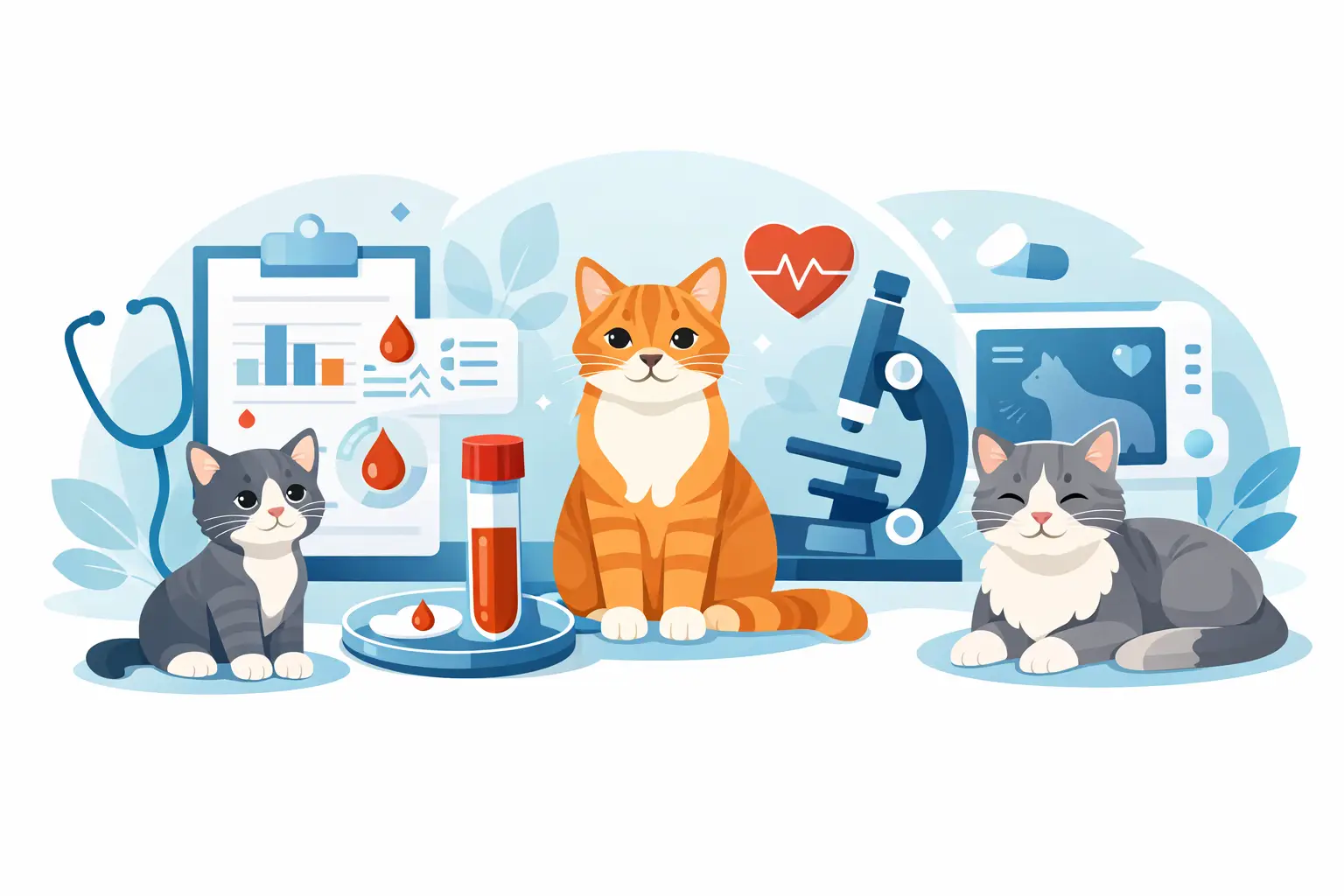
Your veterinarian may assess gum moisture, heart rate, body temperature, skin elasticity, weight changes, and overall alertness. Bloodwork and other diagnostics can help identify infection, kidney issues, metabolic disease, or electrolyte imbalances. In more serious cases, fluid therapy may be given under the skin or through an IV, depending on how unstable the patient is and how quickly support is needed.
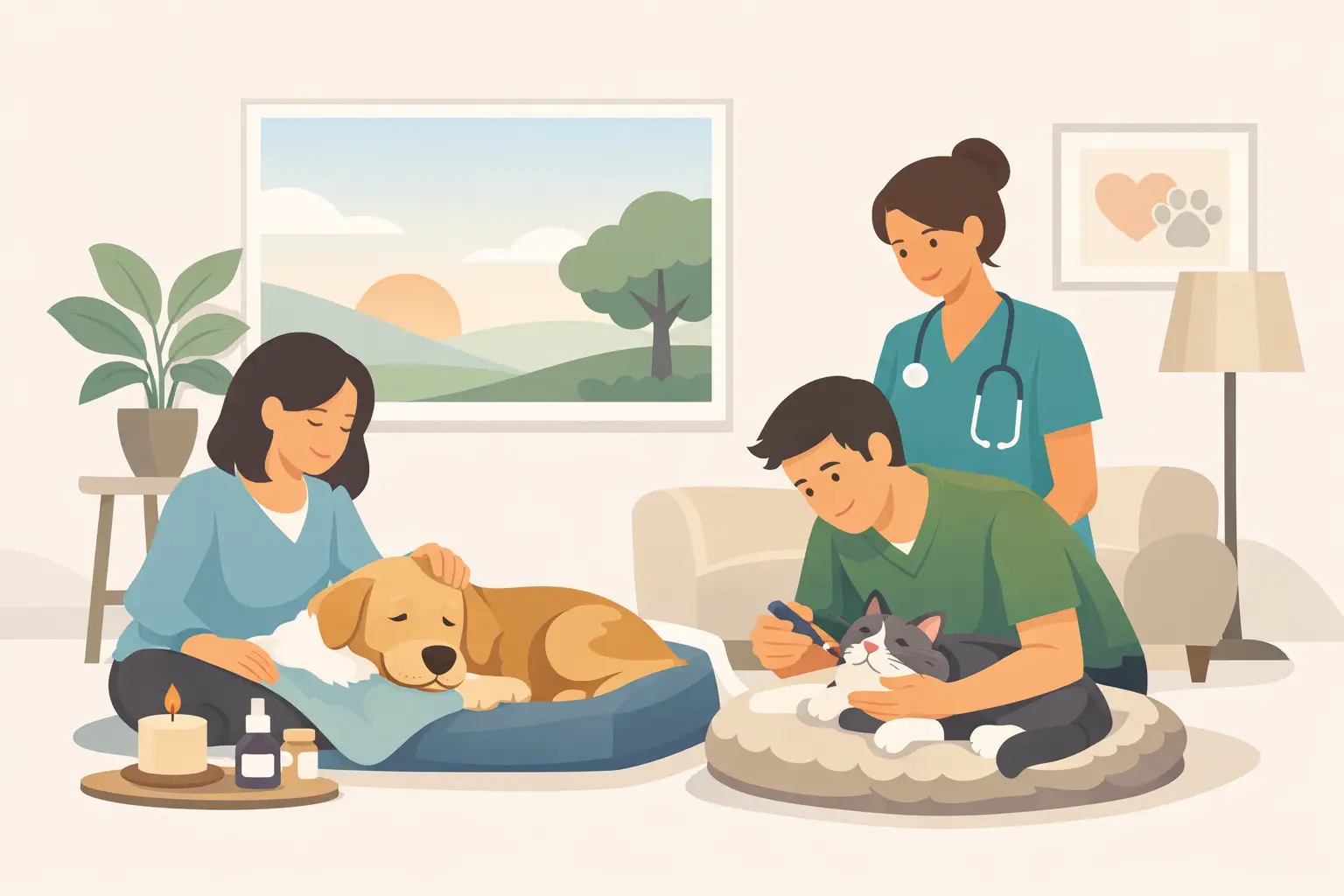
At All Creatures Veterinary Center, this kind of evaluation is part of looking at the whole patient, not just the symptom in front of us. A pet who seems simply tired may actually need diagnostics, monitoring, and a more tailored treatment plan.
Preventing dehydration before it starts
Prevention is not complicated, but it does require consistency. Make sure your pet always has access to clean water, and check bowls more often during hot weather. Some dogs drink heavily after activity, while others need reminders and rest breaks before they will drink enough.
For cats, water fountains, multiple water stations, and canned food can help increase daily intake. For dogs who exercise outdoors, avoid the hottest part of the day and bring water on walks, hikes, or park visits.
If your pet is sick, recovering from a procedure, or taking new medication, pay closer attention to water intake and bathroom habits. This is one of those situations where small changes matter. Drinking less, urinating less, skipping meals, or acting a little quieter than normal can be early clues that something is off.
A simple rule for pet owners
If you are wondering whether your pet is dehydrated, do not focus on one sign alone. Look at the full picture – energy level, appetite, gums, breathing, recent vomiting or diarrhea, heat exposure, and any sudden change in behavior. Mild dehydration may be manageable early, but it can shift quickly, especially in young, senior, or medically vulnerable pets.
When in doubt, call. A quick conversation can help you decide whether home monitoring is reasonable or whether your pet should be seen promptly. Peace of mind matters, and early care is often simpler, safer, and less stressful for everyone involved.
Your pet cannot tell you they feel dried out, dizzy, or weak. They count on you to notice the subtle changes first, and that attention can make all the difference.