A cat who suddenly stops eating for even a few days can go from “just picky” to medically fragile faster than many pet owners realize. Hepatic lipidosis, often called fatty liver disease, is one of the clearest examples. It is a serious condition seen most often in cats, and it needs prompt veterinary attention.
For families in Newhall, Santa Clarita, and nearby communities, the hardest part is that the first signs can look vague. A cat may seem quieter than usual, skip meals, hide more, or lose weight. Those changes may not feel dramatic at first, but with hepatic lipidosis, waiting can make treatment more difficult and recovery more prolonged.
What is hepatic lipidosis?
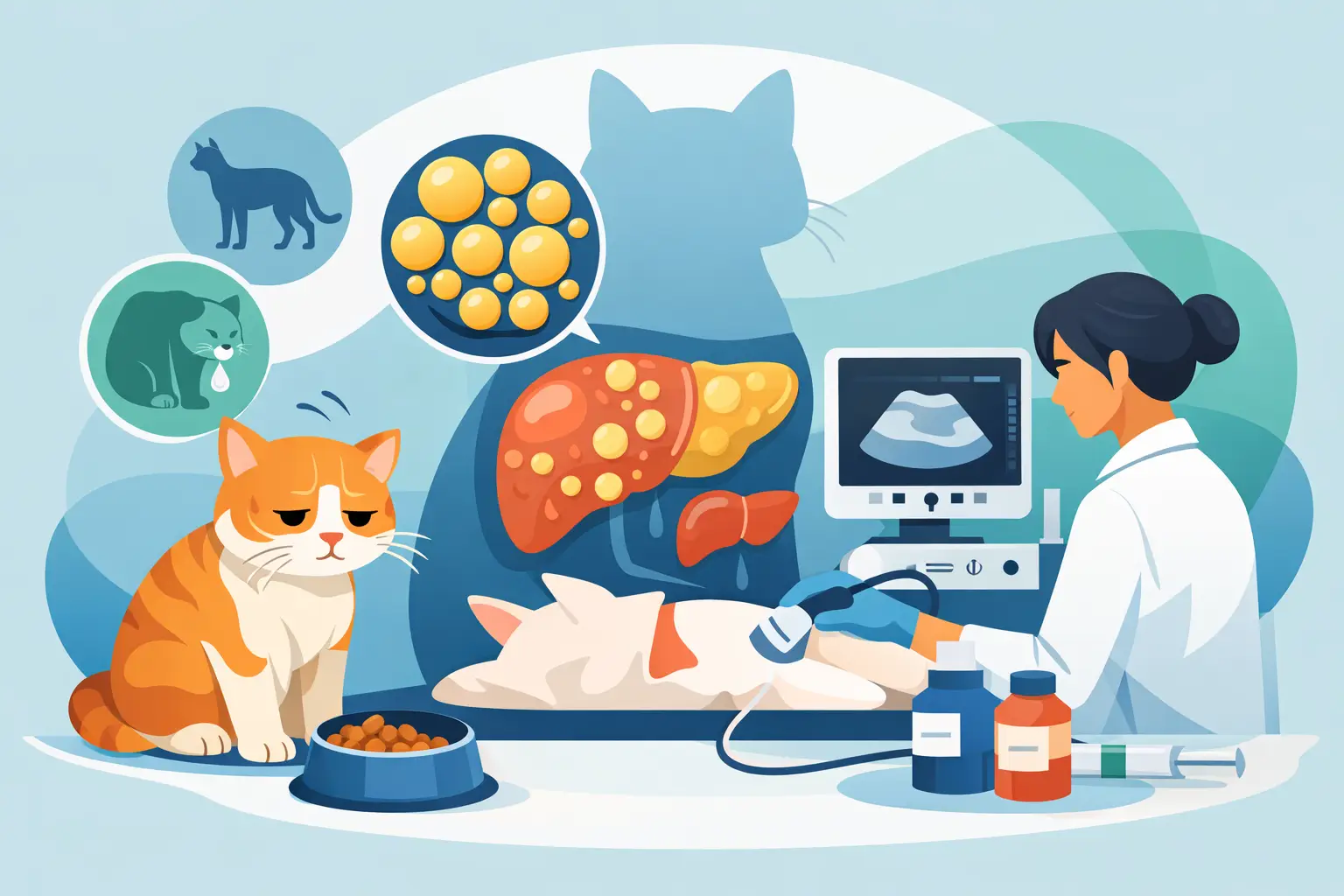
Hepatic lipidosis happens when too much fat accumulates inside the liver cells. The liver normally helps process nutrients, remove toxins, and support digestion. When a cat stops eating or does not eat enough, the body starts mobilizing fat stores for energy. In some cats, the liver cannot handle that sudden influx of fat efficiently, and the organ begins to struggle.
This is why the condition is so closely tied to poor appetite and rapid weight loss. Cats are unique in how their metabolism responds to fasting. A dog that misses a meal is usually not facing the same level of risk. In cats, especially overweight cats, even a short period of inadequate food intake can trigger a dangerous chain reaction.
Hepatic lipidosis may develop on its own, but more often there is an underlying reason a cat stopped eating in the first place. Dental pain, gastrointestinal disease, stress, pancreatitis, diabetes, cancer, kidney disease, or a recent household change can all play a role. Sometimes owners notice the appetite loss first and the underlying illness second.
Signs of hepatic lipidosis to watch for
Cats are very good at masking illness, which is one reason this condition can advance before it is recognized. The most common red flag is a decreased appetite or complete refusal to eat. That may be followed by weight loss, lethargy, vomiting, drooling, diarrhea, weakness, or a cat who seems withdrawn and less interactive.
As the liver becomes more affected, jaundice may appear. This is a yellow tint to the gums, skin, whites of the eyes, or inside the ears. Not every owner will spot jaundice right away, especially in a dark-coated cat, but when it is present, it is a strong sign that something serious is happening.
Some cats also develop dehydration, muscle loss, or changes in behavior. If your cat has gone more than a day without eating normally, or is eating far less than usual, that alone is enough reason to call your veterinarian. With hepatic lipidosis, early intervention matters.
Why cats develop hepatic lipidosis
The short answer is that cats do not tolerate prolonged calorie restriction well. The longer answer is more nuanced. Many cats with hepatic lipidosis are overweight before the illness starts, so they have larger fat reserves. When they stop eating, those fat stores are mobilized rapidly. The liver becomes overloaded trying to process the fat, and normal liver function begins to break down.
That does not mean only overweight cats are at risk. Any cat with a major drop in food intake can develop it. Stress is sometimes a factor, too. A move, new baby, boarding stay, construction noise, another pet in the home, or even a sudden diet change can reduce appetite enough to start the problem. In other cases, the trigger is clearly medical, such as nausea, pain, infection, or inflammation.
This is one reason home observation has limits. A cat who seems simply finicky may actually be nauseated, painful, or metabolically unstable. If appetite has changed for more than a brief period, an exam is the safest next step.
How veterinarians diagnose hepatic lipidosis
Diagnosis starts with a physical exam, a discussion of recent eating habits, and a careful look for dehydration, jaundice, body condition changes, and signs of another illness. Bloodwork often shows liver abnormalities, but testing is not just about confirming fatty liver disease. It is also about finding the reason the cat stopped eating.
Depending on the case, diagnostics may include a complete blood count, chemistry panel, urinalysis, and imaging such as ultrasound or X-rays. Advanced imaging can help evaluate the liver and look for pancreatitis, intestinal disease, masses, or other abdominal problems. In some cases, sampling the liver helps confirm the diagnosis.
Because hepatic lipidosis is often part of a bigger picture, treatment planning depends on more than one test result. A cat with fatty liver disease plus pancreatitis needs a different plan than a cat whose appetite crash began after a stressful move. Both are serious, but the full medical context shapes the best path forward.
Treatment for hepatic lipidosis
The cornerstone of treatment is nutritional support. Cats with hepatic lipidosis need adequate calories, and they often will not recover if they continue to eat too little. This is why treatment can be more involved than many owners expect. Appetite stimulants may help in mild cases, but they are often not enough on their own.
Many cats need hospitalization, IV fluids, anti-nausea medication, pain control, vitamin supplementation, and close monitoring. If a cat is not eating enough voluntarily, assisted feeding becomes essential. In many cases, a feeding tube offers the safest and most reliable way to provide nutrition while the liver recovers.
That idea can sound intimidating at first, but feeding tubes are often a turning point. They reduce the stress of trying to force food by mouth, allow precise calorie support, and make it easier to give medications. For many families, the tube looks more alarming than it really is. With guidance, home tube feeding can become very manageable.
Treatment also includes addressing the underlying cause. If dental disease is causing pain, that problem needs attention. If imaging suggests pancreatitis, inflammatory bowel disease, or another systemic issue, those conditions need to be treated alongside the liver disease. Recovery is possible, but it usually requires commitment, follow-up, and patience.
What recovery looks like
Hepatic lipidosis is serious, but many cats improve with timely care. Recovery is rarely instant. It often takes weeks of nutritional support, medication, rechecks, and gradual return of appetite. Some cats begin acting brighter before they are ready to eat enough on their own, so ongoing monitoring remains important even when they seem better.
Owners should expect repeat exams and bloodwork to track liver values, hydration, weight, and overall progress. The pace of recovery depends on how advanced the condition is, how quickly treatment began, and whether another illness is present. A cat with uncomplicated hepatic lipidosis may improve more predictably than a cat also dealing with diabetes, cancer, or chronic gastrointestinal disease.
This is where individualized care matters. There is no one-size-fits-all timeline. Some cats need relatively short-term support. Others need a longer recovery plan with nutrition management, imaging, and serial lab work.
Can hepatic lipidosis be prevented?
Not every case is preventable, but many can be caught earlier or avoided with prompt action. The biggest rule is simple: never ignore appetite loss in a cat. If your cat has eaten little to nothing for 24 hours, or has had a clear drop in intake for a couple of days, call your veterinarian.
Prevention also means managing weight safely. Overweight cats should lose weight only under veterinary guidance, because overly fast dieting can be dangerous. Gradual, supervised weight loss is far safer than dramatic calorie restriction. If you are changing foods, do it slowly. If your cat is stressed by environmental changes, reducing that stress may help protect appetite.
Routine veterinary care also plays a role. Problems like dental disease, kidney disease, diabetes, and digestive disorders are easier to manage when identified early. The sooner the reason for appetite loss is found, the lower the risk of secondary complications like hepatic lipidosis.
When to call for help
If your cat is not eating, seems weak, is vomiting, hiding, losing weight, or showing any yellow discoloration of the eyes or gums, do not wait to see if it passes. Hepatic lipidosis can worsen quickly, and early treatment gives cats a much better chance at recovery.
At All Creatures Veterinary Center, we know how upsetting it is when your cat suddenly stops acting like themselves. Clear answers, in-house diagnostics, and a treatment plan tailored to your pet can make a frightening situation feel more manageable. If you are worried about your cat’s appetite or any possible signs of liver disease, reaching out sooner is one of the kindest decisions you can make.