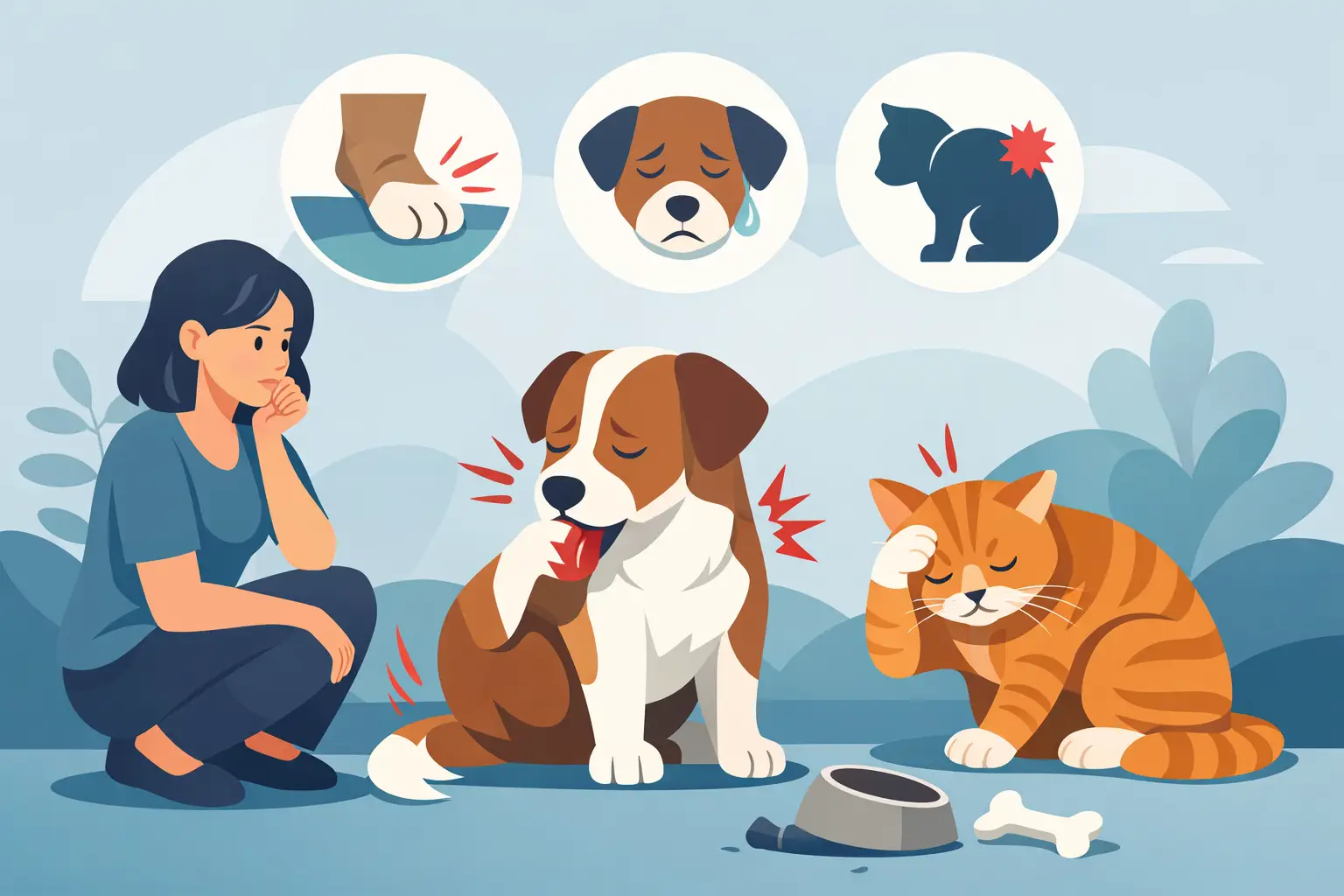
A senior dog who no longer greets you at the door, a cat who has stopped enjoying a sunny windowsill, or a pet living with a serious diagnosis can leave families facing hard questions. Pet hospice care options are not about giving up on a beloved companion. They are about choosing comfort, dignity, and thoughtful medical support when curing an illness is no longer realistic or when treatment would place too much burden on your pet.
For families in Newhall, Santa Clarita, and surrounding communities, hospice care can offer a clearer path through an emotional time. Your veterinary team can help you understand what your pet is feeling, which symptoms can be managed, and how to make decisions based on your pet’s daily quality of life rather than a single good or difficult day.
What Pet Hospice Care Means
Pet hospice is comfort-focused veterinary care for animals with life-limiting illness, progressive decline, advanced age, or chronic pain that cannot be fully resolved. The goal is not to extend life at any cost. Instead, it is to preserve comfortable, meaningful time while helping families prepare for the changes ahead.
A hospice plan is individualized. A dog with arthritis and mobility loss may need pain relief, rehabilitation support, and help getting safely around the house. A cat with kidney disease may need nausea control, hydration guidance, appetite support, and regular monitoring. A pet with cancer may benefit from symptom relief even if surgery, chemotherapy, or other curative treatment is no longer the right fit.
Hospice can happen at home with guidance from your veterinarian, through scheduled visits at the hospital, or through a combination of both. The best setting depends on your pet’s condition, the care they need, and what your household can reasonably manage.
Pet Hospice Care Options to Consider
The right plan often includes several layers of support. Your veterinarian will consider your pet’s diagnosis, pain level, appetite, mobility, personality, and response to treatment before recommending next steps.
Comfort and pain management
Pain is not always obvious. Pets may hide discomfort by becoming quiet, sleeping more, avoiding stairs, panting at rest, withdrawing from touch, or seeming restless at night. Cats in particular can be very subtle when they are hurting.
Veterinary pain management may include medications for inflammation, nerve pain, anxiety, nausea, or other symptoms affecting comfort. Treatment plans may need adjustments as a disease progresses. What helped a pet several weeks ago may no longer provide enough relief, which is why ongoing communication and rechecks matter.
For some pets, complementary therapies can help support comfort and function. Rehabilitation, carefully selected mobility exercises, and treatments such as laser therapy may be appropriate in certain cases. These options are not a replacement for medical pain control, but they can be part of a broader plan when they reduce strain and help a pet move more comfortably.
Help with eating, hydration, and daily routines
Loss of appetite can be distressing for families, but it is not always a sign that a pet is ready for euthanasia. Nausea, pain, constipation, dental disease, medication side effects, and changes in smell or taste can all affect eating. A veterinary exam and diagnostics may identify a treatable cause or suggest ways to make meals more appealing and easier to manage.
Hospice guidance may include offering smaller meals, warming food, changing texture, using prescription diets when appropriate, or discussing appetite and anti-nausea medications. Your veterinarian can also explain whether hydration support is suitable and teach you what signs of dehydration or discomfort to watch for.
Simple home changes can make a real difference. Non-slip rugs, ramps, orthopedic bedding, low-entry litter boxes, and easy access to food and water can protect a pet’s energy for the parts of the day they still enjoy. For larger dogs, a support sling may make trips outside safer and less painful.
Monitoring quality of life
Quality of life is the center of hospice decision-making, but it can feel difficult to measure when emotions are high. Families often focus on one behavior, such as whether a pet ate breakfast. A better approach is to look at the overall pattern across several days.
Consider whether your pet can rest comfortably, breathe easily, eat and drink enough to feel well, move without severe distress, stay clean, and enjoy some connection with you. That connection may look different than it once did. A dog may only want to sit beside you for a few minutes. A cat may purr during gentle brushing but no longer seek out play. Those moments still matter.
Keeping a daily journal can bring perspective. Record appetite, mobility, sleep, bathroom habits, pain signs, interest in family, and good moments. If difficult days are regularly outnumbering comfortable ones, or if your pet can no longer experience the things that make life feel like their own, it may be time for a more urgent conversation with your veterinarian.
Ongoing veterinary guidance
Hospice is not a one-time appointment. Conditions can change quickly, and families should not have to guess whether a new symptom is expected, manageable, or an emergency. Regular check-ins allow the care plan to evolve and give you a chance to ask direct questions about prognosis, medications, and what to expect next.
At All Creatures Veterinary Center, a hospice discussion can include a full assessment of your pet’s comfort and medical needs. In-house diagnostics, bloodwork, imaging, and access to advanced medical services can be helpful when a new symptom appears and you need to know whether it is treatable. Sometimes a pet thought to be declining has a condition that can be eased with a change in medication or targeted treatment. Other times, testing confirms that comfort-focused care is the kindest direction.
When Hospice May Not Be Enough
Hospice care is appropriate only when symptoms can be kept under reasonable control. If your pet is experiencing unrelenting pain, severe breathing difficulty, repeated collapse, uncontrolled vomiting or diarrhea, inability to stand or eliminate normally, or panic and distress that cannot be relieved, contact a veterinarian promptly. These signs may require urgent medical attention and a discussion about humane euthanasia.
Choosing euthanasia is one of the most painful decisions a pet parent can make, and it is also a compassionate medical choice when suffering cannot be adequately managed. Planning that conversation before a crisis can help. Ask your veterinary team what the process involves, how to recognize when the time may be near, and what aftercare and cremation options are available. Knowing the plan does not force a decision. It simply gives your family support when clear thinking is hardest.
Supporting Your Family Through Hospice Care
Hospice affects the whole household. Children may need honest, age-appropriate explanations that their pet is sick and that the family is focused on keeping them comfortable. Other pets may notice changes in routine or react to a companion’s decline. Try to preserve familiar rituals where possible, whether that is a quiet evening on the couch, gentle grooming, or a favorite spot in the yard.
You do not need to make every day extraordinary. Often, the most meaningful care is ordinary: clean bedding, a favorite treat if medically appropriate, help getting outside, and the reassurance of being close to the people who love them. Give yourself permission to ask for help with medication schedules, lifting, or transportation if caregiving becomes physically or emotionally overwhelming.
A compassionate hospice plan makes room for both medical judgment and love. Speak with your veterinarian early, share what matters most to your pet and family, and let each decision be guided by comfort, honesty, and the bond you have built together.