It usually happens at the worst time. Your dog wakes up limping on a Sunday morning, or your cat starts vomiting after dinner, and suddenly you are stuck making a decision fast: urgent care vs emergency vet. Knowing where to go can save valuable time, reduce stress, and help your pet get the right level of care without unnecessary delays.
For many pet owners, the confusion is completely understandable. Both urgent care and emergency veterinary services treat problems that should not wait for a routine appointment. The difference is in how severe the problem is, how quickly it is progressing, and what level of monitoring, equipment, and intervention may be needed.
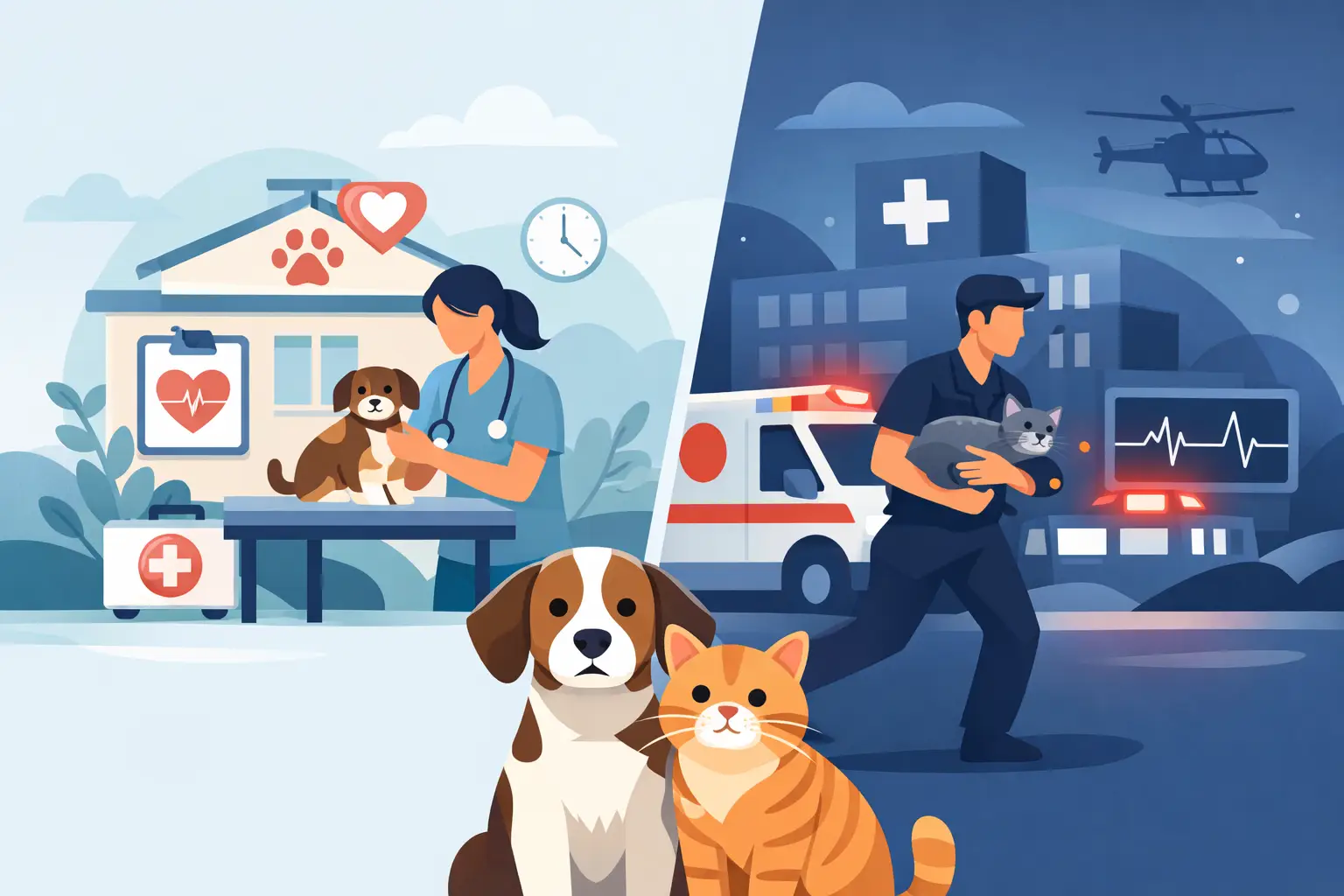
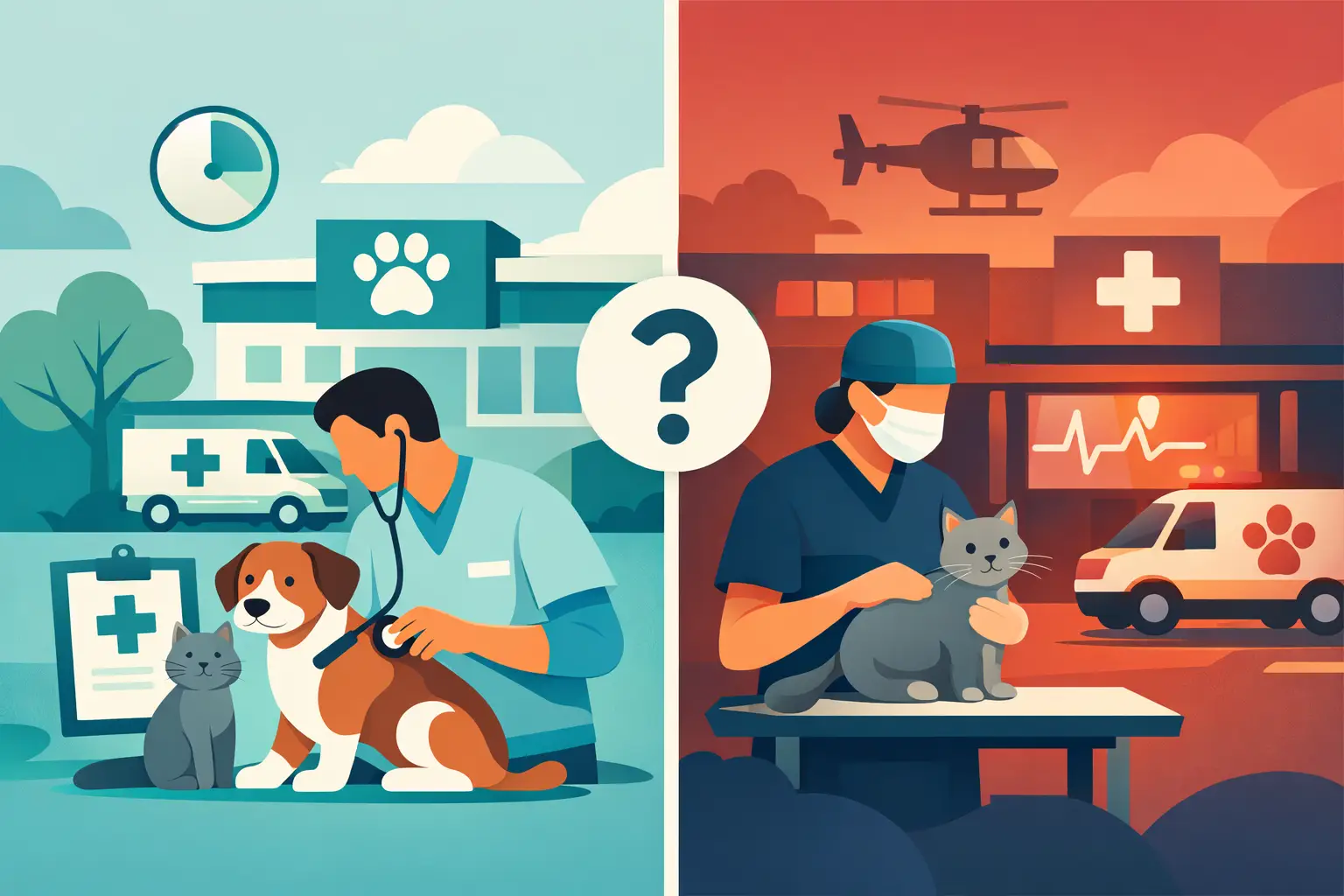
Urgent care vs emergency vet: the basic difference
Think of urgent care as the middle ground between a standard appointment and a life-threatening crisis. Urgent care is designed for conditions that need prompt medical attention, often the same day, but are not immediately threatening your pet’s life or long-term stability.
Emergency veterinary care is for situations where every minute matters. These are cases involving major trauma, severe breathing issues, collapse, uncontrolled bleeding, active seizures, or any condition that could rapidly become fatal without immediate treatment.
The challenge, of course, is that not every situation looks dramatic at first. A pet can seem merely uncomfortable and still be in real danger. That is why severity matters more than your pet’s ability to stay quiet or act brave.
When urgent care is usually the right choice
Urgent care is often appropriate when your pet is clearly unwell, painful, or uncomfortable, but still stable. They are breathing normally, responsive, able to stand or move, and not showing signs that their body is shutting down.
Common examples include vomiting or diarrhea that has lasted several hours, limping without obvious broken bones, ear infections, eye irritation, coughing, skin wounds that are not heavily bleeding, allergic reactions with mild facial swelling, painful urination, or sudden appetite loss.
These problems still deserve attention quickly. A limp could be a soft tissue injury or something more serious. Vomiting could be simple stomach upset, or the first sign of pancreatitis, toxin exposure, or an intestinal blockage. Urgent care helps close that gap between waiting and overreacting.
In many community-based veterinary hospitals, urgent cases can also benefit from continuity. If the same team handles wellness care, diagnostics, imaging, and follow-up, you are less likely to repeat your pet’s history across multiple locations. That can be especially helpful when a problem turns out to need rechecks, surgery, or ongoing treatment.
When to go straight to an emergency vet
If your pet is having trouble breathing, collapses, has a bloated or painful abdomen, experiences repeated seizures, cannot use the hind legs suddenly, or has major trauma from a car accident or fall, do not wait to see if it improves. Those are emergency situations.
The same goes for uncontrolled bleeding, heatstroke, severe toxin exposure, choking, pale or blue gums, loss of consciousness, or straining to urinate without producing urine, especially in male cats. A urinary blockage can become life-threatening quickly.
This is where emergency hospitals play a critical role. They are built for intensive care, overnight monitoring, advanced stabilization, and the highest-acuity cases. If your pet may need oxygen support, blood transfusions, continuous monitoring, or immediate surgery in the middle of the night, an emergency hospital is usually the right destination.
The gray area that causes the most stress
Not every case fits neatly into a category. That is where pet owners often feel frozen.
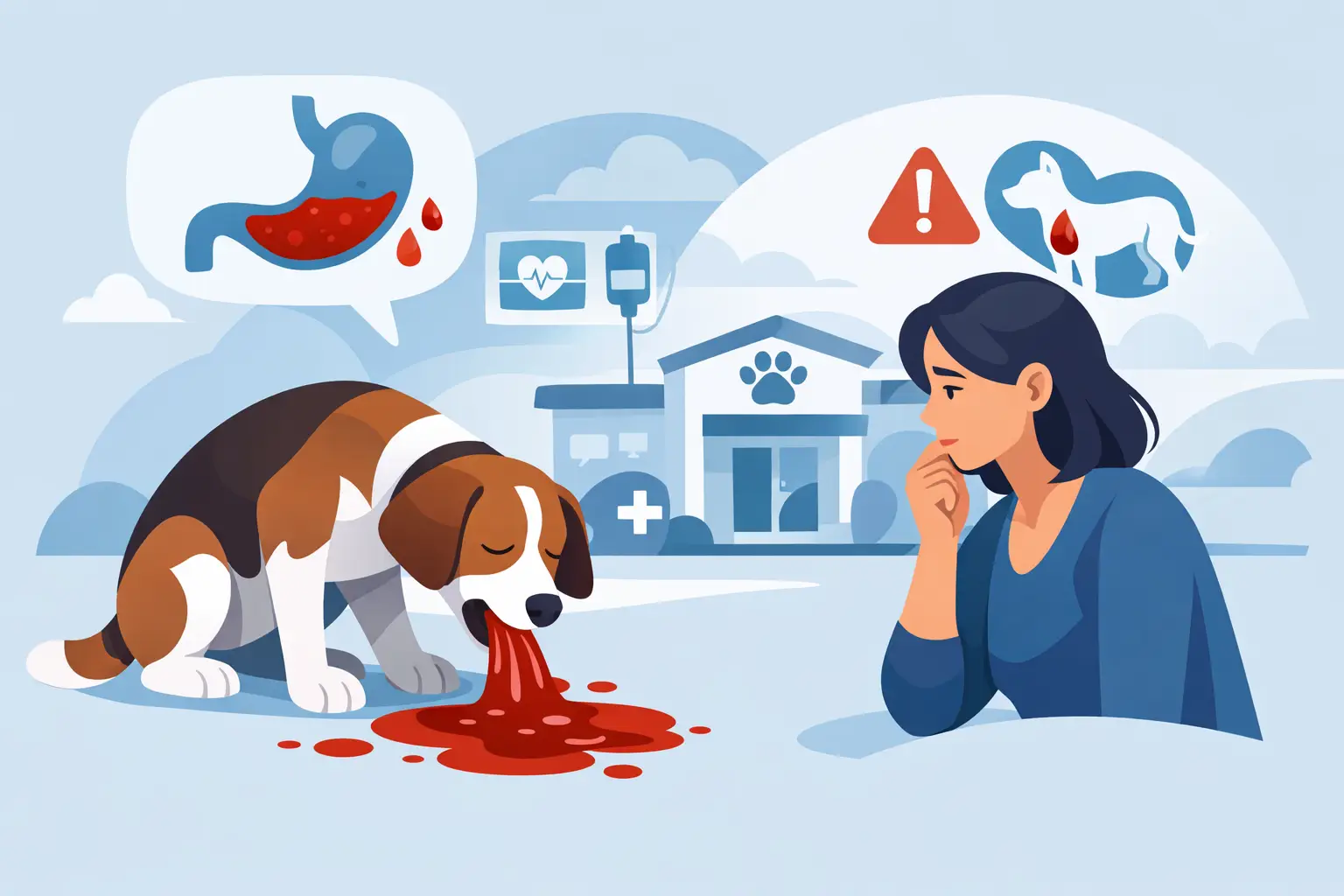
Take persistent vomiting. If your dog throws up once but then acts normal, that may be something to watch closely. If your dog vomits multiple times, seems lethargic, cannot keep water down, or has a swollen belly, the situation becomes more urgent. If there is blood, collapse, or signs of pain, it may cross into emergency territory.
The same is true for limping. Mild weight-bearing lameness after play may be urgent but not emergent. A leg hanging abnormally, obvious intense pain, or inability to stand is different.
This is why a quick phone call matters. A veterinary team can ask about breathing, gum color, alertness, mobility, eating and drinking, toxin exposure, and timing of symptoms. Those details help determine whether your pet should be seen right away, seen the same day, or monitored at home until the next available appointment.
Cost differences and why they exist
Many pet owners quietly wonder whether urgent care is simply the less expensive version of emergency care. Sometimes it is, but the bigger issue is matching your pet’s needs to the setting.
Urgent care visits are often less expensive because they typically involve stable patients, shorter stays, and fewer intensive interventions. Emergency hospitals usually have higher fees because they maintain round-the-clock staffing, advanced emergency equipment, and the ability to manage critical cases at any hour.
That said, choosing the wrong setting can create its own costs. If a pet in true distress goes to a clinic that is not equipped for advanced stabilization, valuable time may be lost in transfer. On the other hand, bringing a stable but uncomfortable pet to an emergency hospital for a problem that could be handled through urgent care may result in a higher bill than necessary.
Transparent communication helps here. Ask what level of exam, diagnostics, imaging, or treatment may be recommended and what the expected range of costs looks like. Most pet owners do better when they understand not just the price, but the reason behind it.
What services can overlap
This is where things can get confusing. Some full-service veterinary hospitals can manage many urgent problems in-house and may also provide emergency and trauma care during business hours. That can include diagnostics, bloodwork, ultrasound, X-rays, wound treatment, surgery, pain control, and monitoring.
For families in Santa Clarita and nearby communities, that kind of broad capability can be a major advantage. If your pet needs same-day evaluation for a sudden illness or injury, having access to a familiar team and advanced tools in one location can make a stressful day feel more manageable.
Still, there are limits based on timing and severity. Overnight critical care, highly unstable patients, or conditions needing around-the-clock intensive monitoring may still be more appropriate for a dedicated emergency hospital. Good veterinary care is not about pretending every clinic is the right fit for every crisis. It is about getting your pet to the place best equipped to help.
How to decide in the moment
When you are scared, start with three questions. Is my pet breathing normally? Is my pet conscious, responsive, and able to stand or move? Is there severe bleeding, severe pain, collapse, seizure activity, or a rapidly worsening condition?
If the answer raises concern, call immediately while you are preparing to leave. Describe exactly what you see, not what you think it might be. Say, for example, “my cat is open-mouth breathing” or “my dog has vomited six times in two hours and now seems weak.” Specific observations help the veterinary team triage more accurately.
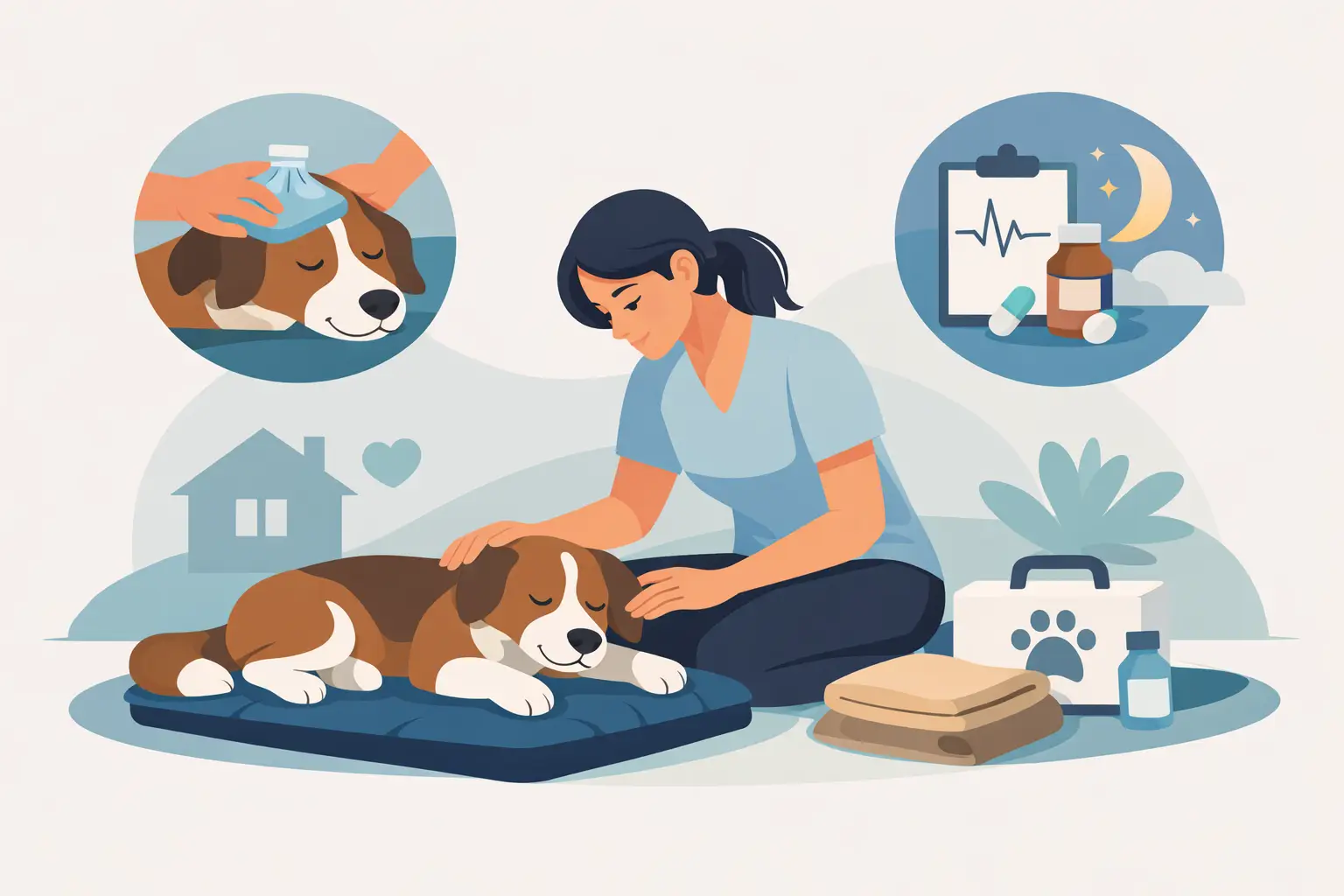
If you are transporting your pet, keep them as calm and still as possible. Bring any medication bottles, toxin packaging, photos of vomit or stool if relevant, and a timeline of symptoms. Those details can speed up diagnosis.
Why continuity of care matters after the urgent visit
The first visit is not always the end of the story. A pet seen for vomiting may need follow-up testing. A limp may need recheck imaging. A wound may require bandage changes, pain management, or surgery after initial stabilization.
This is one reason many families prefer an established relationship with a full-service veterinary hospital. When your care team knows your pet’s history, past lab work, chronic conditions, and normal behavior, decisions tend to be faster and more personalized. It also helps reduce the stress of starting from scratch when your pet is already uncomfortable.
At All Creatures Veterinary Center, that combination of compassionate guidance and advanced medical capability is part of what local pet owners value most. Routine wellness, diagnostics, urgent needs, surgery, and long-term support can work together instead of feeling disconnected.
The best plan is made before you need it
No one wants to research urgent care vs emergency vet while holding a sick pet at 10 p.m. A little preparation now goes a long way. Keep your regular veterinary hospital’s phone number easy to find, know its business hours, and ask ahead of time what kinds of urgent cases it can see. It is also smart to know the nearest after-hours emergency hospital before a crisis happens.
If your dog or cat seems off and you are not sure whether it can wait, trust your concern enough to call. Pet owners know when something is not right, even if they cannot name it yet. A calm conversation with a veterinary team can help you sort out what is urgent, what is emergent, and what your next step should be.
When your pet is part of the family, peace of mind comes from more than fast treatment. It comes from knowing you have a trusted place to turn, whether the problem is minor, serious, or somewhere in between.