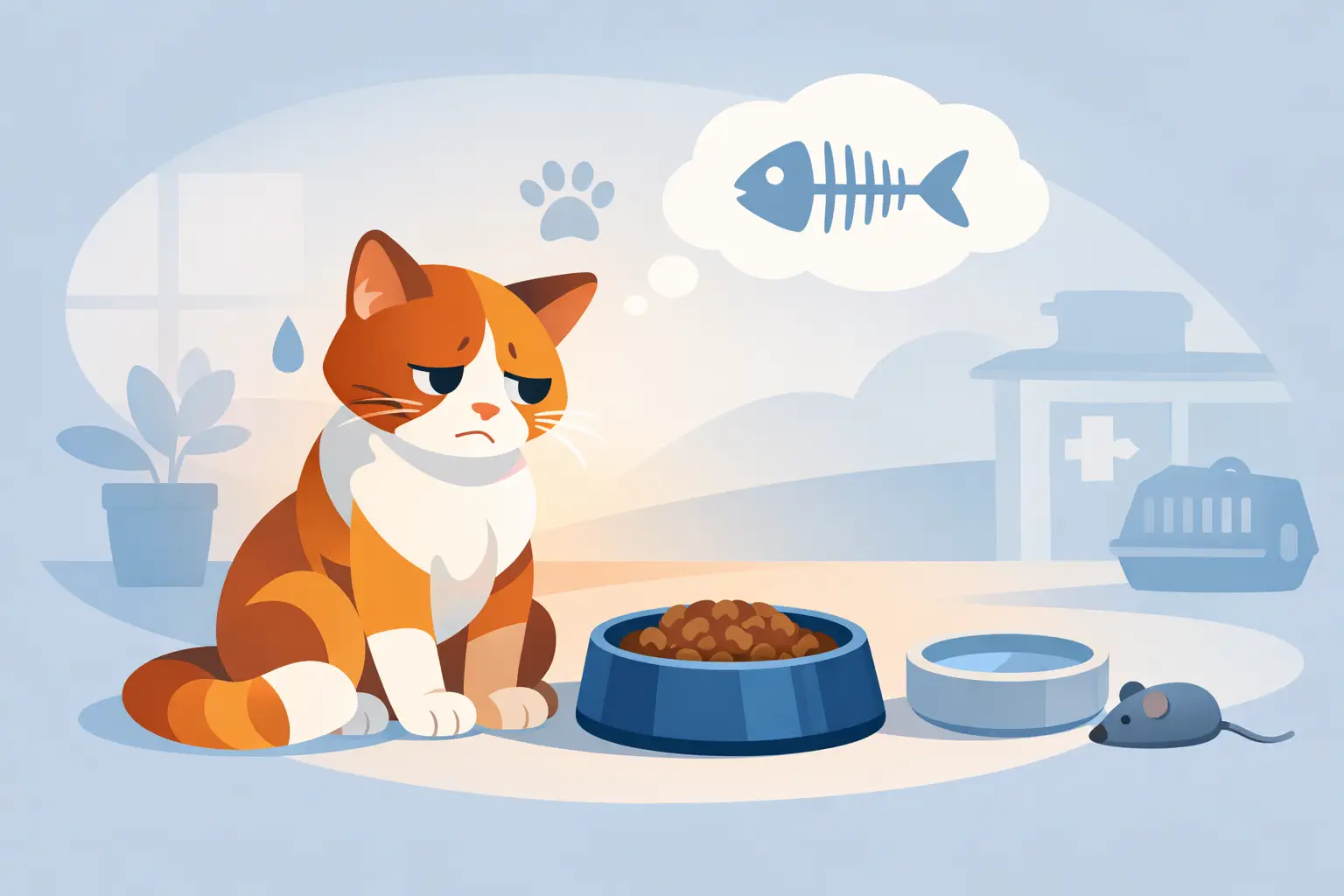
Dinner is usually one of the most predictable parts of a cat’s day. So when your cat not eating suddenly becomes the problem, it can feel alarming fast. A skipped meal might be minor, but a noticeable drop in appetite can also point to pain, illness, stress, or a medical emergency that needs prompt attention.
Cats are especially good at hiding discomfort. By the time appetite changes show up, there may already be an underlying issue worth checking. The key is not to panic, but not to wait too long either.
Why a cat not eating suddenly deserves attention
A healthy cat may occasionally eat less for a day, especially after a routine change, a new food, or mild stomach upset. But cats are not small dogs, and prolonged appetite loss carries real risk. When cats go without enough food, their bodies can start breaking down fat too quickly, which may lead to serious liver problems.
That risk is higher in overweight cats, senior cats, and cats with other health conditions. Even if your cat still seems quiet, alert, or interested in being near you, refusing food is never something to brush off for long.
A good question to ask is not just, “Did my cat eat?” but “How much, for how long, and what else has changed?” A cat who nibbles a little but stops eating treats, wet food, and regular meals is different from a cat who simply seems picky about one flavor.
Common reasons cats stop eating
Sometimes the cause is simple. Sometimes it is not. Appetite loss is a symptom, not a diagnosis.
Dental pain and mouth problems
One of the most common reasons a cat stops eating is pain in the mouth. Dental disease, a broken tooth, inflamed gums, oral ulcers, or even something stuck under the tongue can make chewing uncomfortable. Some cats approach the bowl, sniff the food, and walk away. Others try to eat but drop kibble or only lick gravy from wet food.
This is one reason appetite loss should not be dismissed as pickiness. A cat may be hungry and still avoid eating if it hurts.
Stomach and digestive upset
Nausea can make a cat refuse food quickly. This may happen with hairballs, intestinal inflammation, parasites, dietary indiscretion, constipation, pancreatitis, or other digestive issues. Some cats also drool, lip smack, hide, or vomit. Others just become quieter than usual.
Mild stomach upset can pass, but repeated vomiting, diarrhea, or a tense, painful belly calls for veterinary attention sooner rather than later.
Stress and environmental change
Cats are creatures of habit. A move, new baby, houseguests, loud home repairs, boarding, travel, a new pet, or even changing the feeding station can affect appetite. Stress-related appetite loss is real, but it should still be taken seriously. The challenge is that stress can also worsen medical problems that were already developing.
If your cat is hiding more, seems jumpy, or avoids normal routines, emotional stress may be part of the picture. It just should not be the only explanation you rely on without watching closely.
Illness affecting the whole body
A cat not eating suddenly can be one of the first signs of broader illness. Kidney disease, liver disease, diabetes, fever, infections, cancer, hyperthyroidism, and inflammatory conditions can all reduce appetite. In some cases, the appetite drop shows up before other symptoms are obvious.
Senior cats deserve extra caution here. Age itself does not cause appetite loss, but age-related disease often does.
Pain somewhere other than the mouth
Cats in pain often do not cry out. Arthritis, injury, abdominal pain, urinary problems, and post-trauma soreness may show up as hiding, reduced appetite, less grooming, or irritability. A cat with a urinary blockage, especially a male cat, may stop eating and also make frequent, unproductive trips to the litter box. That is an emergency.
Respiratory issues and loss of smell
Cats rely heavily on smell to engage with food. If your cat has nasal congestion from an upper respiratory infection, food may suddenly seem unappealing. These cats may sneeze, have watery eyes, or breathe noisily. Kittens, seniors, and cats with weaker immune systems can decline faster.
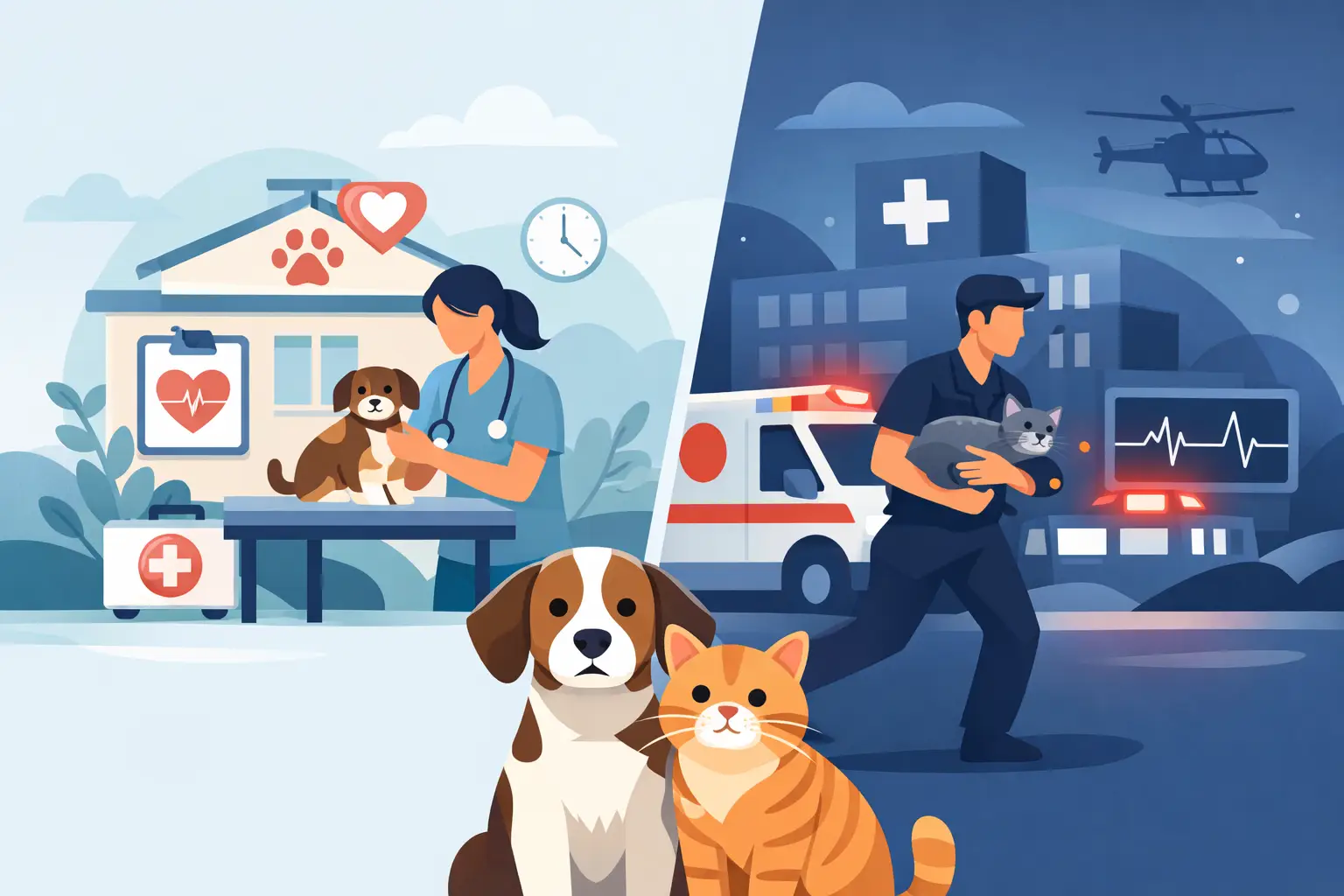
When to call the vet right away
There is no perfect one-size-fits-all rule, because age, medical history, and how much your cat has actually eaten all matter. Still, there are clear situations where waiting is not the best move.
Call your veterinarian promptly if your cat has not eaten for 24 hours, especially if this is unusual for them. Call sooner if your cat is a kitten, a senior, diabetic, overweight, or has an ongoing medical condition.
You should also seek care right away if appetite loss happens along with vomiting, diarrhea, lethargy, labored breathing, hiding, trouble urinating, drooling, swelling, weakness, pale gums, or signs of pain. A cat that cannot keep water down or seems suddenly collapsed needs urgent evaluation.
If your cat is eating less and less over several days, that also matters. A slow decline can still signal serious disease.
What you can do at home while you monitor
There are a few safe steps you can try early on, as long as your cat is otherwise stable and you are not seeing emergency signs.
Offer fresh food and water in a quiet area away from noise, other pets, and the litter box. If you normally feed dry food, try warmed wet food to increase smell and appeal. You can also offer your cat’s usual favorite canned variety if it agrees with their stomach. Small portions are often better than a full bowl sitting out all day.
Make sure whiskers are not touching deep bowl sides if your cat seems hesitant. Some cats prefer a shallow dish or plate. If stress may be involved, keep the routine predictable and avoid too many changes at once.
What you should not do is force-feed without veterinary guidance, give human medications, or assume treats alone solve the problem. If your cat refuses even highly appealing foods, that is useful information to share with your veterinary team.
What your veterinarian may look for
When a cat stops eating, the exam is about finding the reason, not just stimulating appetite. Your veterinarian will usually want to know when the change started, what your cat has eaten, whether there has been vomiting or litter box changes, and whether anything stressful or unusual happened recently.
A physical exam may focus on hydration, temperature, oral health, abdominal pain, weight, and signs of illness or injury. Depending on what is found, diagnostics may include bloodwork, urinalysis, fecal testing, X-rays, or ultrasound. Those tests help separate a temporary issue from something more serious that needs treatment.
In a full-service setting like All Creatures Veterinary Center, having diagnostics and advanced treatment options under one roof can make this process less stressful for both cats and their people. That matters when time counts and you want clear answers without bouncing between locations.
Treatment depends on the cause. Some cats need dental care, anti-nausea medication, fluids, pain relief, or a therapeutic diet. Others may need hospitalization, imaging, surgery, or ongoing management for a chronic condition. The right plan is individualized, because a stressed young cat with mild stomach upset is not the same case as an older cat with kidney disease or an intestinal blockage.
How to tell a minor issue from a serious one
This is where a lot of pet parents get stuck. Your cat may still be walking around, purring, or jumping onto the couch. That can make it tempting to wait and see. But cats often maintain normal-looking behavior longer than expected.
A useful way to think about it is pattern and intensity. One missed meal with otherwise normal behavior may justify close monitoring. Refusing multiple meals, avoiding favorite foods, or showing any additional symptom pushes the situation into vet-visit territory.
Trust your sense of what is normal for your cat. If your typically food-driven cat suddenly ignores breakfast, dinner, and treats, that change itself is meaningful.
Preventing future appetite problems when possible
Not every cause is preventable, but some are easier to head off with routine care. Regular wellness exams, dental evaluations, parasite prevention, and lab screening can catch problems before they become obvious at home. Cats are famous for subtle symptoms, which makes preventive medicine especially valuable.
It also helps to keep feeding routines consistent and watch for small shifts in appetite, water intake, body weight, and litter box habits. Those details may seem minor in the moment, but they often give your veterinary team the clues needed to act early.
When your cat stops eating, the goal is not to guess perfectly at home. It is to notice the change, respond calmly, and get help before a manageable problem becomes a larger one. If something feels off, it is always reasonable to call and ask what to do next. Peace of mind is part of good veterinary care, too.