A close cuddle should not make you turn your head away. If you are asking, “what causes bad dog breath,” the answer is often more than the food your dog ate or a temporary case of morning breath. Persistent odor can be one of the earliest signs of dental disease, pain, or an underlying health concern that deserves professional attention.
A healthy dog’s breath may not smell minty, but it should not be intensely foul, rotten, fishy, sweet, or chemical-like. Because dogs often continue eating and acting fairly normal even when their mouths hurt, a change in breath can be a valuable clue for pet parents. The good news is that many causes can be found and treated with a thorough veterinary exam and an individualized plan.
What Causes Bad Dog Breath in Most Dogs?
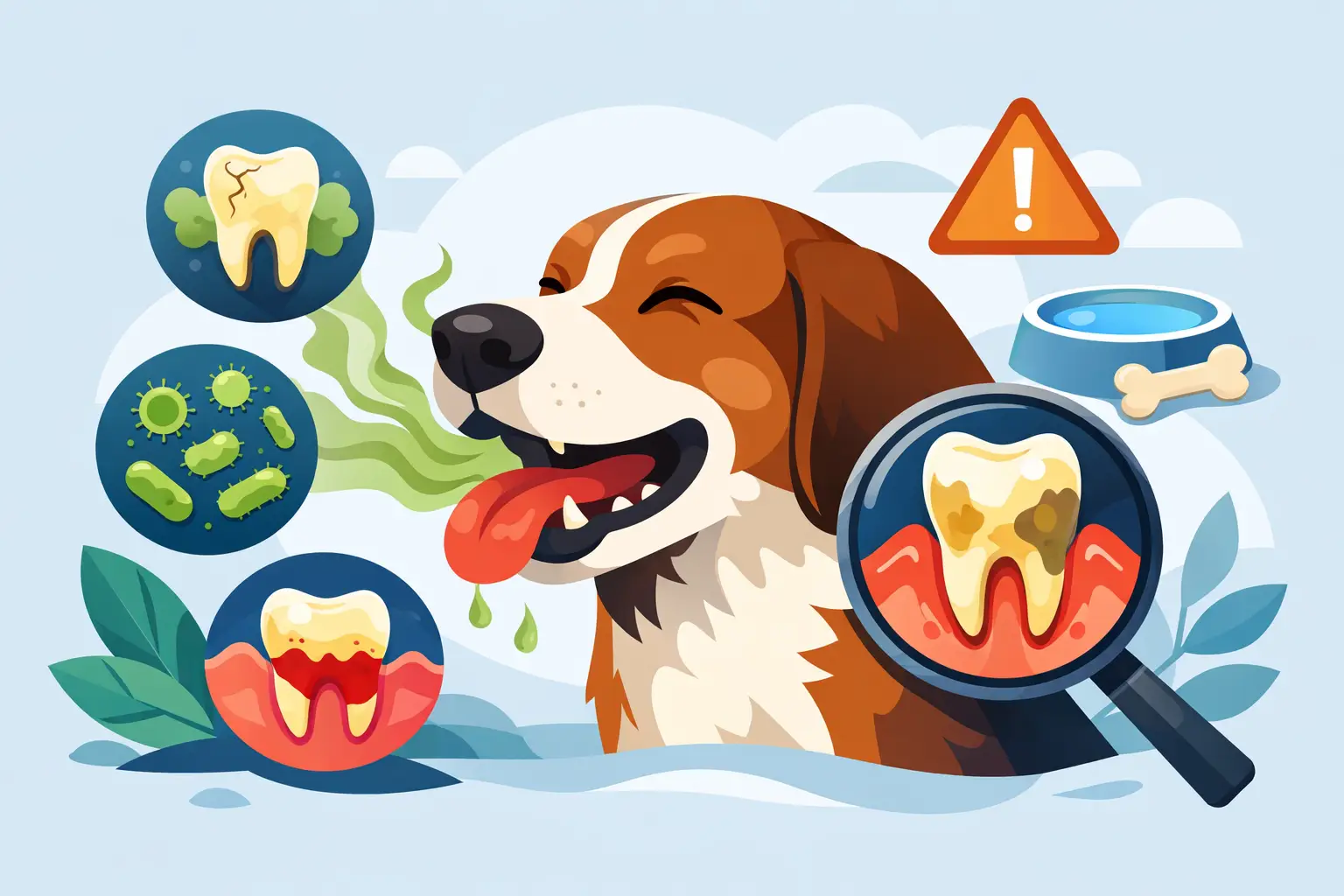
The most common reason is plaque and tartar buildup. After your dog eats, bacteria naturally collect on the teeth. Without regular brushing or dental care, that sticky plaque hardens into tartar along and below the gumline. Bacteria can then irritate the gums and create the unpleasant odor many owners notice first.
Over time, this process can progress to periodontal disease. The gums become inflamed, the tissues supporting the teeth are damaged, and infected pockets can develop below the gumline. This is not just a cosmetic issue. Dental disease can be painful, may lead to loose or abscessed teeth, and can make it difficult for a dog to chew comfortably.
Small breeds, senior dogs, and dogs with crowded teeth are especially prone to dental disease, but any dog can develop it. Even a dog who still happily eats treats may have significant oral discomfort. Dogs are very good at adapting, often chewing on one side of the mouth or swallowing kibble with little chewing instead of showing obvious pain.
Signs That Point to Dental Disease
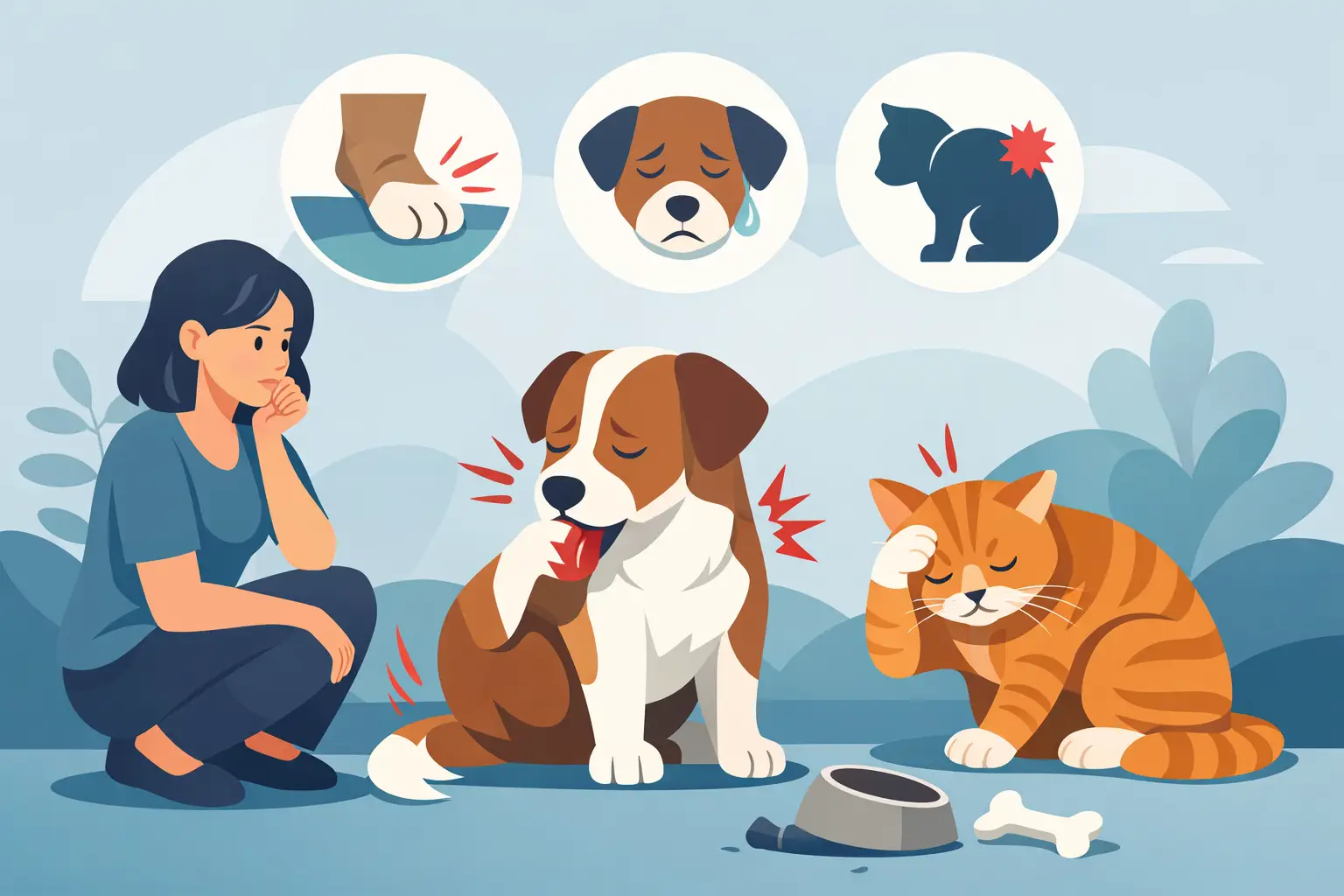
Bad breath paired with red or bleeding gums, yellow-brown buildup on teeth, excessive drooling, pawing at the mouth, or reluctance to chew should prompt a veterinary visit. You may also notice your dog dropping food, chewing more slowly, avoiding hard treats, or acting protective when you touch the face.
A veterinary dental exam can reveal concerns that are not visible at home, particularly below the gumline. Dental X-rays are often needed to assess tooth roots and the jawbone, since a tooth can appear normal above the gum while being painful or infected underneath.
Other Mouth Problems That Can Make Breath Smell Bad
Not every case of bad breath is simply tartar. A broken tooth, oral injury, tooth-root infection, mouth ulcer, or growth in the mouth can create a strong odor. Dogs that chew rocks, hard objects, antlers, or bones may fracture teeth, sometimes without an owner noticing at the time.
Something stuck in the mouth can also be the culprit. A piece of stick, bone, fabric, or plant material lodged between teeth can trap bacteria and irritate the gums. If your dog suddenly develops bad breath along with drooling, gagging, rubbing at the face, or difficulty eating, do not try to reach deeply into the mouth. A frightened or painful dog may bite, and a lodged object can be pushed farther in. A veterinary team can examine the mouth safely and determine the right next step.
Puppies can have temporary breath changes while losing baby teeth and teething. However, a persistent foul smell, swollen gums, retained baby teeth, or reluctance to eat still warrants an exam. Early dental concerns are easier to address before they affect the developing adult teeth.
When Bad Breath May Signal a Medical Problem
Occasionally, the odor of a dog’s breath reflects an issue outside the mouth. This is one reason a persistent change should not be covered up with flavored treats or dental sprays alone.
Breath that smells unusually sweet or fruity, especially with increased thirst, urination, vomiting, weakness, or decreased appetite, can be associated with diabetes and a serious complication called diabetic ketoacidosis. A urine-like or ammonia odor may occur with kidney disease. A strong, musty smell paired with vomiting, poor appetite, yellowing of the eyes or gums, or behavior changes can be seen with liver problems.
Gastrointestinal illness may contribute to unpleasant breath, particularly if a dog is vomiting, eating nonfood items, or has ongoing diarrhea. Still, “stomach breath” is less common than dental disease. It is best not to assume the stomach is the source without having your dog examined.
Dogs with chronic medical conditions, senior pets, and dogs taking certain medications may need more frequent monitoring. A comprehensive wellness visit, including bloodwork when recommended, helps your veterinarian look beyond the teeth and gums when symptoms suggest a broader concern.
What You Can Safely Do at Home
Home care matters, but it works best as prevention and maintenance after your dog’s mouth has been evaluated. If there is existing infection, a loose tooth, or disease below the gumline, brushing alone cannot remove it.
Daily tooth brushing with dog-specific toothpaste is the gold standard for reducing plaque. Human toothpaste should never be used because it may contain ingredients, such as xylitol or high fluoride levels, that are unsafe for dogs. Start slowly by letting your dog taste the pet toothpaste, then gently touch the teeth and gums for a few seconds. Building comfort is more useful than forcing a long session.
Veterinary-approved dental chews, water additives, and dental diets may also help reduce plaque for some dogs. They are not all equally effective, and the right choice depends on your dog’s size, chewing habits, health history, and diet. A powerful chewer may break teeth on very hard chews, so ask your veterinary team for guidance before offering bones, antlers, hooves, or other hard items.
Avoid relying on breath-freshening products as a substitute for care. If the odor returns quickly after a chew or spray, that is a sign to look for the cause rather than simply mask it.
When to Schedule a Veterinary Appointment
Schedule an appointment if bad breath lasts more than a few days, keeps returning, or comes with visible tartar or gum inflammation. An exam is also wise when your dog has changes in appetite, chewing, drooling, behavior, or energy level. Your veterinarian can assess the mouth, discuss anesthesia-based dental cleaning if needed, and recommend diagnostics when medical causes are possible.
Seek prompt care if your dog has facial swelling, bleeding from the mouth, severe pain, repeated vomiting, trouble breathing, collapse, or breath that smells strongly sweet, chemical-like, or like urine. These signs can indicate an urgent dental infection or a systemic illness that should not wait.
At All Creatures Veterinary Center, we know that dental concerns can be stressful because it is hard to tell how much discomfort a pet is hiding. A careful exam, clear discussion of findings, and a personalized treatment plan can help you make confident decisions about your dog’s care.
Your dog does not need perfect breath to be healthy, but a lasting unpleasant smell is worth listening to. Bringing it up at a wellness visit or scheduling an exam when you first notice a change can protect more than a fresh-smelling kiss – it can protect your companion’s comfort and long-term health.