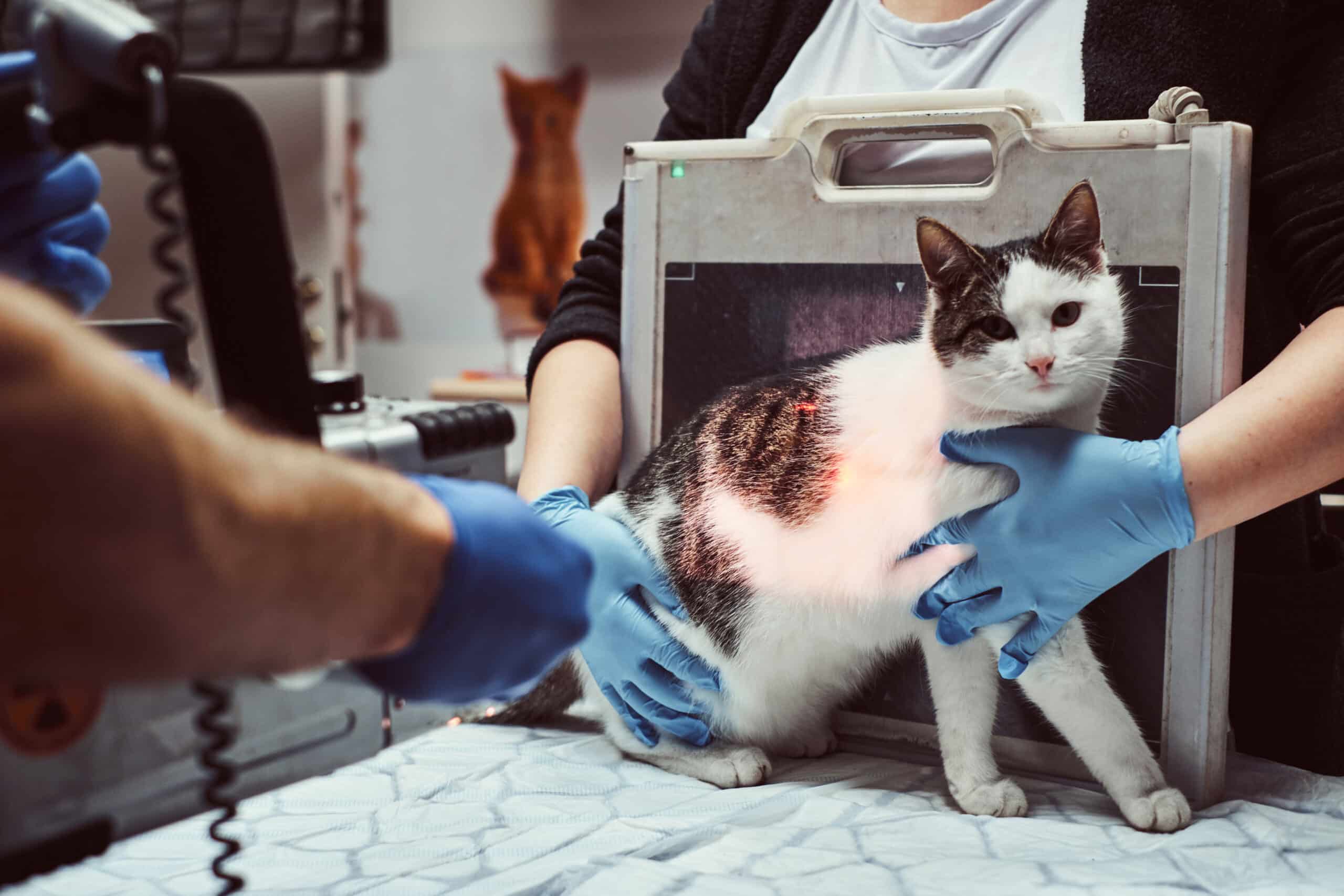
When to Rush Your Pet to the Emergency Vet: A Critical Care Guide – Understanding when to rush your pet to the emergency vet can literally save your pet’s life, or, on the other hand, you may have a medical crisis with your pet. As a survival mechanism, dogs and cats usually hide their pain and illness. So, the symptoms that are visible may only be the ones that show when the problem is already very serious. Being able to identify those pet emergency signs early is what helps pet owners to be able to react fast and call for veterinary emergency care before the pet’s condition deteriorates.
In case you are unsure about your pet’s condition, the safest thing to do is always go to an emergency veterinarian. Quicker action means less suffering, fewer complications, and better chances of recovery.
Breathing Problems Need Immediate Attention
Breathing problems are definitely one of the most critical dog emergency symptoms and cat emergency symptoms. Respiratory distress is very dangerous and can deteriorate very fast, so it should be given very serious consideration. If you see the following, don’t hesitate, get your pet immediately to the emergency vet:
- In cats, breathing with the mouth open is a big sign
- Fast, shallow, or very heavy breathing
- During rest, heavy panting is not normal
- Gums that are blue, gray, or very pale
- While taking a breath, the neck is extended forward.
Heart disease, asthma, airway obstruction, or fluid in the lungs could be caused by these symptoms.
Seizures, Collapse, and Neurological Emergencies
Sudden neurological symptoms may be the first sign of something very serious going on in the body. Giving your pet veterinary emergency care is the best thing to do in these times. Please get help urgently if:
- A seizure lasts for more than five minutes
- A pet has several seizures during the same day
- There is a sudden collapse, or the pet loses consciousness
- The pet is paralyzed or cannot stand
- Severe disorientation, such as walking in circles or head tilt
These signs may be the result of intoxication, brain and nervous system diseases, injuries, or metabolic problems.
Urinary Emergencies in Pets
Urinary obstruction is a very serious condition in cats, and male cats are especially at risk. If there is no treatment, the condition can become fatal very quickly. The following signs may be noticed:
- Trying to urinate but only producing a very small amount or no urine at all
- Meowing or showing signs of pain while in the litter box
- Making very frequent trips to the litter box
- Visible pain or swelling in the stomach
A male cat that is blocked will start to become very ill after a day or two, and this is why vet checking should be done right away.
Trauma, Injuries, and Accidents
Accidents and injuries can result in both external and internal injuries. Pets can suffer from injuries even when they appear to be in good condition after an accident. Emergency veterinary attention is required when your pet:
- Has been hit by a car or fallen from a tree
- Has bite wounds or puncture injuries
- Is bleeding uncontrollably
- Shows symptoms of fractures, such as severe limpness
- Has swelling in the abdomen after an accident
It is worth noting that internal bleeding is not always visible.
Severe Vomiting, Diarrhea, and Abdominal Pain
Sometimes, digestive problems are a sign of underlying serious health issues in pets. Therefore, it is crucial to seek immediate medical attention if your pet is experiencing:
- Repeated vomiting or diarrhea
- Vomit with blood or dark, coffee-ground material
- Black, tarry stool
- Swollen abdomen
- Retching without vomiting (possible bloat in dogs)
The symptoms described above may result in intestinal obstruction, pancreatitis, internal bleeding, or dog GDV.
Signs of Shock or Extreme Weakness
Shock is a serious medical condition that must be treated promptly. It can be caused by trauma, severe infection, poisoning, or blood loss. The signs of shock include:
- Sudden collapse
- Extreme weakness or unresponsiveness
- Pale or white gums
- Cold ears or paws
- Rapid heart rate
Prompt veterinary care is essential in case of shock.
Poisoning and Toxin Exposure
Pets can be poisoned by toxic substances in their surroundings. Pets can get poisoned by many common substances in the house. If you suspect your pet has been poisoned, seek emergency veterinary care immediately in case of:
- Human medications
- Toxic foods or plants
- Cleaning agents or pesticides
- Unknown substances
The signs of poisoning include drooling, vomiting, trembling, or having a fit. Never induce vomiting unless advised to do so by a veterinarian.
“If your pet has several unusual signs of illness or its condition is deteriorating rapidly, seek immediate veterinary care. Your pet’s life can be saved.”
Puppies, Kittens, and Senior Pets Need Faster Care
Puppies, kittens, and senior pets are more susceptible to illness or injury. Their bodies are not capable of coping with the stress of medical problems as well as adult pets. If your:
- A puppy or a kitten is lethargic, stops eating, or vomits frequently
- A senior pet suddenly collapses, stops eating, or behaves abnormally
Early emergency care can greatly increase the survival and recovery probabilities of your pet.
What to Do While Going to the Emergency Vet
As soon as you spot pet emergency signs, it is very important to stay calm and take quick action. Here are some of the actions you should take:
- Make your pet comfortable by keeping it calm and warm
- Do not administer human drugs
- Call the emergency veterinary center on your way
- Transport your pet in a carrier or blanket
- Bring the medication containers or the package of the poisonous substance
These actions can help your pet receive quick and effective emergency care.
Conclusion
The above information on emergency signs for pets can help pet owners take quick action in emergency cases. Pet owners can easily identify dog emergency symptoms, cat emergency symptoms, and other signs by understanding the information presented in this guide.
Pet emergency signs can save your pet’s life by providing timely veterinary emergency care. If your pet is not okay, seek professional help.
FAQs
What are common pet emergency signs?
The common pet emergency signs include breathing problems, seizures, severe vomiting, inability to urinate, collapsing, and uncontrolled bleeding.
When should I seek emergency veterinary care for my pet?
You should seek emergency care if your pet is having trouble breathing, having a seizure, showing signs of poisoning, has suffered trauma, or is weak.
Is vomiting and diarrhea always a veterinary emergency?
Not always, but repeated vomiting, bloody vomiting, or diarrhea is a veterinary emergency.
What should I do if my pet has a seizure?
You should keep your pet safe from injury, not touch your pet’s mouth, and seek emergency veterinary care if your pet has a seizure lasting over five minutes.
Is difficulty urinating in a cat a veterinary emergency?
Yes, difficulty urinating in a male cat is a veterinary emergency.