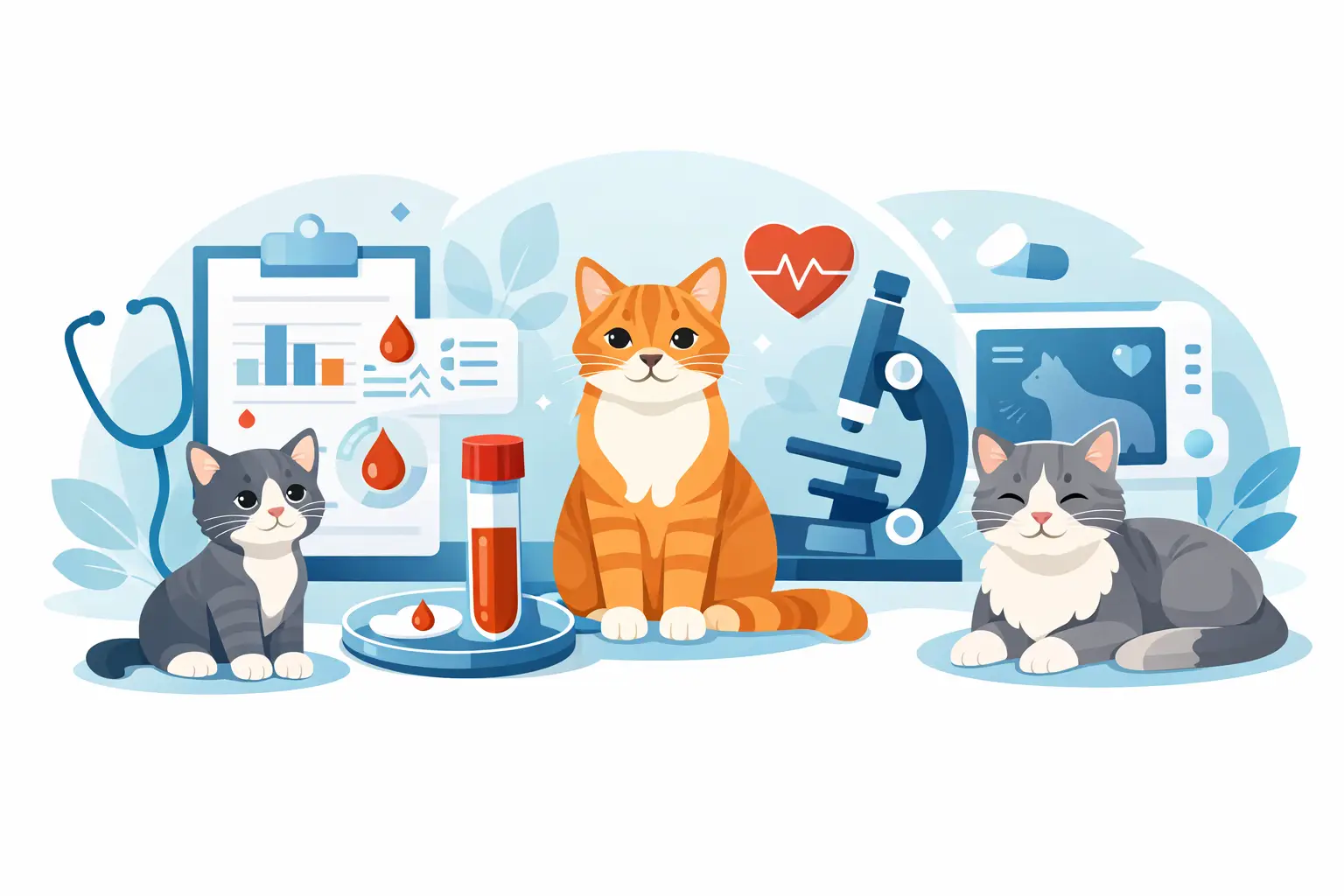
A cat can look perfectly comfortable while a health concern is quietly developing. Cats are remarkably skilled at masking illness, especially when changes are gradual. That is why a cat wellness blood panel guide is useful for pet parents: routine lab work can reveal changes that are not yet visible at home, giving your veterinary team a chance to respond early and thoughtfully.
Wellness bloodwork is not about searching for problems without a reason. It is a practical part of preventive care that helps establish what is normal for your individual cat, monitors how their body is functioning, and supports better decisions as they age. For families in Santa Clarita and nearby communities, it can also bring welcome clarity when a cat’s appetite, energy, or litter box habits seem just slightly different.
What Is Included in a Cat Wellness Blood Panel?
The exact tests in a wellness panel depend on your cat’s age, health history, medications, lifestyle, and exam findings. A veterinarian may recommend a basic screening panel for a healthy younger adult or a more complete panel for a senior cat or one with a chronic condition.
Most panels include a complete blood count, often called a CBC. This test measures red blood cells, white blood cells, and platelets. It can help identify concerns such as anemia, inflammation, infection, or changes in the body’s ability to clot blood.
A blood chemistry panel evaluates how organs and body systems are working. It commonly includes values that help assess kidney and liver function, blood sugar, proteins, electrolytes, and minerals. Thyroid testing is often added for middle-aged and senior cats because hyperthyroidism is common in older felines and can affect weight, appetite, heart rate, and behavior.
Your veterinarian may also recommend a urinalysis. Although it is not a blood test, urine testing provides essential context for bloodwork, especially when evaluating kidney health, hydration, diabetes, urinary tract concerns, or certain medications. When appropriate, additional testing may include blood pressure measurement, fecal testing, or infectious disease screening.
Why Normal Results Matter, Too
A normal panel is reassuring, but its value goes beyond reassurance. Baseline results allow your veterinary team to compare future tests against your cat’s own previous values. A number may fall within a laboratory’s reference range but still represent a meaningful shift for that particular patient.
For example, a kidney value that is technically normal but rising steadily over several visits may prompt closer monitoring, a urine test, dietary guidance, or an earlier recheck. Catching a trend before a cat feels unwell can help preserve comfort and protect long-term health.
Bloodwork also supports safe care when a cat needs dental treatment, anesthesia, surgery, or ongoing medication. Results help the veterinarian tailor recommendations to the patient in front of them rather than relying on a one-size-fits-all plan.
When Should Cats Have Wellness Bloodwork?
Age is a useful starting point, but it is not the only factor. Kittens and young adult cats may have lab tests based on their medical needs, parasite risk, symptoms, or planned procedures. For a healthy adult cat, a veterinarian may recommend routine screening periodically, often as part of an annual wellness visit.
As cats enter their mature and senior years, bloodwork is usually recommended more frequently. Many veterinarians suggest annual testing for adult cats and every six to 12 months for seniors, particularly when they have weight loss, dental disease, arthritis, thyroid concerns, kidney changes, diabetes, high blood pressure, or prescribed medications. The right interval depends on the cat, not just the calendar.
A wellness panel should not wait if you notice a change at home. Schedule an exam promptly if your cat is drinking or urinating more, losing weight, vomiting repeatedly, eating less, hiding more often, showing weakness, or having a change in litter box habits. These signs can have many causes, and bloodwork is one tool that helps narrow the possibilities.
How to Prepare Your Cat for a Blood Test
Your veterinary team will tell you whether your cat should fast before the appointment. Fasting can improve the accuracy of some chemistry values, especially those affected by a recent meal. However, fasting is not appropriate for every cat. Kittens, diabetic cats, and cats with certain health conditions may need different instructions, so never withhold food unless your veterinarian advises it.
Bring a current list of medications, supplements, and treats your cat receives. Even over-the-counter products can affect results or influence the care plan. If collecting a urine sample has been requested, ask for specific handling instructions. Samples that sit too long or become contaminated may not provide reliable information.
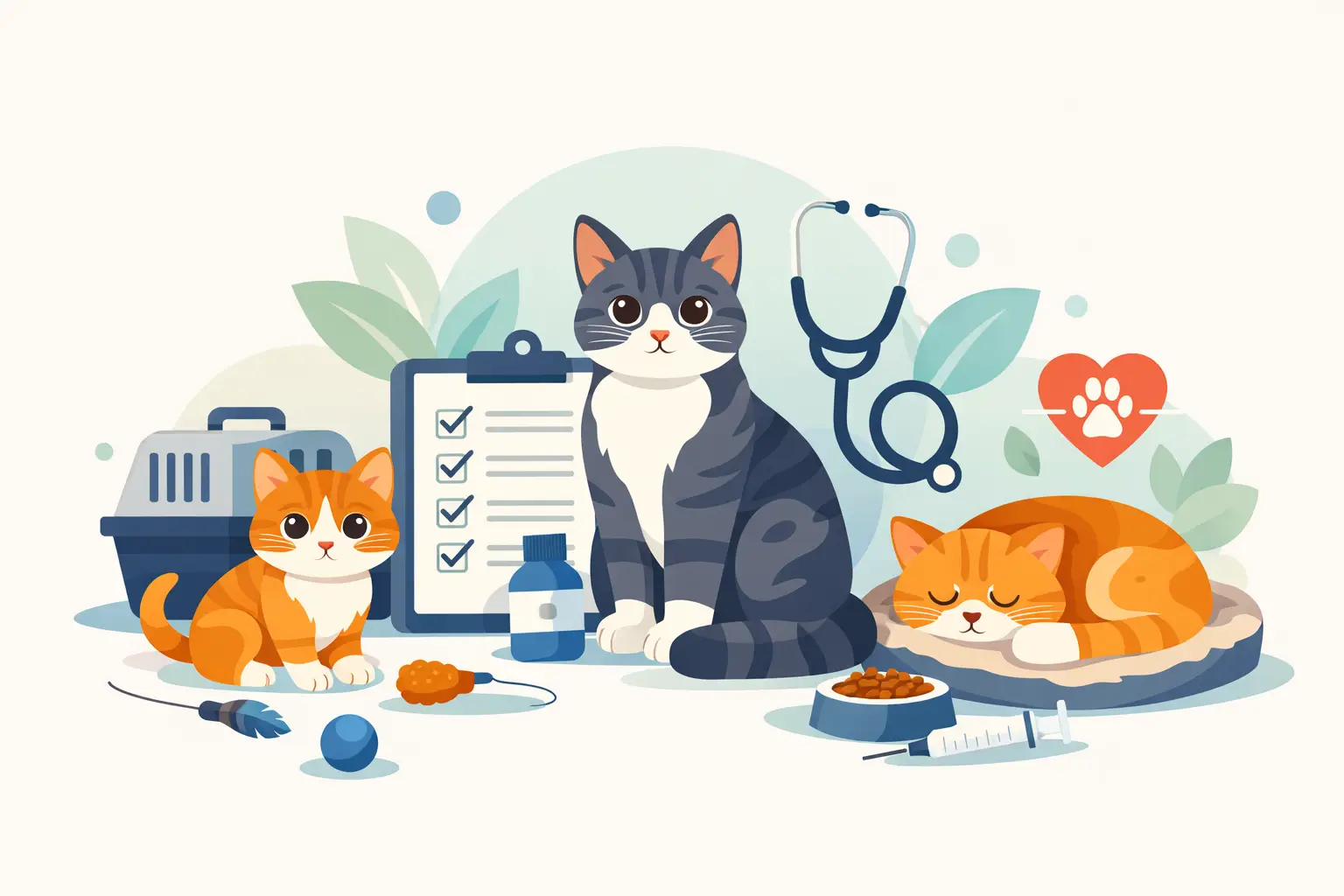
The trip itself can be the hardest part for many cats. Use a secure carrier, place familiar bedding inside, and keep the ride calm and quiet. A carrier cover can reduce visual stress for some cats. If your cat becomes highly fearful during veterinary visits, discuss options in advance. Pre-visit medication, a quieter appointment time, or gentle handling adjustments can make a meaningful difference.
Understanding Results Without Jumping to Conclusions
It is natural to focus on any result marked high or low, but laboratory values need to be interpreted together. A mild abnormality does not always mean a serious disease, and a normal result does not rule out every possible concern. Hydration, stress, recent meals, medications, age, and sample handling can all influence certain values.
Your veterinarian will consider the full picture: your cat’s physical examination, medical history, current symptoms, trends from previous testing, and the relationship between individual results. If a value is unexpected, the next step may simply be to repeat the test. In other cases, a urinalysis, ultrasound, blood pressure check, imaging, or more specialized testing may be recommended.
This measured approach helps prevent two unhelpful extremes: ignoring a meaningful change or treating a single number as a diagnosis. The goal is clear answers and appropriate care, not unnecessary testing.
What Bloodwork Can Help Detect Early
Wellness testing cannot predict every illness, but it can help uncover early indicators of several common feline health concerns. These may include kidney disease, diabetes, liver disease, thyroid disease, anemia, inflammation, electrolyte imbalances, and some infections.
Early detection does not always mean a cat needs medication immediately. Sometimes the best next step is monitoring, hydration support, diet changes, dental care, or a recheck at a specific interval. Other times, early treatment can reduce symptoms and slow progression. Either way, knowing what is happening gives you and your veterinary team more room to make calm, informed choices.
Questions to Ask at Your Cat’s Wellness Visit
A good conversation is part of a useful wellness panel. Ask which tests are being recommended and why they fit your cat’s age and needs. You can also ask whether your cat needs to fast, when results will be ready, what changes should prompt a recheck, and how the results compare with prior testing.
If cost is a concern, say so openly. Your veterinarian can explain which tests are most urgent, which can be bundled with other preventive services, and whether a staged plan makes sense. Transparent conversations help ensure your cat receives appropriate care while respecting your household’s priorities.
A Familiar Team Makes Follow-Up Easier
The greatest benefit of regular wellness testing often comes from continuity. When the same veterinary team sees your cat over time, they can recognize subtle changes, understand their temperament, and connect lab trends with the rest of their medical history. At All Creatures Veterinary Center, wellness exams, diagnostics, imaging, surgery, and long-term treatment planning can be coordinated under one roof when your cat needs more than routine screening.
A blood panel is a small appointment step that can support many healthy years ahead. If your cat is due for a wellness exam, or if something about their routine has changed, schedule a visit and let your veterinary team help you decide what testing makes sense for this stage of life.