Your puppy may look ready to take on the world, but their immune system is still catching up. Those first veterinary visits are not just quick shots on a calendar. They are a carefully timed series of wellness exams, vaccines, parasite prevention discussions, and practical guidance that helps protect a growing puppy when they are most vulnerable.
Learning how to schedule puppy vaccine series appointments starts with one reassuring fact: you do not need to map every detail alone. Your veterinarian can build a plan around your puppy’s age, health history, lifestyle, and the vaccines they may have already received before coming home.
Start With a Veterinary Visit Soon After Adoption
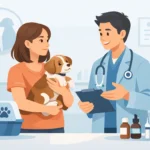
Schedule your puppy’s first wellness appointment within a few days of bringing them home, even if the breeder, rescue, or previous owner provided vaccine paperwork. A veterinarian can review those records, examine your puppy from nose to tail, check for parasites, discuss nutrition and behavior, and determine what should happen next.
Bring every record you have, including the date each vaccine was given and, if available, the vaccine name. A vague note that says “puppy shots done” is helpful background, but it is usually not enough to confirm a complete series. Your veterinary team may recommend repeating or continuing certain vaccines if records are incomplete. That approach is not about giving unnecessary care. It is about making sure your puppy has dependable protection.
The first appointment is also a good time to discuss your household. Does your puppy live with another dog? Will they visit groomers, dog-friendly stores, boarding facilities, training classes, parks, or relatives with pets? These details help your veterinarian recommend vaccines that fit real-life exposure risks.
How to Schedule a Puppy Vaccine Series by Age
Most puppies begin their core vaccine series around 6 to 8 weeks of age. They then receive boosters every 2 to 4 weeks until they are at least 16 weeks old. The exact timing matters because puppies receive temporary antibodies from their mother, and those antibodies can interfere with vaccines early in life. Repeating vaccines at planned intervals gives your puppy the best chance to build their own lasting immune response.
A typical schedule may look like this:
- 6 to 8 weeks: First core puppy vaccine, often protecting against distemper, adenovirus, parvovirus, and parainfluenza. Your veterinarian may also recommend a fecal test and deworming.
- 9 to 12 weeks: Core vaccine booster. Depending on your puppy’s risks, this may also be the time to discuss vaccines such as Bordetella or leptospirosis.
- 12 to 16 weeks: Additional core booster and other recommended vaccines based on lifestyle. Many puppies receive their rabies vaccine during this period, according to veterinary guidance and local requirements.
- 16 weeks and older: A final core booster is often needed if earlier doses were given before 16 weeks. Your veterinarian will confirm when the initial series is complete and when future boosters are due.
These are general guidelines, not a one-size-fits-all rule. A puppy who starts later, misses an appointment, has a medical concern, or has an uncertain history may need a modified schedule. The best plan is the one your veterinarian can document clearly and revisit at each wellness exam.
Core Vaccines and Lifestyle Vaccines Have Different Roles
Core vaccines are recommended for nearly all puppies because they protect against serious, widespread diseases. Parvovirus, for example, can cause severe and sometimes life-threatening illness in unvaccinated puppies. Distemper can affect the respiratory, gastrointestinal, and nervous systems. These are not diseases to take lightly.
Other vaccines are based on exposure. A social puppy who will attend training classes, go to daycare, receive grooming, hike local trails, or spend time near wildlife may benefit from additional protection. Bordetella is often considered for dogs who will be around other dogs. Leptospirosis may be recommended when exposure to wildlife, standing water, or certain outdoor environments is possible. Canine influenza may also be relevant in some boarding, daycare, or travel situations.
There is a trade-off worth discussing openly: more exposure can mean more opportunities for learning and socialization, but it can also mean more infectious disease risk before the vaccine series is complete. Your veterinarian can help you choose safer socialization options during this important developmental stage.
Put Every Appointment on the Calendar Before You Leave
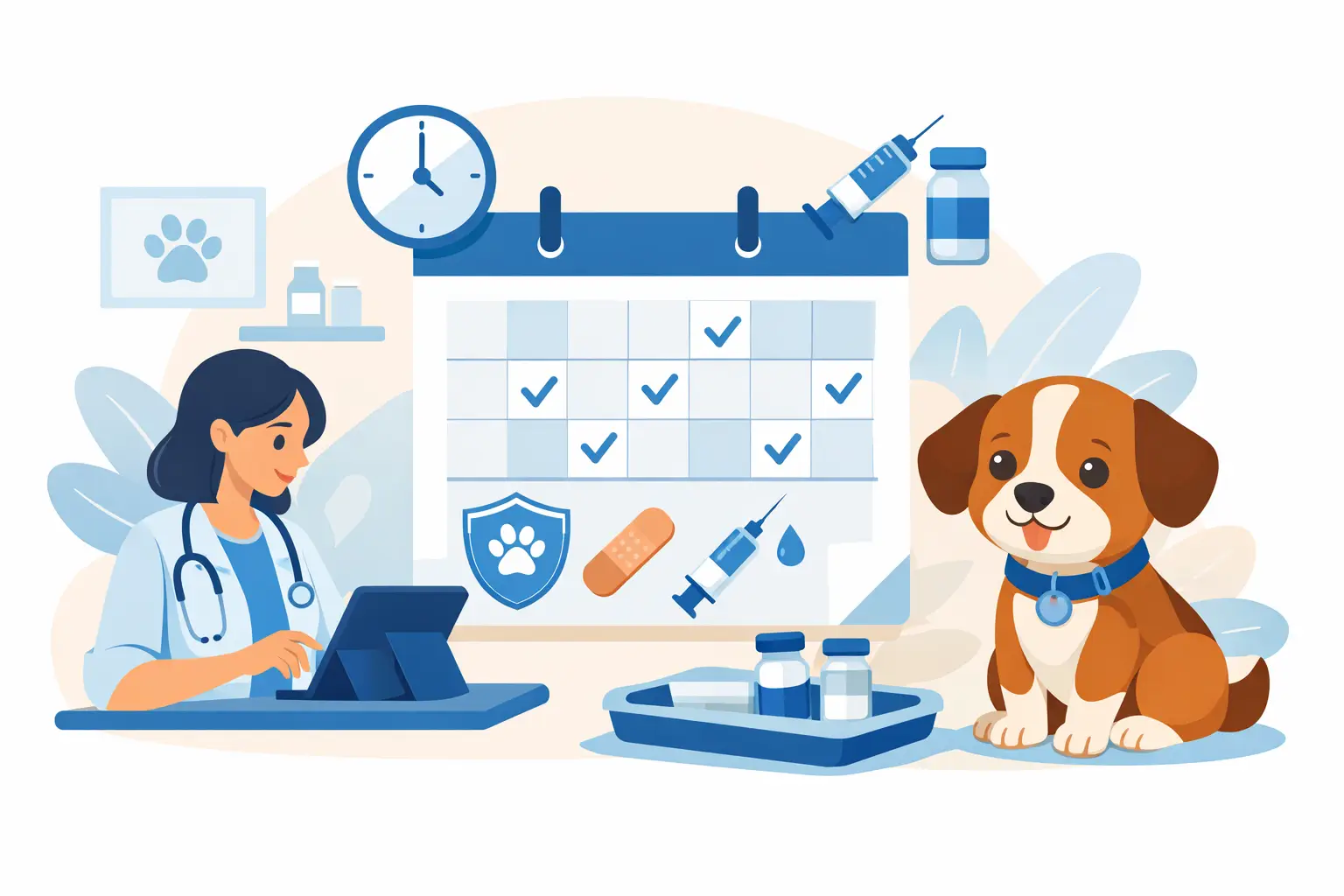
The simplest way to stay on track is to book the next visit before leaving the clinic. Puppies need several visits in a relatively short period, and family schedules fill quickly. Reserving the next appointment while you are already there reduces the chance that a booster gets delayed.
Try to schedule each visit within the interval your veterinarian recommends. If your puppy is due in three weeks, do not assume that waiting another month will be fine. A delay does not usually mean you need to start completely over, but it can leave your puppy unprotected longer than necessary and may change the timing of future doses.
Choose appointment times that work for your household. Some families prefer early morning visits before work and school. Others find it easier to schedule midday, when the waiting area may feel calmer. If your puppy is especially nervous, energetic, or carsick, tell the veterinary team when booking. Small adjustments can make the visit more comfortable for everyone.
Keep a reminder in your phone and save a photo of your puppy’s vaccine record. It is also helpful to keep a paper copy in a designated pet folder. Boarding facilities, groomers, trainers, and emergency hospitals may request records, and having them available prevents last-minute stress.
What if You Miss a Puppy Vaccine Appointment?
Life happens. A family trip, illness, work emergency, or transportation problem can disrupt the plan. If you miss an appointment, call your veterinary hospital rather than guessing about the next step. The team can review your puppy’s age, vaccine dates, and current health status to recommend an appropriate new date.
Do not try to “catch up” by moving appointments too close together. Vaccines need appropriate spacing so your puppy’s immune system has time to respond. Your veterinarian will make sure the revised plan still provides meaningful protection.
If your puppy develops vomiting, diarrhea, coughing, lethargy, fever, facial swelling, or other signs of illness around a scheduled vaccine visit, contact the clinic before coming in. A puppy who is not feeling well may need an exam and treatment first. Vaccines are generally given when a pet is healthy enough to respond appropriately.
Protect Your Puppy Between Vaccine Visits
Until the series is complete, be thoughtful about where your puppy goes and what they contact. This does not mean keeping them isolated at home for months. Early socialization is valuable, but it should be planned carefully.
Avoid dog parks, areas with unknown dog traffic, pet waste, communal water bowls, and contact with dogs whose vaccine status you do not know. Parvovirus can persist in the environment, so sidewalks, lawns, and public spaces are not automatically risk-free simply because no dogs are present at that moment.
Instead, introduce your puppy to trusted, healthy, fully vaccinated dogs in clean home environments. Carry your puppy through busy public spaces if you want them to experience new sounds and sights without walking where other dogs eliminate. Puppy classes may be appropriate when they follow sanitation protocols and have age-appropriate vaccine requirements, but ask your veterinarian what is suitable for your individual puppy.
Your puppy’s vaccine visits are also a chance to address prevention beyond vaccines. Flea, tick, heartworm, and intestinal parasite prevention can be especially important in Southern California, where outdoor activity is possible year-round. Your veterinarian can recommend products and timing based on your puppy’s size, age, environment, and health needs.
Make Each Visit Easier for Your Puppy
A calm clinic experience can shape how your puppy feels about veterinary care for years. Bring a few small treats, a favorite toy, and a towel or blanket that smells like home. Let your puppy practice getting into the car and spending short periods in a crate before appointment day, rather than making the clinic visit their first major outing.
At the hospital, speak calmly and let the team guide the visit. Puppies may wiggle, protest, or need a brief break. That is normal. Gentle handling, positive reinforcement, and unhurried communication can make routine care feel less intimidating.
At All Creatures Veterinary Center, puppy wellness visits are designed to build that foundation of trust while giving families clear answers about vaccines, prevention, behavior, and the next steps in care. Establishing a relationship early means your puppy has a familiar medical team as their needs change from playful puppyhood to adulthood and beyond.
A well-planned vaccine series gives your puppy more than a record of shots. It gives your family a safer path toward walks, training, travel, playdates, and the everyday moments that make a new dog feel at home. Book the first visit, bring the records you have, and let your veterinary team help turn a busy puppy calendar into a confident care plan.