Anesthesia is one of the most crucial and advanced findings of humans. It is not only used in humans but in animals as well. Veterinary Anesthesia allows a safe and painless surgical procedure on the pet without any discomfort or pain. The discovery of new drugs and medical procedures, along with proper handling and understanding by veterinary experts, have make it possible for the pets to undergo procedures without any issue, pain, or discomfort.
It is safe for the dogs and for the cats, along with other pets that need surgical procedures or diagnosis that require anesthesia.
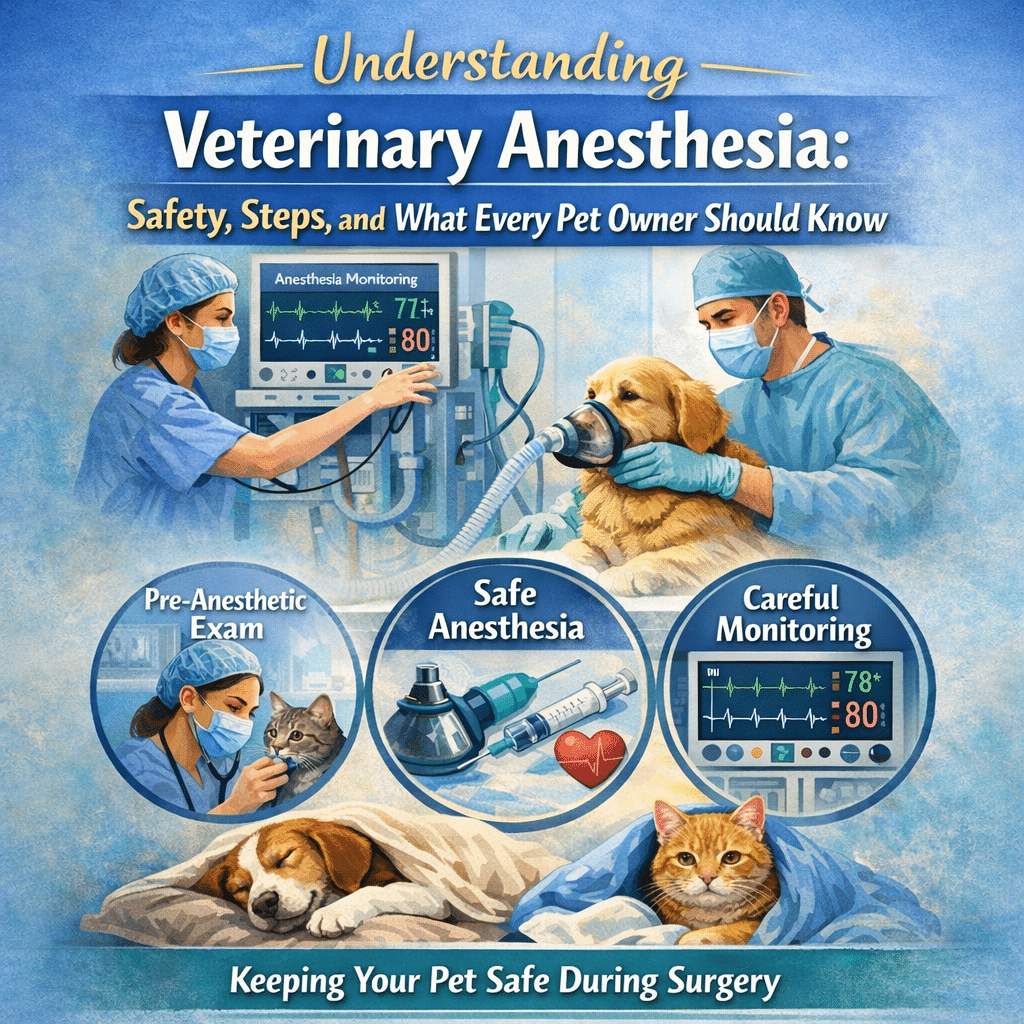
In this blog, we will talk about Understanding Veterinary Anesthesia, along with Safety, Steps, and What Every Pet Owner Should Know.
Understanding veterinary anesthesia
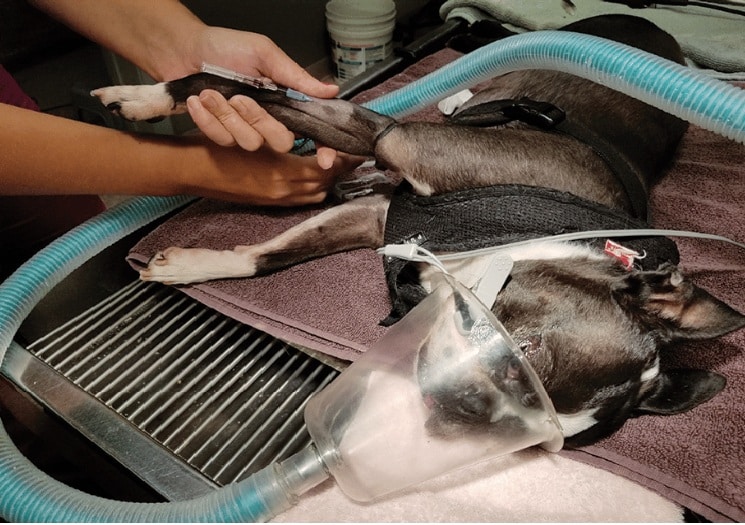
It is a technique where a veterinary specialist provides the medicine to the pets to perform the medical surgical procedure on them. It blocks the pain and sensation in the body and does not let pain signals reach the brain. This helps to easily perform the surgical procedures on the pets without any pain and discomfort. It is given by a specialist who has many years of expertise and understanding.
It provides
- Pain relief from the surgical procedure
- Relaxes the muscles of the pets
- Makes the pet unconscious for a while to let the veterinary person perform the procedure easily and without any hindrance from the pet.
- It relaxes the mind and reduces the anxiety of the surgical procedure.
Getting to know about different veterinary anesthetics
There are 3 types of veterinary anesthesia given to the pets
- General Anesthesia
- Sedation
- Local and Regional Anesthesia
General anesthesia is given to the pet, where they become fully unconscious. It is given until the procedure is completely done. It is given in the conditions for deep surgical procedures or for surgeries that are painful. The conditions of the pets are constantly managed and given proper attention.
Sedation involves a low level of unconsciousness. Pets are not fully unconscious but can move. It is used for diagnostic procedures and is used effectively under the guidance of an anesthesia expert. The procedure is less risky than full anesthesia.
Local and Regional Anesthesia is given to a small or a particular part of the body instead of the whole body. It is always given under the strict guidance of a specialist.
Understanding the safety of anesthesia for Pets
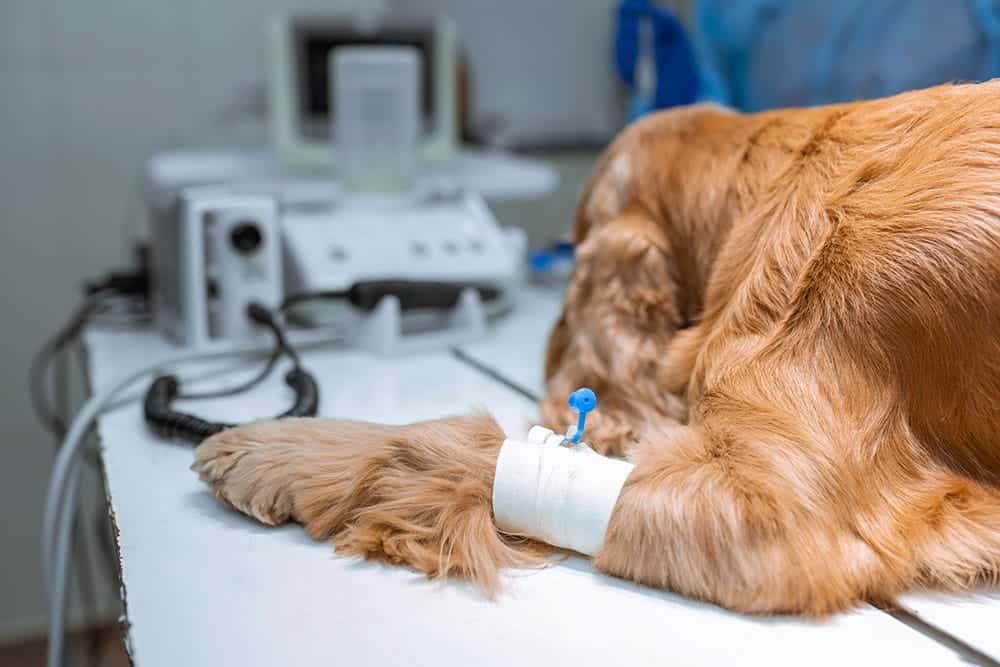
It is a highly safe and researched medicine given to the pets under the continuous monitoring of a veterinary specialist. The pets are monitored throughout the procedure and before and after as well. A complete team of technicians and specialists gives anesthesia to pets to assist in a smooth and successful procedure.
What is done before giving anesthesia to the pets?
A complete screening and checkup are performed before planning the anesthesia procedure. Complete tests of the body parts and other things are checked before calculating the risk and planning for the surgery. The pets are physically and internally checked for any abnormalities that may affect the anesthesia or cause any side effects.
Understanding the complete process of the veterinary Anesthesia
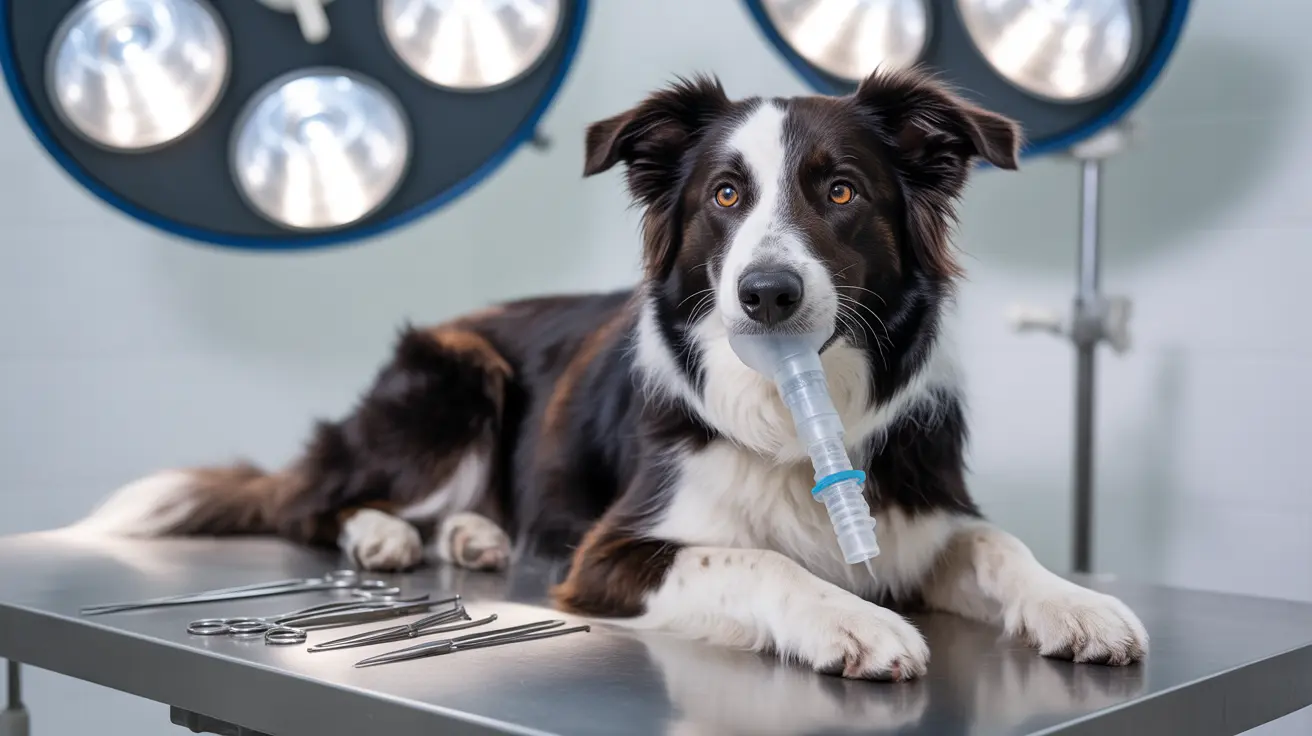
The veterinary anesthesia involves the following steps
Medicines given before anesthesia
The pets are given the required medicines to make sure the procedure goes smoothly, and less pain is experienced.
The first phase is of induction
An expert in the team of doctors gives anesthesia to the pet through the veins. The pet has fallen asleep, and the procedure is done smoothly.
Maintenance of anesthesia
Different procedures or medications are used to maintain the flow of anesthesia. Veterinary specialists use different things to keep the anesthetic regulated steadily in the body, and oxygen is supplied to the pet.
Continuously watching and monitoring
The team continues to monitor the vitals, heart rate, oxygen, temperature, and other things to check for any suspicion or irregularity. Everything needs to be smooth and well-maintained for the procedure to go easily. Continuous monitoring is important to make an immediate response to any change.
How is pain controlled during the anesthesia procedure?
Veterinary doctors continuously need to manage pain during surgical procedures. Giving anesthesia is about managing the unconscious and pain as well. The medication is given to provide continuous relief, and nerves are also blocked for any pain signals. Specialists also give anti-inflammatory medicines to avoid any pain, and it also helps in the proper recovery after the surgery.
How are pets recovered from the veterinary anesthesia?
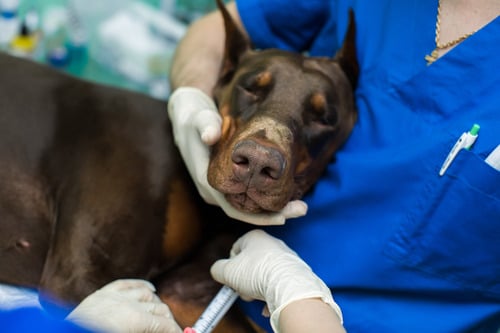
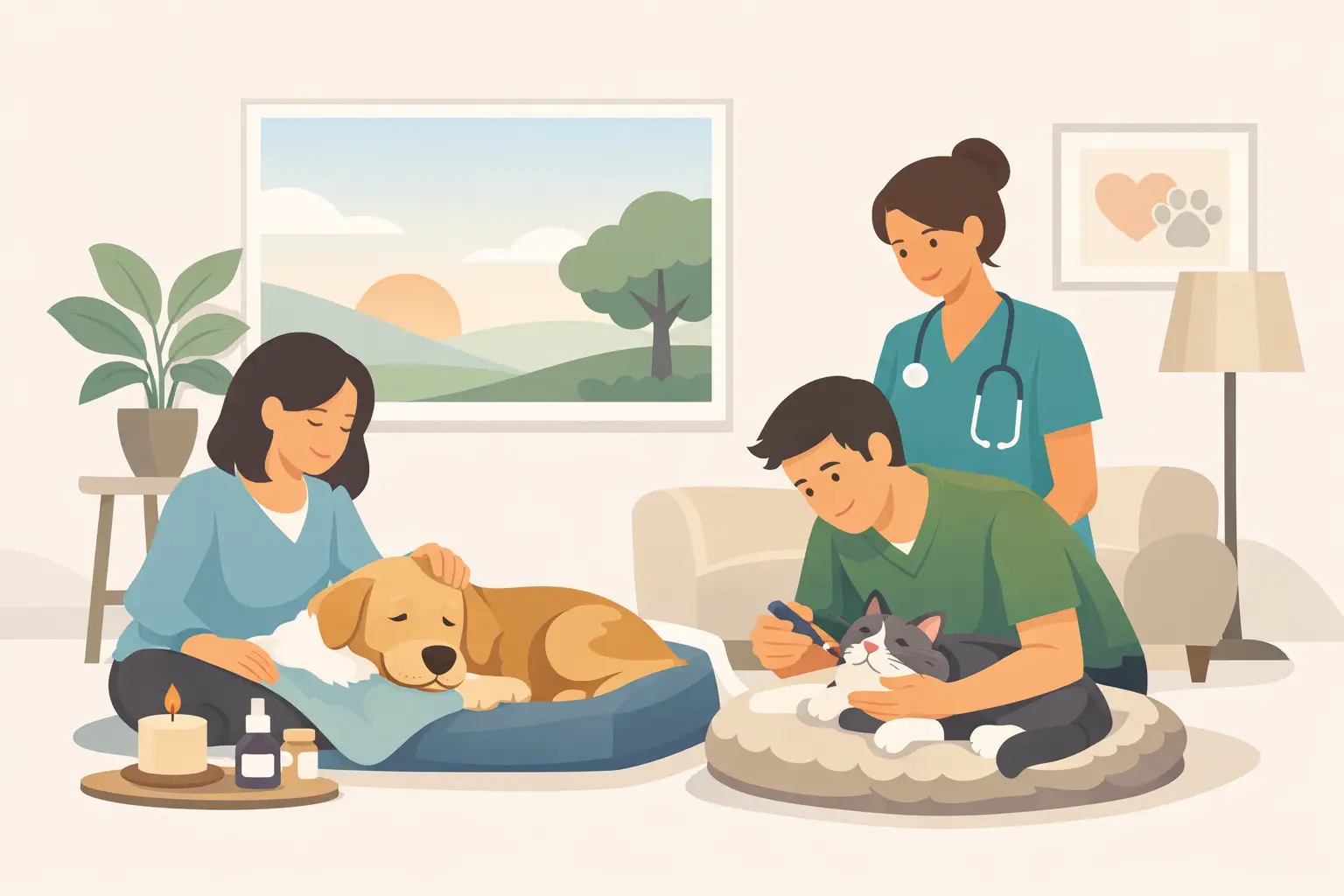
Recovery is very crucial after the procedure or during the procedure. The vital signs and overall condition of the pets are managed by the specialists. They are given medicines for pain control, and a warm and quiet atmosphere is provided. This helps pets recover much earlier from the pain and dizziness. Fatigue or dizziness can be maintained for as long as 20-24 hours.
What are the side effects that can be seen in pets after anesthesia?
The most common side effects seen in the pets after anesthesia are as follows
- They might feel sleepy or experience prolonged fatigue.
- They will experience nausea
- They will not feel hungry often
- Shivers are also seen in the pets after anesthesia
These are not permanent and can go away easily in 1-2 days.
Understanding Anesthesia Risks in Pets
All anesthesia includes some degree of risk, but the foremost issues are uncommon with the right care.
Those who need special care and assistance are
- Senior animals that may experience risk after anesthesia
- Very young pets can also feel the heaviness of the anesthesia procedure
- Pets with coronary heart, kidney, or liver situations
- Pets who are not well and are seriously ill.
Ways Veterinarians Improve Anesthesia Safety
- Vets are specialists and use low doses of the medicines.
- They regularly monitor the effects and make instinctive changes according to the findings.
- The blood pressure is maintained with the help of IV fluids.
- The pets are kept warm so that their body temperature does not drop their body temperature and cause any issues.
Understanding the myths related to anesthesia
- The most common myth is that it is not safe and is risky for senior pets.
- It is a myth that pets do not wake up after anesthesia
- Anesthesia is given only for performing surgical procedures
Understanding the role of pet owners during the anesthetic procedure
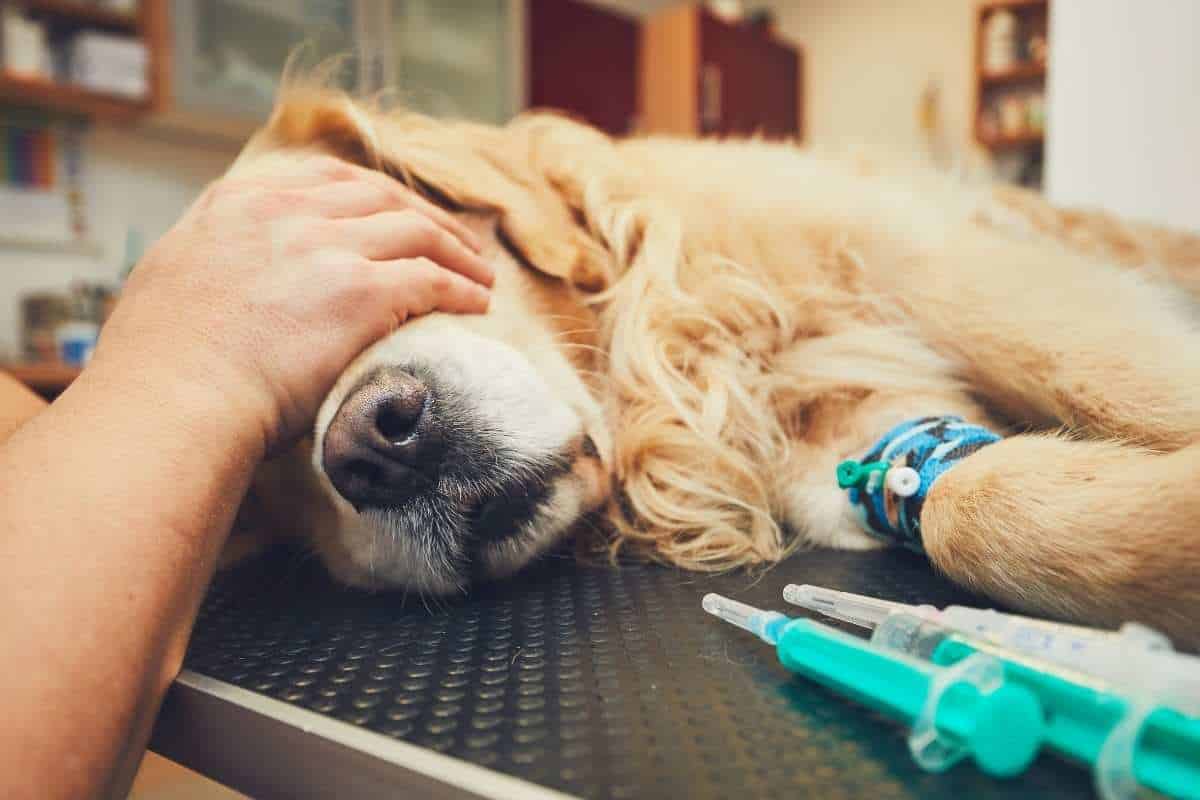
The pet owners must follow the strict guidance given by the veterinarian for their pets. Make sure to make them ready for the procedure and any extra medicine or health issues that the pet has been going through in recent years.
Once the surgery or any other procedure is done, they must keep their pet warm and let them rest to fully recover. Make sure to feed them on time and only feed what is guided by the doctor.
The difference between Veterinary vs. Human Anesthesia
| Veterinary Anesthesia | Human anesthesia |
| Dosage varies according to the animal type and species | Same dosage for the humans. Does not vary frequently |
| Different metabolism | Metabolism is predictable |
| Needs specialists for a particular species. | Only focus on one species. |
| Uses similar safety monitoring | Uses similar monitoring standards |
Blockquote
Veterinary anesthesia is safe, controlled, and focused on your pet’s comfort.
Conclusion
Veterinary anesthesia is an important part of veterinary medicine. It is crucial to perform the painless procedure on pets to help them recover from their existing conditions. Proper monitoring and guidance of the specialist make it easy for the pets to recover from anesthesia and other conditions.
All Creatures Veterinary Center is an experienced center for pet care and different procedures. The veterinary center is run by specialists in the veterinary field and provides many different services and medical facilities for the pets. Feel free to take your pet to receive the best medical procedures and diagnosis of diseases.
Veterinary Center – All Creatures Veterinary Center
Address – 22722 Lyons Ave #5, Newhall, CA 91321
Phone – (661) 291 – 1124
Frequently asked questions
Will anesthesia be safe for the pets?
It is highly safe, where the pet is completely monitored for any risk or issue. All Creatures Veterinary Center has specialists in veterinary anesthesia.
Will there be any pain for the pet during the ongoing surgery?
There will be no pain during the surgery because of the anesthesia. Medicines keep your pet pain-free and perform a successful procedure.
Will there be any side effects of the anesthesia?
There will be minimal to low side effects of anesthesia. They will disappear in 20-24 hours completely.
Which is the best veterinary center for pets in California?
All Creatures Veterinary Center is the best center for pet and anesthesia specialists.
What procedure will be required for the surgery?
Vets will conduct some tests and a diagnosis before doing the surgery. This helps them to plan the surgery and avoid any complications during the procedure.
How much time will it take for the surgery?
It depends upon several conditions. It will depend on how the pet responds to the anesthesia test. Blood markers and other things.