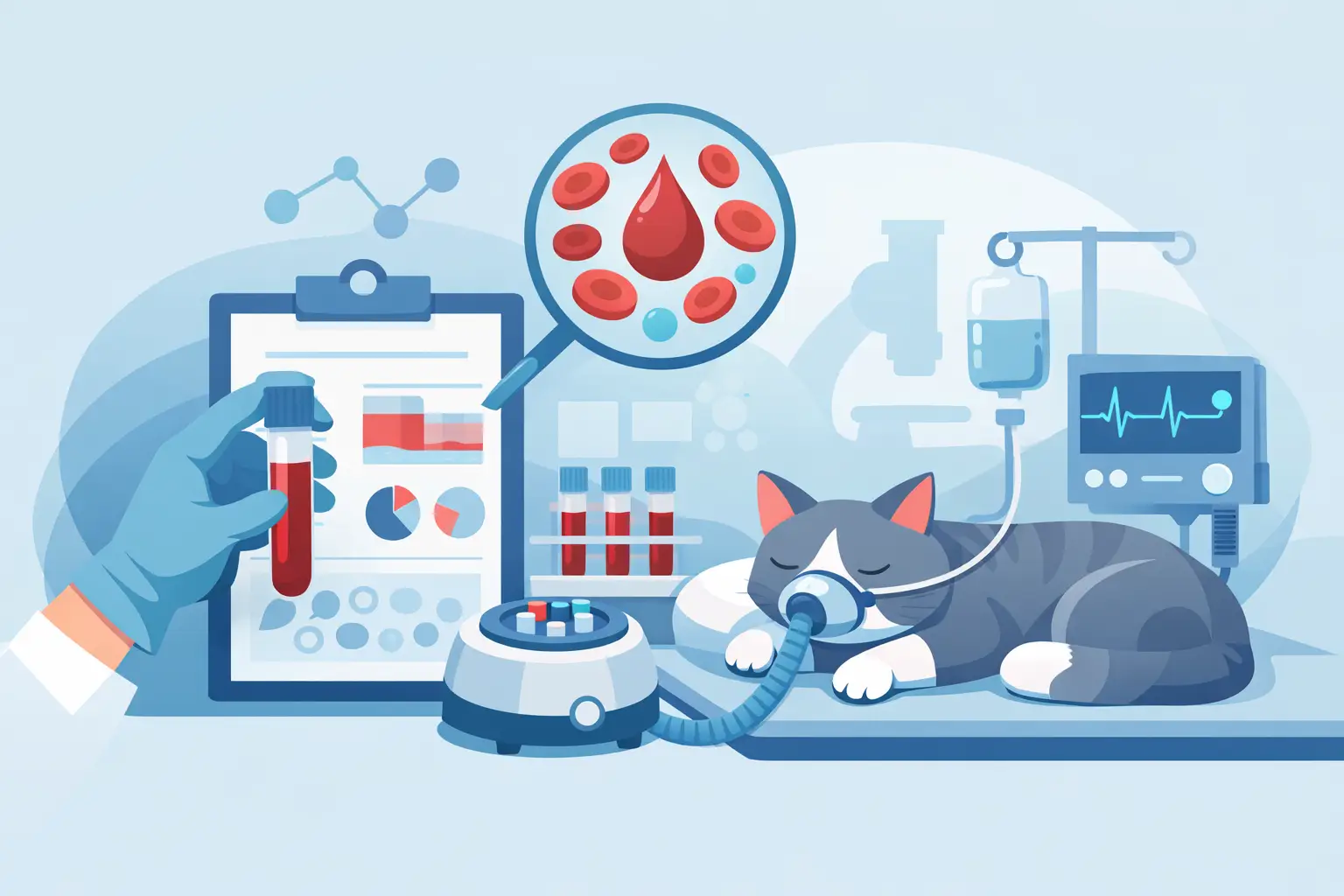
When your cat is scheduled for a dental procedure, mass removal, or another surgery, one of the first questions many pet owners ask is whether blood testing is really necessary. Cat bloodwork before anesthesia is one of the most useful ways your veterinary team can check for hidden health concerns before your cat is sedated, and it often gives us information that a physical exam alone cannot.
For many cats, especially the ones who seem perfectly normal at home, pre-anesthetic testing can feel optional or easy to postpone. The challenge is that cats are very good at hiding illness. A cat can be eating, sleeping, and acting fairly normally while still having early kidney disease, liver changes, anemia, blood sugar problems, or signs of infection. When anesthesia is involved, those details matter.
Why cat bloodwork before anesthesia matters
Anesthesia is generally very safe when it is planned carefully and monitored closely, but it is never a one-size-fits-all process. Your cat’s age, medical history, hydration status, organ function, and current medications all influence which anesthetic drugs are the best fit and how your cat should be supported during the procedure.
Bloodwork helps your veterinarian look beneath the surface. It gives a clearer picture of how major organ systems are functioning and whether your cat may need adjustments to the anesthetic plan. In some cases, results confirm that everything looks appropriate to proceed as expected. In other cases, they help us slow down, add supportive care, or postpone the procedure until an underlying issue is addressed.
That is the real value of testing. It is not about creating extra steps. It is about reducing surprises and making informed decisions for your cat’s safety.
What bloodwork checks before anesthesia
The exact tests can vary based on your cat’s age, health status, and the type of procedure being performed. In most cases, pre-anesthetic screening includes a complete blood count and blood chemistry panel. Some cats also benefit from electrolyte testing, urinalysis, clotting tests, or additional diagnostics.
A complete blood count looks at red blood cells, white blood cells, and platelets. This can help identify anemia, inflammation, infection, or clotting concerns. If a cat is anemic, for example, oxygen delivery during anesthesia can become more concerning. If platelets are low, bleeding risk may need closer evaluation.
A chemistry panel evaluates values related to the kidneys, liver, blood sugar, proteins, and other internal functions. The kidneys and liver are especially important because they help process medications and maintain normal body balance during and after anesthesia. If blood sugar is too high or too low, that also changes how we plan care.
For senior cats or cats with known medical issues, more extensive testing is often recommended. That does not mean something is wrong. It simply reflects the fact that older cats are more likely to have age-related changes that deserve attention before sedation or surgery.
Can a healthy-looking cat still have abnormal results?
Yes, and this is one of the biggest reasons veterinarians recommend screening even for routine procedures. Cats often compensate well and show very few outward symptoms in the early stages of illness. Mild kidney disease, early hyperthyroidism, liver changes, or subtle infection may not be obvious at home.
That does not automatically mean anesthesia becomes unsafe. It means your veterinary team has a chance to tailor the plan. A cat with mild kidney changes may do well with IV fluids, specific drug choices, and close blood pressure monitoring. A cat with more significant abnormalities may be safer if the procedure is delayed until additional treatment or diagnostics are completed.
This is where individualized care matters. The goal is not simply to clear a patient for anesthesia. The goal is to understand the patient well enough to make the experience as safe as possible.
When bloodwork may change the anesthetic plan
Sometimes results are normal enough that the procedure moves forward without major changes. Other times, bloodwork affects next steps in meaningful ways.
If kidney values are elevated, your veterinarian may recommend fluid support, different medications, or a shorter anesthetic event if possible. If liver values are abnormal, drug selection may be adjusted to reduce stress on the liver. If an infection is present, your cat may need treatment before an elective procedure. If anemia or abnormal clotting is detected, surgery may need to be postponed until the issue is understood.
There are also cases where bloodwork supports moving ahead with more confidence. For example, if a cat is older but bloodwork is stable, that information can reassure both the veterinary team and the owner that the plan is appropriate.
Is bloodwork always required?
It depends on the procedure, the patient, and the veterinarian’s medical judgment. For many anesthetic procedures, especially surgeries and dental treatments, pre-anesthetic bloodwork is strongly recommended because it adds an important layer of safety. For very minor sedation events, recommendations may differ.
Age also matters. A young, otherwise healthy cat may need a more basic screening panel than a senior cat with a history of weight loss, increased thirst, or prior illness. Cats with chronic conditions such as kidney disease, diabetes, heart concerns, or thyroid disease usually need more careful evaluation.
If you are unsure why testing has been recommended for your cat, ask. A good veterinary team should be happy to explain what the tests are looking for, how recent results need to be, and whether the findings could affect timing or treatment.
What pet owners can expect on the day of testing
In many cases, bloodwork is performed shortly before the procedure or at a pre-surgical appointment. The sample is usually taken from a leg vein or another accessible vein and only takes a few minutes. Most cats tolerate it very well, especially with gentle handling and a calm environment.
If your cat becomes stressed easily, let your veterinary team know ahead of time. Fear and anxiety are common, and there are often ways to make the visit smoother. For some cats, timing, handling adjustments, or pre-visit calming strategies can make a noticeable difference.
Once results are available, your veterinarian reviews them in the context of the physical exam, medical history, and planned procedure. Bloodwork does not replace a hands-on exam. It works alongside it.
What bloodwork does not do
Pre-anesthetic testing is extremely helpful, but it is not a guarantee that every possible complication can be predicted. Anesthesia always carries some degree of risk, even in healthy patients with normal lab results. That is why good anesthesia care includes more than bloodwork.
A safer anesthetic process also depends on a full physical exam, carefully calculated drug protocols, appropriate fasting instructions, IV catheter placement when indicated, fluid therapy, sterile technique, and close monitoring of heart rate, breathing, oxygen levels, temperature, and blood pressure during the procedure.
This broader approach matters. Bloodwork is one piece of a larger safety system.
Cat bloodwork before anesthesia and older cats
Senior cats deserve special mention because many procedures, especially dental care, become more necessary with age. Older cats are also more likely to have underlying conditions that have not yet been diagnosed. That makes cat bloodwork before anesthesia particularly valuable for aging pets.
It is common for owners to worry that age alone makes anesthesia too risky. In reality, age itself is not usually the deciding factor. Overall health status is more important than the number of birthdays your cat has had. A well-managed senior cat may be a better anesthetic candidate than a younger cat with undetected disease.
When older cats need surgery or dental treatment, pre-anesthetic testing helps the veterinary team avoid assumptions. It allows for a plan based on current facts, not guesswork.
How to talk with your veterinarian about cost and value
It is reasonable to ask about pricing. Veterinary care is a real household expense, and most families appreciate clear explanations before moving forward. If bloodwork is part of your cat’s estimate, ask what panel is being recommended, whether anything is optional, and how the results guide care.
The value of testing is often easiest to understand when you think of it as prevention. Finding a problem before anesthesia is usually safer, less stressful, and less costly than discovering it during a medical emergency or after a difficult recovery.
At a full-service hospital like All Creatures Veterinary Center, pre-anesthetic care is part of a larger commitment to individualized medicine. That means looking at your cat as a whole patient, not just preparing for a single procedure.
If your cat is scheduled for anesthesia, the best next step is a conversation. Ask what testing is recommended, what the team is watching for, and how your cat’s age and history affect the plan. A little information before the procedure can go a long way toward helping you feel more confident on the day of care.