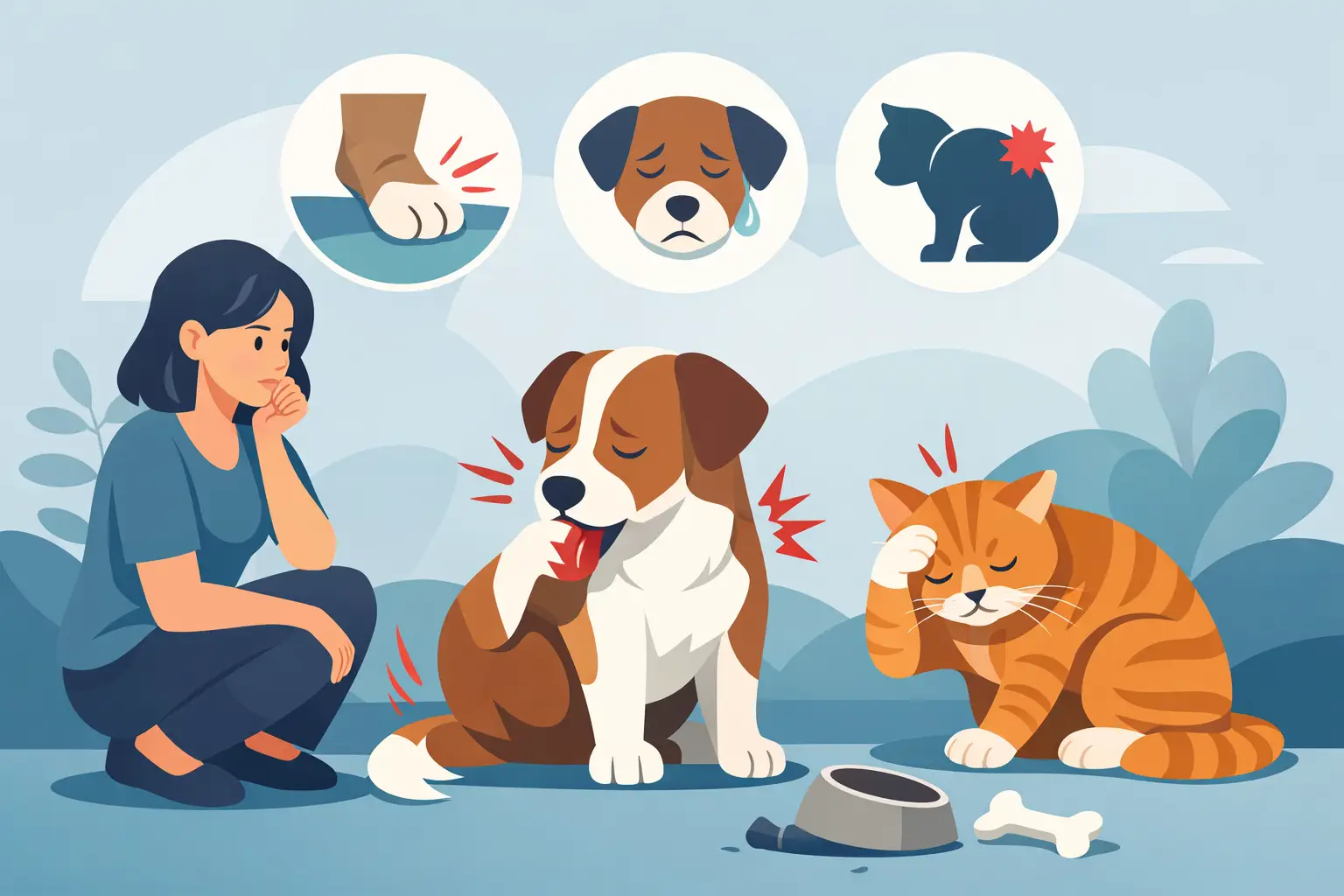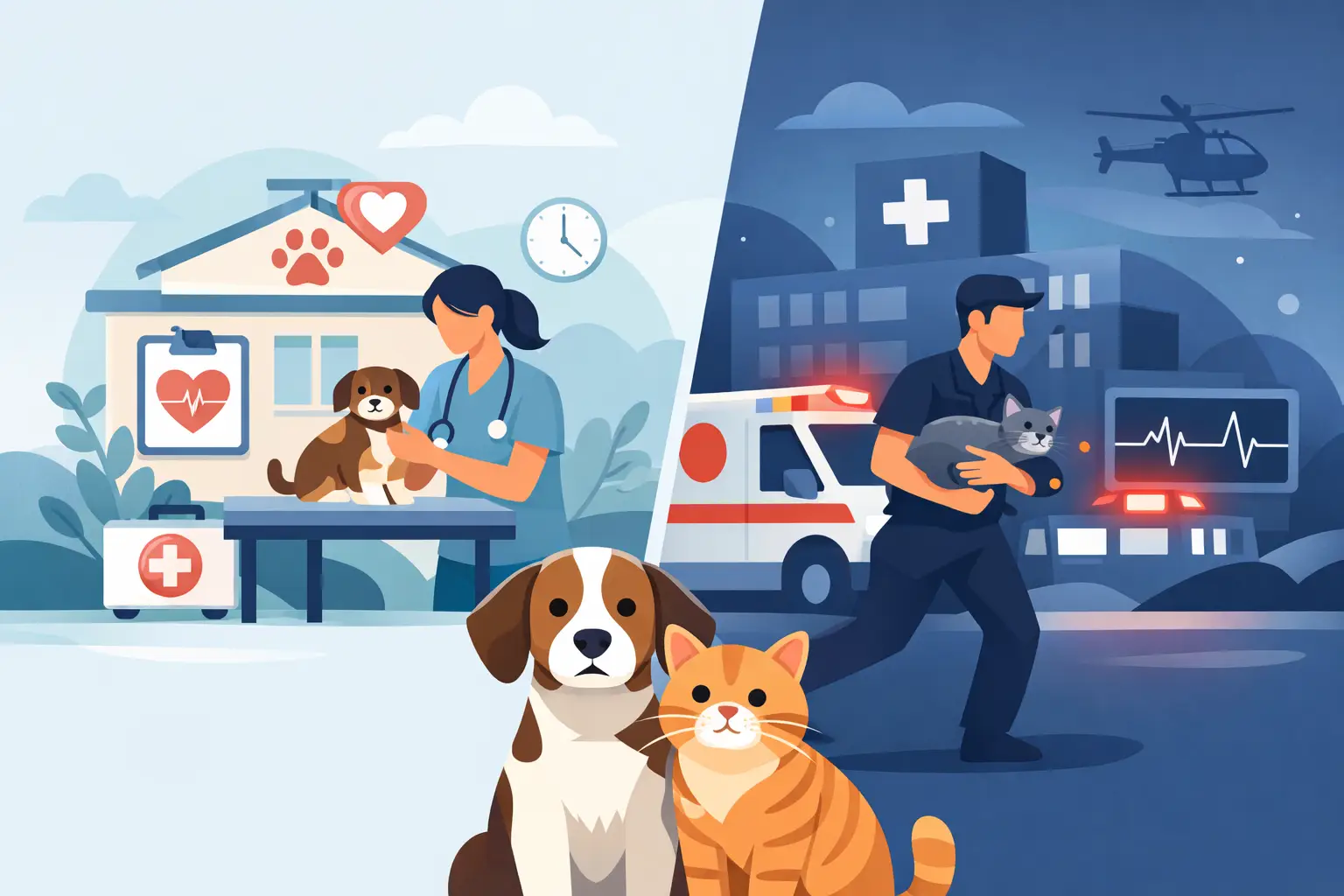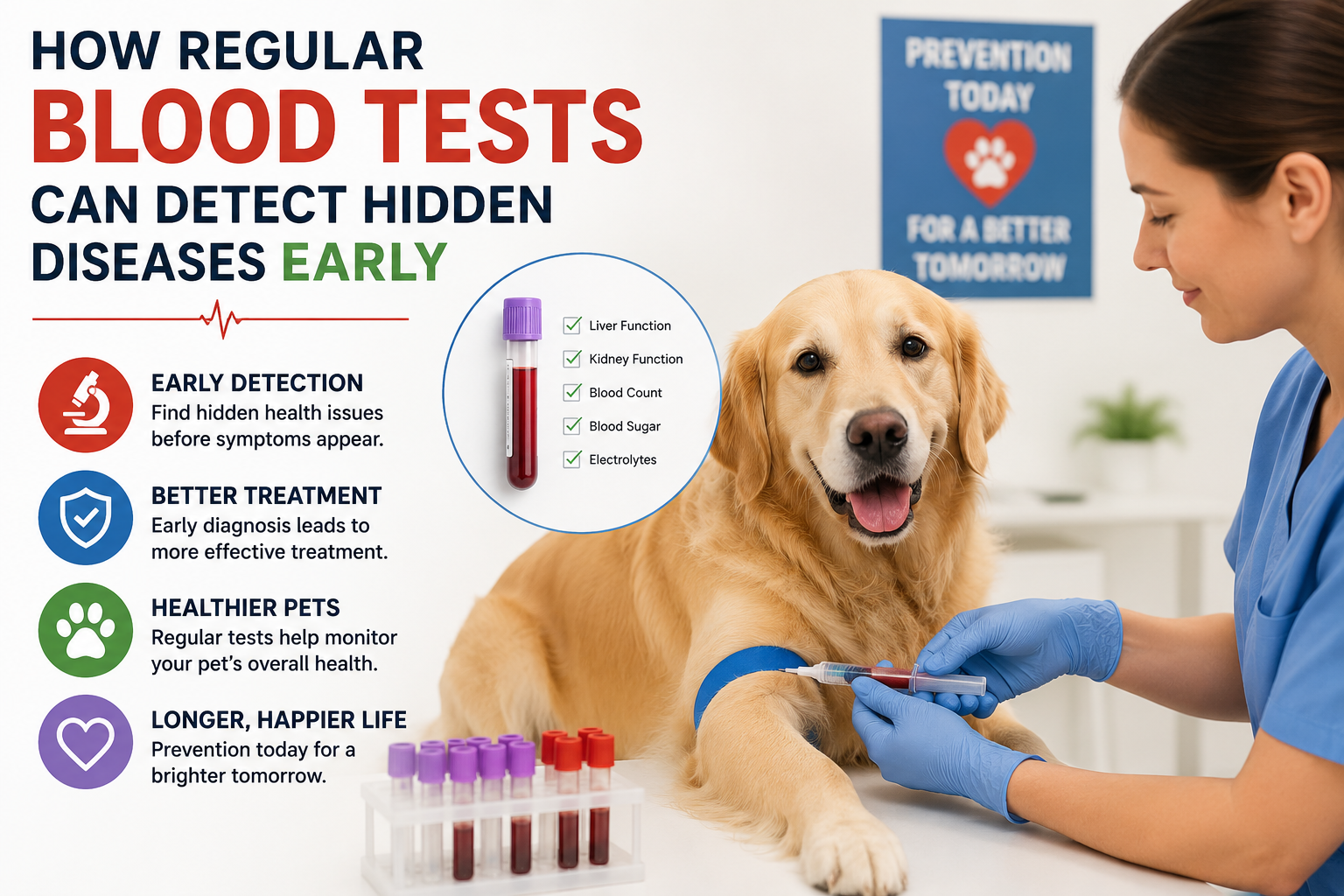
Identifying health problems in pets is challenging because they cannot communicate when they are feeling unwell. For example, a dog may continue to wag its tail, but could also be hiding pain, or a cat may exhibit normal behavior while an underlying condition is developing. As such, it is important to conduct regular Blood Tests performed to look inside your pet’s body to discover any hidden issues before they become serious.
The majority of illnesses in pets develop quietly and gradually. Oftentimes by the time there are visible symptoms of an illness the pet is already in an advanced state of disease. The key benefit of blood work is that it allows the pet owner to detect health problems earlier on, improving their chances of successful treatment, allowing their pets to live longer, healthier lives.
In this blog, we will talk about how regular blood tests Can Detect Hidden Diseases Early.
Blood Testing for Pets
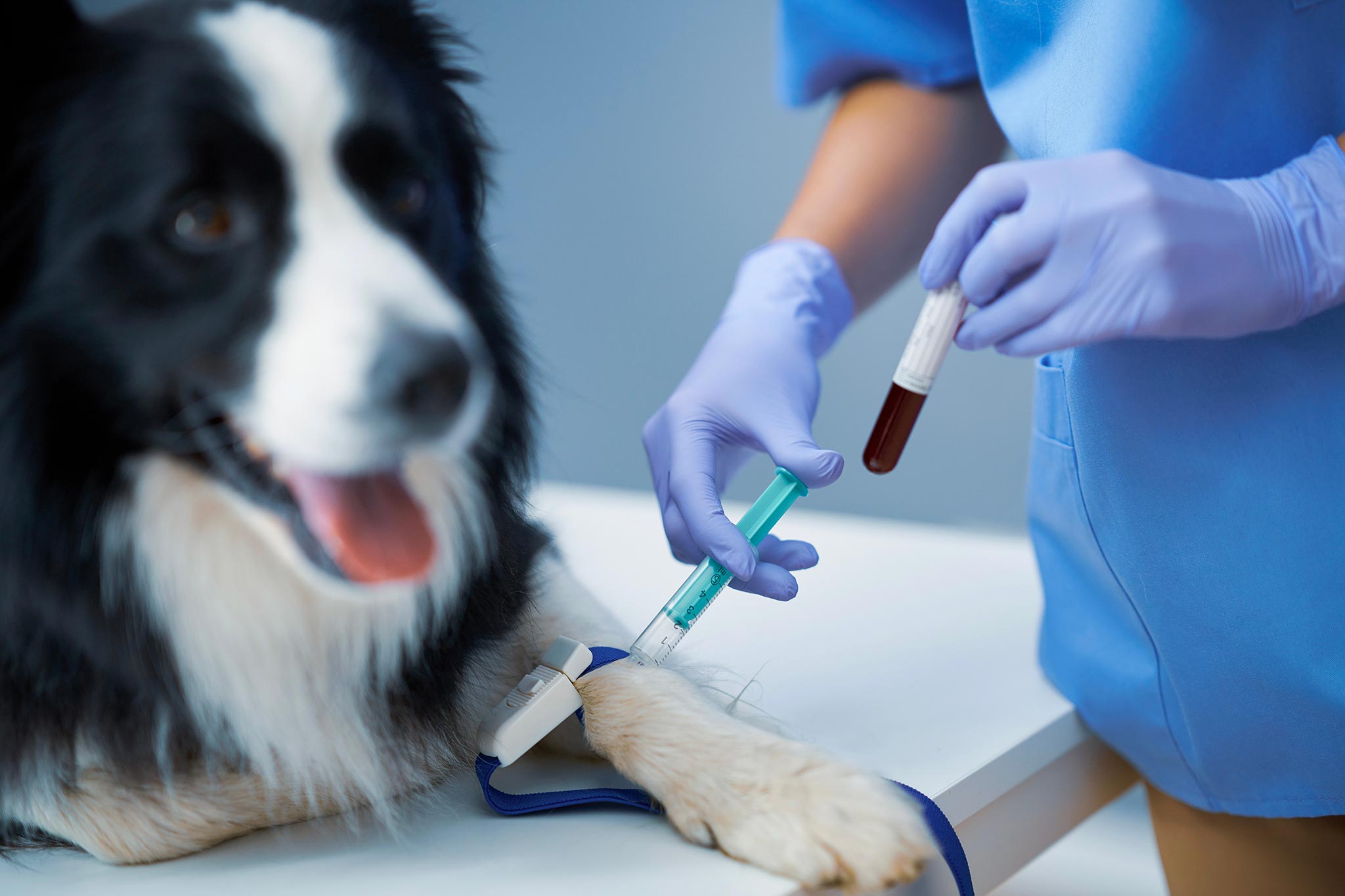
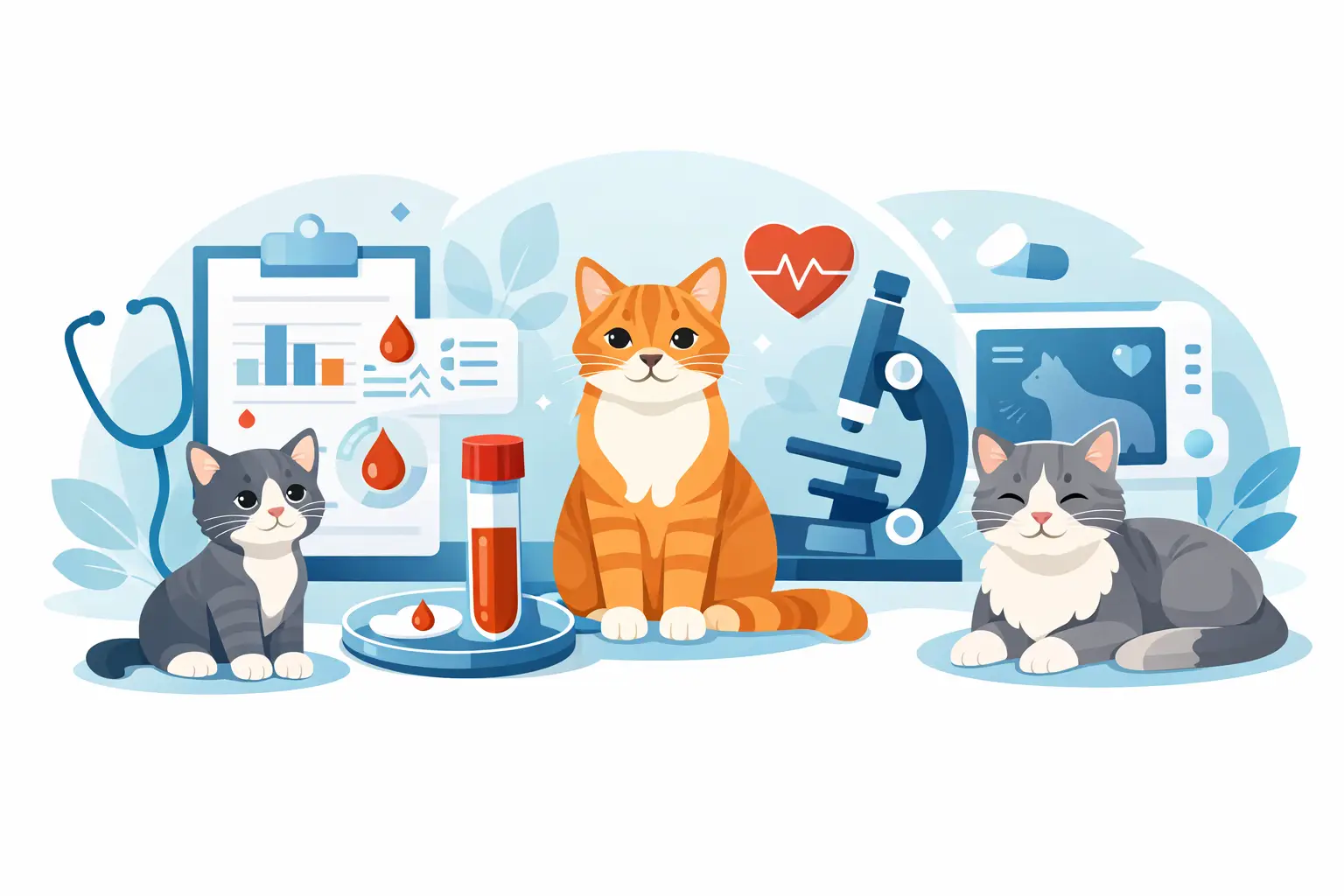
Blood testing involves sending a sample of the pet’s blood to a laboratory where it can then be analyzed by a veterinarian for internal functions within the body. The information obtained from this type of testing can provide the pet owner with an overall assessment of their pet’s health.
The most frequently performed blood tests for pets are as follows:
- Complete Blood Count (CBC) – Evaluates red blood cells, white blood cells, and platelets.
- Biochemistry Panel – Evaluates how well each of the body’s organs is functioning, including the liver, kidneys and pancreas.
- Thyroid Test – Measures the level of thyroid hormones within the pet’s body.
- Heartworm Test and Tick Disease Testing – Evaluates the pet for any infections caused by parasites.
Why is early detection crucial in pets?
Detecting the diseases early is crucial in pets to cure them as early as possible, which helps the diseases to become less severe and can be treated without spending much money. Diseases can slowly damage the organs in pets and can lead to chronic issues. Doing blood tests can help you detect problems early in the pet and can start the treatment as early as possible.
Early detection of diseases in pets can cause serious issues in pets and can help reduce the emergency cost upfront. This helps to increase the life span of your pet and also improves the quality of life for the pet.
It will detect the problems early and can let your pet live a healthy life.
Early Detection of Illnesses through Blood Tests

Kidney Disease in pets
Older pets (cats and dogs) may experience problems with the kidneys – these organs are responsible for filtering waste from the blood. For this reason, bloodwork is a good indicator if the kidneys are functioning properly. Some indicators found through bloodwork for pets that may be experiencing early kidney disease include:
Increased levels of creatinine, elevated levels of blood urea nitrogen (BUN), and electrolyte imbalances.
Although pets do not always show signs of having kidney disease, the most reliable way to assess whether your pet has a medical condition is through regular testing.
Liver Problems
The primary function of a pet’s liver is to digest food, rid the body of harmful substances, and metabolize nutrients. When a veterinarian conducts blood chemistry tests, the presence of elevated levels of liver enzymes may indicate that your pet has one of the following issues:
- liver infection
- exposure to toxins
- Inflammatory
- liver disease.
Should liver problems be detected early, a veterinarian will be able to begin treatment to help prevent irreversible damage to the pet’s liver.
Diabetes
Diabetes has recently increased in prevalence among pets. Overweight cats and older dogs are more likely to be diagnosed with diabetes. Bloodwork can quickly detect elevated glucose levels, which could indicate that there may be developing complications as a result.
Common signs that your pet may have diabetes are:
- increased thirst
- frequent urination
- weight loss
- increased appetite.
Regular blood-work may identify elevated glucose even before the animal exhibits signs of having diabetes, so it is important to get your pets tested at least once per year.
Thyroid issues in pets
Thyroid issues can also be very common in pets and can cause various issues. Detecting these with the blood test is very crucial. Having hypothyroidism can give rise to certain symptoms in pets. The thyroid can cause various issues in pets.
- Weight loss can be seen in pets.
- Increased appetite throughout the day
- Hyperactivity all day
- Heart problems
In dogs, hypothyroidism may lead to:
- Weight gain is another symptom of the thyroid.
- Hair loss in pets or thinning
- Low energy all day
Blood Work Can Indicate Infections & Inflammation
Blood work is an important tool for detecting infections, even when there are little or no signs of sickness.
If there are changes in the number of white blood cells (WBCs), this may indicate that your pet is infected with a bacterial or viral pathogen, or that there is a problem with their immune system, or that there is inflammation in the body (internal).
This information is important for your veterinarian to determine if additional testing will be required or if your pet needs to be treated with medication.
Blood Work Can Indicate Cancer
Blood work cannot definitively diagnose cancer, but it does provide some indication of a problem that may be present (e.g., tumors).
For example, abnormal WBC counts, high blood calcium levels, and abnormal organ function may all be indicative of the possibility of tumor formation. The information can also lead the veterinarian to pursue additional tests to find out if your pet is actually sick and/or has cancer.
Many Senior Pets Require Blood Work
With older pet (senior) dogs and cats, as they age, the likelihood of developing disease increases. Therefore, many veterinarians suggest that senior pets have an annual or bi-annual blood test performed.
Examples of disease conditions common to senior pets are arthritis, kidney disease, liver disease, diabetes, thyroid disease, and heart disease.
When your veterinarian runs routine blood tests, they can compare) The current results of previous blood tests can help identify any changes in your pet’s health over time.
Blockquote
Regular blood tests help detect hidden diseases in pets early.
Conclusion
Doing blood work for pets is very crucial. Many symptoms do not appear early and can only be detected with blood tests. Doing the regular blood tests will detect the problems early and will let you start the treatment early.
All Creatures Veterinary Center is a top veterinary center that provides the best diagnosis and treatment for pets. Feel free to take pets to the center and make sure that you get the diagnosis.
Veterinary Center – All Creatures Veterinary Center
Address – 22722 Lyons Ave #5, Newhall, CA 91321
Phone – (661) 291 – 1124
Frequently Asked Questions
Which is the best veterinary center for pet surgery and blood tests?
All Creatures Veterinary Center is a top veterinary center that provides the highest quality treatment to pets at reasonable prices.
Why are routine blood tests important for pets?
Because early diagnosis of hidden diseases provides an opportunity to treat them before patients experience serious symptoms.
How frequently should pets undergo blood testing?
Annual blood testing should be performed on the majority of pets while senior pets may require more frequent testing.
Is it possible to use blood tests to identify kidney disease in pets?
Yes, blood testing can reveal early signs of renal dysfunction before any visible signs of a problem emerge.
Are blood tests painful for pets?
Blood testing is typically performed with a single quick needle stick and is generally considered a safe, minimally painful procedure for the animal.
What are some examples of the conditions detectable through blood tests in pets?
Blood tests could also be used to confirm diabetes, liver dysfunction, infections, thyroid disease and many other conditions.