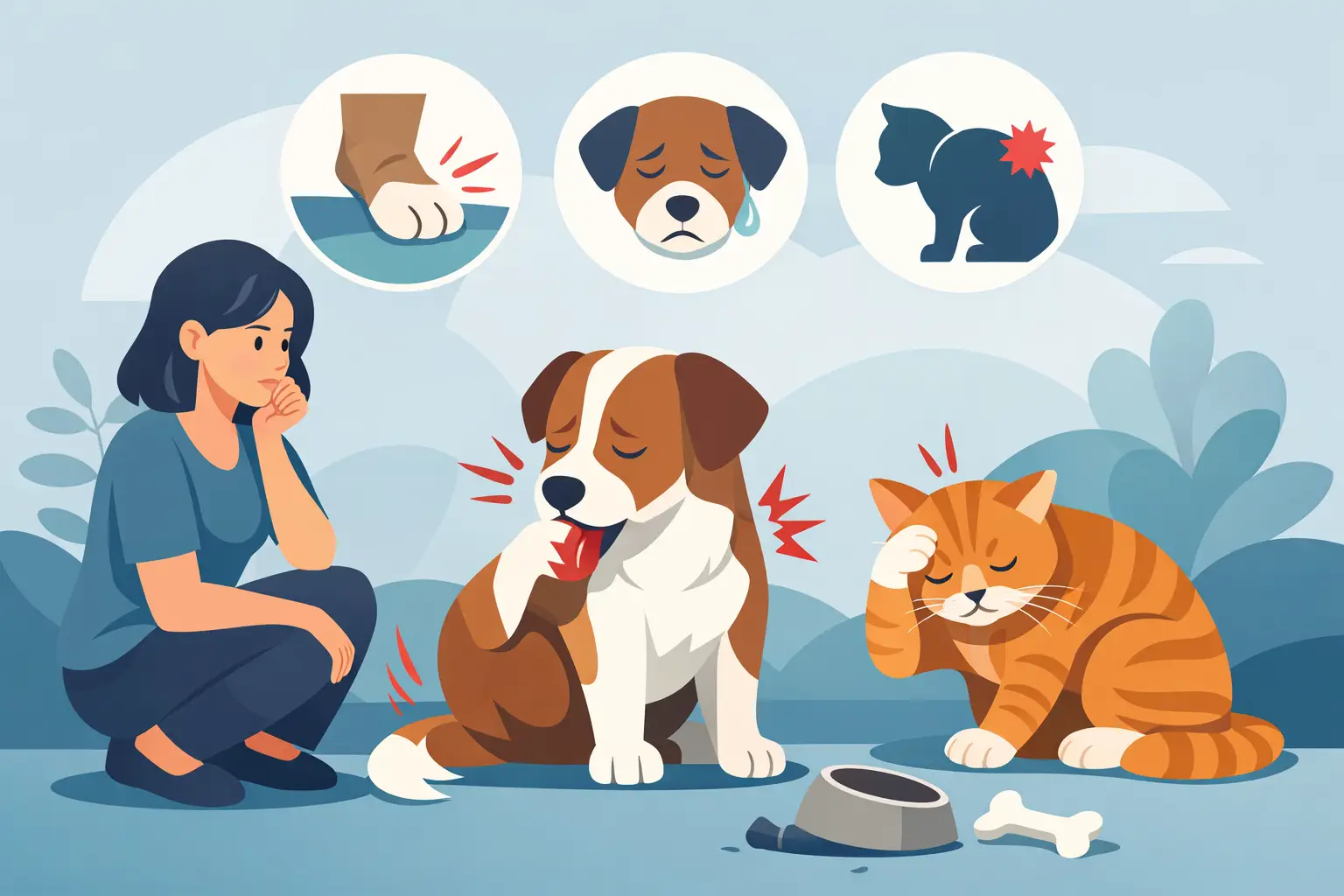
Every pet owner desires for their furry companion(s) to stay with them for many years into the future so that they can enjoy quiet time in the mornings, like snuggling, and active times in the afternoons with things like playing fetch or going for long walks. However, great pet parents do not just provide their furry companions (dogs/cats) with love and treats; a great pet parent also provides their pets with pro-active preventive care to be one step ahead of any potential issues that may arise concerning a pet’s health. A great example of the need for preventive care is Preventive Veterinary Care: The Foundation of Lifelong Health for Pets, which addresses the need for early detection of disease and the need for proactive care versus waiting to see if a small limp exists (and then realizing that it is something serious) or waiting until your pet’s appetite decreases before doing something about that problem. If you provide preventive veterinary care by taking a proactive approach today, you will provide a much better quality of life for your furry companion as he or she ages, and your furry companion will be able to live longer than he/she otherwise would be able to because of the preventive veterinary care you provided while your furry friend was younger.
What Exactly Is Preventive Veterinary Care?
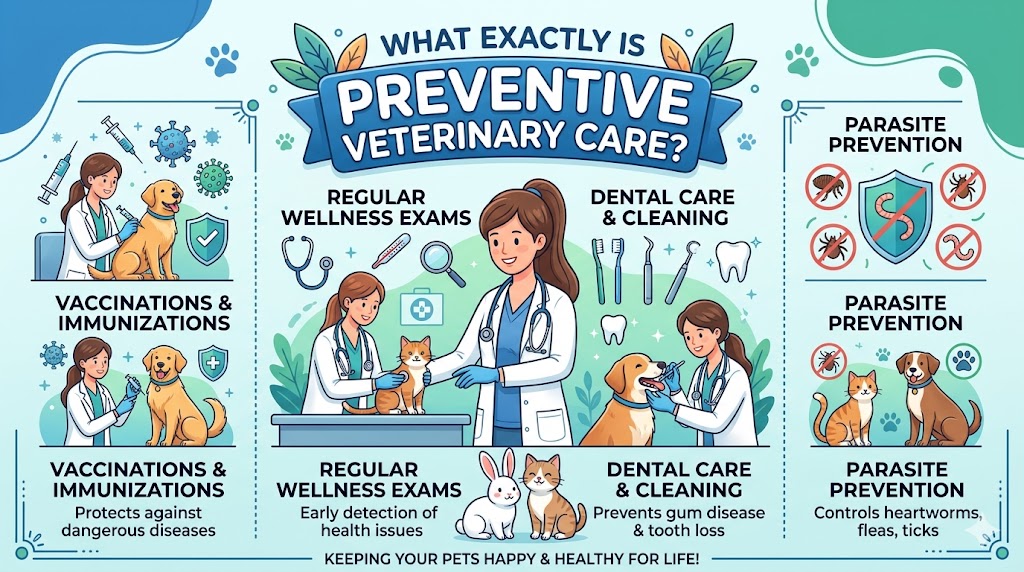
Preventive veterinary care is essentially a forward-thinking health approach. Routine medical services that can help identify and treat an animal’s health care problems before they become significant or potentially life-threatening. Similar to how you perform maintenance on your vehicle, preventing your pet from developing multiple health problems is an excellent way to help your animal remain healthy and live long-term (ex. changing the engine oil will prevent an engine from failing). The following actions are part of preventive veterinary medicine and help maintain your animal’s health:
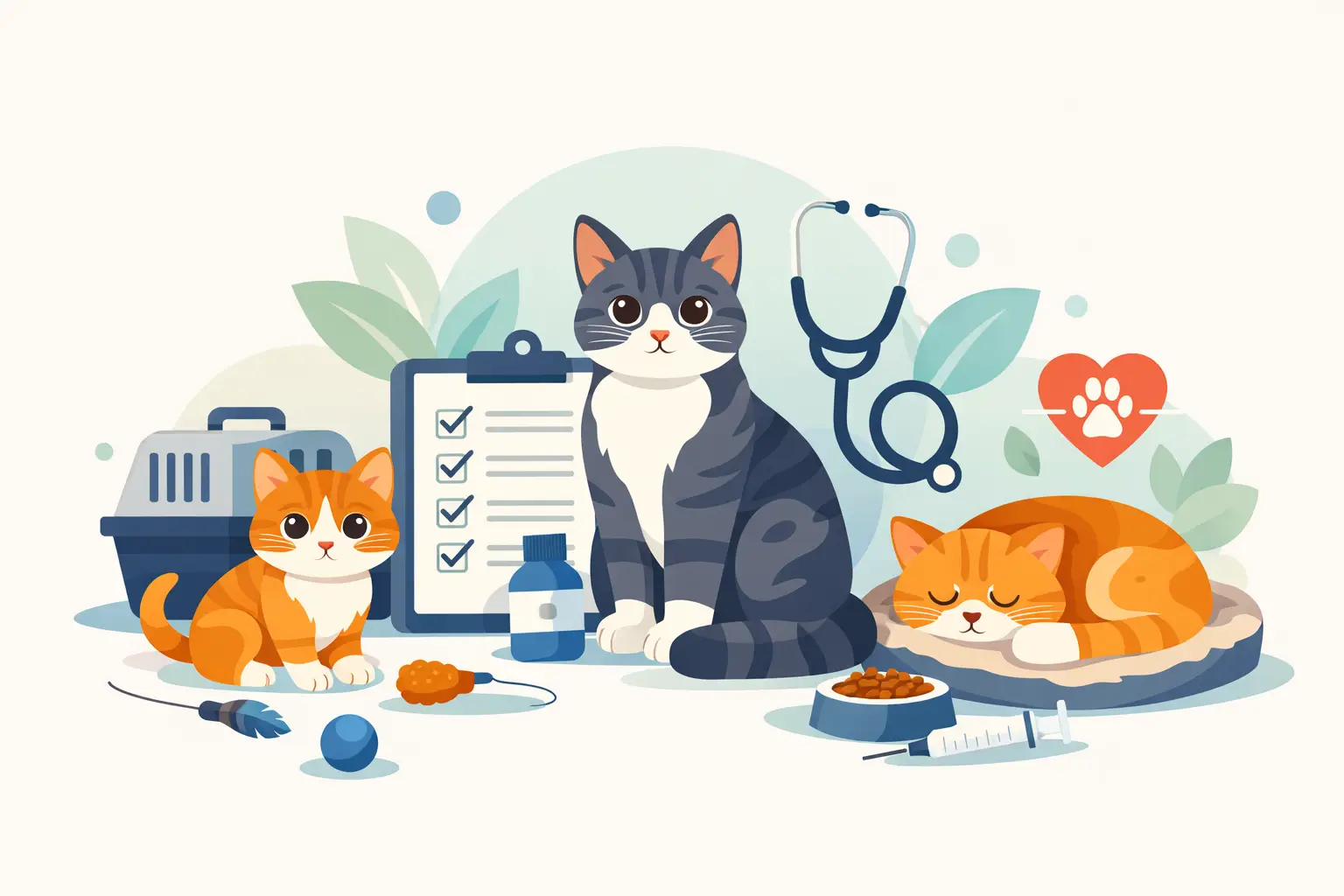
- Routine wellness exams- Providing a complete “head-to-tail” physical examination
- Vaccinations- Designed to protect your animal against contracting contagious and potentially fatal diseases and conditions
- Parasite prevention- Designed to keep fleas, ticks and heartworm from infesting your pet and causing harm
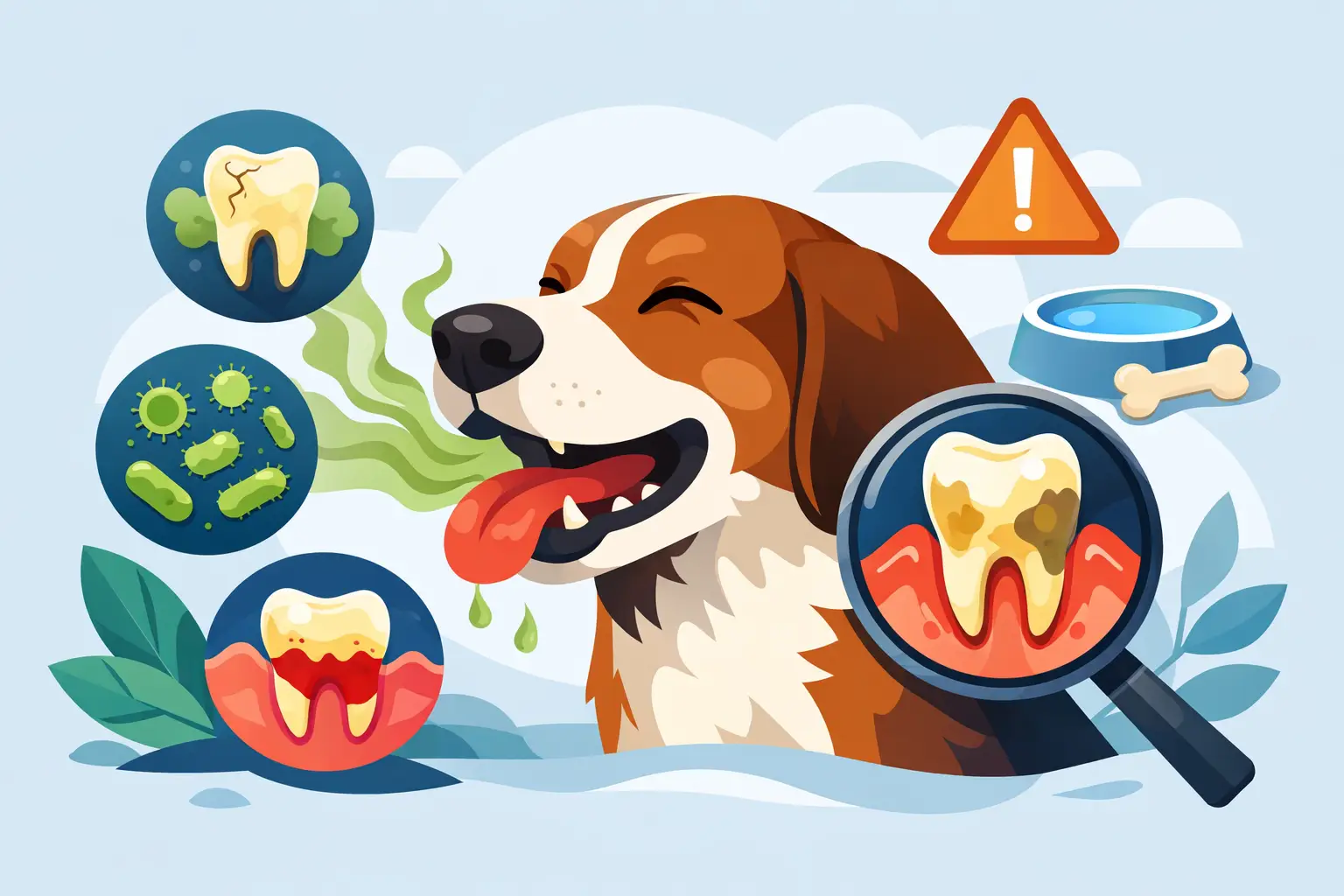
- Dental care- Designed to prevent your animal from developing multiple dental and systemic infections
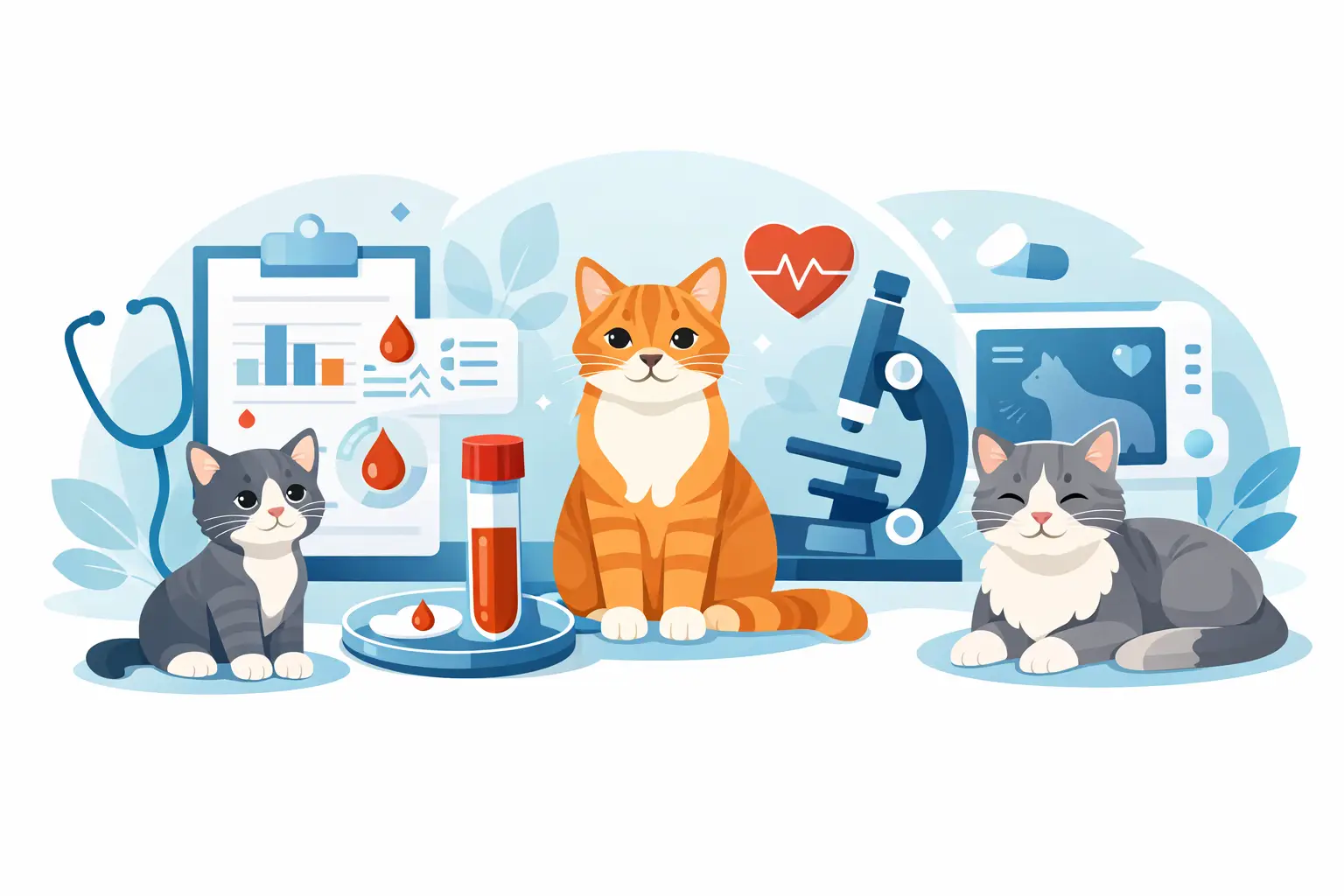
- Diagnostic screening- Use of blood work and/or urinalysis to identify animal disease or health concerns “under the hood”.
Why Prevention Beats Reaction
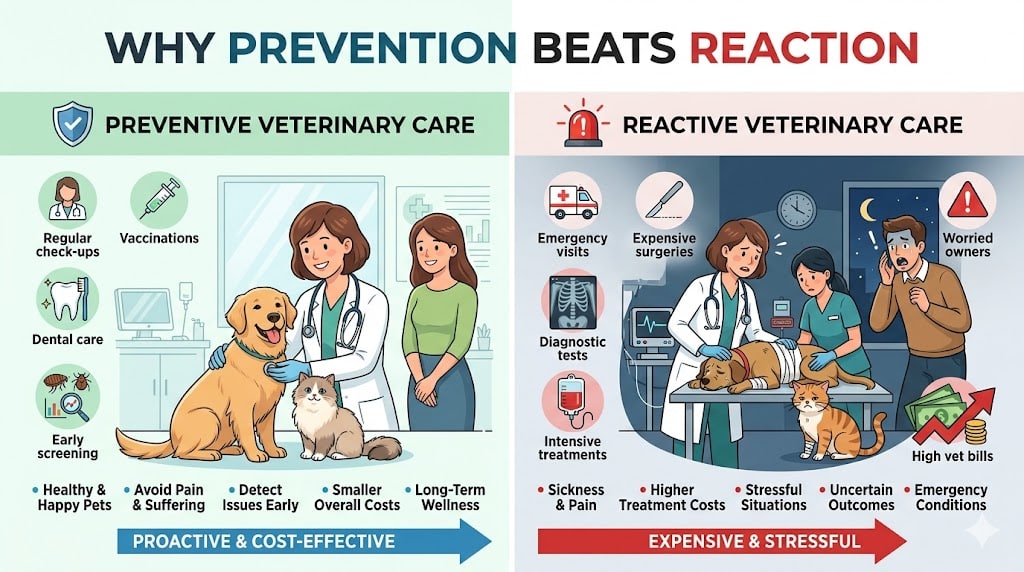
It is well known that animals hide their discomfort. Animals must show strength if they are to survive and thrive. Domestic animals, like their wild counterparts, will exhibit the same mannerisms. There are numerous health problems that develop over time without obvious symptoms, such as diabetes, kidney disease, and heart disease. Because animals hide their discomfort, it is very apparent that by the time symptoms are found, it is too late to effectively address the underlying issue. By providing routine preventive veterinary care, these types of health problems can be identified at their inception and result in improved outcomes, reduced long run cost of care, and, most importantly, an extended life for your companion.
Core Components of a Healthy Pet
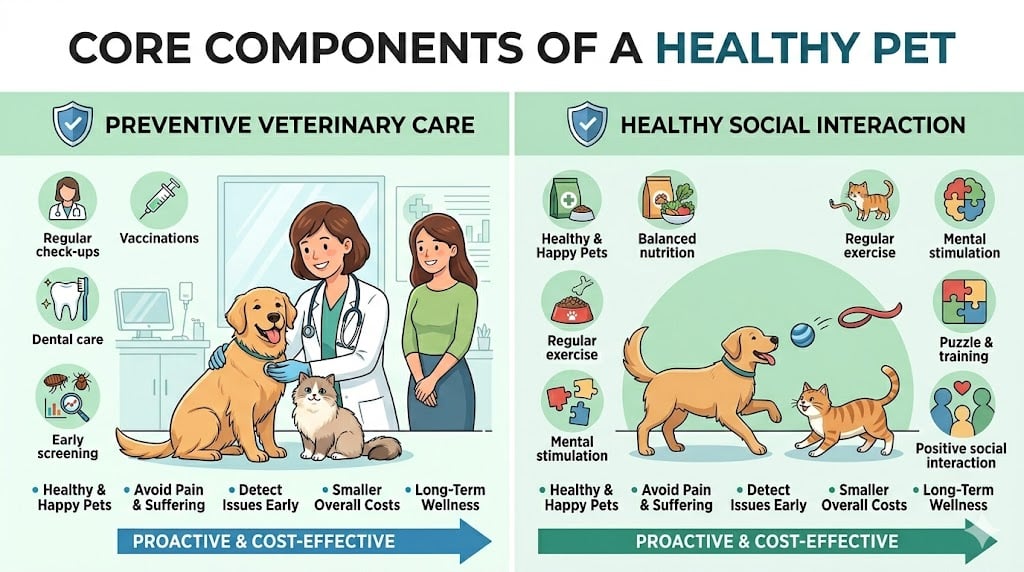
1. Regular Wellness Checkups
Health depends greatly on regular annual/bi-annual checkups with the doctor. During these appointments, your doctor will assess your child’s body condition, listen to their heart and lungs, and will look at their skin, eyes, and ears. This is also a great time of year to discuss any changes you may have seen in your child’s behaviour at home.
2. Vaccinations Tailored to Your Childs Lifestyle
Vaccinations aren’t just one size fits all, so having a proper preventive healthcare plan is individualised, based on your child’s lifestyle. For example, is your child an avid dog park visitor, a hiker, or does your child tend to stay indoors? Each of these influences your child’s schedule for preventive healthcare for regional risks (e.g., rabies) and all types of vaccinations (e.g., parvovirus).
3. Year-Round Protection from Parasites
Parasites such as heartworm (transmitted by mosquitoes) and ticks (transmitters of Lyme disease) are both annoying and dangerous. Year-round parasite preventatives are not only safer and easier than trying to treat a current heavy problem and the resulting secondary illness.
4. The Importance of Proper Nutrition
What your child eats provides fuel for his/her immune system. A well-fed child is healthier, has optimal weight management, has healthy joints, and has less of a chance to develop chronic illnesses such as urinary stone disease or skin allergies.
Care Through the Ages
As your pet matures, it develops different demands for care based on where they’re at in their life. When caring for puppies/kittens, a focus should be placed on the initial vaccination series, deworming as needed, and constant checks to measure growth of your pet. For adult animals, things to focus on include weight management, dental health maintenance, and some form of keeping them active/energetic throughout their lives. Senior pets require senior panels (blood work), screenings for arthritis, and continual observation of how well each organ is functioning since pets mature at a much faster rate than humans do.
As your pet grows, their needs shift:
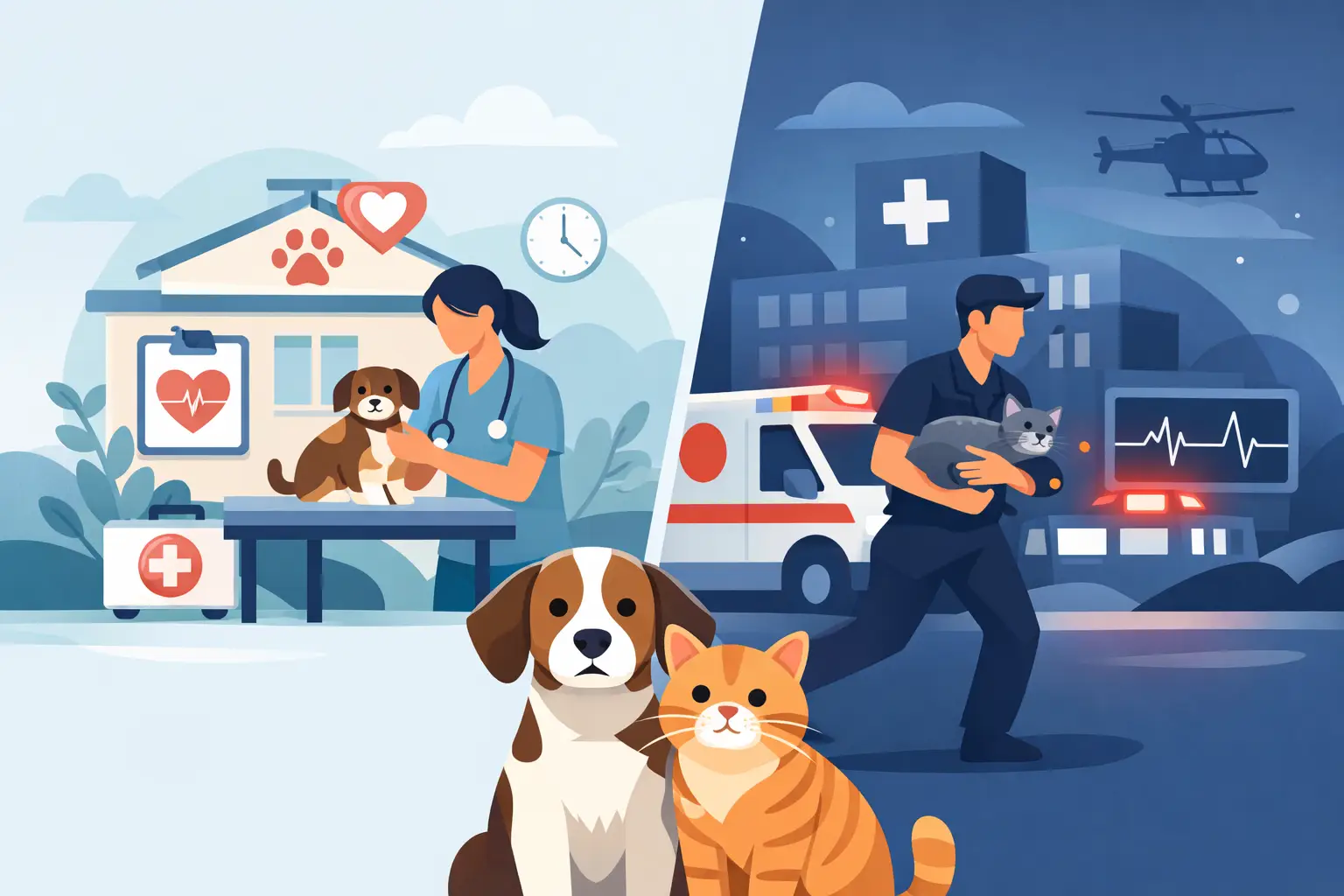
Preventive Care vs. Emergency Care
| Feature | Preventive Care | Emergency Care |
| Approach | Planned and Proactive | Sudden and Urgent |
| Cost | Budget-friendly and predictable | High immediate expense |
| Health Impact | Detects issues early | Manages advanced disease |
| Outcome | Generally excellent | Often high-risk |
Conclusion
By choosing to invest in “Preventive Veterinary Care: The Foundation of Lifelong Health for Pets”, you are making a tremendous investment in your pet’s health. It will help change how you perceive the veterinary relationship from “fixing problems” to “nurturing health”. When you catch small health issues early, you can help keep your pet by your side, healthy and happy, for many years.
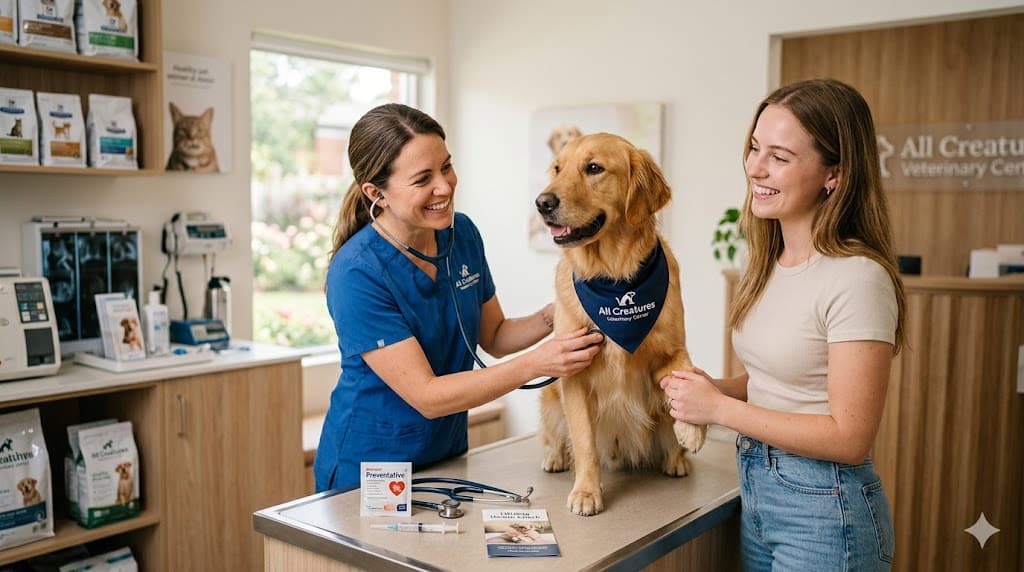
At All Creatures Veterinary Center, we work with each parent to develop a customized and individualized health plan that is right for their pet’s specific life stage. We will continue to provide preventive care during your pet’s entire life from their first kitten visit until they reach the golden years as a senior.
FAQs
My pet looks and acts perfectly fine. Why do we still need a “wellness exam”?
Excellent question! The difficult aspect of dogs and cats is that they are masters at concealing their discomfort; it is a survival skill that has been passed down through the generations. A lot of the time, you may not realize that your pet is unwell until they exhibit symptoms associated with the illness. A thorough examination of your pet at a wellness visit will allow us to examine for evidence of your pet’s potential future health issues by identifying the little details, such as weight fluctuations or newly developed heart murmurs, that you may never have otherwise noticed.
Is it really necessary to do blood work every year?
A blood test is a means of seeing what is going on inside your pet’s body, possibly before anything is visible from the exterior. Although your pet may be young and filled with energy and vitality, having a baseline blood test result will provide an invaluable objective to compare against if your pet becomes ill at a future date. In addition, blood tests are very important in early detection of problems such as kidney or thyroid conditions in senior pets, which allows for treatment options to be readily available for the owner.
There are so many vaccines—does my pet really need all of them?
The answer is no; Prevention is about a custom approach. Some vaccinations (core) for example rabies are required but others depend on your pet’s activities and what type of environment they are in. For example, if your dog has never been in a boarding facility, he may not need bordetella. We will have a conversation with you to find out where your pet goes (activities) and with who (friends) before determining which vaccinations he needs to protect itself from over-vaccination.
Can’t I just buy flea and tick meds at the grocery store?
You can purchase preventatives over the counter but the quality and safety will be less than what would be provided by veterinary-grade preventatives based on your pet’s breed and weight. Only some OTC options kill adult fleas while the preventatives recommended by your veterinarian will usually kill all stages of the flea life cycle (i.e., egg to adult). In most cases it will be cheaper to buy one dose of the good stuff (i.e., veterinary-grade preventative) instead of spending three months fighting a flea infestation.