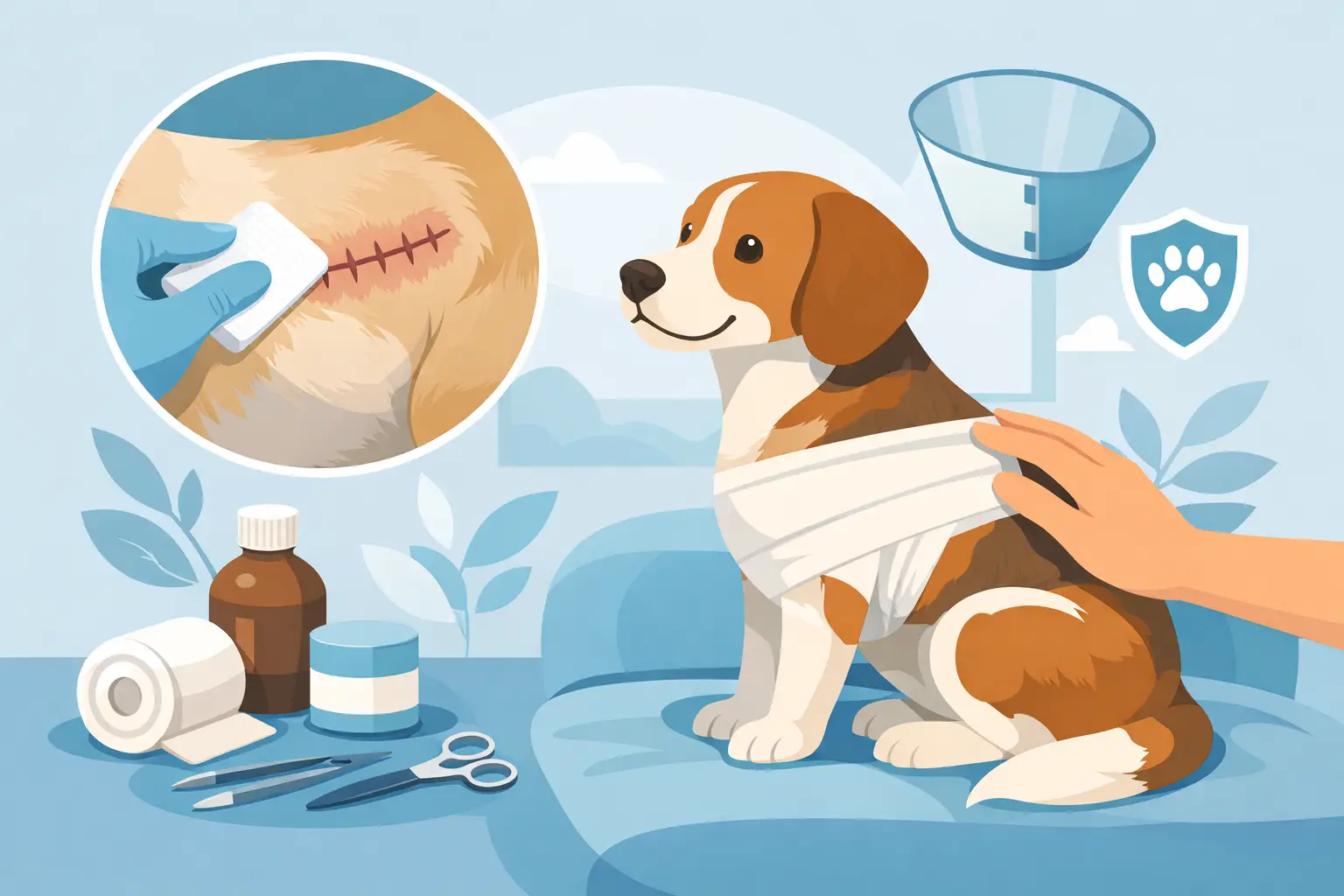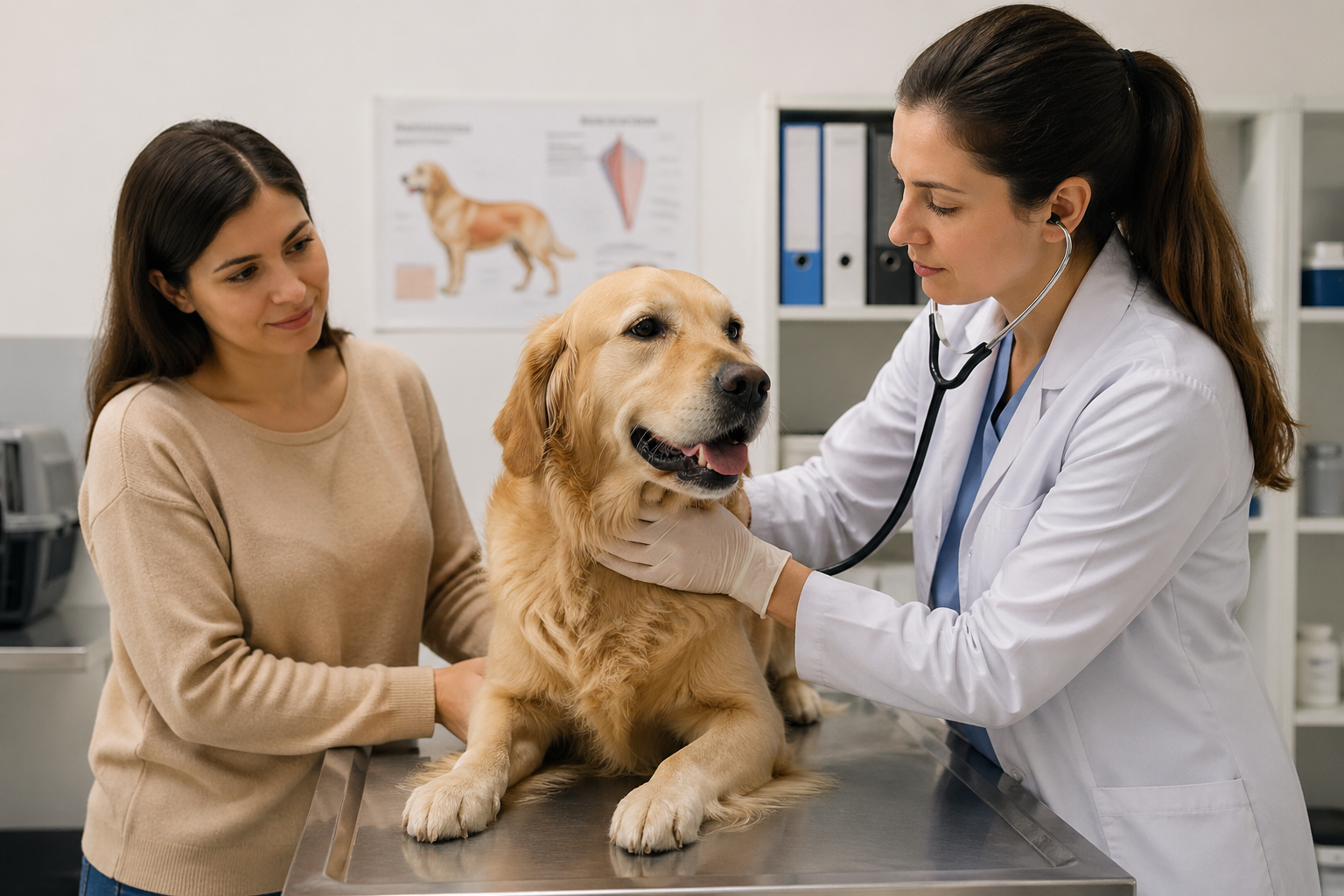
Many pet owners believe that the health of their pet is at risk from obvious health concerns such as injuries, parasites, or sudden illness; however, there are many serious health conditions that develop silently over time with little or no signs in the early stages of their disease. These hidden pet diseases can cause major issues for the pets, which can lead to serious health concerns in pets. Therefore, the majority of these “hidden” diseases will be missed until they reach a point where they become very expensive and/or difficult to treat.
Fortunately, many of the hidden diseases that we will address can be prevented through diligence, including regular visits to the veterinarian, daily care of your pet, and implementing some small changes to your pet’s lifestyle. Listed below are five of the most common types of hidden diseases in pets that can be prevented and how to avoid developing hidden diseases in your pet.
In this blog, we will talk about the Top 5 Hidden Pet Diseases You Can Prevent Today.
Top 5 Hidden Pet Diseases You Can Prevent in Pets
1) Oral Disease (Periodontal Disease)
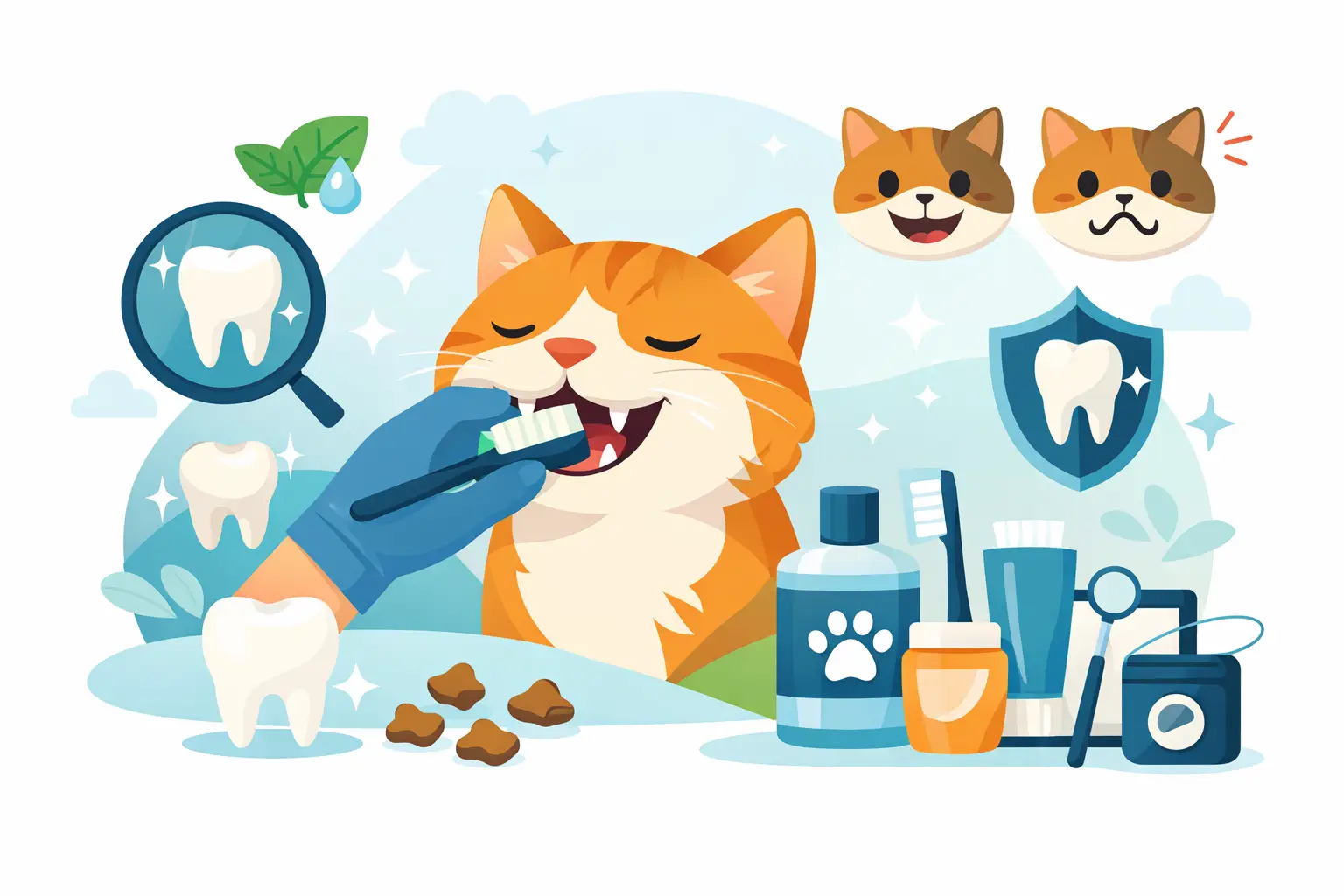
Oral disease is probably the most common type of disease our pets experience and is one of the most unrecognized types of disease due to neglect by pet owners. Oral disease starts out as plaque buildup on the teeth and progresses to an infection of the gums, tooth decay, and ultimately damage to the heart, kidneys and liver.
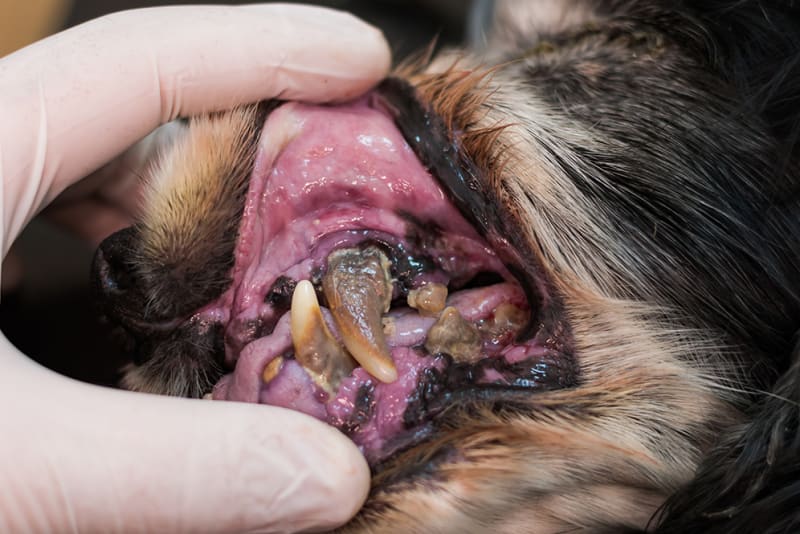
Oral disease is considered “hidden” in pets because many pets will not exhibit pain early in the disease process. The most common sign of oral disease in pets is bad breath, which owners often dismiss as a normal occurrence. However, if untreated, bacteria from the pet’s mouth can enter into the pet’s bloodstream and lead to infections within the kidney, liver and heart.
Prevention Recommendations:
- Pet owners can help to improve their pets’ dental health by brushing their teeth regularly with pet-safe toothpaste.
- using dental chews or toys that help clean and massage the gums
- Pet owners can schedule yearly veterinarian dental cleanings.
2) Chronic Kidney Disease in Pets

Chronic kidney disease (CKD) is prevalent in aging canines and felines. This condition is usually developed over time, and there will be non-specific signs of illness, but will have already caused significant kidney damage.
Chronic kidney disease affects the pet’s ability to eliminate nitrogenous waste products and maintain a proper amount of water in the body. Initial signs may be difficult to detect, because a pet may drink more and urinate more frequently than normal, both of which are difficult to distinguish from the normal aging process.
The most common cause of CKD in pets is progressive loss of kidney function over an extended period.
Prevention Recommendations:
- Provide a constant source of clean, fresh drinking water
- Feed a high-quality and well-balanced diet
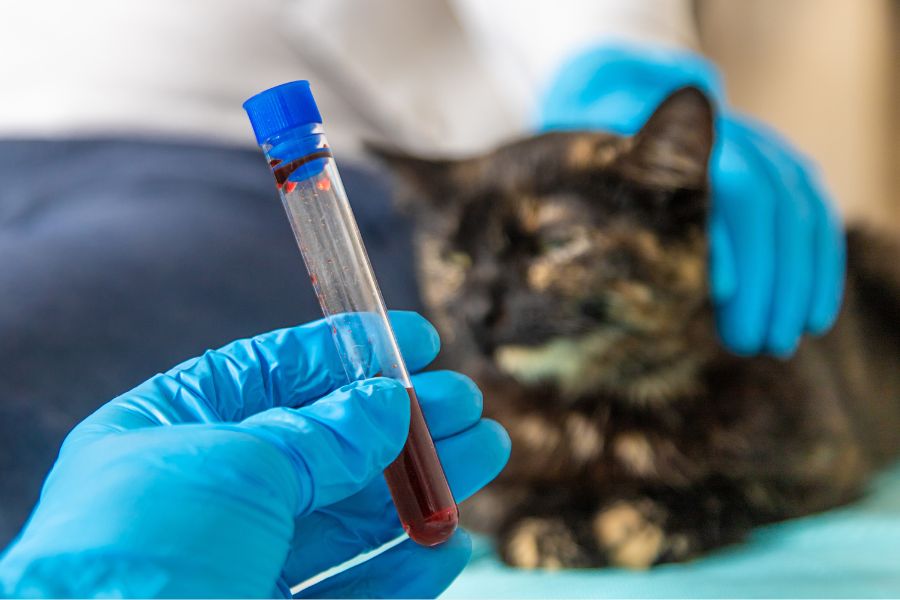
- Schedule routine blood and urinalysis testing for early detection of kidney disease
- Avoid overuse of certain medications without the advice of a veterinarian.
3) Diabetes in pets

Diabetes is a growing problem in pets—largely resulting from obesity & poor diets— and occurs when an animal’s body doesn’t properly regulate blood sugar levels.
The main problem is that the early signs of this disease are subtle (e.g., small amounts of weight loss, increased appetite, excessive thirst and urination). As a result, many people do not pay attention to the early signs, which eventually lead to complications with the eyes, nerves, and other organs.
The condition is known as Diabetes mellitus in pets and can be managed effectively if caught early.
Ways to help prevent diabetes include:
- Maintaining a healthy weight by controlling portion sizes
- Avoid feeding pets table scraps and/or sugary treats
- Encouraging adequate exercise
- Having your pet regularly examined by a veterinarian.
4) Heartworm Diseases

Heartworm disease (HWD) is an extremely serious and potentially deadly worm that lives as a parasite inside your pet’s body. It is transmitted through the bite of infected mosquitoes.
As a result, this type of disease can remain asymptomatic while developing within a dog/cat over an extended period. Unfortunately, by the time a dog has developed symptoms (e.g., coughs excessively, is tired or doesn’t breathe properly), it has reached an advanced stage of infection.
Heartworm (as referred to in both dogs and cats), while easily prevented by using prevention medications monthly, is severely difficult to treat when an infection develops.
If you wish to protect your dog/cat from Heartworm, please pay close attention to the following tips:
- Give your pet oral medications for Heartworm prevention every month
- Limit your pet’s time around mosquitoes and in areas where mosquitoes are prevalent
- Get your pet tested for Heartworm once a year.
5) Ear Infections

Both cats and dogs frequently suffer from ear infections that may be asymptomatic initially but develop into painful and/or severe conditions. Ear infections can manifest as a result of bacterial, fungal, allergic, or trapped moisture in the ear canal.
Signs of ear infections may not be readily apparent to a pet owner. Instead, common signs of a pet suffering from an ear infection are excessive head shaking, scratching at or rubbing of ears, and/or an unpleasant odor emanating from the ear or ears.
Repeated episodes of ear infections can result in permanent hearing loss or chronic pain.
The medical term for ear infection in a pet is otitis.
Prevention Strategies to avoid ear infections in pets
- Use a veterinarian-approved cleaner for regular cleaning of the ears
- Make sure to dry your ears thoroughly after bathing and/or swimming
- Treat allergies (if applicable) early
- Monitor for early signs (e.g., redness, odor)
Why These Conditions Go Unnoticed in Pets
Many of these conditions progress slowly. Animals also have a natural tendency to hide discomfort as part of their survival instinct. Therefore, it is extremely important to have your animal seen regularly by a veterinarian.
Most pet owners discover these conditions only in the event of a medical emergency due to the advanced stage of the disease process when the cost, complexity, and/or risks associated with treatment are significantly increased compared with treating the same condition when it is identified earlier in the disease process.
Blockquote
The most dangerous pet diseases are the ones you don’t see—prevent them early with simple care and regular checkups.
Conclusion
Keeping an eye on and regularly screening with the vet for your pet can save your little friend from chronic diseases. Make sure you keep an eye on the hidden symptoms to quickly address them with the vets. Stay proactive and give your pet a beautiful life.
All Creatures Veterinary Center is a top veterinary center for pets. Feel free to take your pet for any cure and regular screening. All the services are at reasonable prices and provide the best care for your pet.
Veterinary Center – All Creatures Veterinary Center
Address – 22722 Lyons Ave #5, Newhall, CA 91321
Phone – (661) 291 – 1124
Frequently Asked Questions
Where can I take my pet for regular checkups and treatment?
All Creatures Veterinary Center is the best veterinary center for your pet for regular screening and care.
How often should the pet owner take their pet to the veterinary center for screening and tests?
They should take their pets at least once or twice a year. If your pet is young, it might need more vet visits.
How can you prevent or eliminate the hidden pet issues?
You can prevent the hidden problems by going to the vet to avoid any chronic disease in your pets.
Are there any early symptoms and signs of any type of disease in pets?
Pet health changes such as eating less, drinking less, altered behavior, and reduced activity can be very subtle. These can be the early symptoms that can convert into chronic issues. Make sure to visit a vet to get a proper diagnosis.
Is it important to provide regular dental care for your pet?
Yes. Without proper dental hygiene your pet could develop infections, and over time that does affect other organs in your pet.
Should I be giving my pet preventative care if he/she is an indoor pet?
Most definitely! An indoor pet can still develop health problems that affect the diabetic, kidney diseases, and also have dental health problems like any outdoor pet would.