A dog who suddenly stops greeting you at the door or a cat who no longer jumps onto a favorite windowsill may not be “just getting older.” Those quiet changes are often among the top signs of pet pain. Cats and dogs are remarkably good at hiding discomfort, so noticing small shifts in movement, routines, appetite, or personality can make a real difference in how quickly they receive relief.
Pain is not always obvious, and it does not always look dramatic. A pet can be uncomfortable from dental disease, arthritis, an injury, stomach illness, spinal problems, or many other conditions while still eating some meals and enjoying parts of the day. The goal is not to diagnose the cause at home. It is to recognize when your pet is telling you something has changed and arrange the right veterinary evaluation.
Top Signs of Pet Pain in Cats and Dogs
Changes in movement or posture
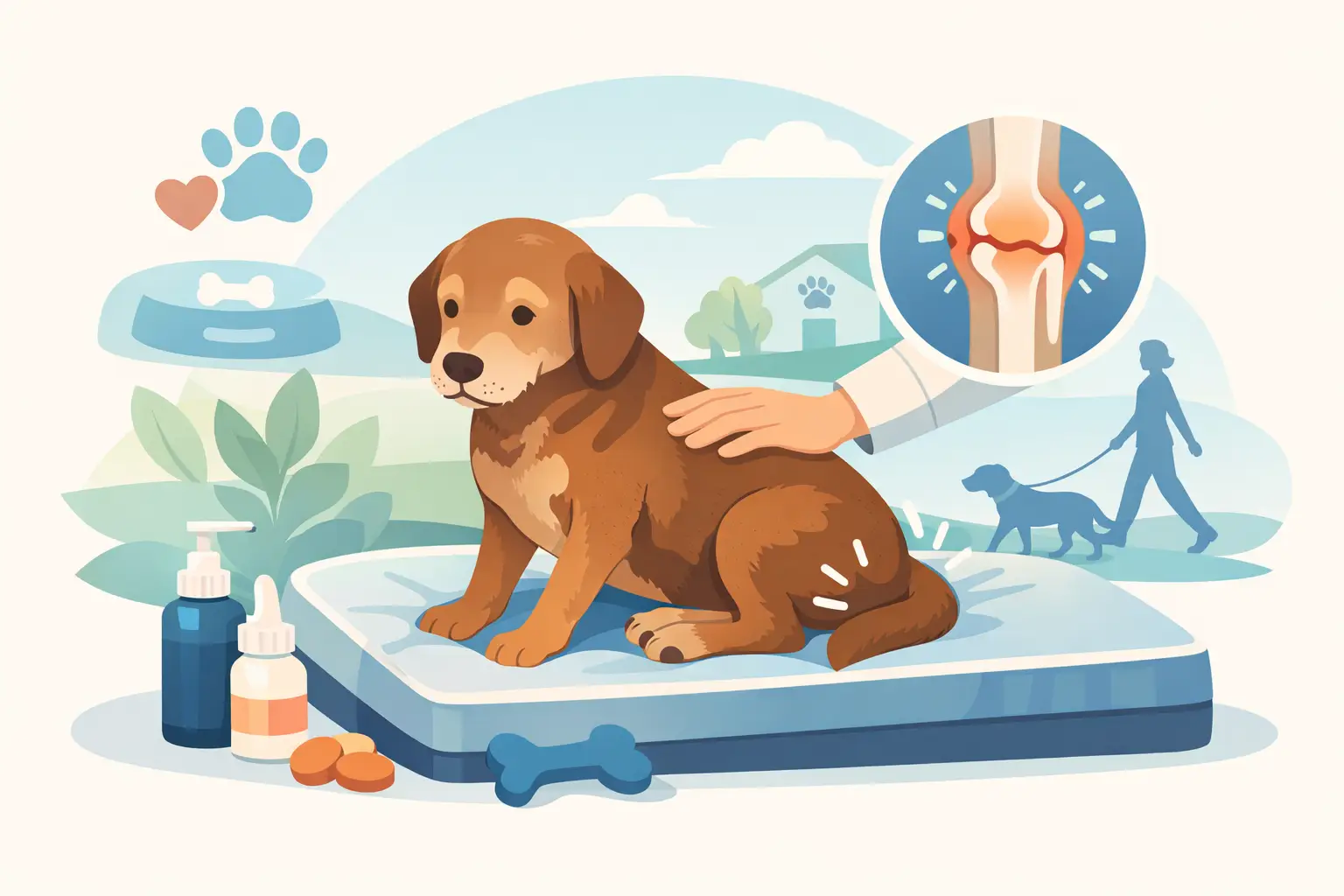
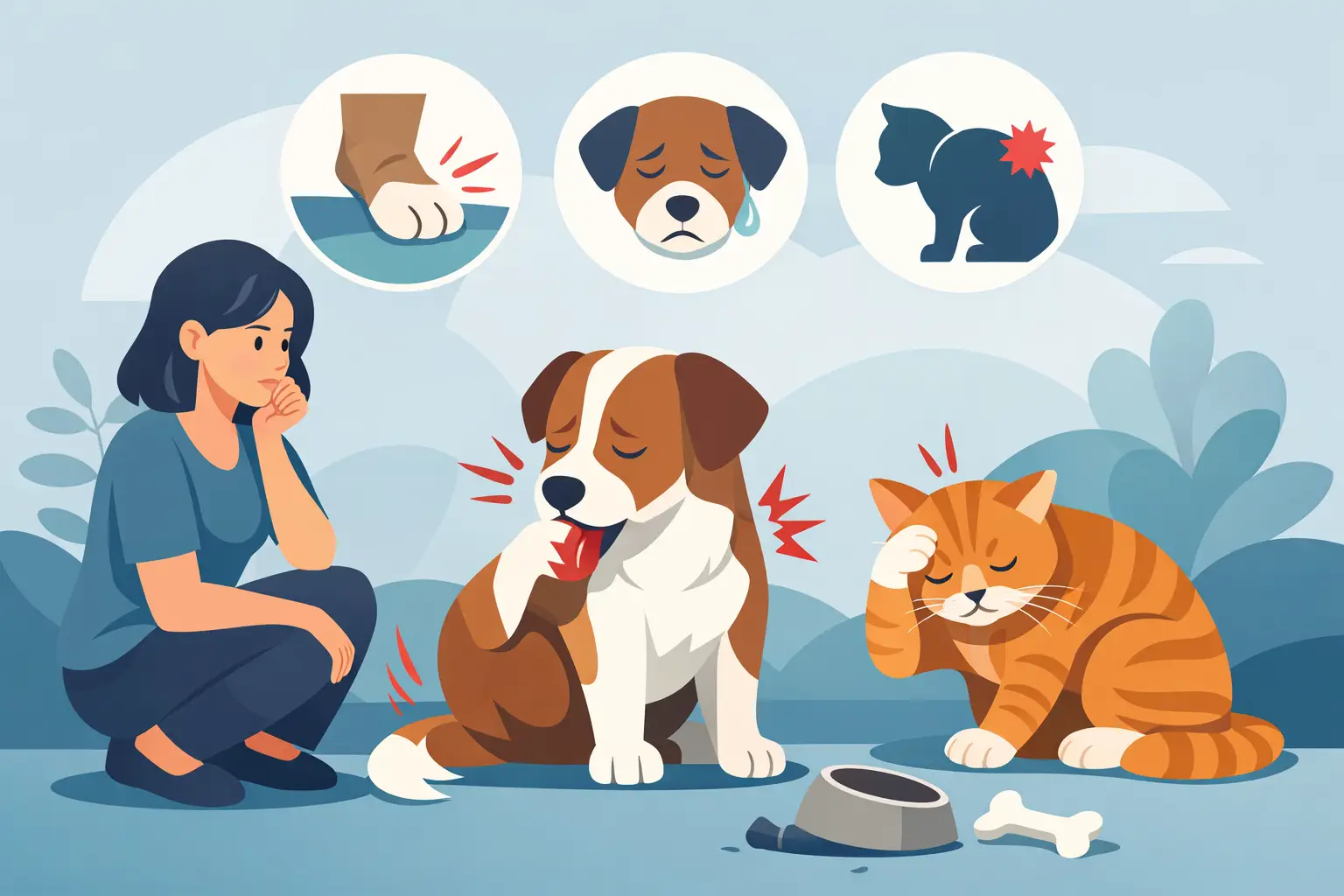
Limping is a familiar sign, but it is far from the only one. A painful pet may walk more slowly, hesitate before climbing stairs, struggle to rise after resting, or avoid jumping into the car or onto furniture. Some pets shift their weight away from a sore leg, hold their head or back differently, or sit with one limb extended.
Watch for changes that appear only after activity, too. A dog with joint pain may seem fine at the beginning of a walk but lag behind later. A cat with arthritis may still get to a preferred high spot, but use a chair or lower surface as a step instead of making one easy jump. These adaptations can be easy to miss because pets often compensate gradually.
Pain can also cause restlessness. Your pet may repeatedly change positions, pace, circle before lying down, or seem unable to settle comfortably. A hunched back, tucked abdomen, stiff body, or unusual reluctance to be touched can point to discomfort even when there is no limp.
Less interest in normal routines
A pet who hurts may pull back from activities that once brought joy. This can look like skipping a walk, leaving a toy untouched, avoiding play with another pet, or staying in a quiet room rather than joining the family. Some dogs become reluctant to go outside because getting up, walking, or using stairs is uncomfortable.
With cats, reduced grooming is a meaningful clue. A painful cat may develop a dull coat, mats, or an unkempt rear end because twisting and reaching are difficult. Other cats groom one painful area excessively, creating a thin patch of fur or irritated skin.
Do not assume a behavior change is simply stubbornness or a new preference. Especially when the change is sudden or persistent, it deserves attention.
Eating, drinking, or bathroom changes
Dental and oral pain often shows up at mealtime. Your pet may chew on one side, drop food, eat more slowly, avoid hard kibble, paw at the mouth, drool, or resist having the face touched. Bad breath is common with dental disease, but it is not a normal part of aging.
Pain elsewhere in the body can affect appetite as well. Nausea, abdominal discomfort, fever, and many painful illnesses can make a pet less interested in food or water. Some pets continue eating but take treats more gently or walk away from their bowl sooner than usual.
Pay close attention to litter box and elimination habits. A cat that stops using the box may have arthritis that makes stepping over the side painful, or could have a urinary or gastrointestinal condition requiring prompt care. Dogs may strain, cry, ask to go out more frequently, have accidents indoors, or resist postures that were previously easy. These signs are not behavioral problems until medical causes have been considered.
New sensitivity, withdrawal, or irritability
Even the friendliest pet may react differently when something hurts. They may flinch, yelp, growl, snap, hide, or move away when a certain area is touched. This is not a sign that your pet has become “mean.” It is protective behavior and should be treated with care.
Other pets become unusually quiet. A normally social dog may sleep in another room. A cat may hide under a bed, avoid being picked up, or stop rubbing against people. Because cats are naturally skilled at concealing illness, subtle withdrawal may be one of the first visible signs that something is wrong.
Approach gently and do not repeatedly press or manipulate a painful area to test your suspicion. A frightened pet can bite or scratch, even if they have never done so before. Instead, make a note of what you observed and share it with your veterinary team.
Vocalization and changes in breathing
Whining, whimpering, crying out, growling, or increased meowing can signal pain, particularly when paired with changes in movement or appetite. But silence does not mean a pet is comfortable. Many animals vocalize very little, even with significant discomfort.
Rapid breathing at rest, panting when the room is cool and your dog has not exercised, or breathing with effort can also be concerning. Pain is one possible reason, but breathing changes may indicate a serious heart, lung, or airway issue. Do not wait to see whether those symptoms pass on their own.
When Pet Pain Needs Urgent Care
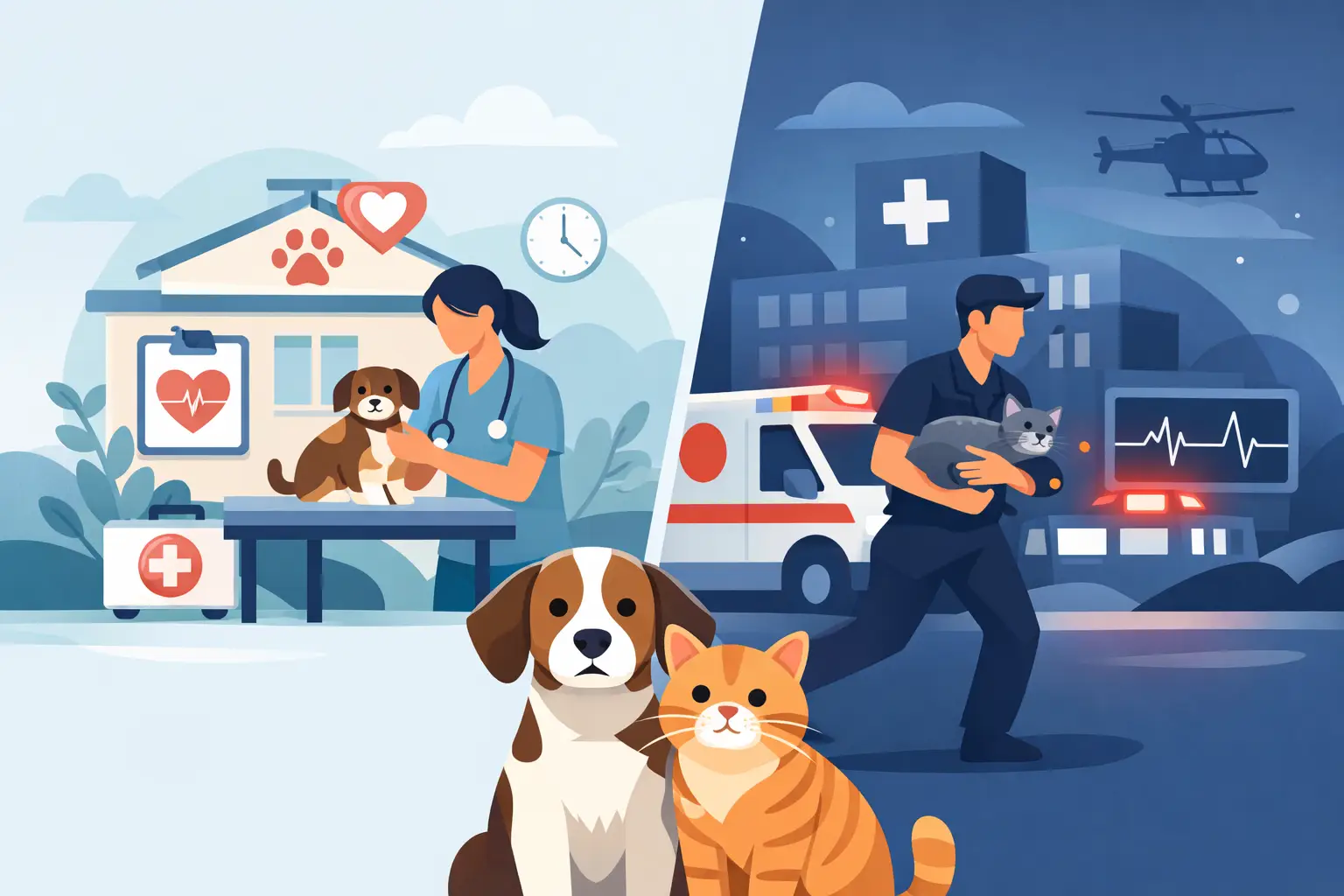
Some signs require same-day veterinary attention, while others need emergency evaluation as soon as possible. Call your veterinarian right away if your pet has sudden severe lameness, cannot stand or walk normally, cries out repeatedly, has a swollen or painful abdomen, seems disoriented, collapses, or has difficulty breathing.
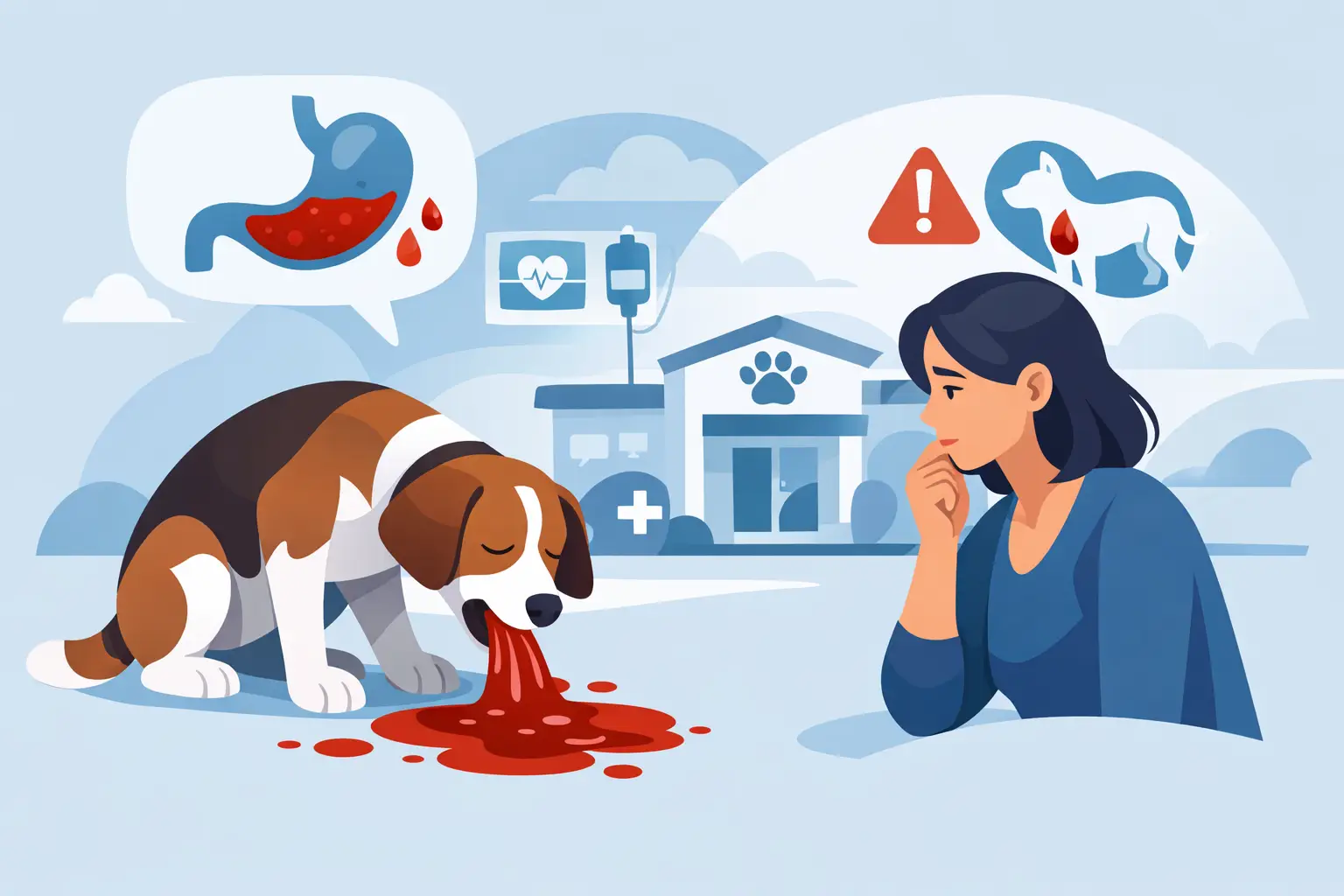
Other urgent concerns include repeated vomiting, straining to urinate with little or no urine produced, bloody stool or urine, severe weakness, a known injury, or suspected toxin exposure. A pet who appears painful after a fall, fight, vehicle accident, or other trauma should be examined even if they initially seem alert. Internal injuries are not always visible from the outside.
If you are unsure whether an issue can wait, call and describe the changes you are seeing. Details such as when symptoms began, whether they are worsening, what your pet ate, and whether normal urination and bowel movements are happening can help the team advise you appropriately.
What to Do Before Your Appointment
Keep your pet calm, quiet, and comfortably confined while you arrange care. For a dog, use a leash for short bathroom breaks and avoid stairs, jumping, running, and rough play. For a cat, provide a quiet room with food, water, and a low-sided litter box if mobility seems difficult.
Do not give human pain relievers unless a veterinarian has specifically prescribed them for your pet. Medications such as ibuprofen, naproxen, acetaminophen, and certain topical creams can be dangerous, even in small amounts. The safest treatment depends on your pet’s species, age, medical history, current medications, and the cause of pain.
A short video can be extremely helpful, especially if your pet limps, coughs, struggles to rise, or behaves differently only at home. Record from a safe distance and avoid encouraging movement that could make an injury worse. Bring a list of medications and supplements, along with notes about appetite, activity, bathroom habits, and any possible injury or exposure.
Why an Exam Matters Even When Symptoms Improve
Pets can have good hours and bad hours. A dog may seem more comfortable after resting, or a cat may resume normal behavior once guests leave the house. Improvement is encouraging, but it does not always mean the underlying problem has resolved.
A veterinary examination helps separate temporary soreness from conditions that need treatment, such as arthritis, dental infection, ligament injury, urinary disease, pancreatitis, or neurologic problems. Depending on your pet’s signs, the care plan may include a physical and orthopedic exam, bloodwork, dental evaluation, X-rays, ultrasound, or other diagnostics. The right next step depends on the whole picture, not one symptom alone.
At All Creatures Veterinary Center, our team can help families in Newhall and Santa Clarita move from uncertainty to a clear, individualized plan, whether a pet needs a wellness assessment, pain management, advanced diagnostics, rehabilitation, or surgical care.
Your closest view of your pet’s everyday life is powerful. When a familiar habit changes, trust that observation, write it down, and reach out early. A timely conversation can be the first step toward more comfortable days, easier movement, and more of the moments you both love.