The first signs of aging in pets are easy to miss. A dog that hesitates before jumping into the car or a cat that sleeps a little more than usual may not seem sick, but those small changes often matter. Geriatric pet care is about catching those shifts early, supporting comfort, and helping senior pets enjoy as many good days as possible.
For many families, this stage can feel emotional. You know your pet is getting older, but you may not know what is normal, what deserves a closer look, and what can actually be treated. The good news is that older pets often benefit from thoughtful veterinary care, practical changes at home, and regular monitoring that helps us respond before a minor issue becomes a major one.
What geriatric pet care really means
Geriatric pet care is not just routine care for an older animal. It is a more tailored approach to wellness that takes age-related risks seriously. Senior pets are more likely to develop arthritis, dental disease, kidney disease, heart disease, endocrine disorders, mobility problems, and changes in vision or hearing. They also tend to hide discomfort well, especially cats.
That is why senior care usually becomes more proactive. Instead of waiting for obvious symptoms, we look for subtle trends in weight, appetite, thirst, activity level, behavior, and lab work. Early detection does not prevent every disease, but it often gives families more options and pets more comfortable time.
Age alone does not define health. Some pets become seniors with very few medical concerns, while others need support earlier than expected. Large breed dogs, for example, often enter their senior years sooner than smaller dogs. Cats may appear independent and stable while quietly developing chronic conditions. The right care plan depends on the pet in front of us, not just the birthday on the chart.
When is a pet considered senior?
There is no single age that applies to every dog and cat. Many cats are considered senior around 10 years old, while dogs may be considered senior anywhere from 7 to 10 depending on breed and size. Giant breed dogs often age faster than toy breeds.
That said, families usually do not need to wait for a specific milestone to start thinking about senior care. If your pet is slowing down, showing behavior changes, or simply entering the later part of life, it is reasonable to ask your veterinarian whether it is time to increase monitoring. In many cases, the answer is yes.
Why checkups matter more in the senior years
Older pets change faster than younger adults. A lot can happen in six to twelve months, and because pets cannot tell us when something feels off, routine exams become one of the best tools we have.
Senior wellness visits often include a full physical exam along with bloodwork, urinalysis, and sometimes imaging based on symptoms and history. These screenings help us evaluate organ function, hydration, blood sugar, thyroid function, infection, inflammation, and more. They also create a baseline, which matters. A lab result that still falls within a broad normal range may still represent a meaningful change for your individual pet.
This is also the stage of life when owners often appreciate having one veterinary team that knows their pet well and can offer everything from preventive care to diagnostics, pain management, dental treatment, surgery, rehabilitation, and end-of-life guidance if needed. Continuity matters when decisions become more complex.
Common changes to watch for at home
Senior pets rarely read the textbook. Some show obvious symptoms, while others change in ways that seem behavioral at first. A pet that stops greeting you at the door may be painful, weak, anxious, or simply less mobile. A cat that starts missing the litter box may have arthritis, kidney disease, or a urinary issue rather than a training problem.
Pay attention to changes in appetite, thirst, weight, sleep patterns, bathroom habits, mobility, grooming, and social behavior. Bad breath, chewing on one side, reluctance to climb stairs, confusion at night, panting, pacing, coughing, new lumps, or a dull coat all deserve mention.
None of these signs automatically mean serious disease. But in older pets, they should not be brushed off as just old age. Aging is not a diagnosis. Pain, dental disease, hormone imbalance, organ dysfunction, and cognitive decline can all sit underneath that phrase.
Geriatric pet care and pain management
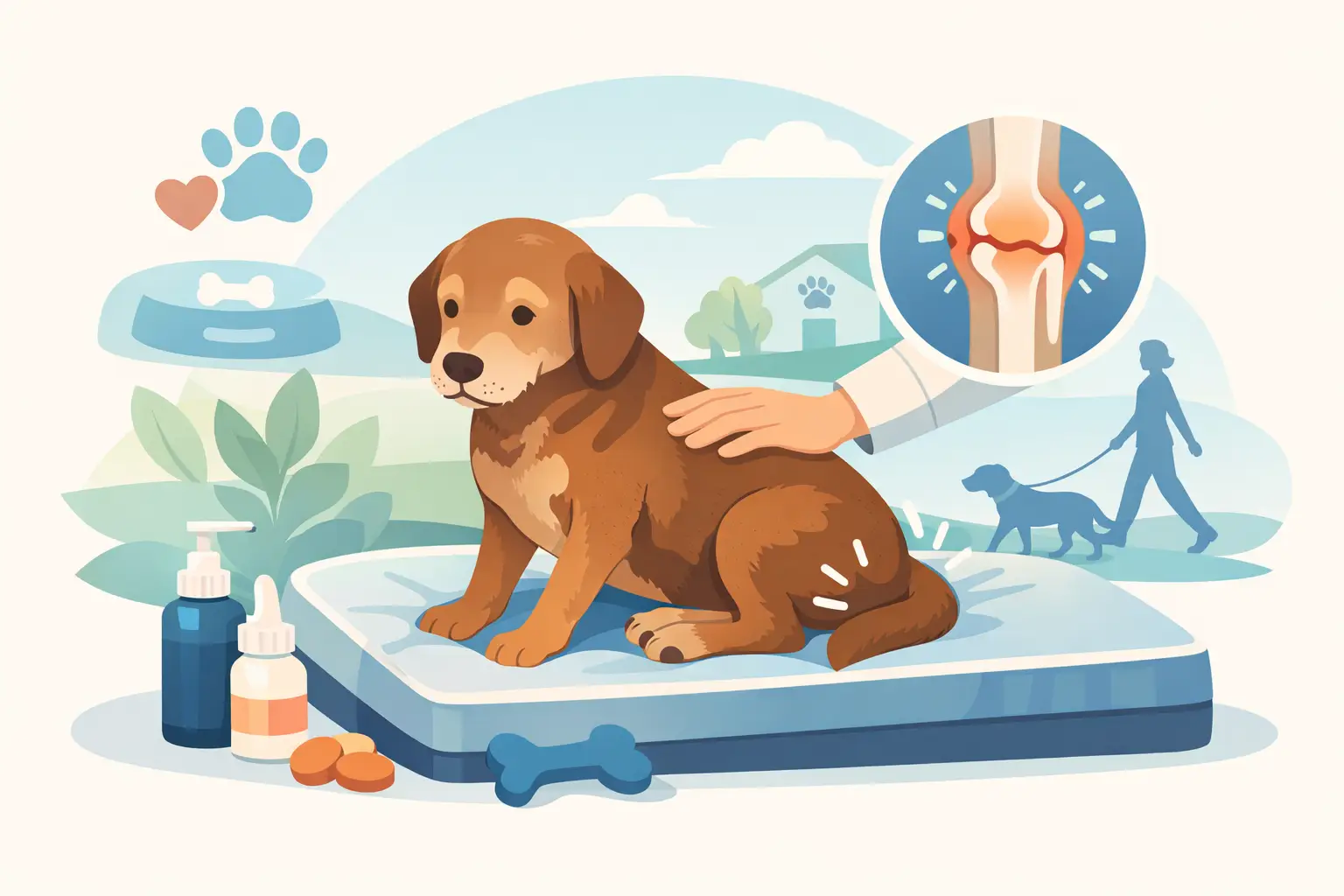
Pain is one of the most underrecognized problems in senior pets. Dogs with arthritis may slow down, lag on walks, or struggle to get comfortable. Cats often become less active, stop jumping to favorite spots, or seem withdrawn. Because these changes can be gradual, families sometimes assume they are unavoidable.
They are common, but they are not something your pet should simply endure. Pain management may include weight support, prescription medications, joint supplements, rehabilitation, laser therapy, home adjustments, and in some cases regenerative options such as PRP or stem cell therapies. The right plan depends on your pet’s diagnosis, overall health, and lifestyle.
There are trade-offs to consider. Some medications work well but may not be ideal for pets with certain kidney, liver, or gastrointestinal concerns. Supplements may help, but they usually work best as part of a broader strategy rather than a stand-alone fix. Rehabilitation can make a meaningful difference, especially for mobility and recovery, but it requires consistency. The best results usually come from individualized care, not a one-size-fits-all approach.
Dental health becomes a bigger deal with age
Many senior pets live with significant dental disease, and it does more than cause bad breath. Infected teeth and inflamed gums are painful. They can affect eating, behavior, and overall quality of life.
Older pets sometimes get overlooked for dental treatment because owners worry they are too old for anesthesia. Age itself is not the only factor that matters. Overall health status, diagnostics, and careful anesthetic planning are what guide safety. In many cases, treating painful dental disease improves comfort, appetite, and energy far more than families expect.
If your pet has tartar buildup, red gums, dropping food, facial sensitivity, or oral odor, it is worth having that evaluated. A comfortable mouth supports a better life.
Nutrition, weight, and daily comfort
Senior pets do best when nutrition is adjusted to their real needs, not just their age category. Some older pets gain weight because they are less active. Others lose weight because of dental pain, muscle loss, digestive problems, or chronic illness. Both trends matter.
Body condition affects everything from arthritis to anesthesia risk to diabetes management. Even modest weight reduction can ease pressure on painful joints. On the other hand, unexplained weight loss can be one of the earliest clues that something is wrong.
Home setup matters too. Rugs on slippery floors, ramps, orthopedic bedding, lower litter box entry, raised food bowls in some cases, and easier access to favorite resting spots can reduce strain. These changes are simple, but they can make daily life less frustrating for an older pet.
Behavior changes are often medical changes
One of the hardest parts of caring for a senior pet is figuring out whether a new behavior is emotional, cognitive, or physical. The answer is often a mix.
Older dogs may pace at night, seem disoriented, or become more vocal. Senior cats may stare into space, sleep differently, or become irritable. Some of this may relate to cognitive dysfunction, which is similar to age-related decline in people. But hearing loss, vision changes, pain, urinary problems, high blood pressure, thyroid disease, and neurological conditions can look similar.
That is why a medical workup matters before assuming a pet is simply becoming senile. Sometimes a treatable issue is driving the change. Even when cognitive decline is part of the picture, supportive care can still improve routines, reduce anxiety, and protect quality of life.
When advanced diagnostics make a difference
Senior care sometimes calls for more than a physical exam and basic labs. Imaging such as ultrasound or X-rays can help explain weight loss, vomiting, coughing, mobility issues, or changes in the abdomen. In some cases, more advanced evaluation is needed to assess neurological concerns, spinal disease, or surgical conditions.
This can feel overwhelming for families, especially when the problem is new and the pet is older. A good veterinary team will walk you through what each test is for, what it may change, and when it makes sense to monitor versus act right away. Not every senior pet needs every test. The goal is useful information that helps guide care.
At All Creatures Veterinary Center, we often remind families that senior medicine works best as a partnership. Clear communication, thoughtful diagnostics, and personalized treatment plans give pet owners a much better chance of making decisions with confidence.
Quality of life is the center of senior care
The goal of geriatric pet care is not to chase every possible intervention at any cost. It is to protect comfort, function, and connection. Sometimes that means treatment and monitoring. Sometimes it means adapting the plan because a pet values rest over long walks or because a family needs a practical approach that fits real life.
If your older dog or cat seems a little different lately, trust that instinct. Small changes are often the first message. With the right support, many senior pets can stay comfortable, engaged, and deeply themselves for longer than families expect.