When your dog starts hesitating before jumping into the car, taking the stairs more slowly, or struggling to rise after a nap, those small changes can feel big. Learning how to support aging dog mobility often starts with noticing what your pet is already telling you. Slowing down is common in senior dogs, but pain, weakness, arthritis, and neurologic changes should never be brushed off as just old age.
The good news is that many older dogs can stay active, comfortable, and engaged with the right plan. The key is not chasing a single fix. Mobility support usually works best when it combines veterinary evaluation, weight management, home adjustments, thoughtful exercise, and in some cases rehabilitation or advanced treatment.
Why mobility changes happen in senior dogs
Aging affects more than joints. Many dogs develop osteoarthritis over time, especially in the hips, knees, elbows, or spine. That can cause stiffness, limping, a shorter stride, or reluctance to play. Some dogs also lose muscle mass as they age, which makes it harder to get up, balance on slick floors, or handle longer walks.
There are other possibilities too. Intervertebral disc disease, nerve problems, cruciate ligament injuries, hip dysplasia, paw pain, and even long nails can change the way a dog moves. In some cases, what looks like simple slowing down is actually a sign of a more serious orthopedic or neurologic problem.
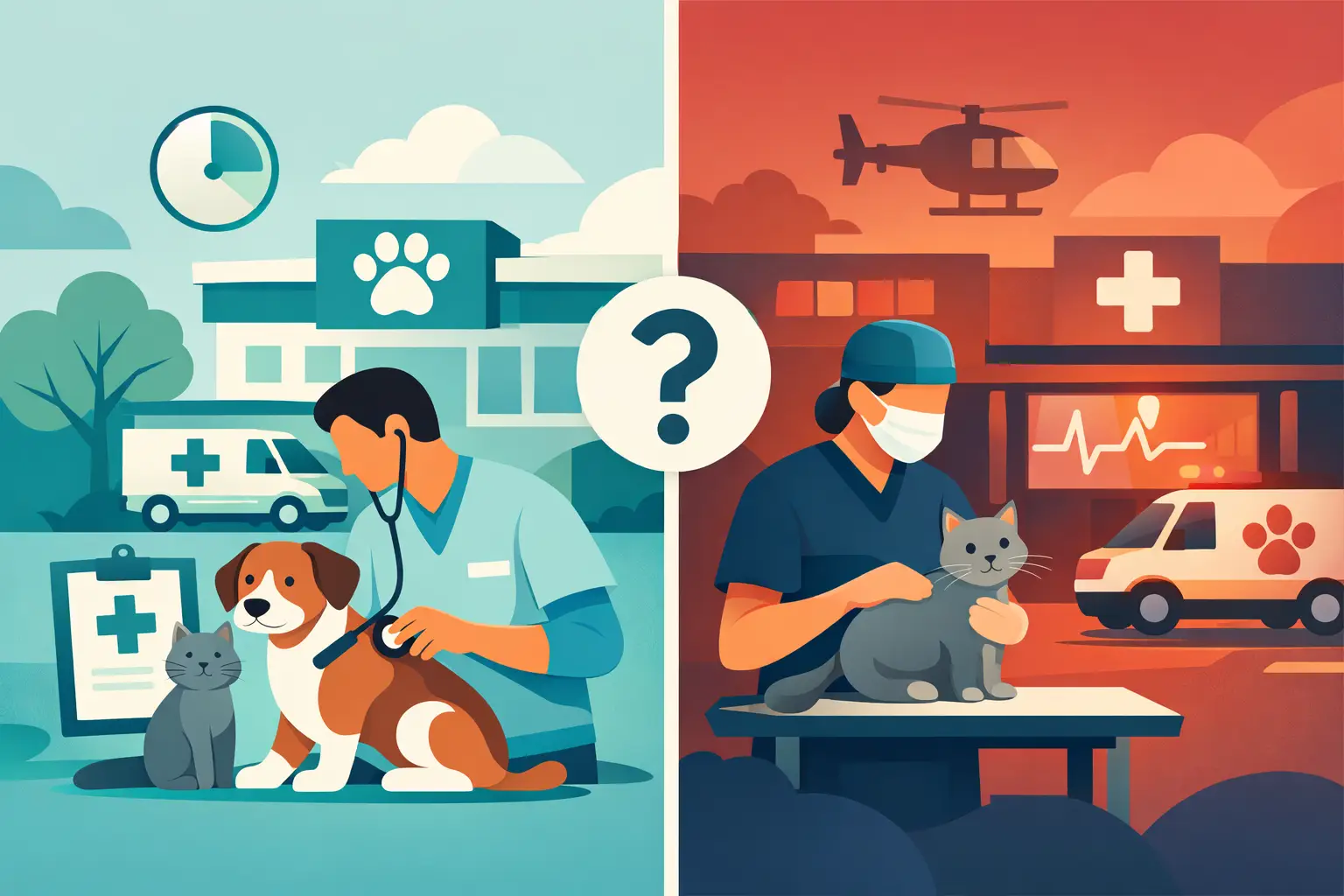
That is why timing matters. If mobility has changed suddenly, if your dog is crying out, dragging a limb, knuckling a paw, falling, or refusing to bear weight, your dog needs prompt veterinary attention. Gradual changes still deserve an exam, but sudden loss of function is more urgent.
Support aging dog mobility with an early veterinary plan
One of the most helpful things you can do is schedule an exam before the problem becomes severe. Dogs are good at adapting, and many keep going long after they are uncomfortable. By the time a limp is obvious every day, the issue may already be affecting strength, confidence, and quality of life.
A veterinary visit helps identify what is driving the change. Your veterinarian may look at gait, joint range of motion, muscle symmetry, paw placement, spinal pain, and neurologic reflexes. Depending on the findings, diagnostics such as bloodwork or imaging may be recommended. That may sound like a lot, but it allows treatment to be tailored instead of guessed.
This matters because mobility support is not one-size-fits-all. A dog with mild arthritis may benefit most from weight loss and rehabilitation. A dog with a torn ligament may need surgery. A dog with spinal compression may need advanced imaging and a different plan entirely. The right diagnosis saves time and can spare your dog unnecessary discomfort.
Weight control changes everything
If there is one factor that consistently affects senior dog mobility, it is body weight. Even a few extra pounds increase stress on sore joints and make it harder for dogs to move comfortably. On the other hand, helping an overweight dog reach a healthier weight can improve stamina, reduce strain, and make other treatments work better.
This is also an area where owners sometimes get mixed messages. Senior dogs should not be crash dieted, and they should not lose muscle while trying to lose fat. A good plan is controlled, gradual, and based on your dog’s age, condition, and calorie needs. If your dog seems hungry all the time or has underlying health concerns, it is worth talking through a feeding strategy instead of simply cutting portions at random.
Treats count here too. That does not mean your dog has to miss out. It means treats should fit the overall plan rather than quietly undoing it.
Home changes that make daily life easier
A few practical changes at home can make a real difference, especially for dogs with arthritis or weakness. These adjustments work best when they reduce slipping, limit unnecessary strain, and help your dog stay independent.
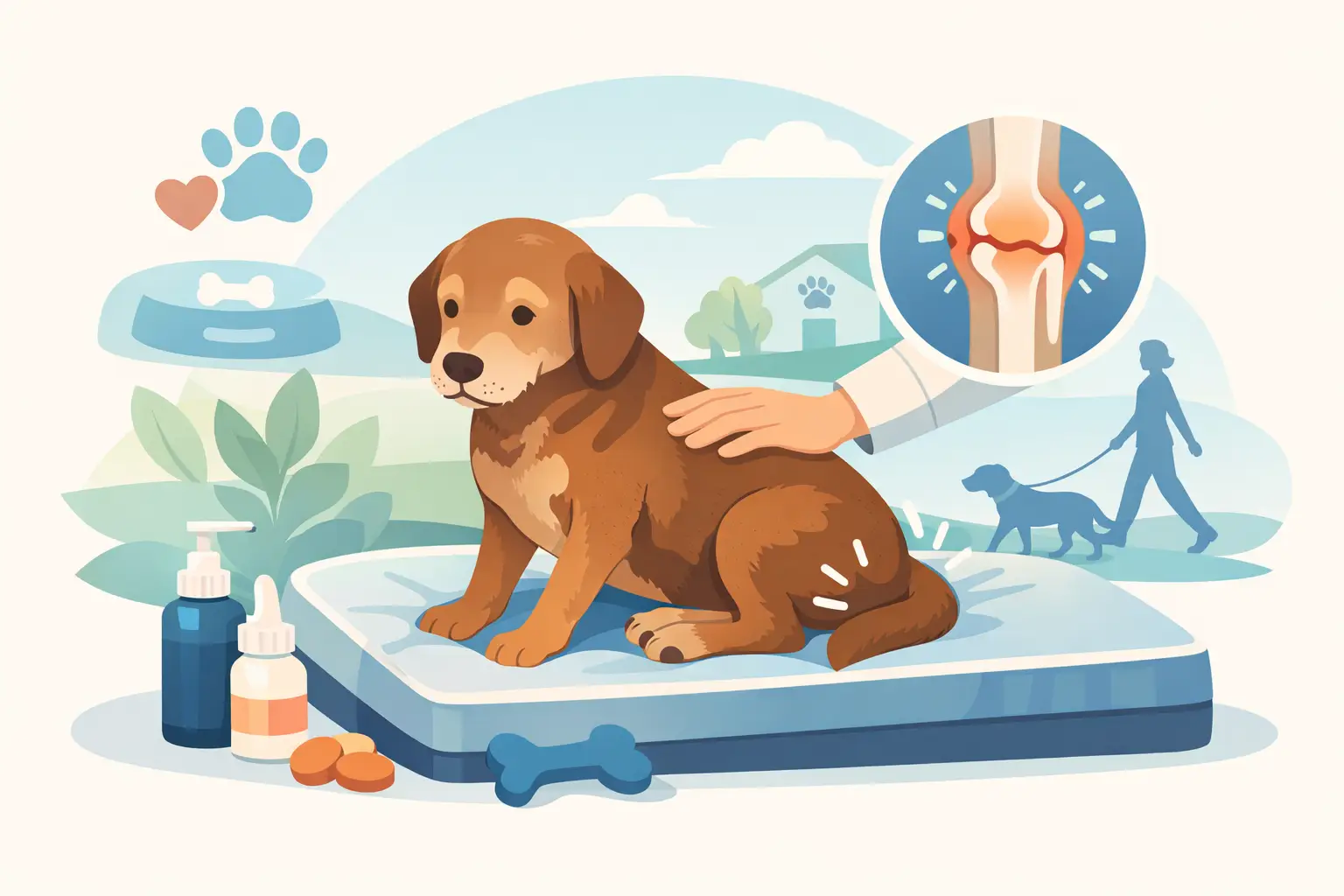
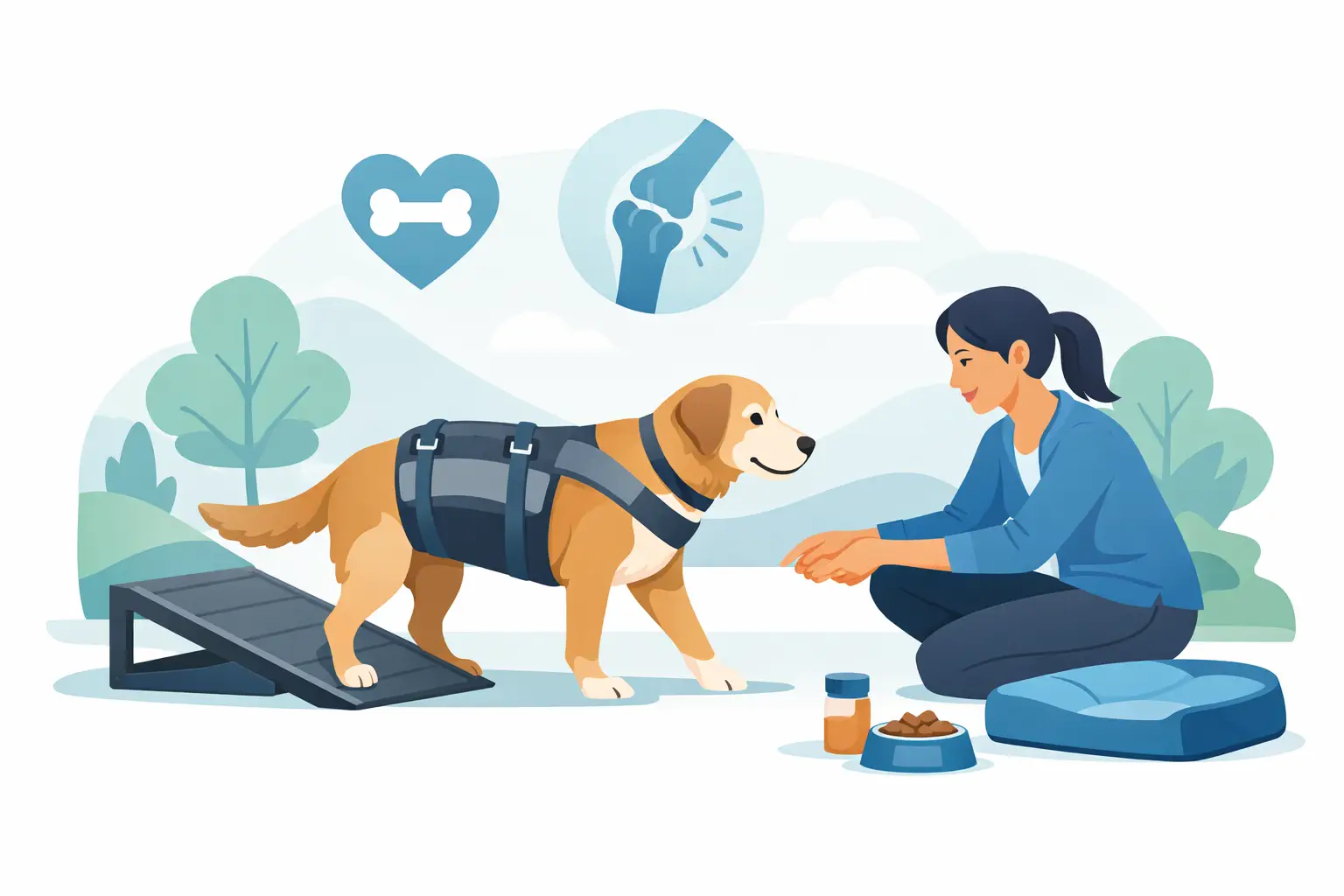
Rugs or traction mats on slick floors are often one of the easiest wins. Slipping on tile or hardwood can make dogs tense up and move less, which leads to more weakness over time. Ramps can help with cars, porches, or furniture, though some dogs need a little time and encouragement to use them confidently. Orthopedic bedding can also help by cushioning pressure points and making it easier to rest and rise.
Food and water bowls should be easy to access. If your dog sleeps downstairs, think about whether essentials should stay downstairs too. For some families, a gate to block stairs is safer than encouraging repeated trips up and down. These changes are simple, but they can lower daily pain and reduce the risk of falls.
Exercise still matters, but the right kind matters more
Many owners worry that movement will worsen arthritis, so they start restricting activity. Usually, the opposite is true. Too little movement often leads to more stiffness and further muscle loss. What senior dogs need is appropriate, consistent exercise rather than intense weekend bursts.
Short, regular walks are usually better than occasional long outings. Gentle leash walks on even ground can support joint function, circulation, and mental health. Swimming or underwater treadmill therapy may be excellent for some dogs because it builds strength with less joint impact. Controlled sit-to-stand exercises, balance work, and guided stretching can also help, but they should be recommended with your dog’s diagnosis in mind.
It depends on the dog. A senior Labrador with hip arthritis may benefit from daily moderate activity. A dog with a neurologic condition may need a more structured rehabilitation plan. If your dog comes home from a walk dramatically stiffer or more reluctant to move later that day, that is a sign the routine likely needs adjustment.
Medication, supplements, and rehabilitation
Pain control can be life-changing for older dogs, but it should be managed carefully. Veterinary pain medications are chosen based on your dog’s health status, symptoms, and other medications. Human pain relievers should never be given unless your veterinarian has specifically instructed you to do so, because many are dangerous for dogs.
Joint supplements may also be part of the plan. They are not magic, and results vary, but some dogs do benefit from products that support cartilage and joint health. What matters most is choosing a veterinarian-recommended option and giving it enough time to assess whether it is helping.
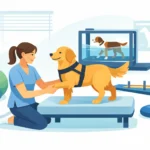
Rehabilitation deserves special mention because it can do more than many owners expect. Therapeutic exercises, manual therapy, laser therapy, and structured conditioning can improve strength, balance, and comfort. For some patients, advanced options such as PRP, stem cell therapy, or orthopedic surgery may also be appropriate depending on the underlying condition and long-term goals.
This is where a full-service hospital can be especially helpful. When diagnostics, rehabilitation, surgery, and ongoing monitoring are coordinated in one place, treatment tends to feel less fragmented for both pets and their families.
Watch for the small signs of pain
Dogs do not always show pain with obvious limping. Sometimes the signs are quieter. Your dog may stop greeting you at the door, avoid slippery rooms, hesitate before squatting, pace at night, seem grumpy when touched near the hips or back, or no longer want to jump onto the couch.
Behavior changes matter. So do grooming habits, posture, and changes in stamina. Some dogs start licking joints. Others shift weight off one side or stand with their back feet tucked oddly underneath them. These details help your veterinarian understand whether the problem is orthopedic, neurologic, or both.
If you can, take short videos at home. Dogs often move differently in the exam room than they do in their usual environment. A video of your dog walking, getting up from bed, or using stairs can be surprisingly useful.
When mobility problems need urgent attention
Some situations should not wait for a routine visit. If your dog suddenly cannot stand, cries out in pain, drags the back legs, collapses, has severe swelling, or is breathing hard after minimal activity, seek veterinary care right away. The same is true if your dog stops eating and moving because of pain.
Prompt treatment can change the outcome, especially with spinal injuries, ligament damage, or severe pain flare-ups. Waiting a few days to see if it improves may allow the condition to worsen or become harder to treat.
A long-term approach works best
To support aging dog mobility well, think in months and years, not just this week. Senior dogs do best when care plans are adjusted as their needs change. That may mean rechecking weight, updating pain control, adding rehabilitation, or reassessing with imaging if symptoms shift.
At All Creatures Veterinary Center, we often remind families that helping a senior dog stay mobile is not about forcing youth back into an aging body. It is about preserving comfort, confidence, and connection. A dog who can get up more easily, enjoy a short walk, and settle comfortably at home is doing something meaningful every single day.
If your older dog is moving differently, trust what you are seeing and ask questions early. A thoughtful plan can ease pain, protect mobility, and give your dog more good days in the routines they love.