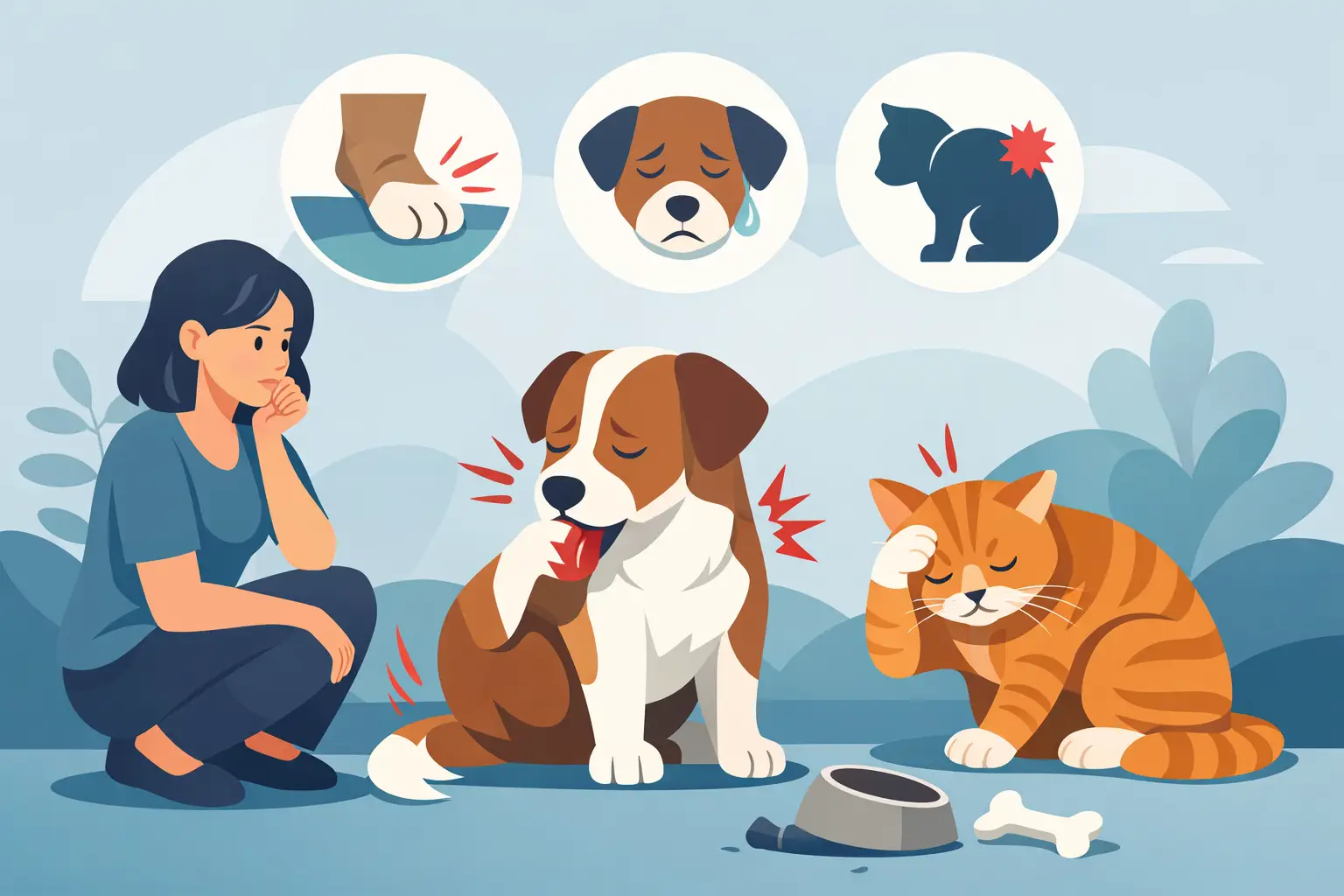
Seeing your dog dragging one of its paws or having your cat acting a bit off-balance by tilting its head can be super scary for pet parents (all pet owners). When pets limp we quickly think there’s a bone or joint issue but if the issue is internal – affecting their ability to move or think, then we start to enter the complicated world of veterinary neurology. You can think of your pet’s nervous system as its high-speed fibre optic communications system; if there’s a glitch in the “wiring”, the evidence can be immediate and very pronounced.
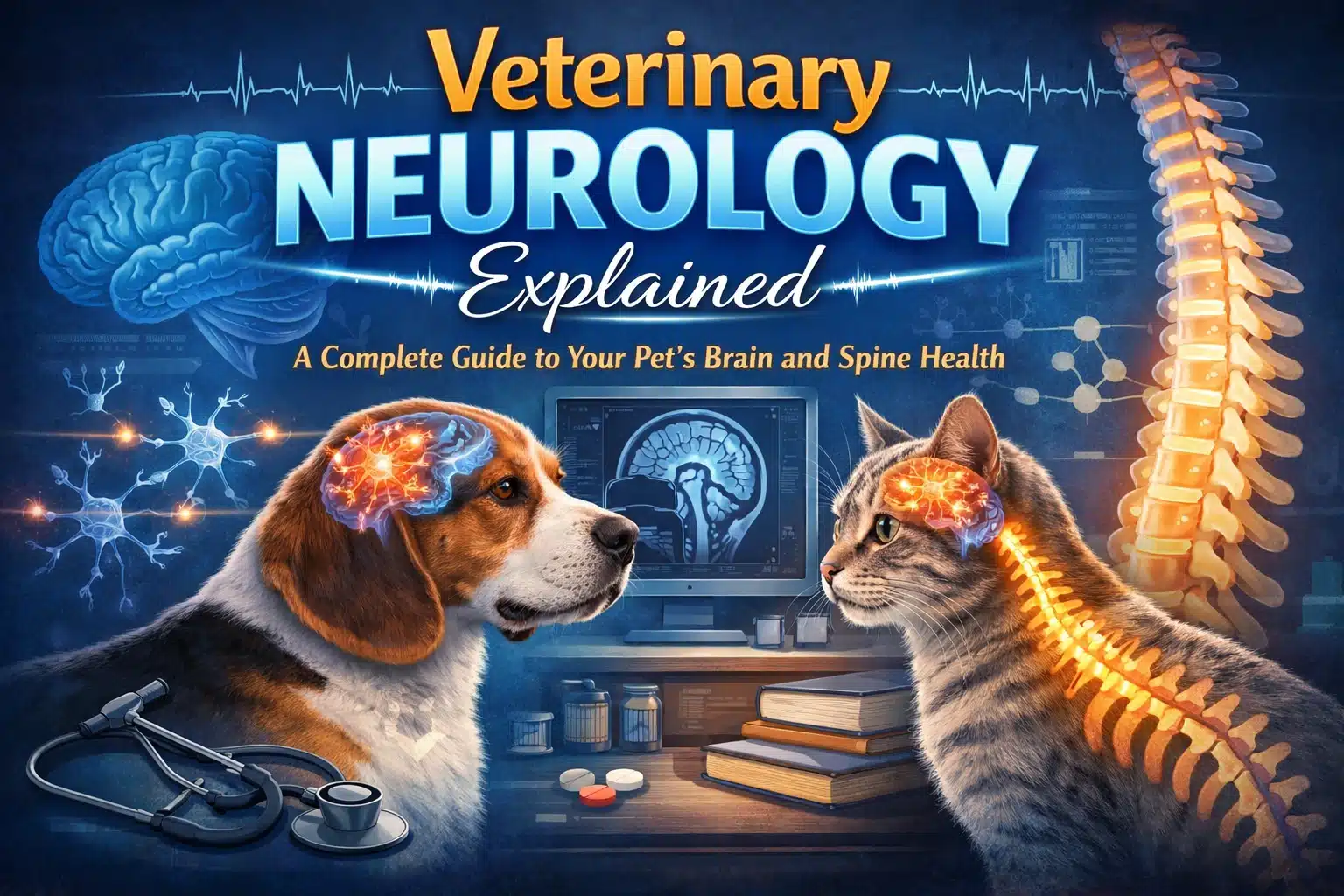
The good news? Today’s modern medical world has made significant advancements. A specialized veterinary neurologist now has access to most of the same high-tech diagnostic devices that are used in human hospitals such as MRI, advanced neurosurgical techniques, etc. Whether your pet has had a seizure or suddenly has a case of the “wobbly walker”, knowing a little about veterinary neurology can be helpful to both you and your furry companion in making quick decisions that will affect the quality of life for your fur baby. Here in this blog, we provide you the complete information about Veterinary Neurology Explained: A Complete Guide to Your Pet’s Brain and Spine Health.
What is Veterinary Neurology?
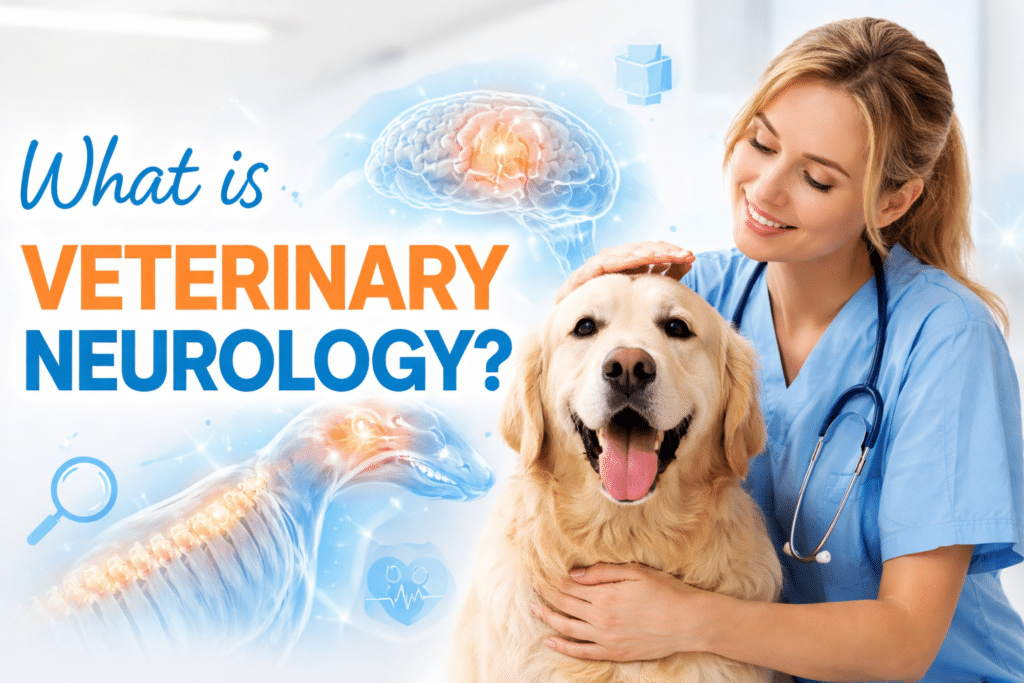
Veterinary neurologists diagnose and treat conditions that affect animals’ brains, spinal cord, nerves and muscles. Because animals do not have words to tell their doctor’s that they have pain or dizziness (e.g. “My back hurts” or “I feel light-headed”), neurologists must investigate what they call “lesions” (the source of the animal’s problem) through observation of physical changes and reflexes.
Main points of focus:
- The Brain: Controls behavior and movement.
- The Spinal Cord: Pathway for signals between the brain and limbs.
- Peripheral nerves: Conduct electrical impulses between muscles and the spinal cord.
- Neuromuscular junctions: Connecting point between muscle and nerves.
Common Neurological Disorders in Dogs and Cats
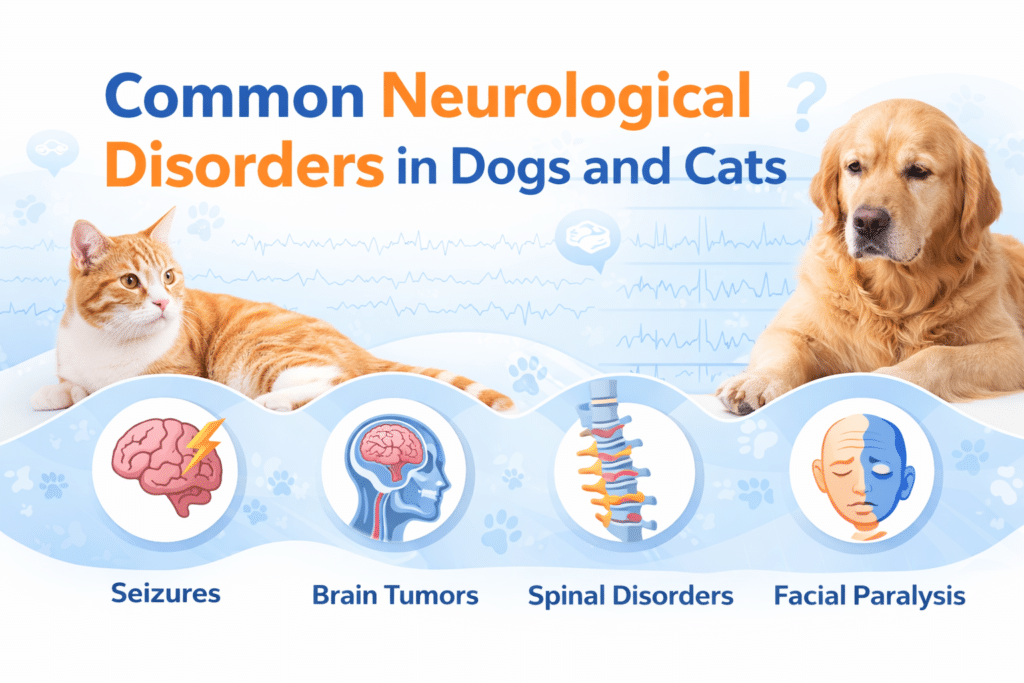
Neurological disorders can present quickly and get progressively worse if help isn’t sought. Here is an overview of the most frequently seen conditions in specialists.
Neurological Disorders of the Brain and Nervous System:
- Seizures in animals can include “flying” seizure (a form of focal seizures) and generalized (grand mal) seizure activity, which can occur in animals.
- Brain disorders can have many forms including infections (inflammation, encephalitis), tumors of the brain, or cerebral relapse (hydrocephalus, “water on the brain”).
- Balance problems, or Vestibular Diseases, can make your pet appear to be vomiting due to motion sickness.
Neurological Disorders of the Spinal Cord and Muscles:
- The most common type of spinal cord disease in dogs is intervertebral disk disease (IVDD), which can occur when a disk compresses the spinal cord.
- Cats with neurologic problems may be suffering from spinal injuries, infections (such as FIP), or potentially peripheral neuropathy (nerve problems).
- Muscle diseases (Myasthenia Gravis in animals) can produce significant weakness of the muscles.
Comparative View: Neurology vs. Orthopedics
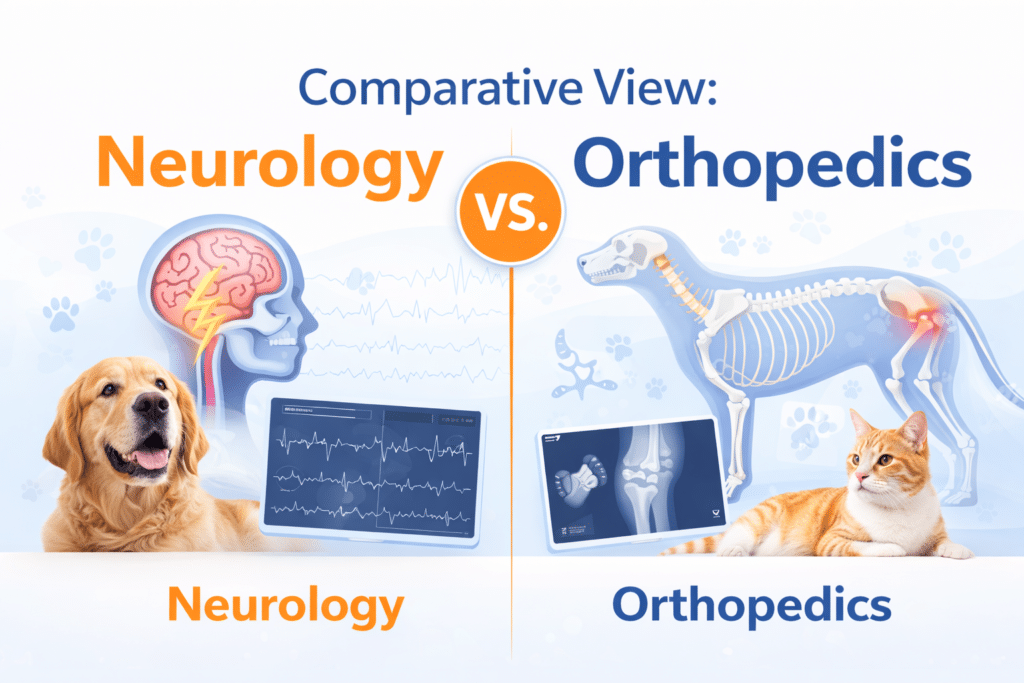
We know that it is common for any pet owners to confuse nerve problems with bone problem so don’t worry, here we provide youwith the difference:
| Feature | Veterinary Neurology | Veterinary Orthopedics |
| Primary Focus | Brian, Spine, and Nerves | Bones, Joints, and Ligaments |
| Typical Sign | Weakness or Paralysis | Lameness or Limping |
| Reflexes | Often absent or exaggerated | Usually normal |
| Pain Source | Nerve compression/inflammation | Mechanical |
| Gait Pattern | Dragging feet | Holding a leg up |
Diagnostic Tools: How We See the Unseen
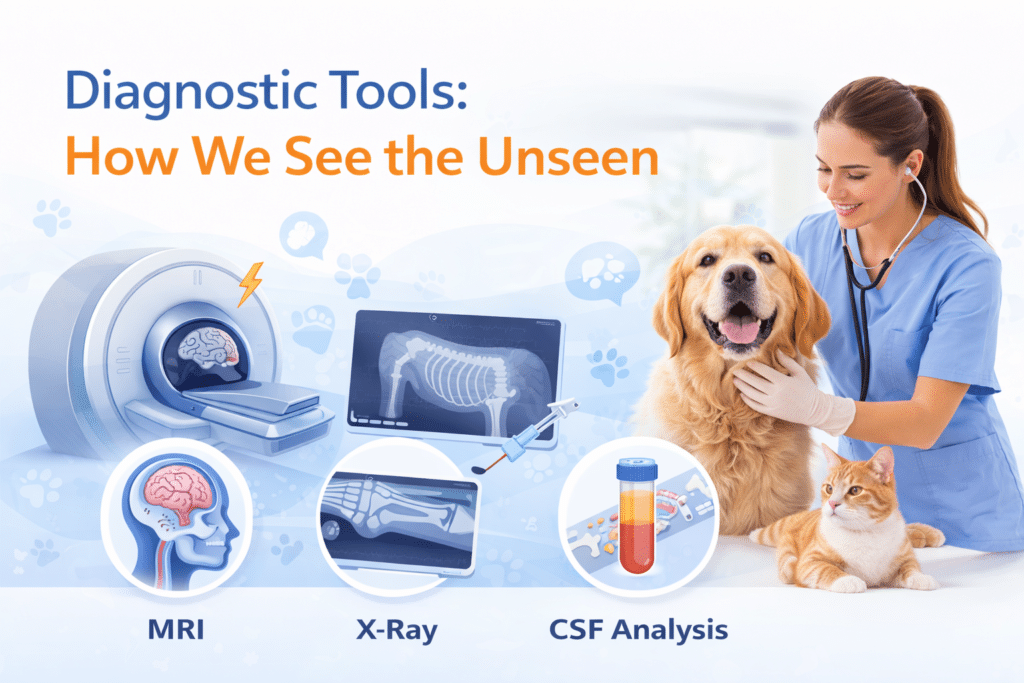
A veterinary neurologist utilizes several different diagnostic tools to identify and assess neurological disorders in dogs and cats.
- Neurological Examination: Includes assessment of “knuckling” (proprioception), cranial nerve responses, and deep pain.
- Advanced Veterinary Imaging: MRI and CT scans are the only ways to visualize brain and spinal cord tissue.
- CSF Analysis: Analysis of spinal fluid to look for infectious agents or inflammation.
- Electrical Diagnostic Testing (EMG): Assessing the electrical activity of nerves or muscular contractions in order to identify the source of the “short circuits.”
“Timely Intervention is the most critical factor in Veterinary Neurology. There are dogs today that have no mobility due to spinal cord pressure; however, if spinal cord pressure is relieved quickly enough, the dog could be walking tomorrow.”
Key Facts About Pet Neuro-Health
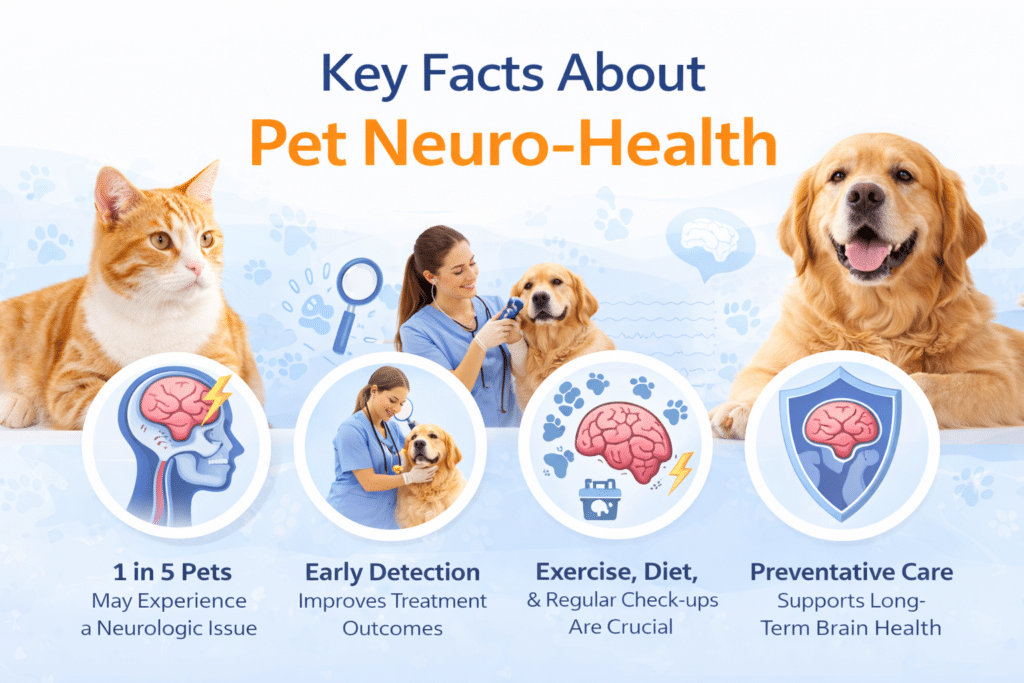
- Tissue Requires Time: After losing their ability to walk due to spinal cord disease in a dog, the period of time available to your veterinarian for a successful surgical outcome is usually only a few days (24-48 hours).
- Seizures Are Not Always Epileptic: Although seizures in animals are generally are usual occurrences (epilepsy), seizures may result from brain disease, liver disease, or exposure to various toxins.
- Recovery After a Spine Injury Is Possible: After extensive physical rehabilitation (including hydrotherapy and laser therapy), many animals will continue to regain mobility despite having been severely injured.
- Referral to a Specialist Is Important: If the original treating veterinarian cannot provide effective treatment, see an appropriate specialist for advanced diagnostic evaluation.
When Is it an Emergency?
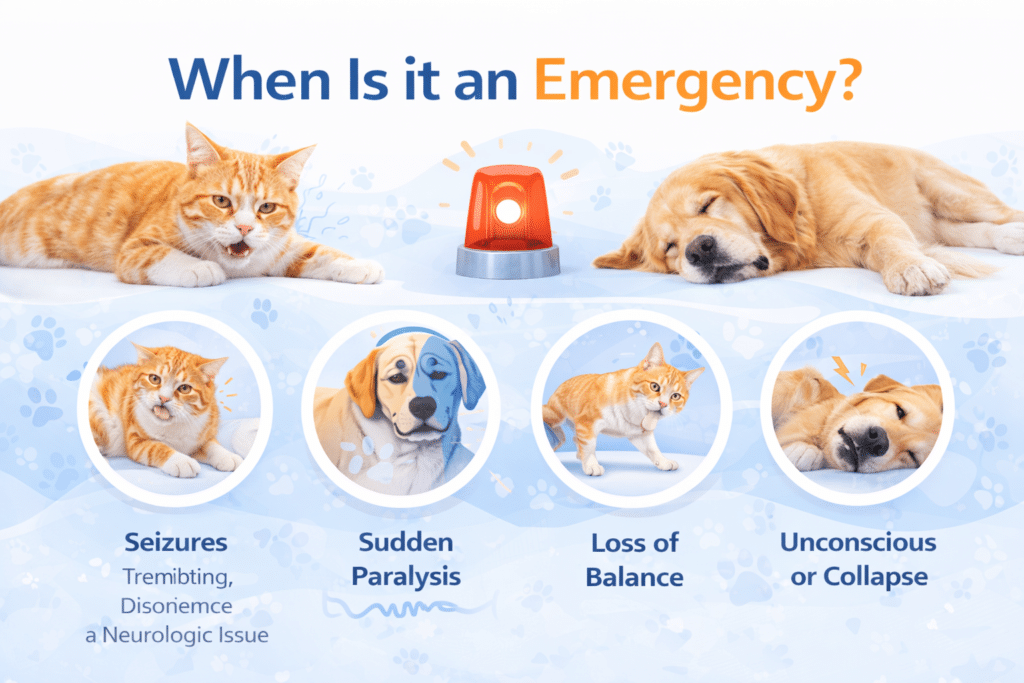
If your pet has any of the following issues, you will need to go to an emergency vet at once (or a 24-hour emergency vet):
- Status Epilepticus – seizures that go on for longer than 5 minutes or multiple seizures in rapid succession.
- Acute Paralysis – sudden inability to move your back or front legs.
- Loss of Deep Pain – your pet does not react to a pinch (even deep) on their toes.
- Rapid Mental Decline – being extremely confused, circling, losing consciousness.
Final Thoughts
In simple terms, veterinary neurology is about reconnecting your pet’s mind to their body. Although some of these conditions may seem frightening, there are ways to help your pet return to their happy, tail-wagging selves with medications and surgeries performed by a veterinary neurologist.
At All Creatures Veterinary Center, we believe that all pets deserve to live a pain-free, active life. Therefore, if your pet has an abrupt change in their neurologic status, don’t wait; early treatment can make an important difference.
FAQs
My dog just had a fit for the first time. Is it definitely epilepsy?
It is very disturbing to see your pet having a seizure; however, this does not automatically mean that you are doomed to have an epileptic dog for life. A veterinary neurologist will evaluate the seizure to see if there are any “reactive” causes, such as toxin ingestion or a problem with blood sugar levels, as opposed to a “structural” cause of the seizure (i.e., a brain or other neurological disorder).
Even though most of the dogs that suffer from seizures are likely to have idiopathic epilepsy, we will always conduct a neurological examination and rule out other possible neurological disorders prior to initiating long-term medication.
I’ve heard of IVDD, but my vet said my dog has ‘spinal cord disease.’ Is there a difference?
Spinal cord disease in dogs is a large concept as an “umbrella”. The primary kind recognized is Intervertebral Disc Disease (IVDD), but it can also apply to spinal tumors, inflammatory disease, etc. When you break down how Veterinary Neurology is explained in simple terms, it is the communication pathway between the brain and the legs being compressed or damaged.
Is an MRI really necessary? They seem expensive.
We completely get that you might be worried about this. The brain and spinal cord are different from bones in that they are encased in a hard shell of bone, in this case, called the “black box.” So, since soft tissue cannot be imaged using an X-ray, a brain scan or MRI will give us the only “gold standard” method for identifying the source of any serious neurological condition in either cat or dog prior to performing surgery to correct it without accidentally going to the wrong location.
Can my pet live a normal life with a neurological condition?
Certainly! Most dogs with neurological diseases are highly manageable. Your dog can return to normal activities if you provide him with the appropriate anti-seizure medications or surgery for a spinal problem. Even dogs who have chronic neurological conditions can have a good quality of life with the assistance of rehabilitation or special treatments available at your veterinarian’s office, such as All Creatures Veterinary Center.