When a pet is hurting, families usually notice the small changes first. A dog hesitates before jumping into the car. A cat that used to greet you at the door starts hiding under the bed. These moments matter, and they are often the first clue that pet pain management options should be part of the conversation with your veterinarian.
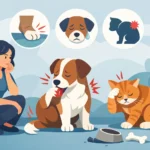
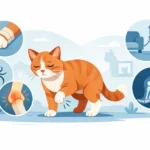
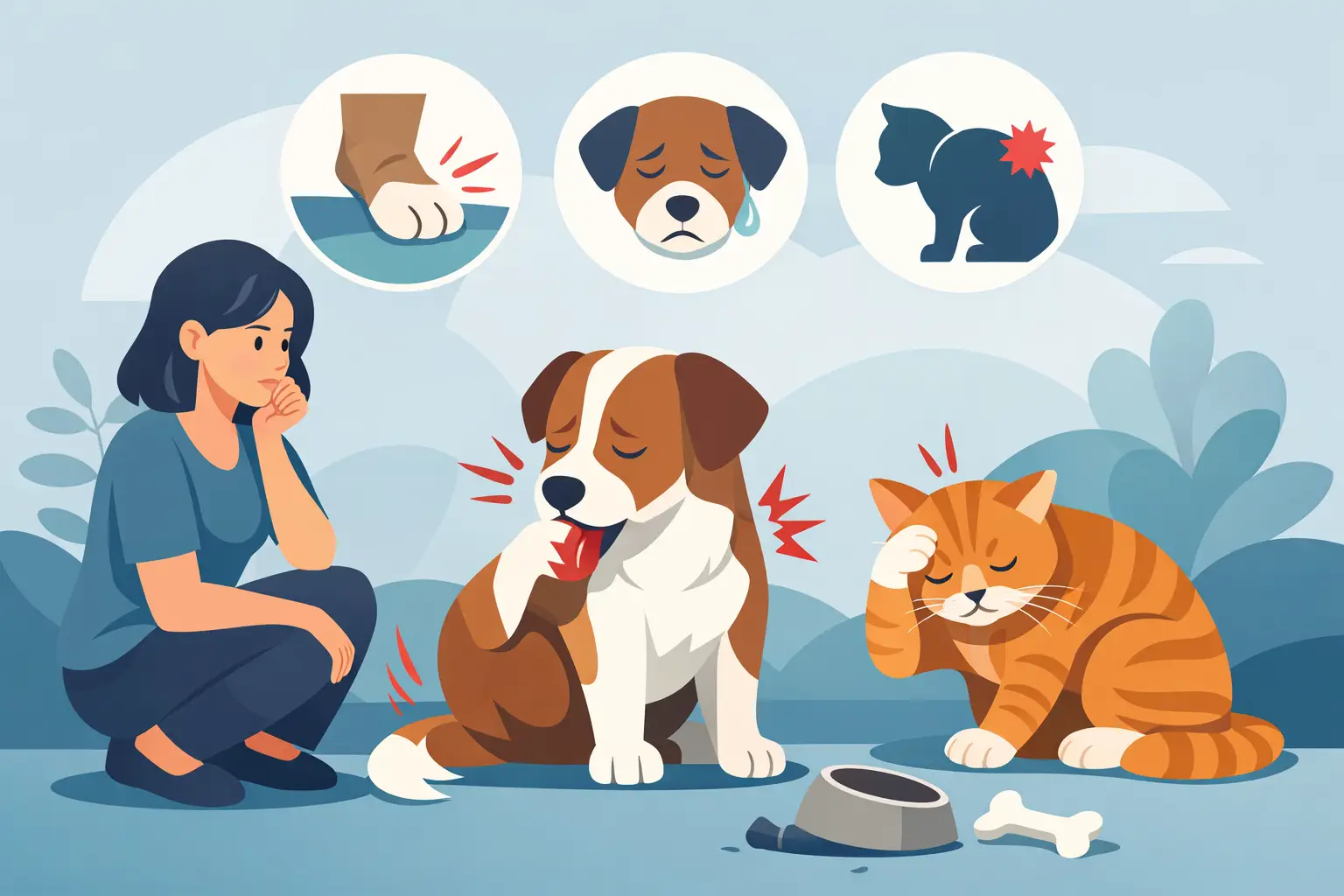
Pain in pets is not always dramatic. Some dogs and cats become quieter, sleep more, or stop doing favorite activities. Others may pace, pant, limp, avoid stairs, lick a sore area, or react when touched. Because animals instinctively mask discomfort, pain can go unnoticed until it starts affecting mobility, appetite, mood, and overall quality of life.
That is why the best approach is not just finding a quick fix. It is identifying the cause of the pain, measuring how severe it is, and building a treatment plan that fits your pet’s age, health history, lifestyle, and diagnosis.
Why pet pain management options need a tailored plan
There is no single treatment that works for every painful condition. Arthritis, dental disease, an orthopedic injury, a spinal problem, post-surgical recovery, and cancer-related discomfort can all look different and require different care. A younger dog with a soft tissue injury may need rest and short-term medication, while a senior cat with chronic arthritis may benefit from a longer-term combination of therapies.
This is where a full veterinary evaluation matters. Your veterinarian will look at where the pain is coming from, whether it is acute or chronic, and whether other medical concerns such as kidney disease, liver disease, or neurologic issues affect which treatments are safest. The goal is not only to reduce pain, but to do it in a way that supports long-term function and comfort.
Common pet pain management options
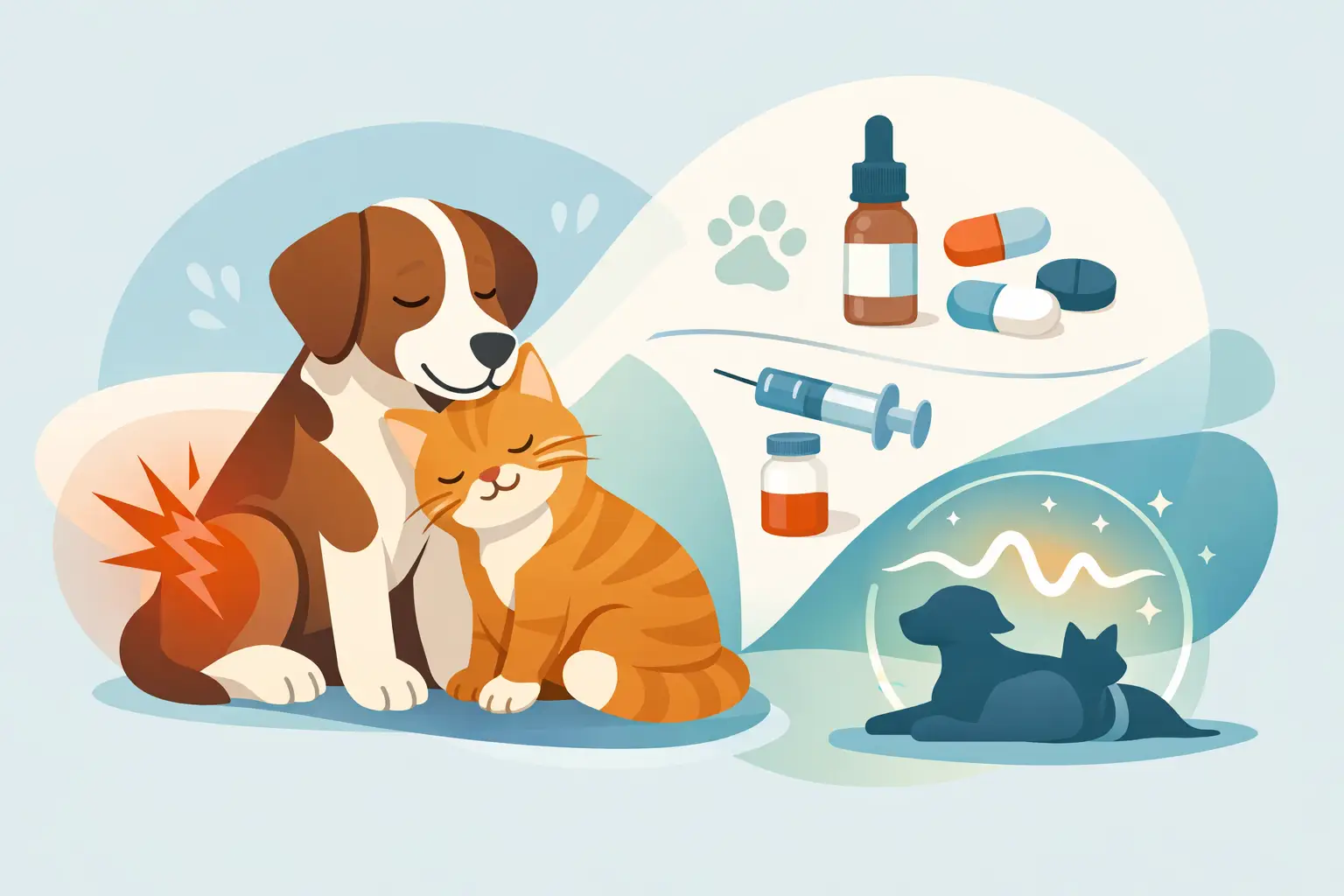
For many pets, pain control begins with medication. Anti-inflammatory drugs are often used for conditions such as osteoarthritis, post-operative pain, or injuries involving joints and soft tissues. These medications can be very effective, but they are not right for every patient. Dogs and cats process medications differently, and even pets of the same species may need different choices based on age and organ function.
Other prescription pain medications may be used when inflammation is only part of the problem. Nerve-related pain, spinal disease, and recovery after more advanced procedures may call for additional support. In some cases, a veterinarian may recommend combining medications at lower doses rather than relying on one stronger drug alone. This can improve comfort while reducing side effects.
What should never be part of your pet’s plan is human pain medication given at home without veterinary guidance. Products that seem harmless for people can be toxic to pets, especially cats. If your dog or cat seems painful, it is always safer to call before giving anything.
Rehabilitation and physical therapy
Medication is only one piece of pain management. Rehabilitation can make a major difference, especially for pets recovering from surgery, dealing with chronic arthritis, or managing neurologic or orthopedic conditions. Controlled exercise, stretching, strength-building, and guided movement can help reduce stiffness and improve mobility.
For some pets, rehabilitation also helps break a difficult cycle. When movement hurts, pets move less. When they move less, muscles weaken and joints become stiffer, which can make pain worse. A structured rehab plan helps restore confidence and function in a safe, gradual way.
This is especially valuable for senior pets. Families often assume slowing down is just part of aging, but many older dogs and cats are living with treatable discomfort. When pain is addressed, they often become more active, engaged, and comfortable at home.
Advanced therapies for chronic pain
Some painful conditions do not respond well enough to standard medication alone. In those cases, regenerative medicine and other advanced therapies may be worth discussing. Treatments such as stem cell therapy and platelet-rich plasma, or PRP, may be considered for certain joint and soft tissue conditions. These therapies aim to support healing and reduce inflammation in a more targeted way.
They are not the right fit for every case, and they are not a replacement for diagnostics or surgery when those are needed. Still, for selected patients, they can be a meaningful part of a broader pain management plan. This is one of those areas where a clear conversation about goals, expected results, cost, and timing really matters.
When surgery is part of pain relief
Some pets remain painful because the underlying issue cannot be resolved with medication alone. A torn ligament, a fractured bone, a painful mass, severe dental disease, or a spinal problem may need surgical treatment to truly improve comfort. In those situations, pain management includes both the procedure itself and the recovery plan afterward.
Modern surgical pain control typically uses multiple methods before, during, and after surgery. That may include injectable pain relief, local anesthetic techniques, oral medications, and careful monitoring during recovery. The advantage of this layered approach is that it targets pain from different angles, helping pets stay more comfortable as they heal.
Families are sometimes understandably nervous about surgery, especially for older pets. A thorough pre-surgical evaluation, bloodwork, imaging, and clear discussion of risks can help determine whether surgery is appropriate and how to make the process as safe as possible.
Diagnosing the source of pain matters
Pain management works best when the cause is clearly defined. Limping can come from a paw injury, a strained muscle, arthritis, a knee problem, or even a neurologic issue. Reluctance to eat might be related to dental pain, nausea, or an oral growth. Back pain can range from mild strain to a serious spinal condition.
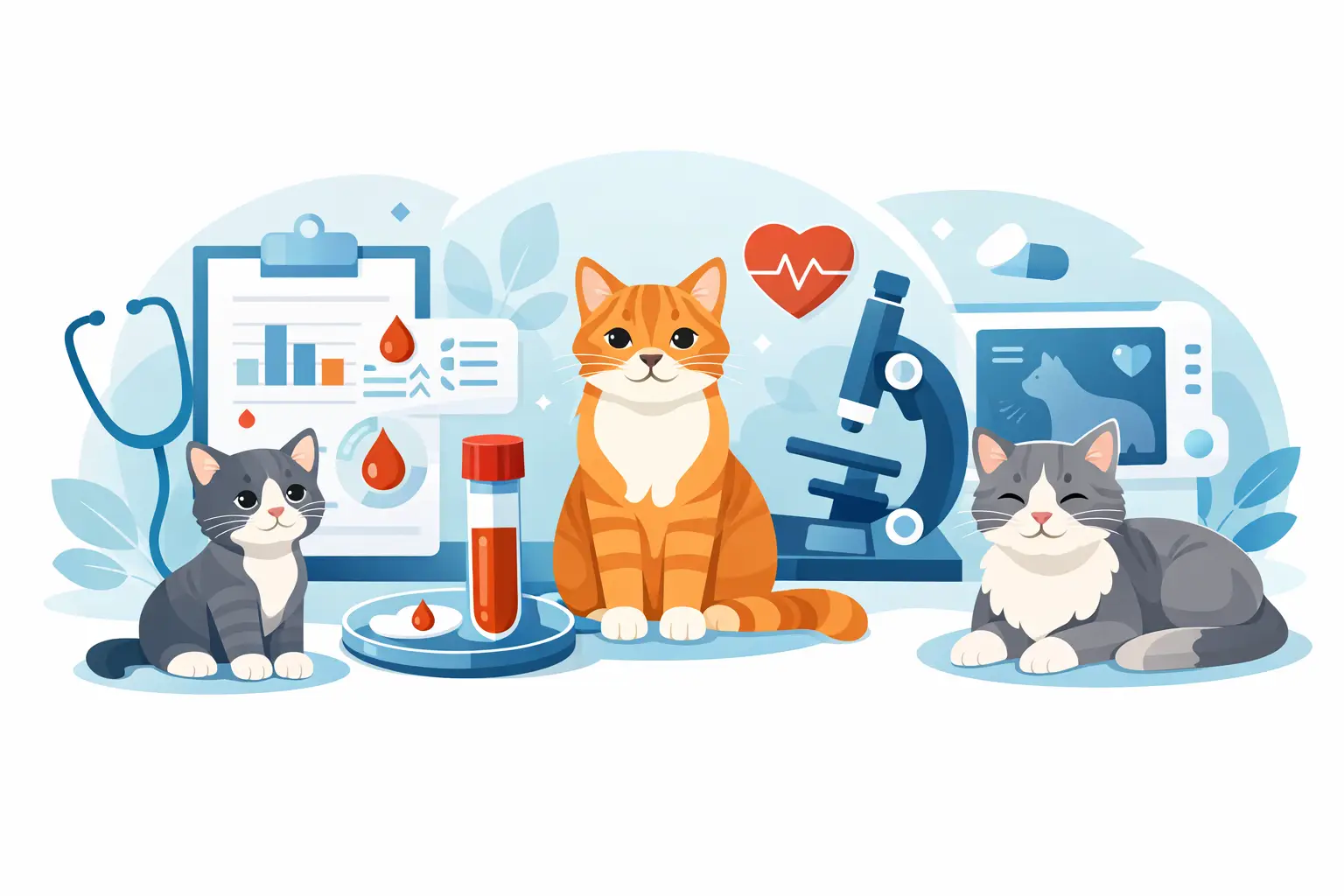
That is why diagnostics are often part of the plan, not a separate issue. X-rays, ultrasound, bloodwork, and neurologic evaluation may all help pinpoint what is happening. While some families hope to start treatment immediately and skip testing, the trade-off is that pain can be temporarily masked without solving the problem underneath. In some cases, that delay can allow the condition to worsen.
A hospital with broad in-house capabilities can make this process easier. Instead of sending you from one location to another, your pet can often move from exam to diagnostics to treatment in a more coordinated and lower-stress way.
Monitoring comfort at home
One of the most helpful things pet owners can do is pay attention to patterns. Is your dog slower in the morning but better later in the day? Does your cat avoid the litter box when climbing into it seems difficult? Is your pet panting at night, struggling on hard floors, or no longer able to get comfortable?
These details help your veterinarian adjust the treatment plan. Pain management is rarely a one-time decision. It often involves follow-up visits, dose changes, repeat exams, and tracking how your pet responds over time. A treatment that works well at first may need to be adjusted as a condition changes.
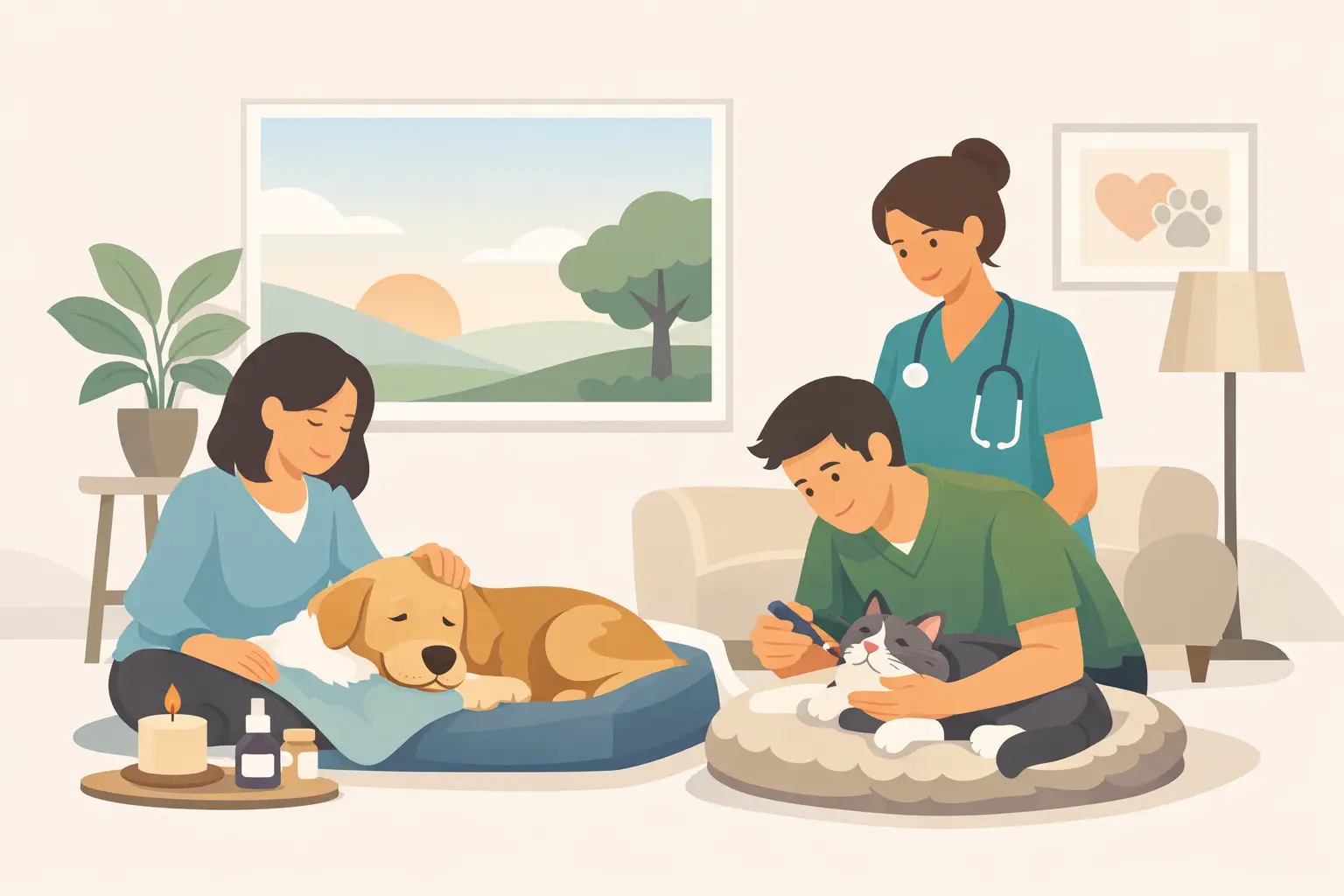
It also helps to think about the home environment. Rugs for traction, orthopedic bedding, ramps, lower litter box sides, and easier access to food and water can all support comfort. These changes do not replace medical care, but they can make daily life easier for a pet who is already sore or unsteady.
When to call your veterinarian right away
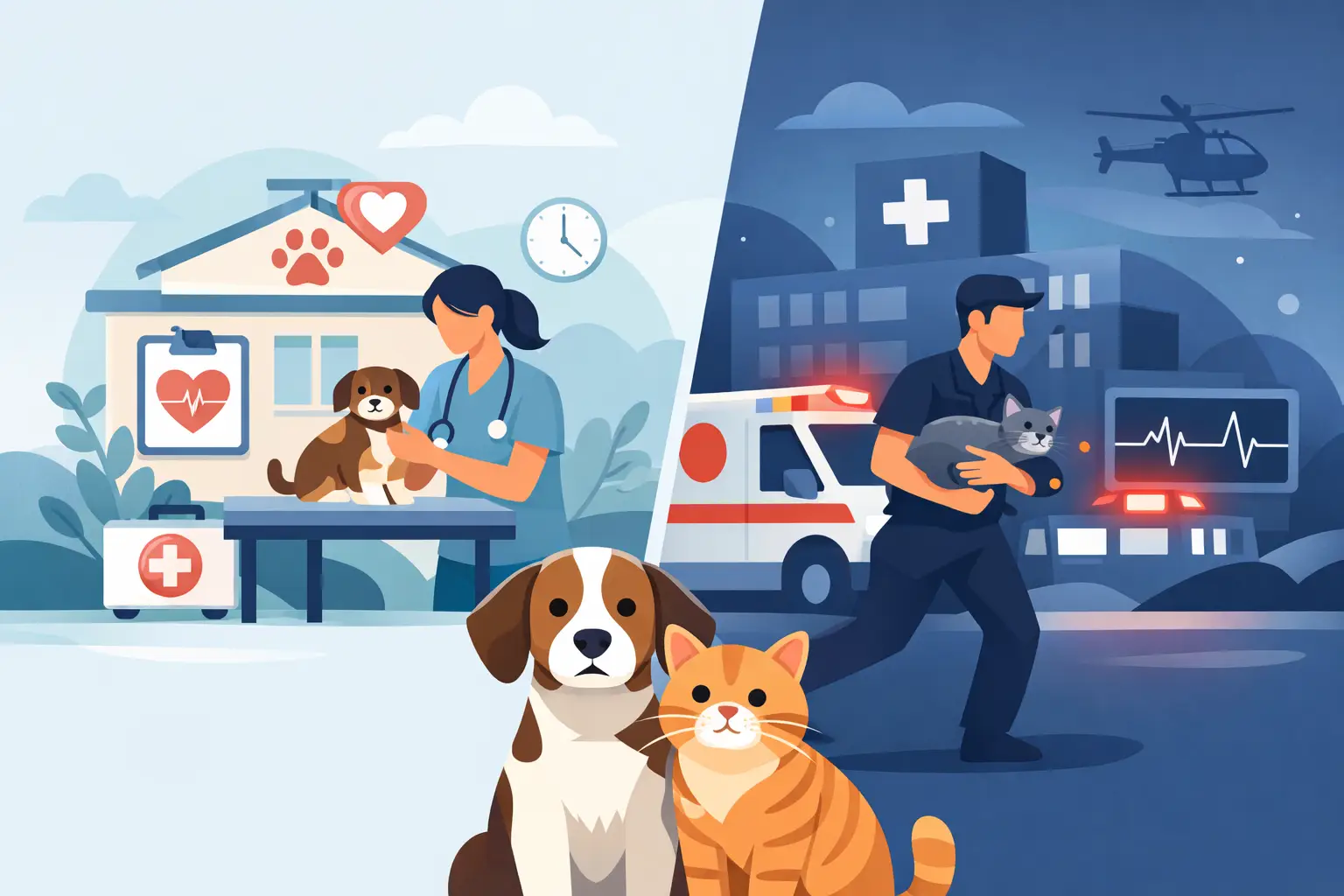
Some signs of pain need prompt attention. Sudden inability to stand, crying out, bloated abdomen, collapse, labored breathing, severe limping, obvious trauma, or signs of distress after surgery should be treated as urgent. The same is true if your pet stops eating, seems disoriented, or cannot settle comfortably.
Even less dramatic signs deserve attention when they persist. A slow change in mobility or behavior is still a change, and early treatment can often prevent more serious pain later.
For families in Newhall, Santa Clarita, and nearby communities, having one veterinary team that can evaluate pain, perform diagnostics, discuss medical and surgical options, and support recovery can make a difficult situation feel more manageable. At All Creatures Veterinary Center, that continuity is a big part of helping pets stay comfortable through every stage of life.
If you think your dog or cat may be hurting, trust what you are seeing. You do not need to wait until the signs become severe to ask for help. Pain is easier to manage when it is addressed early, with a plan built around your pet and the life you share together.