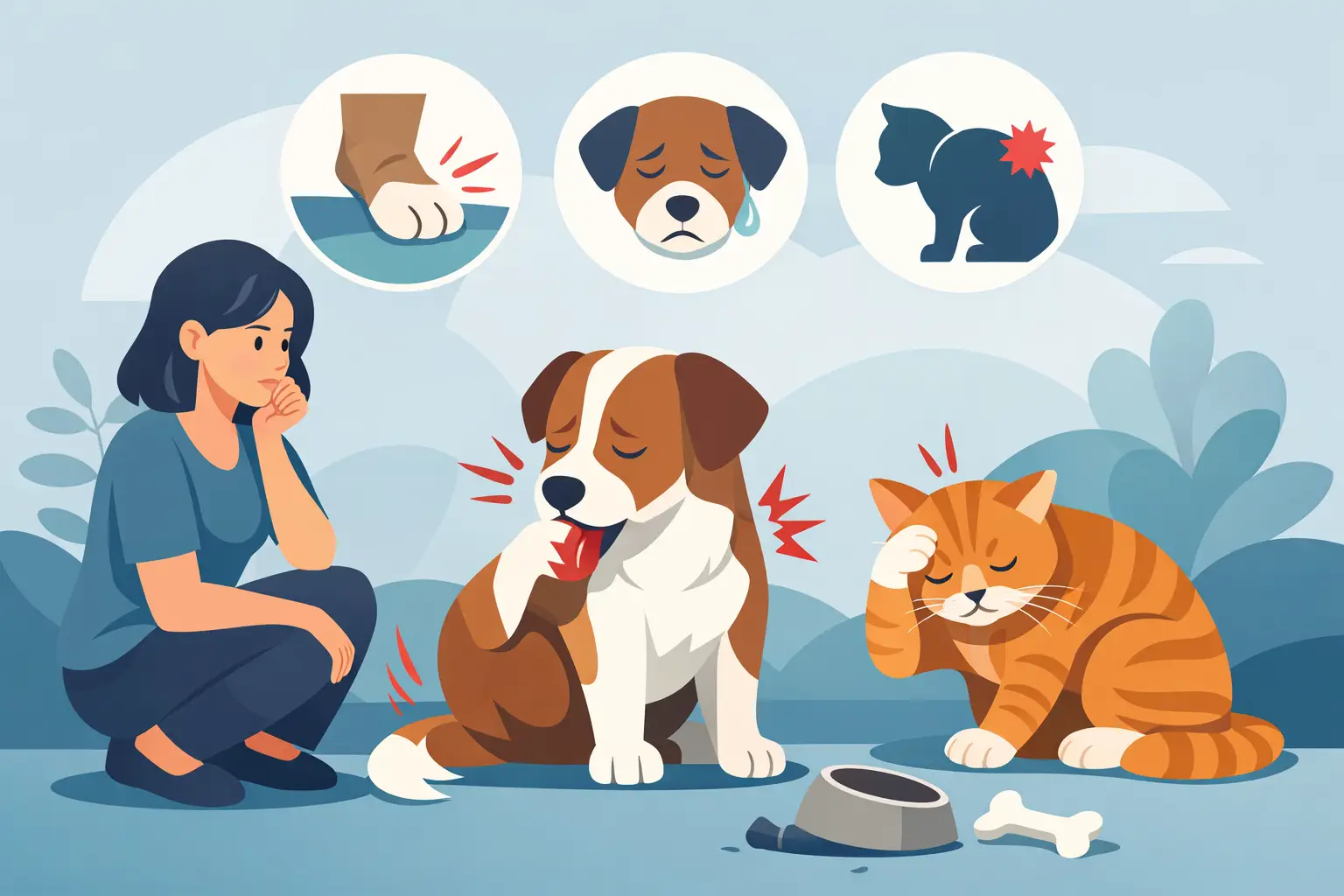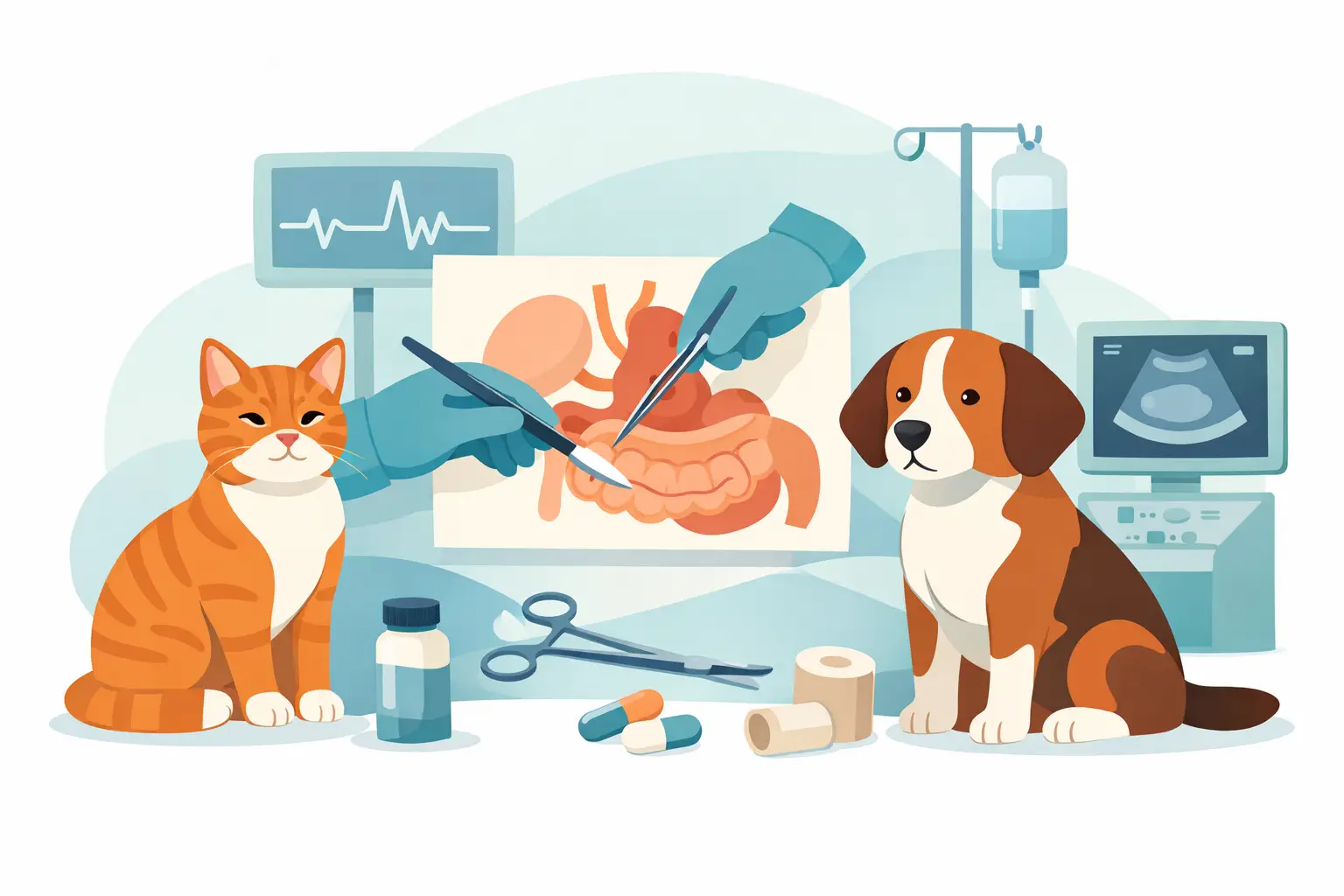
A dog who stops eating, a cat with a growing lump, or a pet straining to urinate can turn an ordinary day into a stressful one fast. In many of these cases, soft tissue surgeries are part of the treatment plan that helps relieve pain, restore function, and protect long-term health. For pet families, the hardest part is often not the procedure itself – it is not knowing what to expect.
Soft tissue surgery refers to operations involving organs, skin, muscles, and other non-bony structures. Unlike orthopedic surgery, which focuses on bones and joints, these procedures address problems such as masses, wounds, bladder stones, intestinal blockages, eye issues, and spay or neuter care. Some surgeries are planned in advance, while others are urgent and needed the same day.
What soft tissue surgeries treat
Soft tissue surgeries cover a wide range of medical needs in dogs and cats. Some are preventive, some are corrective, and some are lifesaving. A pet may need surgery because of an injury, infection, tumor, obstruction, congenital issue, or chronic condition that no longer responds well to medication alone.
Common examples include mass removals, bladder surgery, wound repair, abscess treatment, eyelid surgery, gastrointestinal surgery, foreign body removal, and procedures involving the reproductive system. In practice, no two cases are exactly alike. A small skin mass on a young dog is very different from abdominal surgery in a senior cat, even though both fall under the same category.
That is why a careful diagnostic workup matters. Before surgery, veterinarians often recommend a physical exam, bloodwork, and imaging such as X-rays or ultrasound. These steps help answer important questions: Is surgery the best next step? How urgent is it? Are there underlying conditions that affect anesthesia or healing? The goal is not simply to schedule a procedure. The goal is to choose the safest and most effective plan for that individual pet.
When a pet may need soft tissue surgeries
Some conditions are obvious. A visible wound, a torn nail bed, or sudden vomiting after chewing up a toy tends to get immediate attention. Other problems are more subtle. A lump that slowly changes size, recurring urinary accidents, bad breath paired with facial swelling, or a pet who seems quieter than usual can all point to issues that require surgical care.
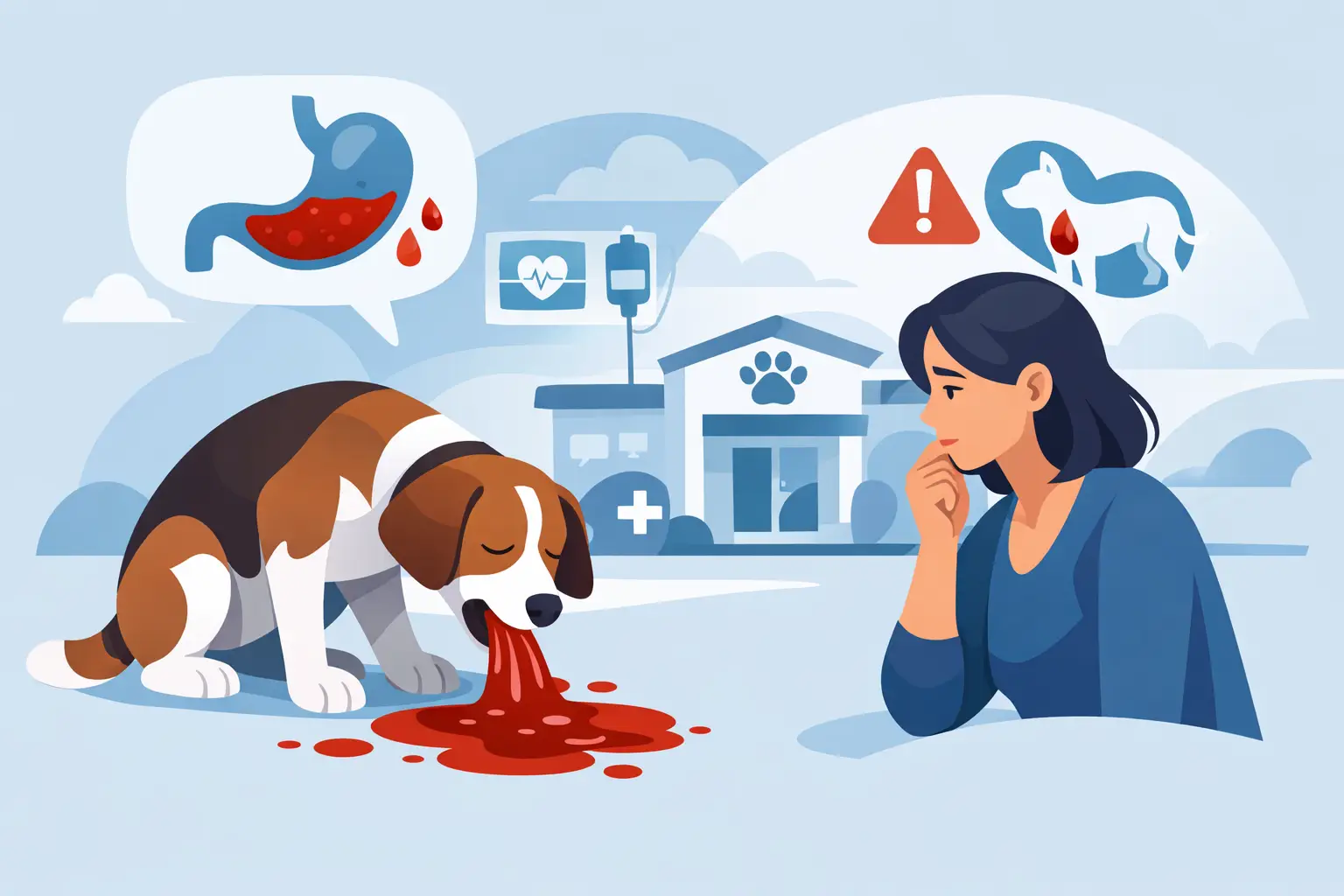
It also depends on timing. A hernia that is stable today may become more serious later. A mass that appears harmless on the surface may still need testing or removal based on location, growth, or irritation. A pet swallowing a foreign object can go from mildly uncomfortable to critically ill in a short period of time.
For pet owners, the practical takeaway is simple: if something seems off, it is worth having it checked sooner rather than later. Early evaluation often gives you more options. It can also make treatment less complicated and recovery less difficult.
How veterinarians decide whether surgery is the right choice
Surgery is never a one-size-fits-all recommendation. A veterinarian weighs the pet’s symptoms, age, overall health, diagnostic findings, and quality of life before advising a next step. In some cases, medication or monitoring may be reasonable. In others, delaying surgery could increase risk.
There are trade-offs to consider. A younger, otherwise healthy dog with a bothersome mass may be a straightforward surgical candidate. An older pet with heart disease, kidney changes, or a complex abdominal condition may need a more tailored plan, additional monitoring, or a discussion about balancing benefit and risk.
This is where clear communication matters. Pet owners deserve to understand what the surgery is meant to accomplish, what recovery will involve, what complications are possible, and what alternatives exist. Good surgical care is not just technical skill in the operating room. It also includes thoughtful planning, transparent guidance, and support before and after the procedure.
What to expect before soft tissue surgeries
Once surgery is recommended, the next questions are usually about safety, preparation, and cost. Pre-operative testing is often the first step. Bloodwork can identify concerns such as anemia, infection, liver or kidney changes, and electrolyte imbalances. Imaging helps confirm what the team is treating and whether there are any surprises that could affect the procedure.
Your pet will also need anesthesia planning. Modern veterinary anesthesia is much safer than many owners realize, especially when it is customized to the patient and paired with close monitoring. That said, anesthesia is never risk-free. A brachycephalic dog, a very young puppy, or a senior pet with chronic illness may need added precautions. Those details are part of responsible surgical preparation.
You will usually receive instructions about fasting, medication timing, and drop-off. This is a good time to ask practical questions. Will your pet go home the same day? Will they need a cone, bandage care, or restricted activity? How should you manage children or other pets in the home during recovery? The more prepared you are, the smoother the process tends to feel.
Recovery after soft tissue surgeries
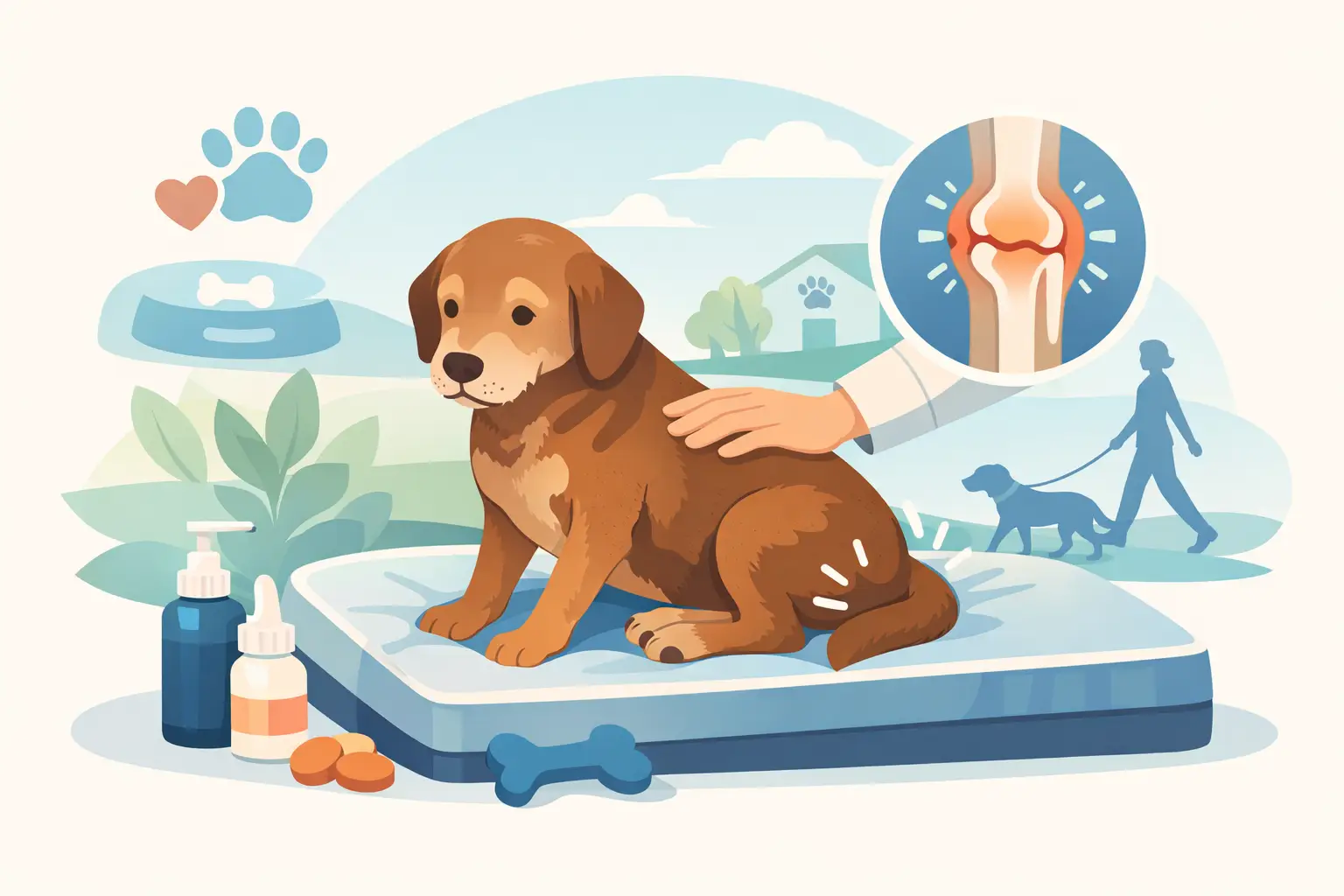
Recovery varies based on the procedure, but the early goals are consistent: control pain, protect the incision, prevent infection, and give the body time to heal. Some pets bounce back quickly and act almost normal within a day or two. Others need a longer, quieter recovery period even if they seem eager to return to usual routines.
Pain control is a major part of healing. Pets are often stoic, which can make discomfort easy to miss. Crying is not the only sign. Restlessness, panting, hiding, reluctance to jump, decreased appetite, or unusual clinginess may all suggest pain. Following medication instructions closely is one of the most important things an owner can do at home.
Activity restriction matters too. A pet who feels better may still be at risk of tearing sutures or causing internal bleeding if they run, jump, or play too soon. Incision care also needs attention. Redness, swelling, discharge, a bad odor, or repeated licking are all reasons to call your veterinary team.
Most families also want to know how long healing takes. For routine procedures, the visible incision may improve significantly within 10 to 14 days. Internal healing can take longer. More involved abdominal or reconstructive surgeries may require a longer timeline and more follow-up visits. It depends on what was done and how your pet responds.
Why surgical experience and continuity of care matter
When a pet needs surgery, convenience alone should not be the deciding factor. Experience, diagnostics, monitoring, pain management, and follow-up care all shape the outcome. A hospital that can evaluate the problem, perform the procedure, and guide recovery under one roof offers a real advantage for many families.
Continuity matters because surgery is rarely a single event. It starts with diagnosis, continues through anesthesia and the procedure itself, and extends into pathology results, rechecks, medication adjustments, and long-term monitoring if needed. When the same team knows your pet’s history, communication is often clearer and care can feel less fragmented.
For local families, that familiarity also helps lower stress. Seeing a trusted veterinary team in a setting your pet already knows can make a difficult situation feel more manageable. At All Creatures Veterinary Center, that combination of compassionate support and advanced medical capability is central to how care is delivered.
Questions to ask if your pet needs surgery
If your veterinarian recommends surgery, ask what the diagnosis is, how urgent the procedure is, and what happens if you wait. Ask what testing is recommended before anesthesia, what recovery at home will realistically look like, and what warning signs should prompt a call.
It is also reasonable to ask about costs, follow-up visits, and whether tissue will be sent for biopsy if a mass is removed. These are not uncomfortable questions. They are part of making an informed decision for a family member who cannot speak for themselves.
Soft tissue surgeries can sound intimidating, but they are often the step that brings relief, answers, and a better quality of life. If your dog or cat is showing signs that something is wrong, getting an exam sooner can make all the difference – and having a veterinary team that explains the process clearly can help you move forward with more confidence.