Canine Joint Dislocations: Causes, Symptoms, Diagnosis, Treatment, and Recovery – Canine joint dislocations or luxation are cases in which the bones that make up a joint get pushed out of their usual arrangement. A joint dislocation in dogs is a very painful orthopedic emergency in canines, and immediate veterinary intervention is necessary to avoid permanent injuries, arthritis, and functional loss of the affected limb.
This comprehensive guide covers canine joint dislocations, their common causes, and joints involved, for example, dog hip dislocation, dog elbow dislocation, and patellar luxation. It includes dog joint injury treatment options and long-term results for pet parents, veterinary centers, and animal health education programs.
What Is a Joint Dislocation in Dogs?
A joint dislocation in dogs (also referred to as canine luxation) is a circumstance that occurs when:
- The ligaments that support the joint, the joint capsule, or tissues surrounding the joint, are either damaged or overstretched
- The bones of the joint are not positioned correctly anymore
- The joint is no longer able to move normally, or it becomes extremely painful to do so
Dislocations can be:
- Traumatic (the majority of cases)
- Congenital or developmental (existing since birth)
A large number of canine joint dislocation incidents are brought about suddenly by trauma; thus, an immediate evaluation is of utmost importance.
Some Causes of Joint Dislocations in Dogs
Traumatic Causes
- Got hit by a car
- Fallen from height
- Fight with other dogs or bite wounds
- Abrupt twisting injuries when playing or running
Trauma is the main cause of hip dislocation in dogs and elbow dislocation in dogs.
Non-Traumatic Causes
- Abnormalities of the congenital joint
- Shallow joint sockets, especially in joints
- Weakness from chronic ligament
- Neuromuscular disease
Developmental traits can be blamed for most cases of patellar luxation in dogs, but they might also get worse due to any injury.
Trauma remains the most common cause of joint dislocation in otherwise healthy dogs.
Most Commonly Dislocated Joints in Dogs
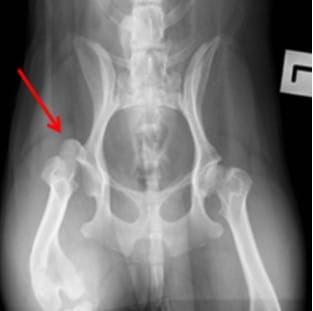
Hip Dislocation (Canine Hip Dislocation)
- It is frequently after trauma
- Leads non-weight-bearing lameness
- Limb is frequently seen shortened and rotated
Dog hip dislocations are among the most common traumatic orthopedic injuries seen by veterinarians in hospital emergency departments.
Patellar Luxation (Kneecap)
- Especially in small breeds
- It may be hereditary or caused by trauma
- Lead skipping or intermittent lameness
A dog’s patellar luxation condition affects their ability to move, and can vary from minor cases of occasional skipping to severe cases causing immobility.
Elbow Dislocation (Dog Elbow Dislocation)
- Almost always traumatic
- Extreme pain and swelling
- Frequently needs surgery
Normally, a dog elbow dislocation happens after very severe trauma and often requires surgical fixation.
Shoulder Dislocation
- May occur after a fall or collision
- Not able to put weight
- Manipulation frequently causes pain
Tarsal (Hock) and Carpal (Wrist) Luxation
- Often associated with rupture of the ligament
- May require a complicated surgical procedure for stabilization
Canine joint dislocations of these types can be detrimental to an animal’s mobility if treatment is delayed or inadequate.
What Are the Signs and Symptoms of Joint Dislocations
Common Clinical Signs
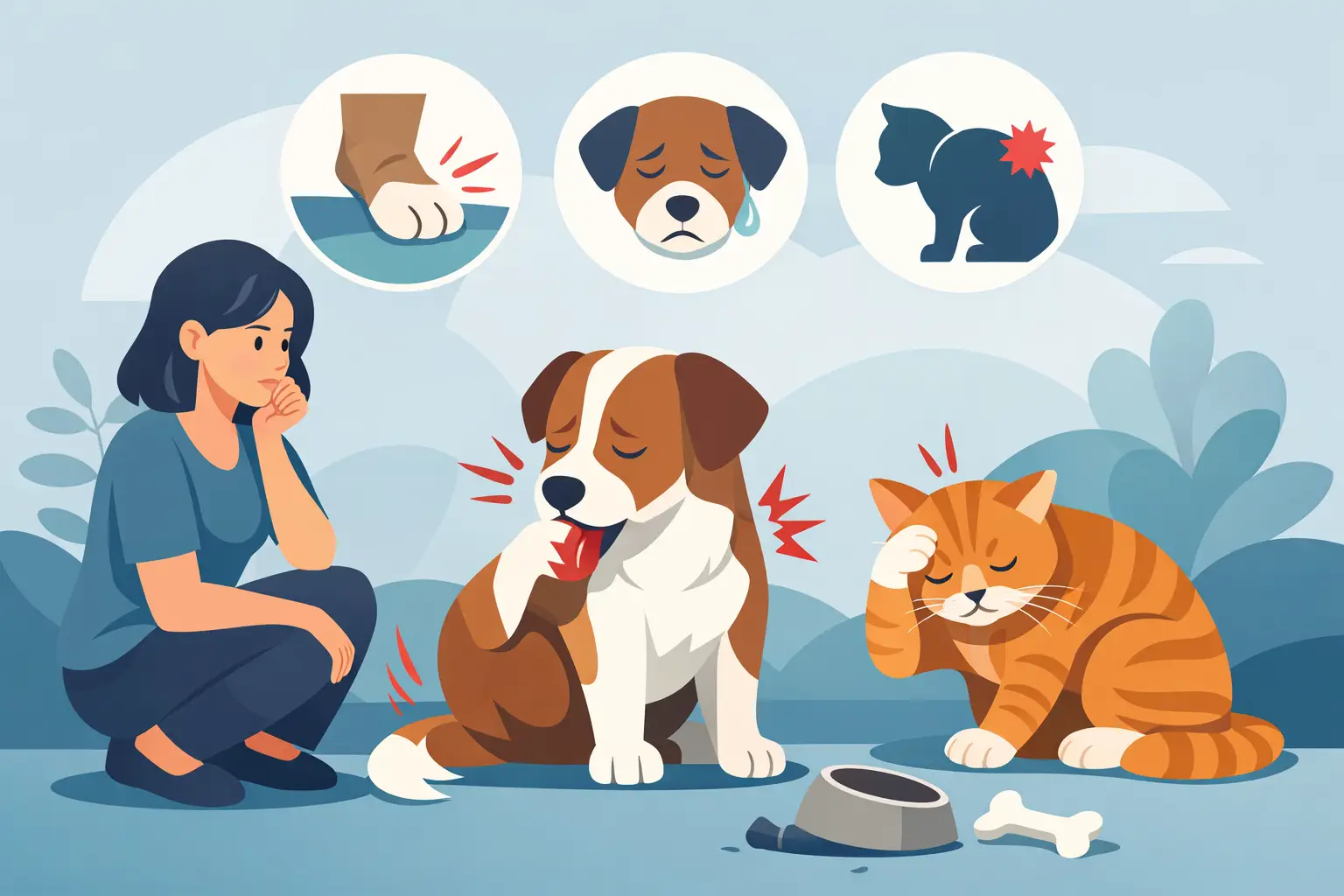
- Severe lameness suddenly
- Not able to bear weight or refuse
- Noticeable limb deformity or abnormal joint angle
- Bruising and swelling
- Severe pain when the joint is touched
These signs are indicative of serious joint dislocation in dogs that require emergency care.
Common Signs
- Weird vocalization and crying
- Lethargy
- If severe trauma, signs of shock
Pain can be unbearable, or sudden lameness should be treated as a canine orthopedic emergency.
What to Do If You See A Joint Dislocation
- Immediately restrict the limb movement
- Don’t try to put the joint back into place
- Keep your dog calm and as warm as possible
- Get to a veterinary hospital as soon as possible
Doing joint injury treatment with your dog can worsen the tissue damage or complicate the injury if not treated properly.
Diagnosis of Joint Dislocations
Usually, the identification consists of:
- Physical and orthopedic checkup
- X-rays to verify the dislocation, as well as to exclude fractures If needed
- Sedation or anesthesia will be used for pain relief and accurate examination
Advanced imaging may be required in complicated joint dislocations in dogs, particularly those involving the elbow or hip.
Treatment Options for Canine Joint Dislocations
Treatment depends on:
- Which joint is affected
- The extent of soft tissue injury
- How soon will treatment begin after the injury
- If the dislocation is recurrent
Immediate dog joint trauma treatment significantly increases the chances of recovery.
Closed Reduction (Non-Surgical)
Used in the following cases:
- The dislocation happened very recently
- There are no broken bones
- The joint can be manually corrected
Procedure
- Done under sedation or general anesthesia
- Repositioning of the joint
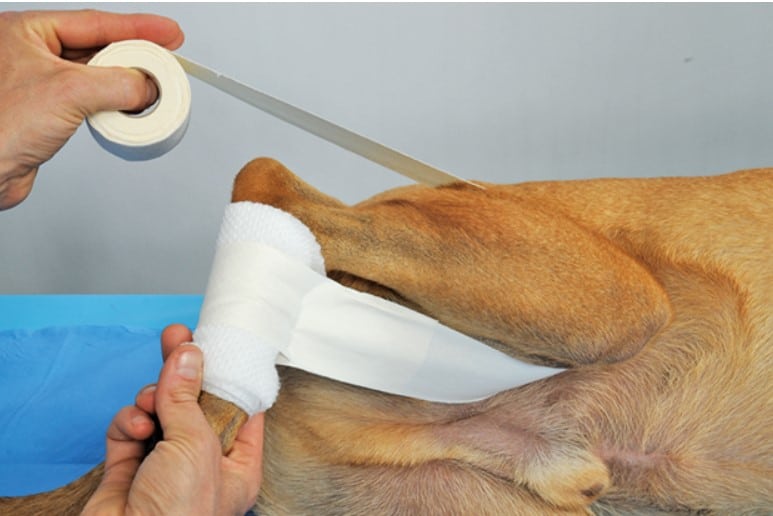
- The limb is fixed with a sling, splint, or bandage
Injury repair without surgery can be most effectively carried out within hours of the injury, several examples being dog hip dislocation and dog shoulder dislocation.
Surgical Treatment
Indicated cases:
- Surgical treatment is not an option in case of failure of closed reduction
- Ligament damage is major
- The joint is still unstable
- Dislocations are frequent
The surgery can consist of:
- Resetting or reconstruction of the ligament
- Shortening the joint capsule
- Use of pins, screws, or sutures for stabilization
Surgical intervention for the treatment of a severely dislocated dog elbow and recurrent patellar luxation dog is a great choice for improved joint stability in the long-term.
Pain Management
Control of pain is paramount in any dog joint dislocation and might incorporate:
- Opioids
- Anti-inflammatory medications
- Local or regional anesthesia
Adequate pain control improves healing, comfort, and restoration of wellness.
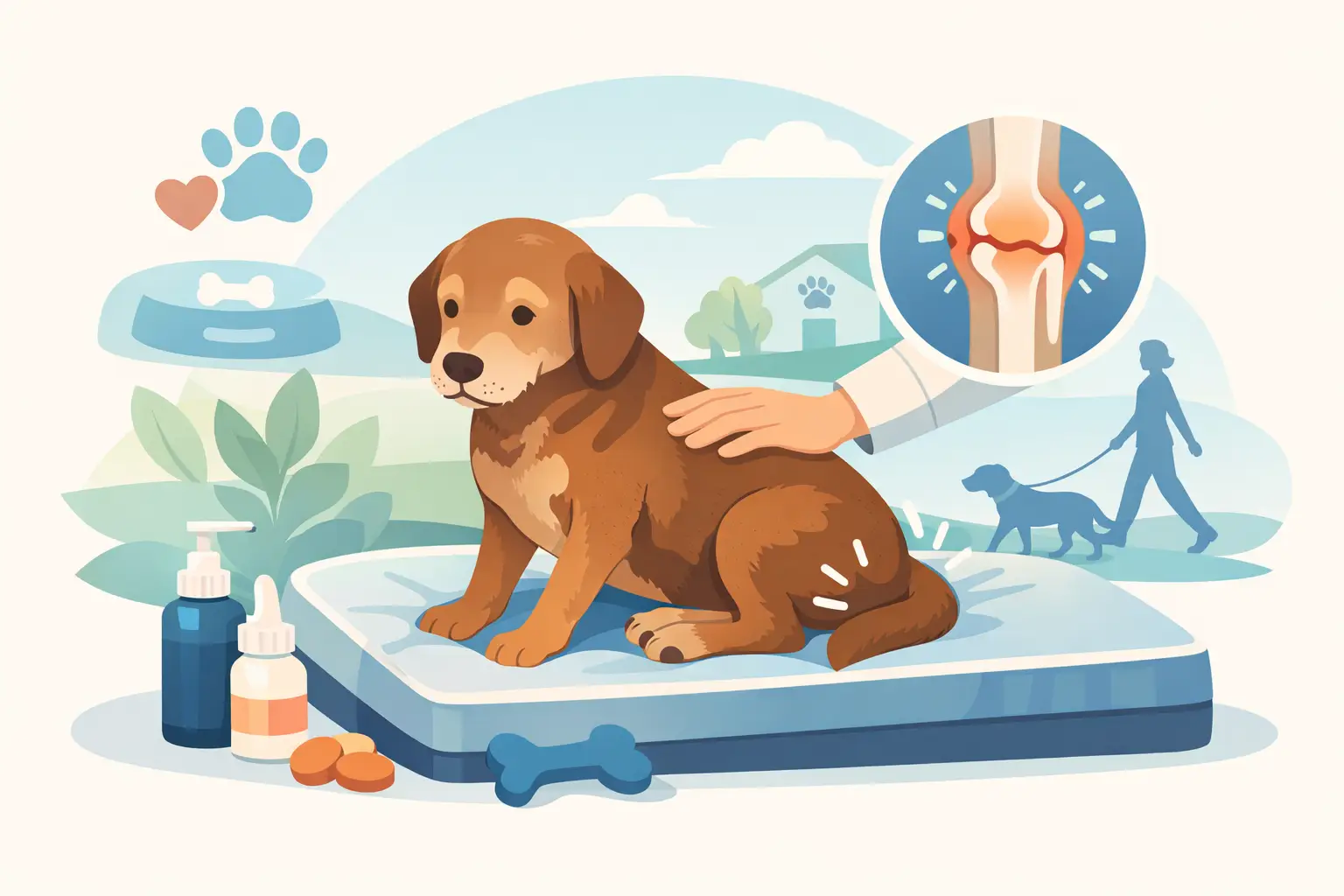
Recovery and Rehabilitation
Typical Recovery Timeline
- Mild dislocations: 4-6 weeks
- Surgical cases: 8-12 weeks or longer
Recovery includes:
- Strict activity restriction initially
- Gradual return to controlled exercise
- Physical rehabilitation to restore strength and range of motion
Rehabilitation is vital after dog joint injury treatments to minimize the risk of stiffness and recurrence.
Possible Complications
- Recurrent dislocation
- Joint instability
- Chronic pain
- Osteoarthritis
- Reduced range of motion
Early treatment of a joint dislocation in dogs will probably result in fewer long-term problems.
Prognosis
Prognosis Depends On:
- The joint involved
- Speed of treatment
- Degree of soft tissue damage
- Whether surgery was necessary
With immediate attention:
- Most dogs will regain almost normal limb function
- Generally, the long-term prognosis is favorable
Neglected treatment of canine joint dislocations leads to a worse prognosis.
Preventing Joint Dislocations in Dogs
It is not possible to prevent all dislocations, but some of the ways that help in reducing the risk include:
- Keep dogs leashed near traffic
- Watch out for high-energy play
- Keep a healthy body weight
- Treat congenital joint conditions early
- Prevention of falls in elderly dogs
Prevention measures are primarily aimed at joint health and safety as well as reducing the risk of dog hip dislocation, dog elbow dislocation, and other injuries.
Joint Dislocation vs Fracture
Joint Dislocation
- Bones not lined up
- Almost always ligament is damaged
- May/might not be bone break involved
- Requires immediate repositioning
Fracture
- Bone broken
- Bone damaged
- Always involve bone
- Need fixation
Both conditions can be extremely serious, and dog joint injury treatment might be necessary as part of a larger canine orthopedic emergency assessment.
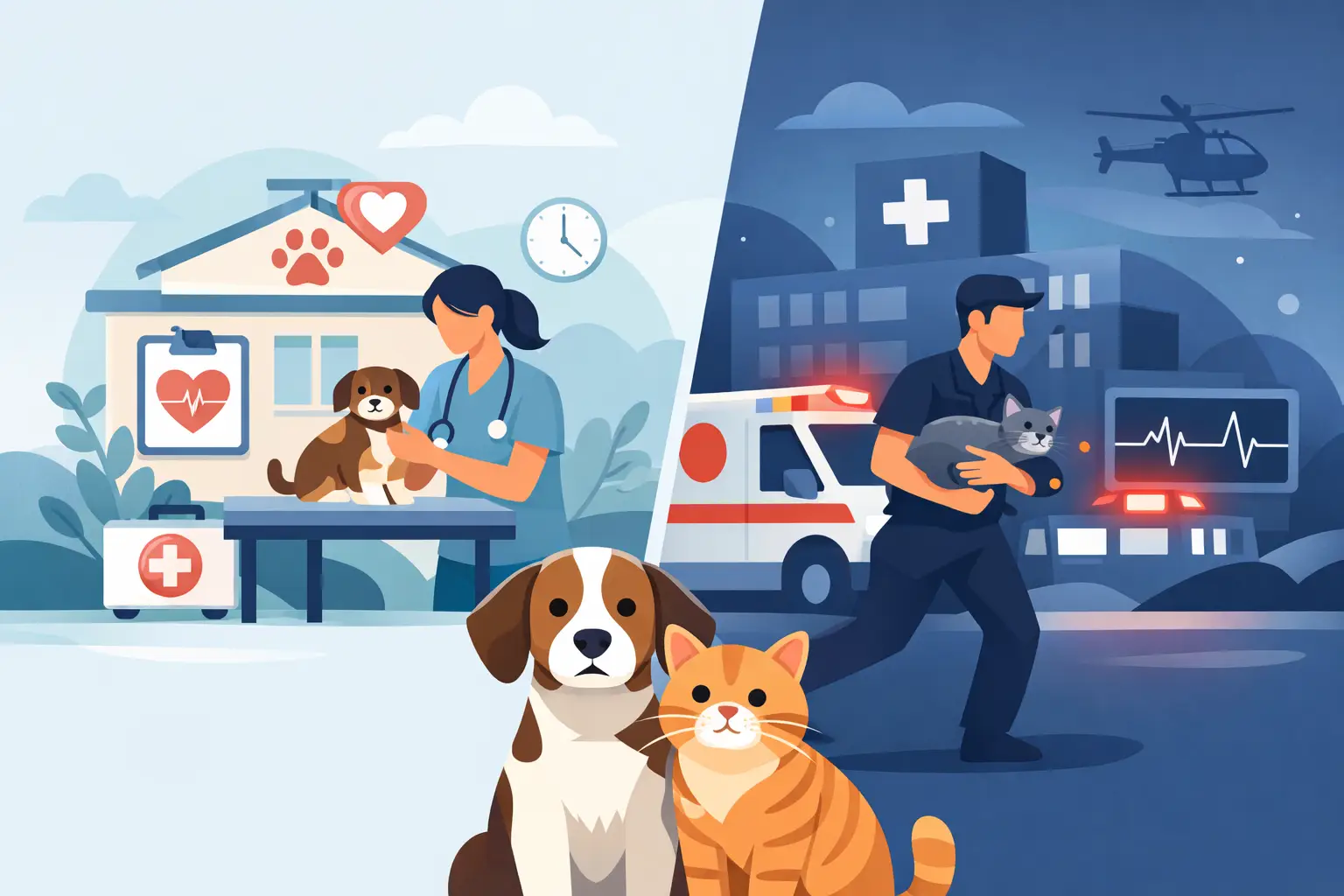
When to Seek Emergency Veterinary Care
If your dog:
- Refuses to put weight on a leg
- Has a limb visibly deformed
- Is extremely painful
- Has had a major trauma
- Is showing shock symptoms
You should get an emergency vet immediately. Do not wait, as time is a factor for joint survival and recovery in a dog dislocated joint.
Conclusion
Canine dislocations of joints can be quite painful, but if treated, the prognosis is very good. An early diagnosis, a good reduction, and a proper dog joint injury treatment will make it possible for most dogs to be normal again and lead an active life.
If your dog suddenly stops bearing weight or has a limb deformity, do not hesitate to look for a vet, as a quick response is the key to saving joint health in the long run and minimizing the damage from a dislocated joint in dogs.
FAQs
How can I tell if my dog has a joint dislocation or just a sprain?
If your dog cannot stand on the leg, the limb shows signs of deformity, or the dog is in a lot of pain, it may be a dog joint dislocation and not a light sprain. Only a veterinary X-ray can confirm that.
Does trauma cause dog hip dislocation every time?
Most dog hip dislocation cases are caused by trauma, but there might be some dogs whose joints are inherently unstable, and therefore, they have a higher risk.
Is it possible for a dog with patellar luxation to get better on its own?
In mild cases of patellar luxation dog, the condition can be controlled without surgery; however, severe cases will need surgical correction.
How urgent is a dog elbow dislocation?
Dislocation of a dog’s elbow is a typical dog’s orthopedic emergency, and if you want to avoid permanent damage, it needs to be treated right away.
What is the usual time needed for recovery after dog joint injury treatment?
Recovery depends on the condition; most minor injuries get well within 4-6 weeks, while surgical cases with rehabilitation may take 8-12 weeks or even longer.