When your dog needs surgery, the hardest part is often not the procedure itself – it is the uncertainty around it. If your veterinarian recommends soft tissue surgery for dogs, you may be wondering what that really means, how serious it is, and what recovery will look like at home.
Soft tissue surgery refers to procedures involving the skin, ears, eyes, mouth, and internal organs rather than the bones or joints. That broad category covers everything from mass removal and wound repair to bladder surgery and procedures involving the stomach or intestines. Some surgeries are planned in advance. Others happen quickly because a dog is in pain, has swallowed something, or is dealing with an injury that cannot wait.
What soft tissue surgery for dogs includes
Soft tissue surgery is a wide area of veterinary medicine, which is why the recommendation can sound vague at first. In practical terms, it includes surgeries that treat structures other than the skeletal system. A dog having a lump removed, a laceration repaired, an eyelid corrected, or a foreign object taken out of the stomach may all fall under the same category.
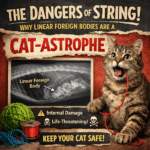
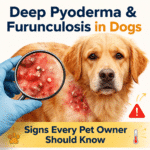
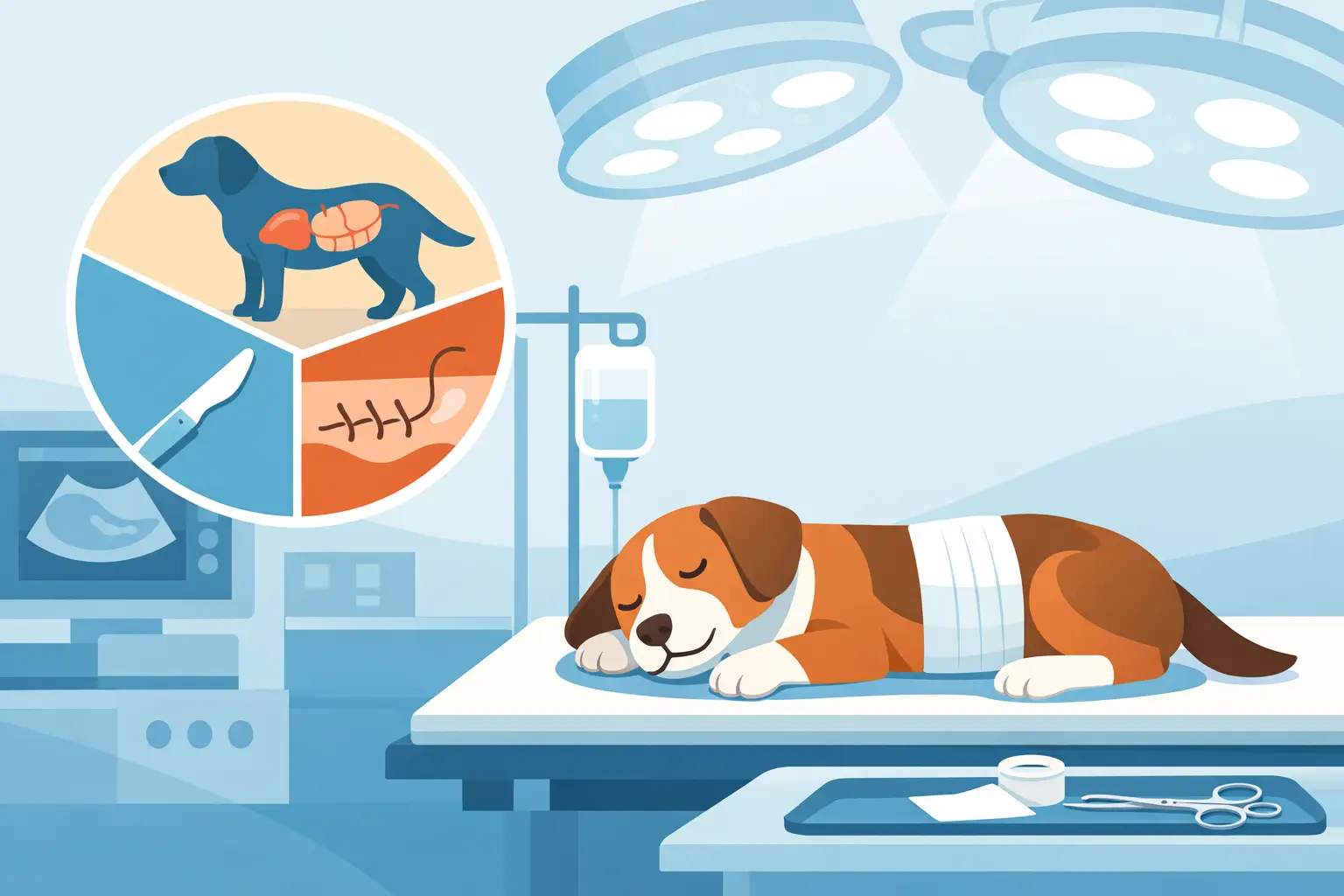
Common examples include spay procedures, mass removals, wound and abscess treatment, ear hematoma repair, bladder stone surgery, gastrointestinal surgery, and some oral procedures. Depending on the condition, surgery may be straightforward and brief, or it may require advanced imaging, close monitoring, and a longer recovery period.
That range matters because not every surgery carries the same level of risk, discomfort, or follow-up care. A small skin mass removal is very different from abdominal surgery, even though both are considered soft tissue procedures. One of the most helpful things a veterinary team can do is explain exactly where your dog falls on that spectrum.
When surgery is recommended
Sometimes surgery is clearly the best next step. A growth may need to be removed and tested. A wound may be too deep to heal safely on its own. A dog with repeated vomiting may have an obstruction that needs urgent treatment. In those cases, delaying surgery can lead to more pain, more damage, and a harder recovery.
In other situations, the decision is less black and white. A small mass that is not bothering your dog today may still be worth removing while it is smaller and easier to manage. An eyelid issue might begin as irritation but eventually affect the surface of the eye. Your veterinarian may recommend surgery not because the condition is catastrophic now, but because acting earlier can produce a better result.
This is where individualized care matters. Age, breed, overall health, and the exact diagnosis all shape the recommendation. A younger, healthy dog may be a good candidate for a procedure right away. An older dog with heart disease or other medical concerns may need additional testing, monitoring, or a modified plan.
How your dog is evaluated before surgery
A good surgical plan starts before the first incision. Your veterinarian will perform a physical exam, review symptoms, and often recommend diagnostic testing to confirm the problem and assess surgical safety. That may include bloodwork, X-rays, ultrasound, or other imaging depending on what your dog is facing.
Pre-anesthetic testing is an important part of this process. Even when a dog seems healthy on the outside, lab work can reveal concerns involving the liver, kidneys, blood sugar, or clotting function. These findings do not always prevent surgery, but they can affect anesthesia choices, fluid support, and monitoring.
This is also the time to talk through medications, allergies, appetite changes, coughing, vomiting, or anything else you have noticed at home. Small details matter. The more complete the picture, the safer and more tailored your dog’s care can be.
What happens on the day of surgery
On surgery day, most dogs are admitted to the hospital in the morning after fasting as instructed. The veterinary team will review the plan, answer final questions, and make sure your dog is as comfortable as possible before the procedure begins.
Anesthesia is carefully tailored to the patient and the surgery being performed. During the procedure, your dog is monitored closely for heart rate, breathing, blood pressure, oxygenation, and temperature. Pain management is built into the plan, not added as an afterthought.
For pet owners, this is often the most stressful part of the day because your role is mainly to wait. Clear communication helps. Knowing what procedure is being done, what the expected timeline looks like, and when you will receive an update can make the experience feel less overwhelming.
Recovery depends on the procedure
One of the biggest misconceptions about soft tissue surgery for dogs is that recovery is always quick and simple. Sometimes it is. Sometimes it is not. A dog recovering from a minor skin procedure may be back to normal routines fairly quickly, while a dog recovering from abdominal surgery may need much more rest, medication, and follow-up care.
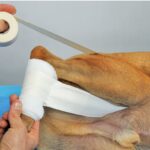
Most dogs go home with instructions covering activity restriction, incision care, medication, feeding, and signs to watch for. It is common to need an e-collar or recovery cone to prevent licking, chewing, or rubbing at the surgical site. Even dogs who seem completely unbothered by their incision can damage it surprisingly fast if left unsupervised.
Appetite may be a little off for a day or two, depending on the procedure and anesthesia. Mild sleepiness is also common at first. What should improve over time is comfort, energy, and interest in normal activity. What should not happen is worsening swelling, bleeding, vomiting, labored breathing, or obvious signs of pain. If something feels off, it is worth checking in.
What pet owners can do at home
Home care has a real impact on healing. The most important job is usually helping your dog rest more than they want to. That can be difficult, especially with younger or active dogs who start feeling better before the body is fully healed.
Follow medication directions closely, keep recheck appointments, and do your best to maintain a calm recovery space. If your dog is on restricted activity, that usually means more than skipping the dog park. Running through the house, jumping on furniture, rough play, and off-leash activity can all interfere with healing.
Incision checks should become part of your daily routine. A small amount of redness or bruising may be normal, but increasing swelling, discharge, a bad odor, or gaps in the incision are not. Taking a quick photo each day can help you notice changes and share accurate updates with your veterinary team if needed.
Questions worth asking before surgery
It is reasonable to ask what the surgery is intended to fix, whether there are non-surgical alternatives, what the risks are, and what recovery will require from you at home. You can also ask whether tissue will be sent for testing, what follow-up visits are expected, and how pain will be managed.
There is a balance here. You want honest answers about risks, but you also want those answers in context. Every surgery carries some degree of risk because every dog and every diagnosis are different. At the same time, avoiding surgery when it is truly needed can carry bigger risks than moving forward with treatment.
A trustworthy veterinary team will not rush you past those questions. They should help you understand the why behind the recommendation and what the likely next steps will be.
Choosing a hospital that can support the full process
Surgery is not only about the procedure itself. It is also about diagnostics, anesthesia, pain control, monitoring, follow-up, and knowing where to turn if your dog’s needs change. For many families, there is real peace of mind in working with a hospital that can handle routine care, imaging, surgery, and recovery support in one place.
That continuity can be especially valuable if a straightforward issue turns out to be more complex, or if your dog needs rehabilitation, repeat imaging, or long-term monitoring after surgery. At All Creatures Veterinary Center, that whole-patient approach is part of helping families in Newhall, Santa Clarita, and nearby communities feel supported before, during, and after treatment.
If your dog has been referred for surgery or you have been told a lump, wound, or internal issue may need a procedure, the next best step is a conversation grounded in clarity rather than fear. The more you understand about the diagnosis and the plan, the easier it becomes to make a confident decision for the dog who depends on you.