When your dog stops putting weight on a leg or your cat suddenly avoids jumping onto the couch, life gets stressful fast. A guide to orthopedic pet surgery should do more than define procedures – it should help you understand what is happening, what your options may be, and how to make steady, informed decisions for a member of your family.
Orthopedic surgery focuses on bones, joints, ligaments, and related structures that affect movement and comfort. In pets, these procedures are often recommended after an injury, but they are also used for chronic conditions that worsen over time. The goal is not simply to fix an X-ray finding. It is to reduce pain, restore function, and help your pet return to daily life with as much comfort and mobility as possible.
What this guide to orthopedic pet surgery covers
Most pet owners first hear the word orthopedic after something has already gone wrong. A fall, a limp, a torn ligament, or a fracture can turn a normal week into a rush of appointments, imaging, cost questions, and hard choices. That is why it helps to know the basics before you are trying to make decisions under pressure.
Orthopedic issues in dogs and cats can range from simple to complex. Some pets need strict rest and medication. Others benefit from rehabilitation, pain management, or joint support. In more serious cases, surgery offers the best chance for healing and long-term function. The right plan depends on your pet’s age, breed, overall health, activity level, and the specific injury or condition involved.
When orthopedic surgery may be recommended
Not every limp means surgery, and not every injury can heal well without it. The decision usually comes down to stability, pain, and the likelihood of good healing. A small pet with a minor issue may do well with conservative care, while a large active dog with the same problem may continue to struggle unless the joint or bone is surgically repaired.
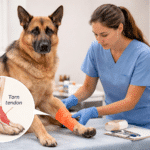
Common reasons a veterinarian may recommend orthopedic surgery include fractures, torn cranial cruciate ligaments in the knee, hip problems, patellar luxation, and some elbow or spinal-related mobility issues. In certain pets, surgery is advised because waiting too long can lead to more arthritis, muscle loss, or compensation injuries in other limbs.
This is one of the biggest trade-offs to understand. Surgery can feel like the more serious option, but delaying treatment in the wrong case can make recovery longer and outcomes less predictable. On the other hand, immediate surgery is not always necessary. Some conditions allow time for additional imaging, second opinions, or a short trial of medical management.
Signs your pet may need an orthopedic evaluation
Some problems are dramatic, like a broken bone after trauma. Others are subtle and easy to miss at first. A pet that is slowing down may not just be aging. They may be dealing with pain.
Watch for limping, toe-touching, stiffness after rest, difficulty rising, hesitation with stairs, swelling around a joint, changes in posture, or sudden reluctance to run, jump, or play. Cats often hide discomfort, so the signs may look like reduced grooming, irritability, or choosing lower resting spots instead of high ones.
If symptoms are persistent, worsening, or severe, an exam matters. Orthopedic conditions often become easier to treat when they are addressed early.
How diagnosis works before surgery
A good guide to orthopedic pet surgery should make room for the diagnostic process, because surgery planning starts long before the operating room. The first step is a physical exam, including gait evaluation and hands-on assessment of the joints and limbs. From there, imaging helps confirm what is happening internally.
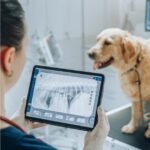
X-rays are commonly used to look at fractures, joint alignment, arthritis, and certain bone changes. In some cases, more advanced imaging is recommended to better evaluate complicated injuries or related neurologic concerns. Bloodwork is also important before anesthesia to look for issues that could affect safety or recovery.
This stage is where individualized planning matters. Two dogs can both have knee injuries and still need different recommendations based on size, lifestyle, and the degree of instability. The same goes for older pets. Age alone does not rule out surgery, but it does shape how the care team approaches anesthesia, pain control, and rehabilitation.
What to expect before the procedure
Once surgery is recommended, most pet owners want to know two things right away: how urgent is this, and what will recovery involve? Those are fair questions, and they should be answered clearly.
Before surgery, your veterinary team should explain the diagnosis, the reason this procedure is being advised, the expected benefits, possible risks, and the aftercare requirements at home. You should also receive guidance on feeding instructions before anesthesia, medication adjustments, and what to bring or prepare for the day of surgery.
Transparent pricing matters here too. Orthopedic procedures can be a significant investment because they involve imaging, anesthesia, surgical time, implants in some cases, pain control, and follow-up care. A clear treatment plan helps families prepare and weigh options without feeling rushed or confused.
What happens during orthopedic pet surgery
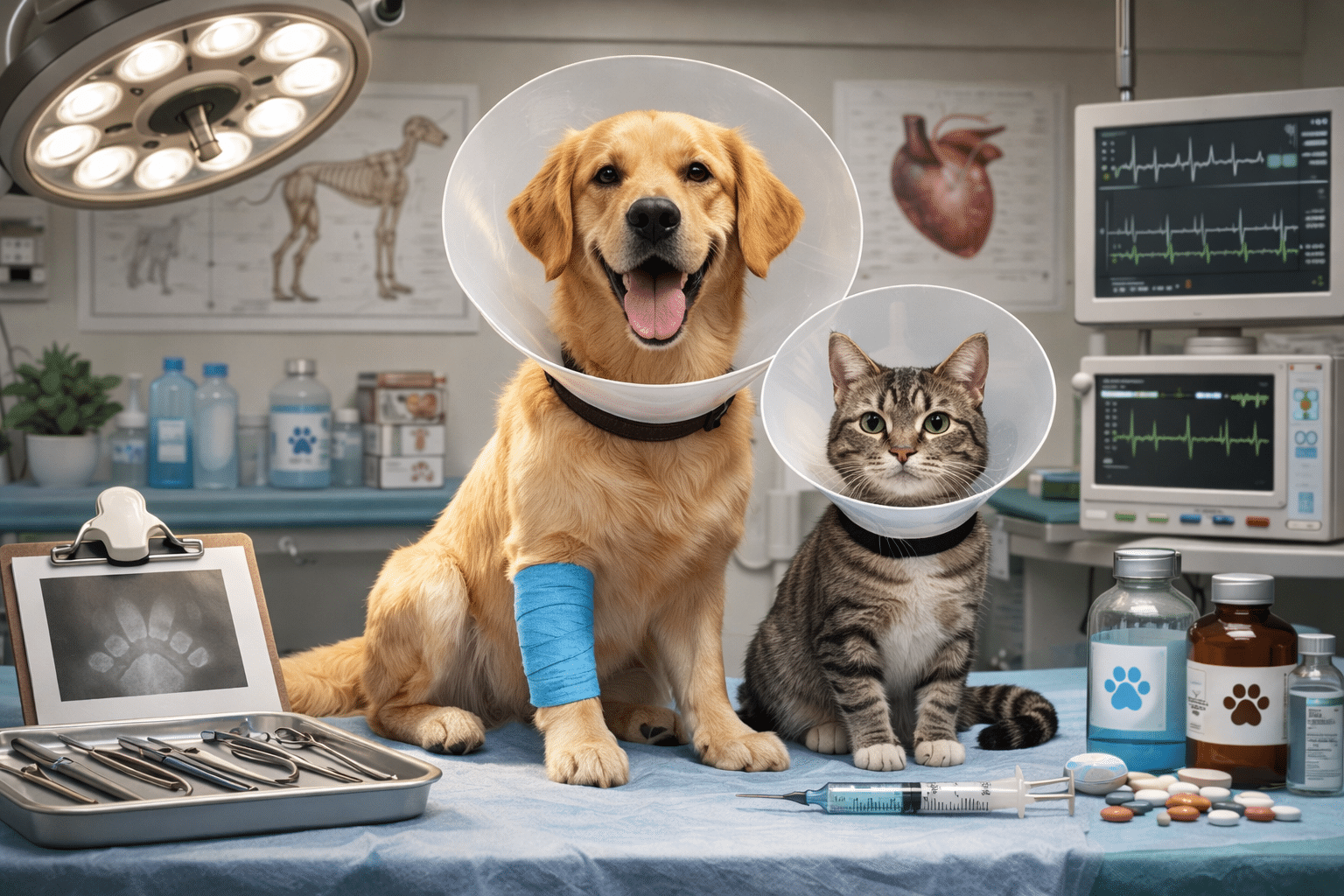
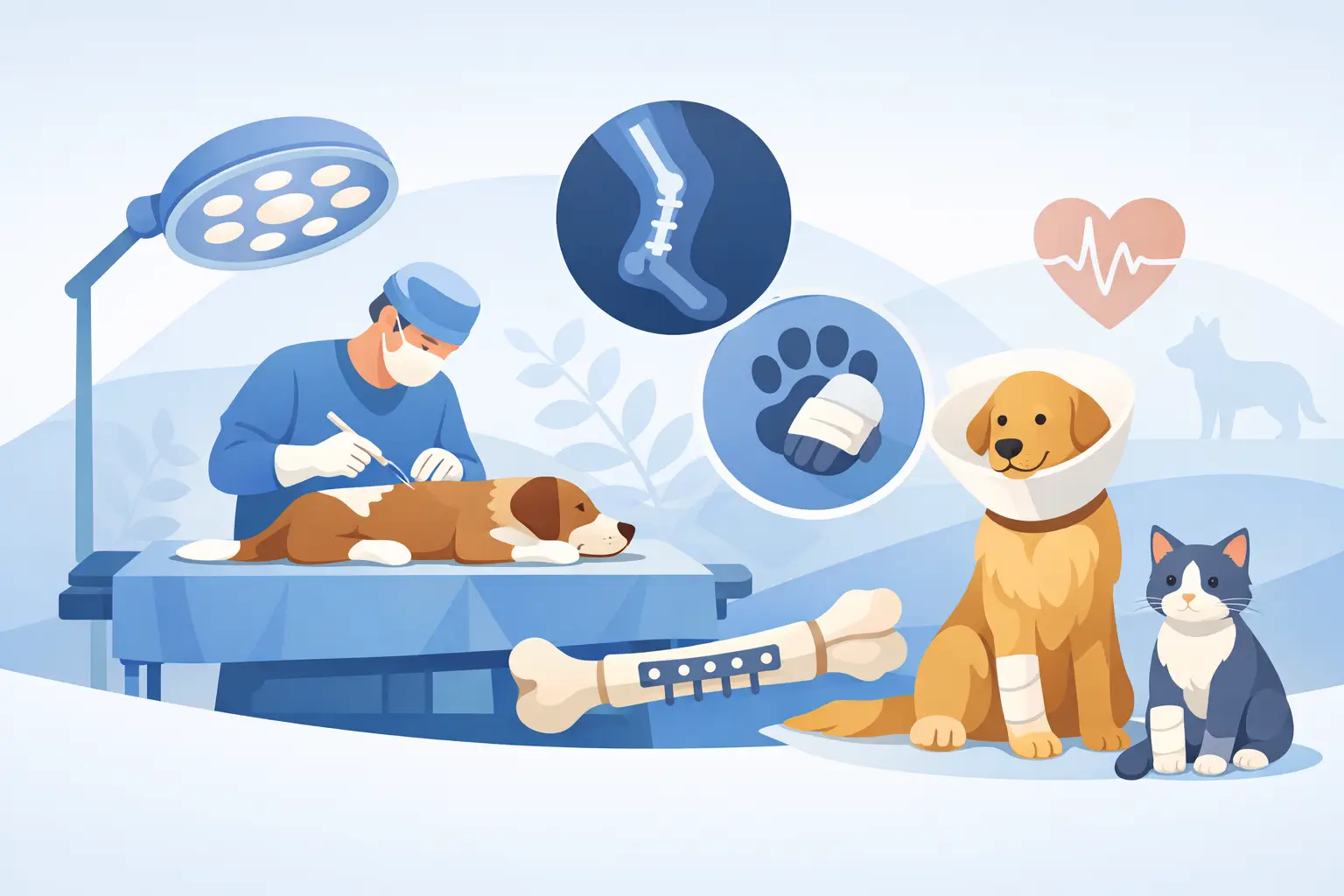
The exact procedure depends on the condition being treated, but the overall process follows the same general principles. Your pet is placed under anesthesia, monitored closely, and positioned to allow the surgeon to access the affected area safely. The surgeon then repairs, stabilizes, or reconstructs the damaged bone or joint structure.
For a fracture, that may mean plates, pins, screws, or other stabilization methods. For a torn knee ligament, it may involve a technique designed to restore stability and reduce abnormal joint motion. In other cases, the procedure focuses on correcting alignment or improving how a joint tracks during movement.
The details matter, but so does the bigger picture. A successful surgery is not just about the repair itself. It also depends on careful anesthesia monitoring, pain management, sterile technique, and thoughtful planning for healing afterward.
Recovery is where the real work happens
Surgery is one day. Recovery is a process. That can be the hardest part for families, especially when their pet starts acting better before the body is fully healed.
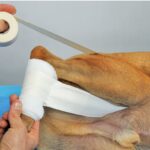
Most orthopedic patients need a period of restricted activity, and that usually means more than just fewer walks. It may include crate rest, leash-only bathroom breaks, preventing jumping on furniture, using ramps instead of stairs, and helping with a sling during the early phase. If those restrictions are not followed, even a well-done repair can be compromised.
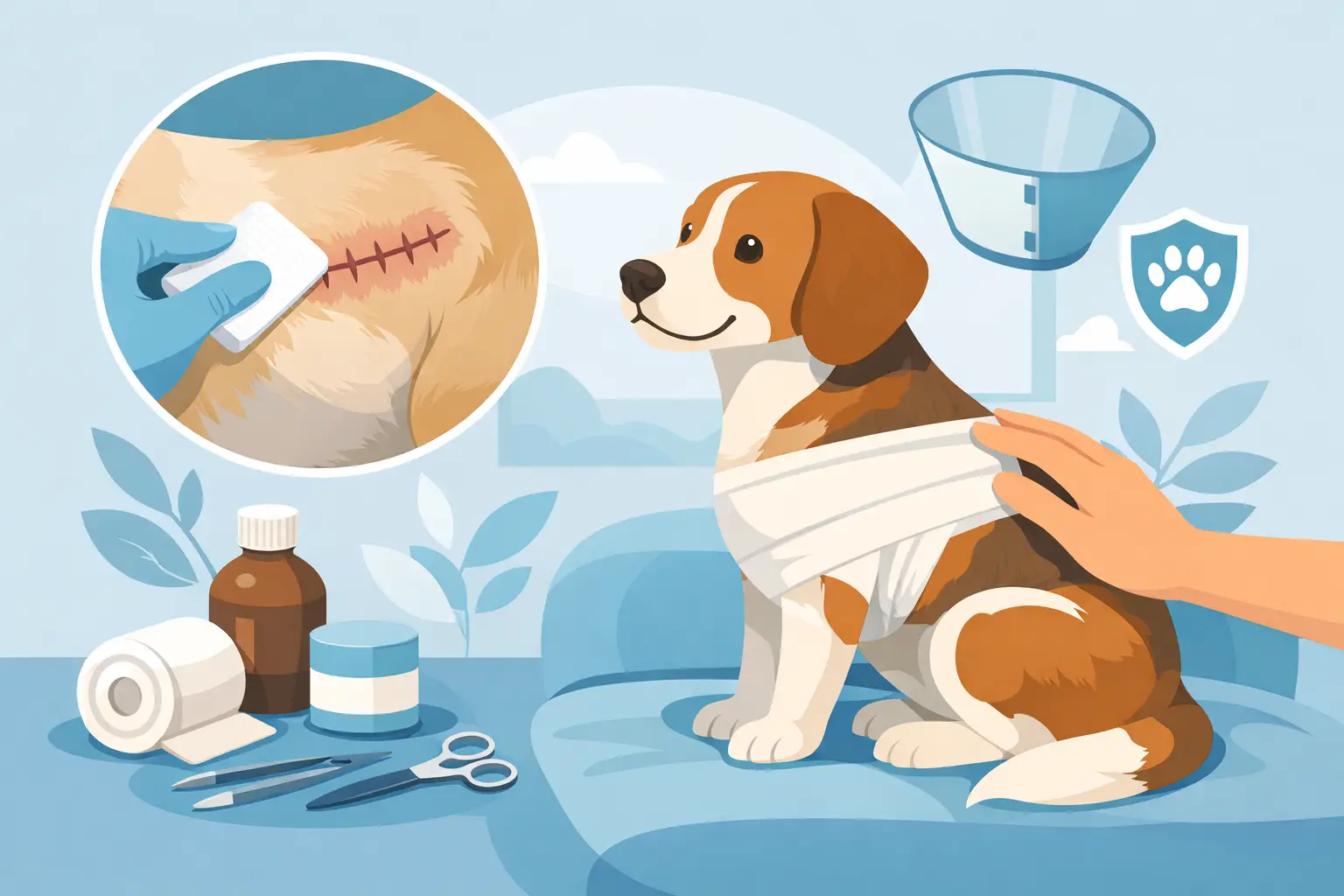
Pain medication, anti-inflammatory support, incision monitoring, and follow-up visits are all part of standard recovery. Some pets also benefit from rehabilitation to rebuild strength, improve range of motion, and return to normal movement patterns more safely. This can make a major difference, particularly after knee surgery, fracture repair, or neurologic and spinal procedures.
Recovery timelines vary. A young healthy dog with a straightforward repair may progress faster than a senior pet with arthritis or multiple health concerns. Cats can recover well too, but they often need very careful environmental management at home because they are quick, agile, and not especially interested in activity restrictions.
Questions pet owners should ask
If your veterinarian recommends surgery, ask what happens if you proceed and what happens if you wait. Ask how this condition typically progresses, what the expected recovery timeline looks like, and what kind of home care will be needed from your family.
It is also reasonable to ask about pain control, follow-up imaging, likely long-term prognosis, and whether rehabilitation or regenerative therapies may help during recovery. Clear answers build confidence, and confidence makes it easier to care for your pet well once they are home.
Why continuity of care makes a difference
Orthopedic cases rarely begin and end with one appointment. They often involve exam findings, imaging, surgery, rechecks, medication adjustments, and ongoing mobility support. That is why many families feel more comfortable when these services can be coordinated through a veterinary team that already knows their pet.
At All Creatures Veterinary Center, that continuity matters because surgical care is part of a broader plan for lifelong health, not a one-time event. When diagnostics, surgery, rehabilitation, and follow-up are connected, communication is simpler and treatment can be tailored more closely to the pet in front of us.
If your cat or dog is showing signs of pain, limping, or trouble moving, the next best step is not to guess. It is to get answers, ask questions, and work with a veterinary team that can help you understand both the medical need and the road ahead.