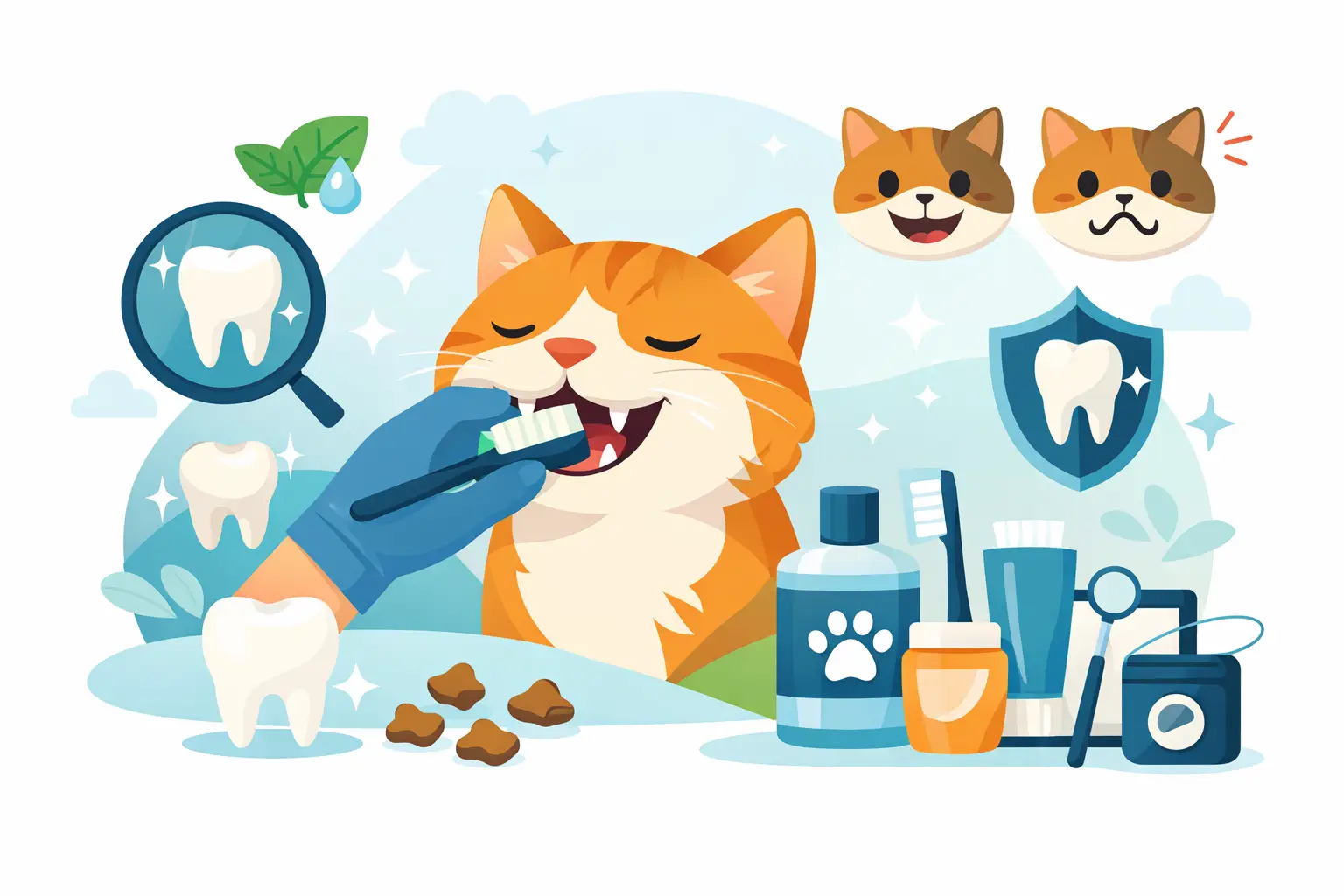
Bad breath is easy to shrug off in cats, especially if they still seem playful, hungry, and comfortable. But one of the best cat dental care tips is also the one many pet owners miss – if your cat’s mouth smells unusually strong, there is often more going on than “just cat breath.” Dental disease can quietly lead to pain, infection, difficulty eating, and health problems that affect far more than the teeth.
For many cats, dental problems start with plaque and tartar, then progress to inflamed gums, loose teeth, or painful resorptive lesions. The encouraging news is that prevention helps, and small habits at home can make a real difference. Just as importantly, home care works best when it is paired with regular veterinary exams and professional dental treatment when needed.
Why cat dental care matters more than many owners realize
Cats are very good at hiding discomfort. A cat with significant dental pain may still eat, greet you at the door, and settle into the same favorite spot on the couch. That can make oral disease easy to miss until it becomes advanced.
Dental disease is common in adult cats, and it does not always look dramatic from the outside. Sometimes the earliest signs are subtle, like dropping kibble, chewing on one side, grooming less, or seeming less interested in toys. In other cases, the only noticeable clue is bad breath. By the time a cat is pawing at the mouth or refusing food, the problem may already be quite painful.
That is why the best cat dental care tips focus on both prevention and early detection. You want to slow down plaque buildup at home, but you also want your veterinary team to catch the issues you cannot see under the gumline.
Best cat dental care tips to use at home
Start with tooth brushing, but keep your expectations realistic
If you can brush your cat’s teeth, that is one of the most effective things you can do at home. The key is not perfection. It is consistency.
Use a toothpaste made specifically for cats, since human toothpaste can be unsafe for pets. Start slowly by letting your cat taste the toothpaste, then gently touch the lips and gums before introducing a finger brush or pet toothbrush. For many cats, a few seconds of calm handling is a win at first.
It is better to brush a few teeth several times a week than to force a stressful full-mouth routine once and give up. Some cats will accept daily brushing. Others do best with shorter sessions every few days. What matters is building a habit your cat can tolerate.
Use dental diets and treats with a purpose
Dental diets and approved dental treats can help reduce plaque and tartar, but they are not all equally helpful. Some products are designed with texture and size that create more mechanical cleaning as the cat chews. Others may sound appealing on the label but do very little.
This is a good area to ask your veterinarian for guidance, especially if your cat also has food sensitivities, kidney disease, weight concerns, or a history of urinary issues. A dental product should support your cat’s overall health, not solve one problem while complicating another.
Consider water additives and oral gels for cats who resist brushing
Not every cat will allow brushing, even with a patient introduction. In those cases, water additives, oral rinses, or dental gels may be part of a practical plan. They are usually less effective than brushing, but they can still be useful when chosen carefully and used consistently.
This is one of those it-depends situations. Some cats dislike changes in water taste and may drink less if an additive is used, which is not ideal. Others tolerate gels better than brushes. The right option depends on your cat’s temperament, health status, and what you can realistically maintain.
Pay attention to what your cat’s mouth is telling you
At-home dental care is not only about cleaning. It is also about noticing changes early.
Watch for bad breath, red gums, yellow or brown tartar, drooling, dropping food, chewing differently, face rubbing, visible mouth sensitivity, or a change in appetite. Cats with oral pain may also hide more, become irritable, or stop grooming normally. Those signs deserve an exam, even if they seem mild.
The role of regular veterinary exams
Even the most dedicated home routine cannot replace a professional oral exam. Cats can develop problems below the gumline that are impossible to evaluate at home, and some of the most painful conditions are not obvious until a veterinarian takes a closer look.
During routine wellness visits, your veterinary team can check for gingivitis, tartar buildup, broken teeth, oral masses, and signs of pain or infection. They can also help you adjust your home care plan based on your cat’s age, breed, health history, and temperament.
For kittens and young adult cats, these visits help establish a baseline and make handling the mouth less stressful over time. For middle-aged and senior cats, regular exams are especially valuable because dental disease tends to become more common with age.
When a professional dental cleaning is the best next step
Many owners hope they can manage everything at home, but once tartar is firmly attached or gum disease is developing, brushing alone will not reverse it. A professional dental cleaning allows your veterinary team to clean above and below the gumline, evaluate each tooth thoroughly, and identify hidden disease.
In cats, dental procedures are done under anesthesia so the mouth can be cleaned and examined safely and completely. That often includes dental X-rays, which are important because a large portion of each tooth sits below the surface. A tooth may look fairly normal above the gumline while significant disease is present underneath.
This is also when conditions such as tooth resorption are often found. Tooth resorption is common in cats and can be very painful. Unfortunately, it is not something a dental treat or brushing routine can fix.
For pet owners, anesthesia naturally raises questions. That is normal. A good veterinary team will review your cat’s health, discuss pre-anesthetic testing, explain the procedure clearly, and talk through any findings and treatment recommendations. Transparent communication matters, especially when you are making decisions about a family member.
How to make dental care easier for your cat
Cats rarely respond well to rushed handling, and dental care is no exception. A calmer routine usually gets better long-term results than trying to do too much too soon.
Choose a quiet time of day when your cat is relaxed. Keep sessions short and reward afterward with affection, play, or an approved treat. If your cat becomes tense, stop before it turns into a struggle. The goal is to build trust around the routine, not create a battle over the toothbrush.
It also helps to think in stages. First, your cat tolerates having the face touched. Then the lips are lifted briefly. Then toothpaste is introduced. Then a brush. Progress can be slow, and that is okay.
Multi-cat households may need a little extra planning. Some cats get stressed when another pet is nearby, so handling one cat separately in a quiet room can help. Senior cats, cats with arthritis, and cats with underlying medical conditions may also need gentler positioning and shorter sessions.
Common mistakes to avoid
One of the biggest mistakes is assuming dry food alone keeps teeth clean. While some prescription dental diets can help, regular kibble is not a reliable substitute for dental care.
Another common issue is waiting for severe signs before scheduling an exam. Cats tend to hide pain, so visible distress is often a late sign. It is also important not to use human toothpaste, mouthwash, or dental tools at home. Products made for people can be unsafe for cats, and scraping tartar yourself can injure the gums or miss the disease below the surface.
Finally, do not assume a cat is “too old” for dental treatment. Age by itself is not the deciding factor. Overall health, diagnostic findings, and an individualized treatment plan are what matter most.
A practical approach for busy pet owners
If your schedule is full, the best plan is the one you will actually follow. For some families, that means brushing three times a week and staying consistent with wellness visits. For others, it may mean using a veterinarian-recommended dental product at home while planning professional cleanings as needed.
The most effective routine is rarely the most complicated one. It is the one that fits your cat, your household, and your ability to stay consistent over time. If you are not sure where to start, a veterinary exam can help you prioritize the next right step instead of guessing.
At All Creatures Veterinary Center, we often remind cat owners that dental care is not just about fresher breath. It is about comfort, appetite, and quality of life. A healthy mouth helps your cat feel better in ways that are easy to miss until a painful problem is finally treated.
If your cat’s breath has changed, meals are taking longer, or you have never had their teeth evaluated closely, this is a good time to ask about a dental exam. Small steps taken early can spare your cat a great deal of pain later, and that kind of prevention is always worth making room for.