
One of the most prevalent chronic neurological issues facing dogs today is canine epilepsy, which is defined as recurrent and unprovoked seizures. As scary as they may seem to owners at the time, many dogs that suffer from epilepsy can lead long, happy, and well-managed lives when given appropriate care from a veterinarian and continued medical treatment.
This guide is a comprehensive resource for pet owners, as well as veterinarians and those involved in educating people about animal health, covering all aspects of canine epilepsy: what it is; types of seizures; diagnosing canine epilepsy; managing seizures; medically treating dogs with canine epilepsy; dealing with emergencies related to canine epilepsy; and how to view the long-term prognosis of your dog who suffers from seizures caused by canine epilepsy.
What Is Canine Epilepsy?
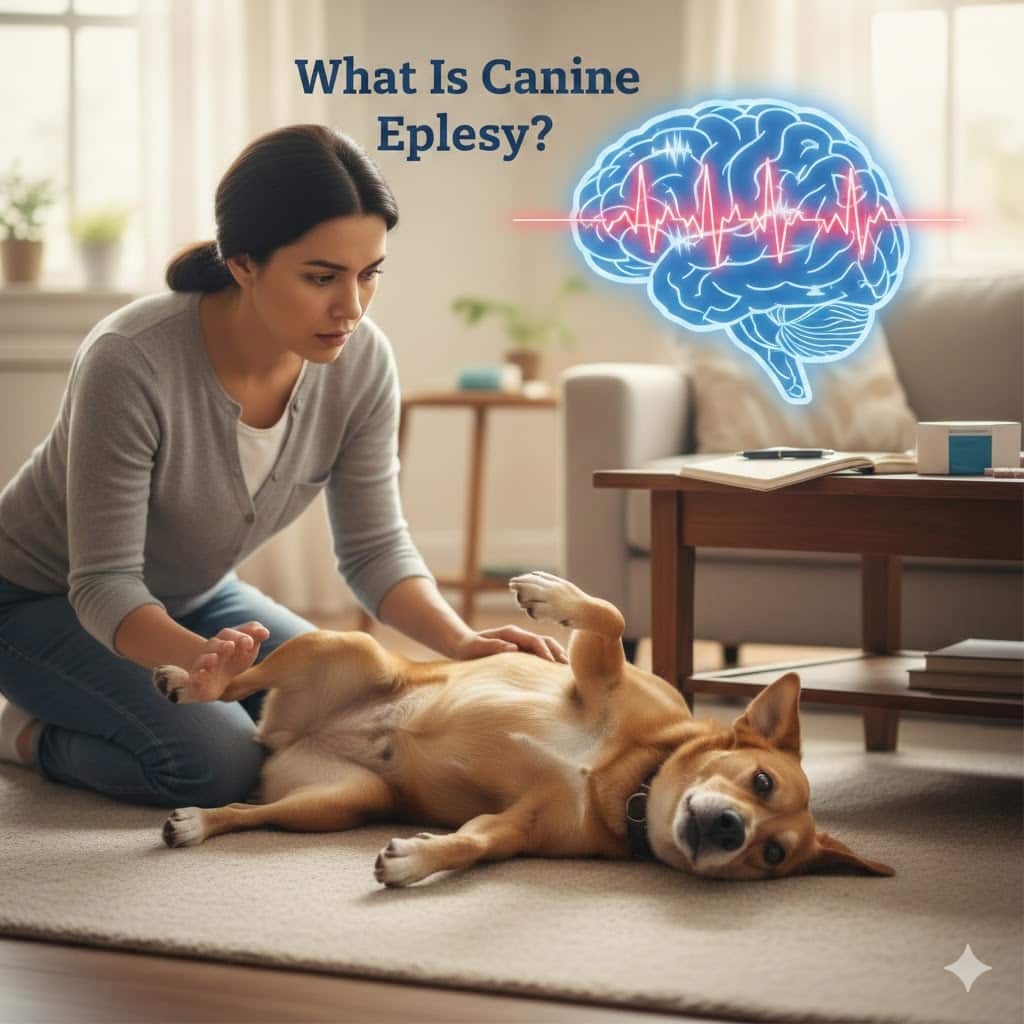
Canines with Epilepsy have a disorder relating to the electrical impulses in their brains, and will have multiple seizures that are not triggered by any kind of abnormality such as poisons or metabolic disease. Having a seizure means that there’s been an unplanned increase of electrical impulses throughout the brain followed by a change in any one of these areas:
- Consciousness
- Muscle control
- Behavior
A dog will be diagnosed with epilepsy if they have 2 or more seizures without provocation (time between them does not matter).
Types of Canine Epilepsy

Idiopathic Epilepsy (Most Common)
Common type of epilepsy in dogs; there is no clear reason for having idiopathic seizure disorder except for genetic predisposition. Usually starts at around six months through to six years; border collies, lab retrievers, beagles and German shepherds are also predisposed.
Structural Epilepsy
The most common cause of seizures is structural damage to the brain including:
- Brain tumours
- Infection/inflammation (e.g., encephalitis, meningitis)
- Head trauma
- Congenital abnormalities of the brain (i.e., developmental malformations)
Structural epilepsy tends to occur in either very young dogs or very old dogs.
Reactive Seizures (Not True Epilepsy)
Reactive seizures are caused by something other than epilepsy. These include:
- Low blood sugar
- Liver failure or disease
- Toxins
- Electrolyte imbalance
The way to resolve these seizures is to treat the problem causing them.
Types of Seizures in Dogs
Generalized (Grand Mal) Seizures
Most common.
- Lack of awareness/consciousness
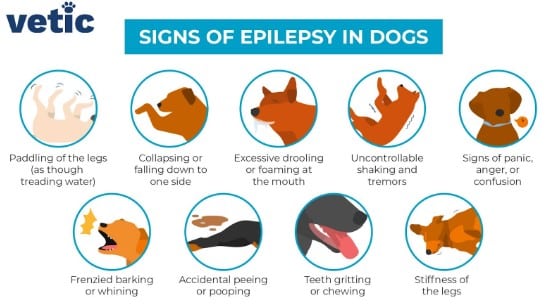
- Paddling of limbs
- Rigor in muscles
- Drooling, urination, and defecation present
Focal (Partial) Seizures
- Twitching of the face
- Turning of the head
- Jerking of limb
- Unusual behavior
Can progress to generalised seizures.
Cluster Seizures
- Multiple seizures in 24 hours
- Considered an emergency situation.
Status Epilepticus
- Seizure lasted 5 minutes or more, or recurrence of seizures without pause
- Potentially life-threatening emergency.
What Causes Seizures in Dogs?
It depends on the type, causes which may include:
- Genetic predisposition
- Brain disease or injury
- Metabolic disorders
- Toxins or medications
Note: Many epileptic dogs have no identifiable cause
Symptoms Before, During, and After Seizures
Prodrome (Hours to Days Before)
- Anxiety
- Restlessness
- Clingy behavior
Ictal Phase (The Seizure)
- Convulsions
- Loss of consciousness
- Muscle rigidity
Post-Ictal Phase (Minutes to Hours After)
- Disorientation
- Temporary blindness
- Pacing or vocalization
- Fatigue
Post-ictal signs can last minutes to days.
How Canine Epilepsy Is Diagnosed

Canine Epilepsy can be diagnosed based on:
- Full information on seizure history
- Physical and neurologic examination
- Form blood and urine tests
- Advanced imaging only if structural disease is suspected
Idiopathic epilepsy is often a diagnosis of exclusion
Treatment of Canine Epilepsy
When Is Treatment Started?
Doctors normally advise anti seizure medicine for sufferers who experience:
- Seizures that occur more than once within a 4 to 6 week duration
- Patients who revel in cluster seizures
- Patients who experience reputation epilepticus
- Patients who display extreme or growing seizure patterns
Anti-Seizure Medications
The drugs best known for use are listed below:
- Barbiturates
- Bromides
- ZDIRAS
- Sulfonamides
Many puppies need to acquire medical care for their entire lives.
⚠️ The surprising discontinuation of seizure medicine needs to be avoided as it creates a danger of severe seizures.
Emergency Seizure Management at Home
In the unfortunate event that your pet needs rescue medications immediately, your vet may prescribe them to you for home use.
Go to the Emergency Vet Immediately If:
- A seizure lasts for 5 mins or longer.
- Your canine experiences more than one seizure in a single day.
- The character suggests poor healing consequences, or their circumstance is deteriorating.
Time is very important.
When to Seek Emergency Care
Seek immediate veterinary care if your dog:
- Has a seizure lasting 5 minutes
- Has cluster seizures
- Does not regain consciousness
- Has been injured during a seizure
Note: If you delay the treatment then it can cause brain damage or death.
Final Thoughts
Canine epilepsy is a continual neurological ailment that does not bring about loss of life. Most dogs with epilepsy obtain a good quality of existence through contemporary medications, emergency plans, and their ongoing medical treatment. All Creatures Veterinary Center provides an entire control gadget that starts with the first diagnosis. Immediate veterinary assessment is vital for dogs who have experienced a seizure because proper treatment throughout the preliminary period is critical. The team provides correct diagnostic offerings even as handing over heat care to maintain your puppy’s happiness and fitness.
FAQs
Does my dog have to be on medication for life?
Usually, yes. The aim of medication is not necessarily to get to “zero” seizures (although that’s the holy grail) but to decrease frequency and severity, while minimizing side effects. Veterinarians often prescribe drugs such as Phenobarbital, Potassium Bromide or Levetiracetam (Keppra). Its extremely important not to miss a dose as sudden withdrawal can cause a very severe seizure cluster.
What are the long-term side effects of seizure meds?
Your canine will revel in wobbliness, sleepiness, and expanded hunger and thirst throughout the first two weeks of his medicine. The brain will return to its regular characteristics after the preliminary duration of treatment. The All Creatures Veterinary Center conducts blood exams to monitor the safety and effectiveness of medicines because some pills result in permanent liver and thyroid fitness problems.
Can diet help manage epilepsy?
Increasingly, there are signs that nutrition is a factor. Some of these include diets high in Medium Chain Triglycerides (MCTs), which are present in certain specialized veterinary neuro-diets, and which – as an alternative energy source for the brain – could help reduce seizure frequency in some dogs. As always, consult your vet before switching diets, as sudden changes can create other problems.
What is a “Cluster Seizure” and why is it dangerous?
A cluster seizure is described as one or more seizures that occur within 24 hours. The medical emergency of clusters exists because your dog seems quality throughout the durations between seizures. The mind fails to operate its “reset button” function due to the fact tthat here exists an excessive possibility of developing Status Epilepticus, which causes non-stop seizures that final extra than 5 minutes. You ought to take your canine to All Creatures Veterinary Center or an emergency clinic straight away after your dog experiences cluster seizures to acquire “pulse remedy”, in order to end the seizure episode.