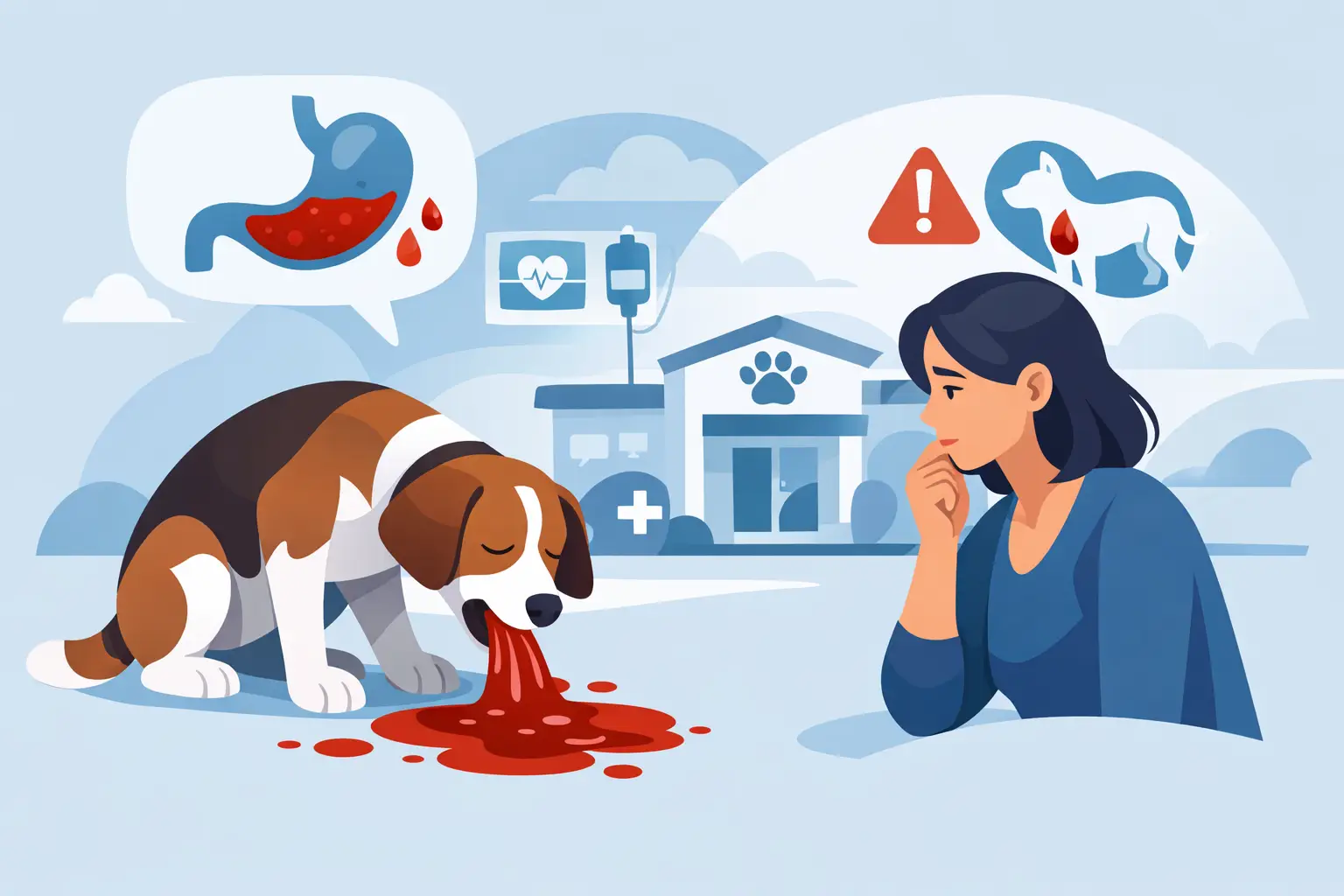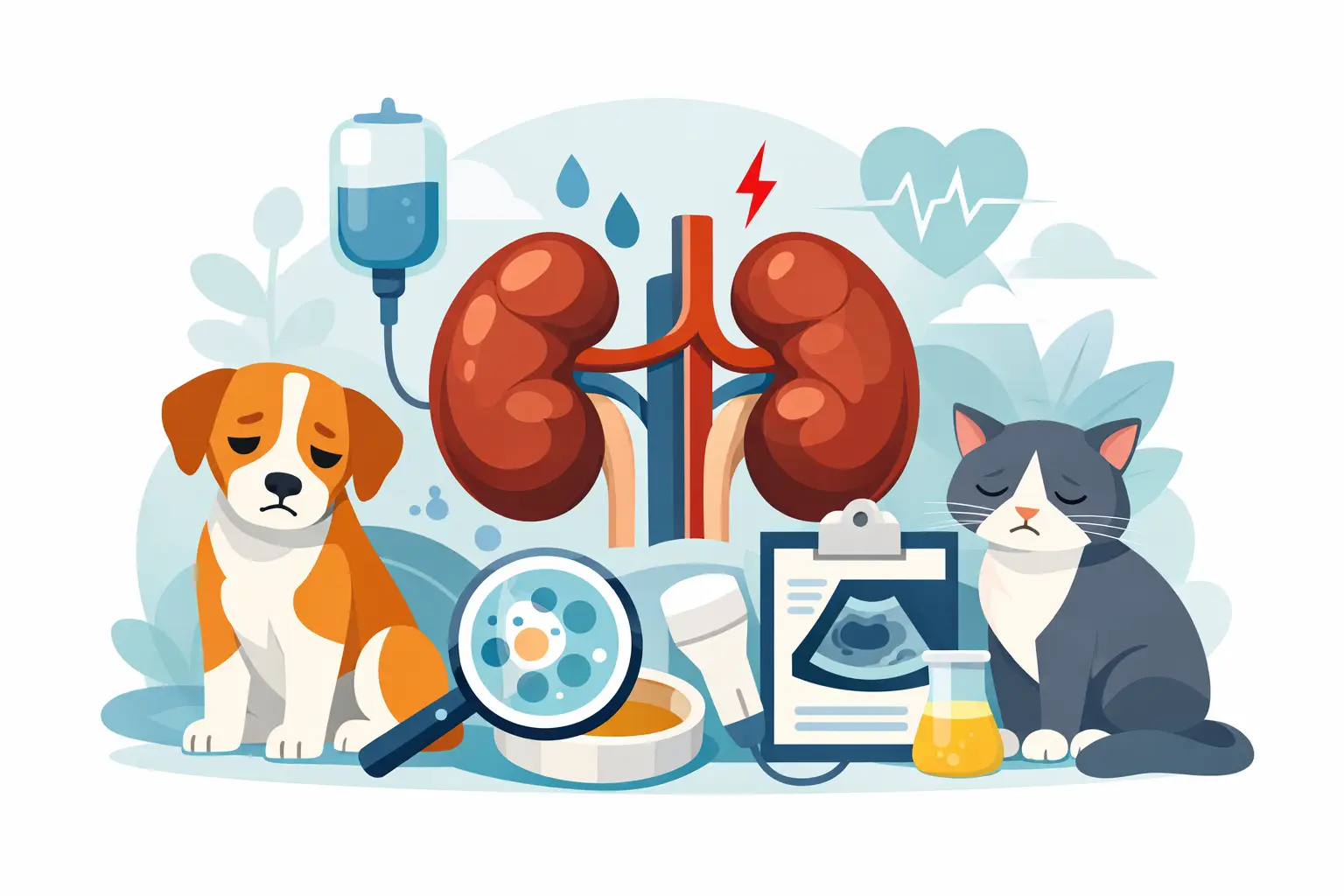
A dog who suddenly stops eating. A cat who seems quiet, hides more than usual, and vomits twice in one day. These changes can look minor at first, but acute kidney failure can develop quickly and become a true medical emergency for pets.
Kidneys do much more than make urine. They filter waste from the bloodstream, help regulate hydration, support blood pressure, and keep important electrolytes in balance. When the kidneys suddenly lose their ability to do that job, toxins build up fast. Some pets decline over hours. Others worsen over a couple of days. Either way, early veterinary care matters.
What acute kidney failure means
Acute kidney failure is a sudden loss of kidney function. You may also hear it called acute renal failure or acute kidney injury. Unlike chronic kidney disease, which develops gradually over time, this condition happens quickly and often without much warning.
That speed is what makes it so serious. A pet can go from acting slightly off to becoming severely dehydrated, weak, nauseated, or even unable to produce urine. In some cases, the kidneys can recover partially or even very well with prompt treatment. In others, the damage is severe, permanent, or life-threatening.
Common causes of acute kidney failure
There is not one single cause. In dogs and cats, acute kidney failure can happen for several different reasons, and the exact cause affects both treatment and prognosis.
Toxin exposure is one of the most urgent concerns. Antifreeze is a classic example, especially for dogs, because even a small amount can be deadly. Certain human medications, some plants such as lilies in cats, raisins or grapes in dogs, and some supplements or chemicals can also cause sudden kidney injury.
Severe dehydration can also damage the kidneys. This may happen with prolonged vomiting, diarrhea, overheating, or any illness that causes major fluid loss. In other cases, infection is the trigger. Leptospirosis in dogs is one example, though not every kidney infection comes from the same source.
Reduced blood flow to the kidneys is another possibility. Shock, trauma, heart problems, or major blood loss can all interfere with kidney perfusion. Then there are obstructive causes, such as a urinary blockage, which can back pressure up into the system and quickly become dangerous.
Sometimes, despite bloodwork, imaging, and a full medical history, the exact cause is still unclear. That can be frustrating for pet owners, but it does not stop the need for fast supportive care.
Signs of acute kidney failure in pets
The early signs can be vague. Many pets do not read the textbook, and what one dog shows may look different from what another cat shows.
Some of the most common symptoms include vomiting, diarrhea, poor appetite, lethargy, increased thirst, changes in urination, bad breath, weakness, and dehydration. A pet may seem dull, unsteady, or unwilling to move around much. You might also notice mouth ulcers, pale gums, or a chemical-like odor on the breath in more advanced cases.
Changes in urination deserve special attention. Some pets with acute kidney failure urinate more at first. Others urinate very little or not at all. That difference matters medically, but from a pet owner’s perspective, either pattern can be a reason to call right away if it appears suddenly along with other signs of illness.
Cats are especially good at hiding discomfort, so subtle behavior changes should not be brushed off. If your cat is hiding, skipping meals, or acting withdrawn, there may be more going on than simple stress.
When it is an emergency
If your pet may have gotten into antifreeze, lilies, medications, rodenticides, or another toxin, do not wait for symptoms to worsen. Call a veterinarian immediately.
The same is true for repeated vomiting, collapse, severe lethargy, not urinating, straining to urinate, sudden weakness, or obvious dehydration. Acute kidney failure is not something to monitor at home for a day or two to see if it passes.
Fast evaluation gives your veterinary team the best chance to stabilize your pet before complications become harder to reverse.
How veterinarians diagnose acute kidney failure
Diagnosis usually starts with a physical exam, a discussion of symptoms, and questions about possible toxin exposure, diet, medications, and recent illness. From there, bloodwork and urinalysis are often the first essential steps.
Blood tests can show whether kidney values are elevated and whether electrolytes are out of balance. Urinalysis helps assess how well the kidneys are concentrating urine and whether there are signs of infection, inflammation, or crystals. Blood pressure may also be checked, since kidney problems and blood pressure changes often go hand in hand.
Imaging is often part of the workup too. X-rays or ultrasound can help look for obstructions, changes in kidney size or structure, bladder issues, or other abdominal problems that may be contributing to the crisis.
This is one of those situations where in-house diagnostics make a real difference. The sooner results are available, the sooner treatment decisions can begin.
Treatment for acute kidney failure
Treatment depends on the cause, the severity, and how early the problem is caught. There is no one-size-fits-all plan.
Many pets need hospitalization for IV fluids. This is often the first and most important step because it helps restore circulation to the kidneys, correct dehydration, and support the body while toxins are flushed. Fluid therapy has to be monitored carefully. Too little may not help enough, but too much can also create problems, especially in pets with other health concerns.
Medications may be used to control nausea, vomiting, stomach irritation, blood pressure issues, or electrolyte abnormalities. If infection is suspected, antibiotics may be appropriate. If there is a toxin involved, treatment may include decontamination or very specific antidote protocols, depending on the substance and timing.
If a urinary obstruction is present, relieving that blockage becomes urgent. If imaging shows another underlying issue, such as a ruptured structure or a surgical problem, additional intervention may be needed.
Monitoring is a big part of care. Kidney values, urine output, hydration status, appetite, and overall comfort all need close attention. Some pets respond within a day or two. Others require longer hospitalization and more guarded expectations.
Can pets recover?
Sometimes yes, but it depends.
Pets treated early after a reversible insult, such as dehydration or certain infections, may recover very well. Others improve but are left with some lasting kidney damage, which can mean ongoing management later. Severe toxic injury, prolonged lack of urine production, or delayed treatment generally carry a worse outlook.
Recovery also depends on the individual pet. Age, overall health, preexisting kidney disease, and how sick the pet is at the time of diagnosis all matter. This is why your veterinary team may be cautious when discussing prognosis in the first 24 to 48 hours. The kidneys can be unpredictable, and trends over time often tell more than a single test result.
How to lower the risk at home
You cannot prevent every case, but you can reduce risk in meaningful ways.
Keep medications, automotive fluids, cleaning products, and toxic foods securely out of reach. If you have cats, be especially careful with lilies, which can cause severe kidney damage even from limited exposure. Make sure pets always have access to fresh water, and do not ignore vomiting, diarrhea, or sudden appetite changes that could lead to dehydration.
Routine wellness care matters too. A physical exam and lab work can help identify subtle changes before they become a crisis, especially in senior pets. Just as important, having a veterinary team that knows your dog or cat’s baseline can speed up decisions when something changes suddenly.
At All Creatures Veterinary Center, that combination of familiarity, diagnostics, and urgent medical support can make a stressful moment more manageable for both pets and the people who love them.
What pet owners should remember about acute kidney failure
Acute kidney failure is frightening because it moves fast, but fast action can also make a real difference. If your dog or cat is vomiting, acting weak, drinking or urinating differently, or may have been exposed to a toxin, trust your instincts and call your veterinarian.
When a pet is not acting like themselves, waiting for a clearer sign is rarely the safest plan. A prompt exam can bring answers, relief, and a better path forward when every hour counts.