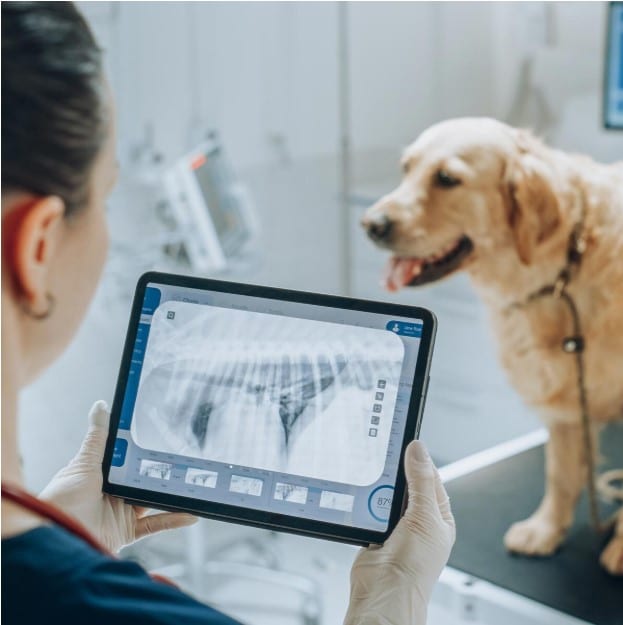
Veterinary Digital Radiology Explained: Modern X-Ray Imaging in Animal Medicine – Veterinary digital radiology is vital to successful pet healthcare. This type of veterinary diagnostic imaging tool allows animal practitioners to see inside a pet’s body quickly, safely, and exactly. Veterinary digital X-ray systems provide images that are much clearer, easier to describe, and more adaptable than those from conventional film-based systems.
As this comprehensive guide covers, you will learn the fundamentals of what veterinary digital radiology involves, its function in capturing veterinary X-ray imaging of dogs or cats, its applications within the everyday practices of veterinarians/emergency medicine personnel, and how digital X-ray will continue to remain an integral part of vet care for both pets and their pet parents.
Defining Digital Radiography in Veterinary Medicine
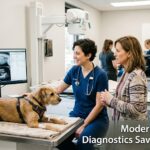
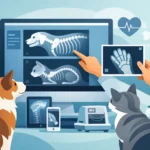
Digital radiographers use digital X-ray technology to capture images of the hard and/or soft tissue structures within an animal. While traditional X-ray film was developed and viewed in minutes, with physical film being delivered to a veterinary office for interpretation by a radiologist/surgeon, digital X-rays are also created and displayed on screen almost instantly, which has made digital X-ray technology a major player in the success of veterinary diagnostic imaging and the overall health of pets.
Veterinary Practitioners Can:
- Quickly diagnose a pet’s injuries or illnesses using veterinary X-ray imaging
- Manipulate X-ray images for improved diagnostics and interpretation
- Store and share digital pictures
- Reduce the radiation risks through exposure that will be present for both pets and staff.
How Digital Radiology Works
- X-rays pass through the body
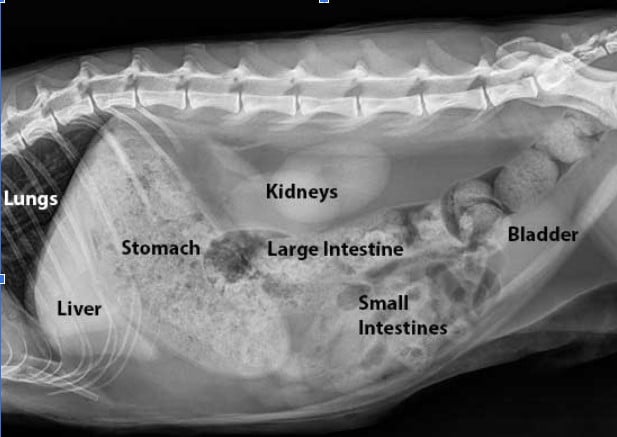
- Bones and metal will absorb more X-ray radiation and be seen as appearing white on an X-ray image.
- Softer tissue will absorb less X-ray radiation and will be seen as gray
- Any areas of air within the body will show as black on an X-ray image.
- Digital X-ray images are taken and shown immediately on a digital monitor
- Images are adjustable to provide changes in brightness, contrast, and level of magnification, without the need to retake any veterinary digital X-ray imaging.
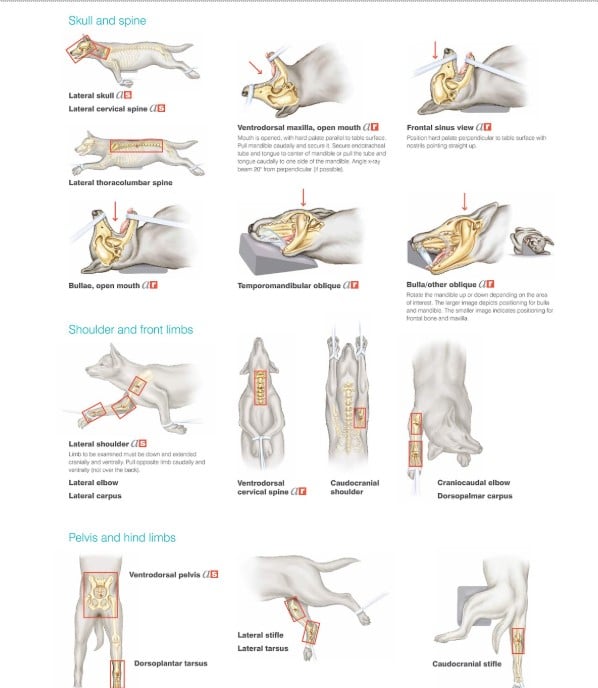
Types of Digital Radiology X-Ray Systems for Veterinary Use
Computed Radiography (CR)
- Uses imaging plates that can be reused to take X-rays
- The X-ray images are scanned following the exposure
- Compared with film, CR x-rays are quicker to have their images displayed, but slightly slower than Direct Digital Radiography systems.
Direct Digital Radiography (DR)
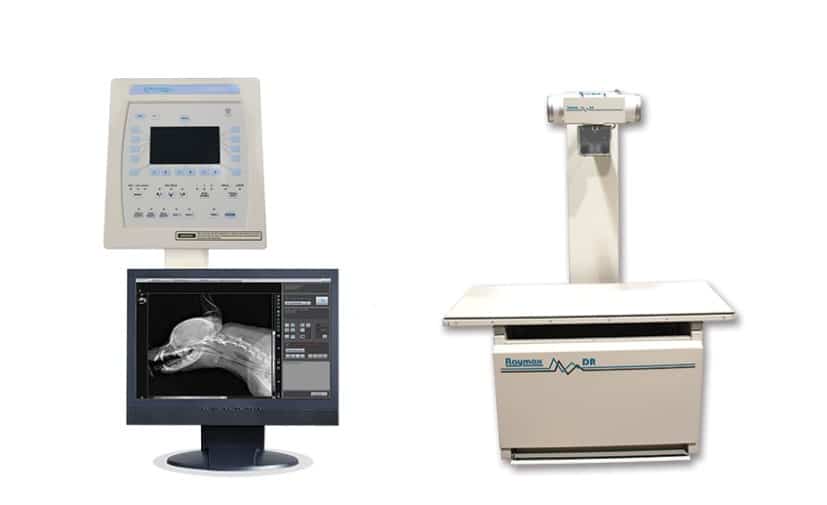
- Uses flat panel detectors to acquire and display X-ray images
- DR will provide immediate access to X-ray images
- The digital image quality will be the best of all of the available X-ray systems.
This is the reason that the majority of modern veterinary hospitals use DR-based digital radiography veterinary systems.
Conditions Diagnosed Using Digital Radiology Veterinary X-Rays
Veterinary digital radiology and digital X-ray for dogs and cats can help evaluate the following types of conditions:
Musculoskeletal System
- Fractures and dislocations
- Arthritis and joint disease
- Cancer in the bone
- Developmental orthopedic disease
Thoracic (Chest) Disease
- Enlarged heart
- Lung-associated diseases/pneumonia
- Presence of air and/or fluid in the chest
- Trauma and associated injuries
Abdominal Conditions
- Bowel obstructions and/or foreign material
- Stones in the bladder
- Enlarged organs
- Evaluation of pregnancy
Emergency and Trauma
- Hit by a car
- Potential internal bleeding
- Diaphragmatic hernia
Veterinary X-ray imaging is frequently the primary and quickest diagnostic tool in emergencies.
Digital Radiology Advantages for Veterinary Medicine
Faster Diagnosis
Images can be accessed in seconds, which is crucial when it comes to emergency cases.
Image Quality is Improved
Adjustable contrast and magnification enhance the accuracy.
Radiation Exposure is Lowered
Today’s modern digital radiology systems for veterinarians require fewer repeat images.
Storage and Sharing are Easy
Digital files can be sent to specialists for the veterinary diagnostic imaging workflow instantly.
Environmentally Friendly
No film/chemicals/process waste.
Is Sedation Needed When Taking Veterinary X-Rays?
Sometimes, yes. When:
- The pet is in pain
- Precise positioning is required.
- The pet is anxious or uncooperative.
Sedation will increase the quality of the image taken of your dog or cat through digital X-rays.
Safety of Veterinary Digital Radiology
Veterinary digital radiology used according to proper protocols has a very good safety record. Examples include:
- Lead shielding for staff
- Controlled exposure settings
- Minimal repeat imaging
- Techniques developed for species and size
Radiation doses authorized and monitored for veterinary digital X-ray systems are low.
Limitations of Digital Radiology
While digital radiography veterinary imaging is a highly effective diagnostic tool, some limitations exist. Limitations include the following:
- Limited detail of soft tissue.
- Early disease in an organ may not present on images.
- Some scenarios necessitate ultrasound, CT, or MRI for imaging.
Veterinary diagnostic imaging through radiology can be used in combination with other types of veterinary diagnostic tools to provide complete evaluations.
Traditional Film X-Rays vs. Digital Radiology
Digital Radiology
- Instant access to images
- Adaptable image quality
- Reduced the dose of radiation to the patient
- Straightforward means of sharing images
- Environmentally friendly
Film Radiography
- Delayed image processing
- Fixed the quality of the image
- Increased dose of radiation to the patient
- Need for physical storage of films
- Potential for chemical waste from processing films
Currently, digital radiology is considered the standard for veterinary X-ray imaging.
Veterinary Radiologist Role
Images from veterinary digital radiology systems are sometimes reviewed by veterinarians specializing in radiology in complicated cases, such as when
- Cancer is suspected
- Heart disease
- Subtle orthopedic or thoracic abnormalities are present
Pet Owner Information
For pet owners, it’s important to note the following:
- The use of digital X-rays for dogs and cats is a non-invasive procedure.
- Most studies can be performed promptly.
- To ensure the safety of your pet, most veterinarians will recommend the use of sedation.
- In most cases, you will receive the results of digital X-rays almost immediately.
Through the use of digital X-rays to provide clear diagnostic answers, veterinarians often can avoid unnecessary procedures.
Digital Radiography in Preventive Medicine
Digital Radiography has been utilized in veterinary preventive medicine for many years, but recently, many veterinarians have begun using it to help.
- Screen their senior patients
- Evaluate their pet patients (before surgery)
- Evaluate dental disease in their pet patients
- Monitor pets’ chronic health conditions
Veterinary digital radiography helps identify conditions early on, which improves an animal’s long-term health.
Conclusion
Digital Radiography has had a positive impact on pet healthcare by providing veterinarians and their pet patients with fast, accurate, and safe digital X-ray imaging. Veterinarians rely on digital radiography allow them to assess how to take care of an animal through definitive information.
Whether you have an emergency or are having a routine check-up, veterinarians rely on digital radiography for accurate and timely decisions for treatment.
FAQs
What is a veterinary X-ray?
A modern technology used to create instantaneous images of animals for the diagnosis of injury or illness.
Are digital X-rays for dogs and cats safe?
Yes, X-rays for animals are safe due to the very low dosage used and when taken in accordance with standard protocols.
Will my pet feel pain during an X-ray?
Animals are not harmed from having an X-ray taken, and other than light sedation may be used to keep them comfortable for the duration of the X-ray.
When can I receive the results from the X-ray?
In most cases, an X-ray is available for the veterinarian immediately following the X-ray for them to discuss it with you.
Why choose digital radiography instead of using a traditional X-ray machine?
Digital radiography produces faster results, is of a better quality, and is safer. Digital radiography also allows for consultations with experts who are not necessarily located near the veterinarian.