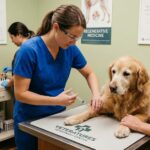
When a dog who once raced to the door now hesitates at the first step, families notice right away. Joint pain, stiffness, and slower movement can change daily life for pets and the people who love them. Stem cell therapy for dogs is one option veterinarians may recommend when the goal is to reduce discomfort, support healing, and help a pet move more comfortably.
What is stem cell therapy for dogs?
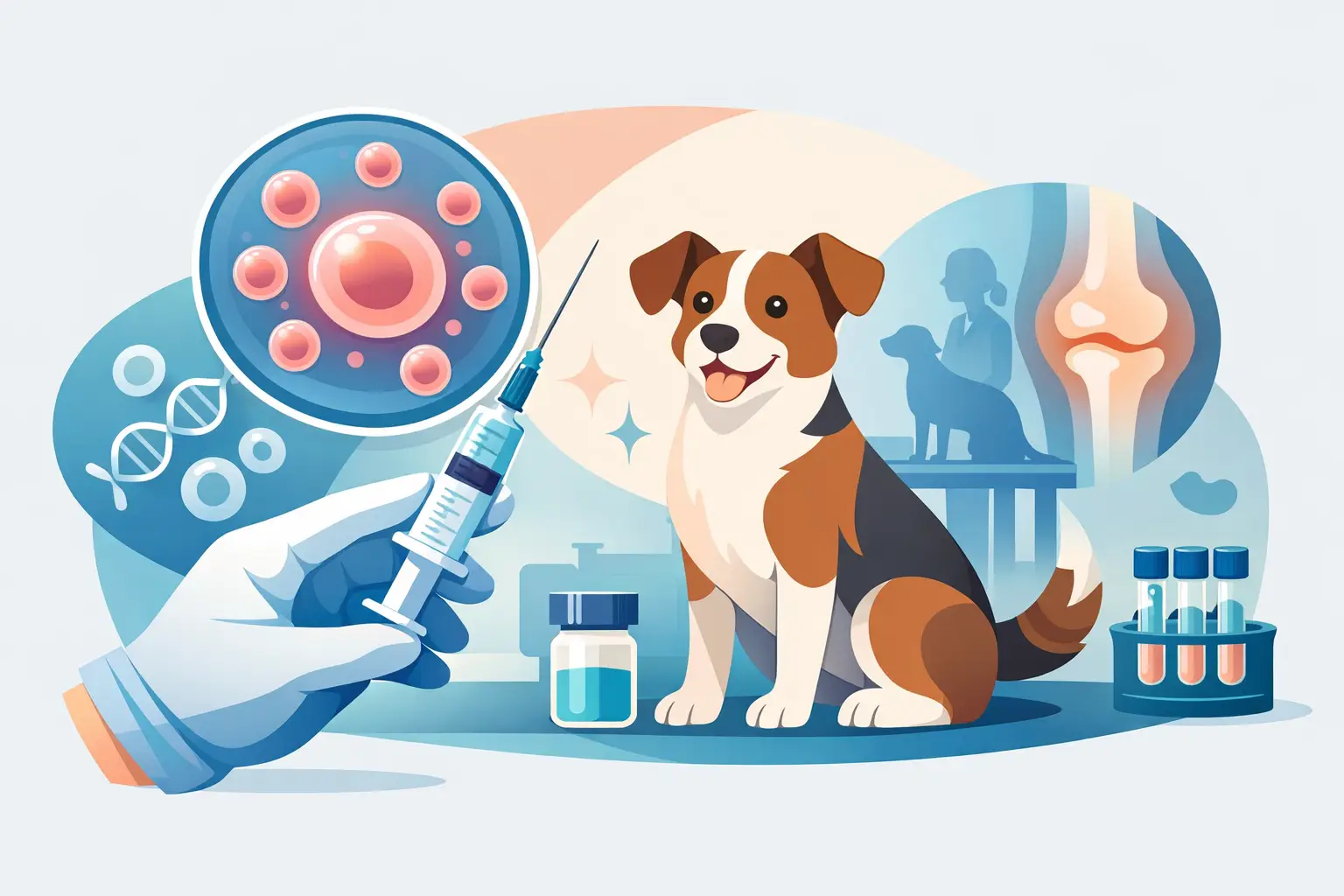
Stem cell therapy uses a dog’s own regenerative cells, most often collected from fatty tissue, to support repair in areas affected by inflammation or tissue damage. In veterinary medicine, this treatment is commonly considered for orthopedic conditions such as arthritis, tendon injuries, and ligament damage.
The idea is straightforward. Certain cells in the body can help regulate inflammation and support healing. When those cells are collected, processed, and placed where they are needed most, they may improve comfort and function over time. This does not mean they can reverse every condition or regrow every damaged structure. What they may do, in the right patient, is help create a better healing environment.
That distinction matters. Stem cell therapy is not a miracle fix, and it is not the right answer for every dog. It is one tool within a larger treatment plan that may also include pain management, rehabilitation, weight control, joint supplements, and activity changes.
When veterinarians recommend stem cell therapy for dogs
This therapy is often discussed for dogs with osteoarthritis, especially when stiffness is affecting quality of life. Senior dogs are common candidates, but younger dogs with joint injuries or wear-and-tear changes may benefit too. It may also be considered after certain orthopedic procedures or in cases involving soft tissue injuries.
Whether a dog is a good candidate depends on several factors. The diagnosis needs to be clear. The severity of the condition matters. Overall health matters too, since many stem cell procedures involve collecting tissue under anesthesia or sedation. A dog with advanced arthritis in multiple joints may respond differently than a dog with a more localized injury.
For that reason, the best starting point is not the treatment itself. It is a thorough exam, a conversation about what you are seeing at home, and imaging or other diagnostics when needed. Limping, reluctance to jump, difficulty rising, or changes in mood can all point to pain, but the cause is not always the same.
How the procedure works
In most cases, the process begins by collecting a small amount of fat tissue from the dog, usually under anesthesia. That tissue contains regenerative cells that can be processed and prepared for treatment. Once ready, the cells are injected into the affected joint or treatment area.
Some dogs receive stem cell therapy as a same-day or staged procedure, depending on the case and the specific protocol being used. Your veterinarian will explain what is involved, how long the appointment will take, and what kind of monitoring your dog will need afterward.
Because the cells typically come from the patient’s own body, the risk of rejection is lower than it would be with donor material. Even so, this is still a medical procedure. Dogs need an appropriate pre-anesthetic evaluation, and families should understand both the potential benefits and the practical realities of recovery.
What results can pet owners expect?
The most common goal is improvement, not perfection. Some dogs show better mobility, less stiffness, and greater willingness to walk, climb stairs, or play. Others improve more modestly. In some cases, the change is obvious within weeks. In others, progress is slower and best measured over time.
It also helps to define success realistically. For one dog, success may mean getting up more easily in the morning. For another, it may mean longer walks with less soreness afterward. For a senior pet with chronic arthritis, the aim may be to maintain comfort and independence rather than restore a puppy-like activity level.
Response varies because every dog is starting from a different place. Age, body condition, the degree of joint damage, and whether rehabilitation is part of the plan can all influence the outcome. Some dogs need additional therapies alongside stem cell treatment to get the best result.
The role of rehabilitation after treatment
Stem cell therapy tends to work best when it is part of a broader mobility plan. If a dog has been painful for months, there is often muscle loss, altered movement, and reduced stamina that treatment alone does not fully correct. This is where rehabilitation becomes especially valuable.
Controlled exercise, therapeutic movement, and strengthening work can help dogs use their bodies more comfortably as pain improves. Weight management is also a major factor. Even a modest reduction in excess weight can decrease stress on painful joints and improve long-term comfort.
Families are sometimes surprised to learn how connected these pieces are. A regenerative therapy may help reduce inflammation, but a dog who continues to overdo activity on weekends, slips on hard floors, or carries extra weight may still struggle. The most durable results usually come from a thoughtful plan rather than a single procedure.
Benefits and limitations to consider
The main benefit of stem cell therapy is its potential to reduce inflammation and support healing in a way that complements more traditional treatment options. For some dogs, this can mean less reliance on certain medications or better comfort despite chronic orthopedic disease.
Still, there are trade-offs. Not every dog responds the same way. Improvement may take time. Some conditions are too advanced for regenerative therapy to make a meaningful difference on its own. Cost is another real consideration for many families, especially if diagnostics, anesthesia, rehabilitation, or follow-up care are part of the full plan.
That is why honest case selection matters. A trustworthy veterinary team should explain when stem cell therapy is promising, when results are less predictable, and when a different approach may make more sense. Surgery, pain medication, PRP, laser therapy, rehabilitation, or a combination of treatments may be more appropriate depending on the diagnosis.
Is stem cell therapy safe for dogs?
For properly selected patients, stem cell therapy is generally considered safe when performed by an experienced veterinary team. As with any procedure involving anesthesia, tissue collection, and injection, there are risks to discuss. These may include anesthetic risk, soreness at the collection or injection site, swelling, or limited improvement.
Safety begins well before the treatment day. A dog should have a complete physical exam and any recommended bloodwork or imaging beforehand. This helps the veterinarian assess overall health and confirm that the treatment target is appropriate.
It is also important for pet owners to watch for changes after the procedure and follow recovery instructions closely. Restricting activity when advised, attending recheck appointments, and reporting concerns early all support a smoother recovery.
Questions worth asking at your consultation
If you are considering stem cell therapy, the consultation should leave you with a clear understanding of what your dog’s diagnosis is and why this treatment is being recommended. It is reasonable to ask what alternatives exist, what kind of improvement is realistic, how long benefits may last, and whether your dog will also need rehabilitation or medication.
You should also ask about comfort during and after the procedure, recovery time, total cost, and how progress will be evaluated. A good treatment plan should feel individualized, not one-size-fits-all. Dogs with similar symptoms do not always need the same care.
For families in Newhall, Santa Clarita, and nearby communities, this kind of conversation is often the difference between feeling overwhelmed and feeling informed. When your veterinarian explains the options in plain language and ties them back to your dog’s daily life, decisions become much easier.
Making the decision for your dog
Choosing advanced care for a pet can feel emotional, especially when mobility changes have been gradual and hard to measure. Many families wonder whether they are acting too soon, waiting too long, or missing a better option. The right next step usually comes from a full picture of the dog in front of you, not from a trend or a promise of dramatic results.
At All Creatures Veterinary Center, stem cell therapy is approached as part of comprehensive, personalized care. That means looking at diagnostics, pain level, mobility goals, and the treatments that can work together to support comfort over time.
If your dog is slowing down, avoiding stairs, limping, or no longer enjoying normal activities, it is worth having the conversation now. Relief does not always come from one big change. Sometimes it starts with a careful evaluation, a realistic plan, and a team that treats your pet like family while offering the medical options to back that up.