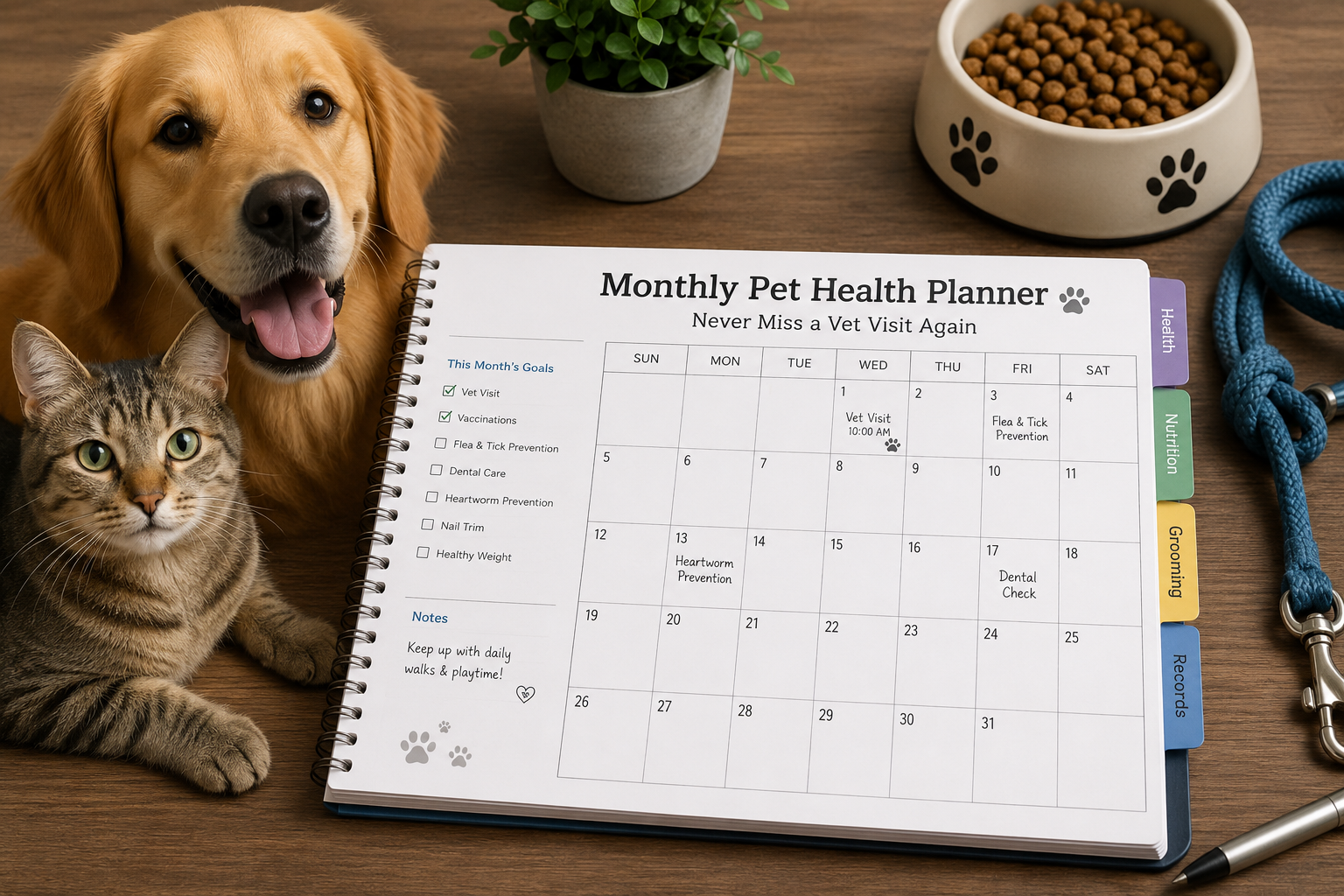
Monthly Pet Health Planner: Never Miss a Vet Visit Again – Showing love and providing your four-legged friend with proper nutrition is not enough to keep them healthy. A tool like A Monthly Pet Health Planner: Never Miss a Vet Visit Again will help you to be on time with vaccinations, wellness checks, grooming sessions, parasite and worm prevention, and medication management. Health problems in pets can develop silently, and therefore, the monthly monitoring of your pet’s condition is necessary.
Why is a Monthly Pet Health Planner Important?
Unlike humans, pets cannot express themselves verbally. Therefore, small but significant signs of discomfort may not even attract your attention. With the help of a pet health planner, you can control the entire health process of your pets.
The advantages of a health planner include:
- No more missed vaccinations
- Tracking flea, tick, and heartworm prevention
- Weight and dietary management
- Recording symptoms or behavioral changes
- Regular checkups
- Medications management and supplements
Preventive care and wellness examinations are key in identifying any possible health issues that may affect the well-being of your furry companions, according to veterinary doctors. An adult animal requires wellness exams every year, whereas older animals require visits every six months.
“Prevention is always easier and more economical than treating advanced diseases in pets.”
Essentials to Include in Your Monthly Pet Health Planner
1. Veterinary Appointments Planning
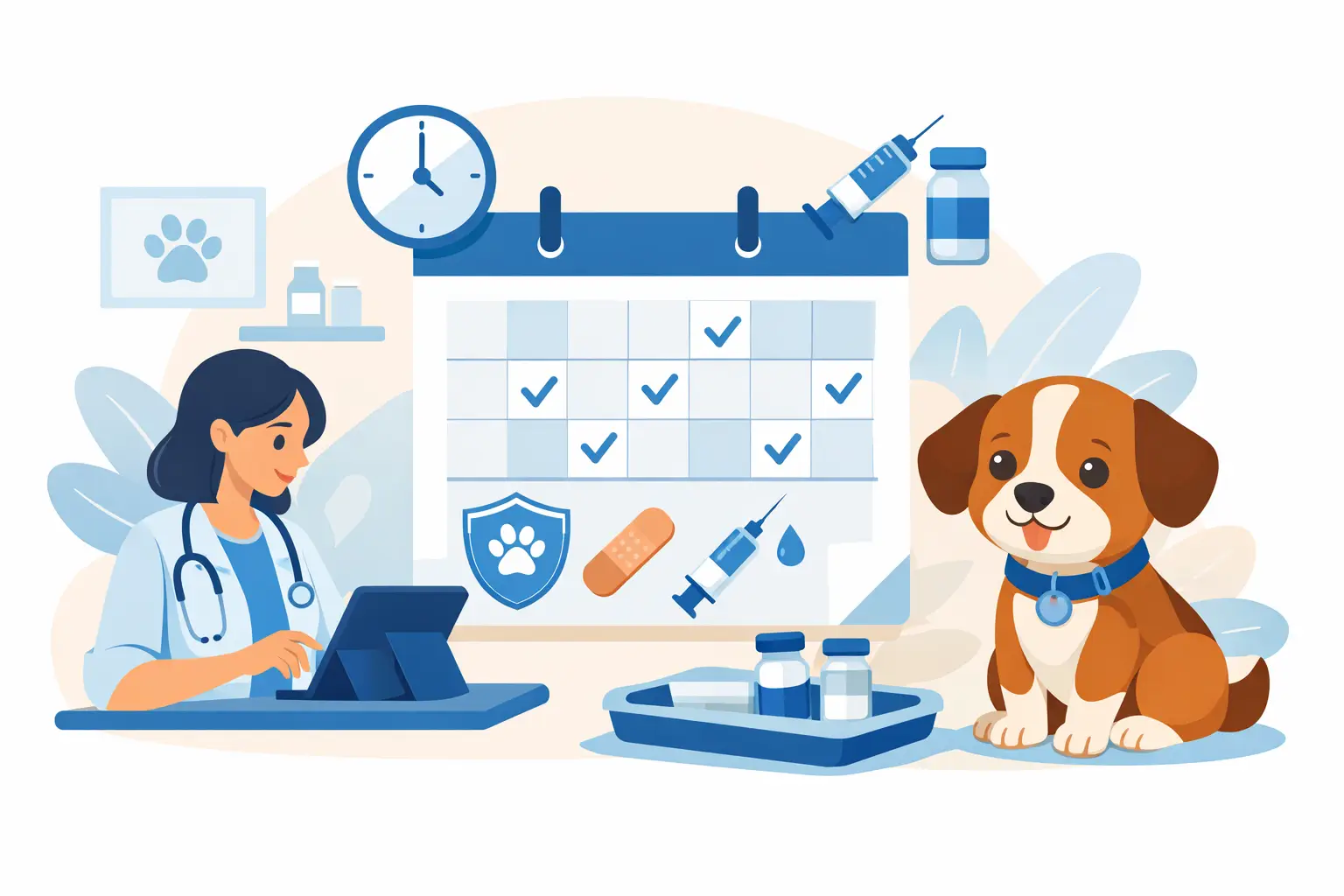
Planning your veterinary appointments is essential in monitoring the health of your pet. Remember to schedule:
- Annual health examinations
- Vaccination boosters
- Dental checkups
- Blood tests
- Senior pet examinations
Routine veterinary care will aid in identifying potential illnesses in pets and improving long-term pet wellness.
2. Vaccination Tracking
Vaccinations protect your pet against life-threatening ailments like rabies, distemper, and parvovirus, among others. The name of the vaccines, their schedule, and veterinarian recommendations should be included in your calendar.
In the case of puppies and kittens, visits may be scheduled every three to four weeks. Adult pets usually need yearly vaccinations and wellness checks.
3. Parasite Prevention
Parasite prevention once a month is one of the most easily overlooked aspects of pet care. Your monthly planner should remind you about:
- Flea prevention
- Tick prevention
- Heartworm medication
- Deworming treatments
It is strongly recommended that reminders be made for each month since even one missed dose can create a gap in prevention.
4. Monitoring Pet Weight and Nutrition
Pet obesity is associated with the development of diabetes, joint problems, and heart disease. Weighing your pet monthly is essential for monitoring gradual weight gain or loss.
This may also include:
- Daily food intake
- Amount of treats consumed
- Dietary changes
- Water intake
A balanced diet is essential for maintaining the health of your pet.
5. Grooming and Dental Care
In addition to grooming activities, you may record regular activities such as:
- Trimming of nails
- Cleaning the ears
- Bathing schedule
- Brushing routines
- Dental check-ups
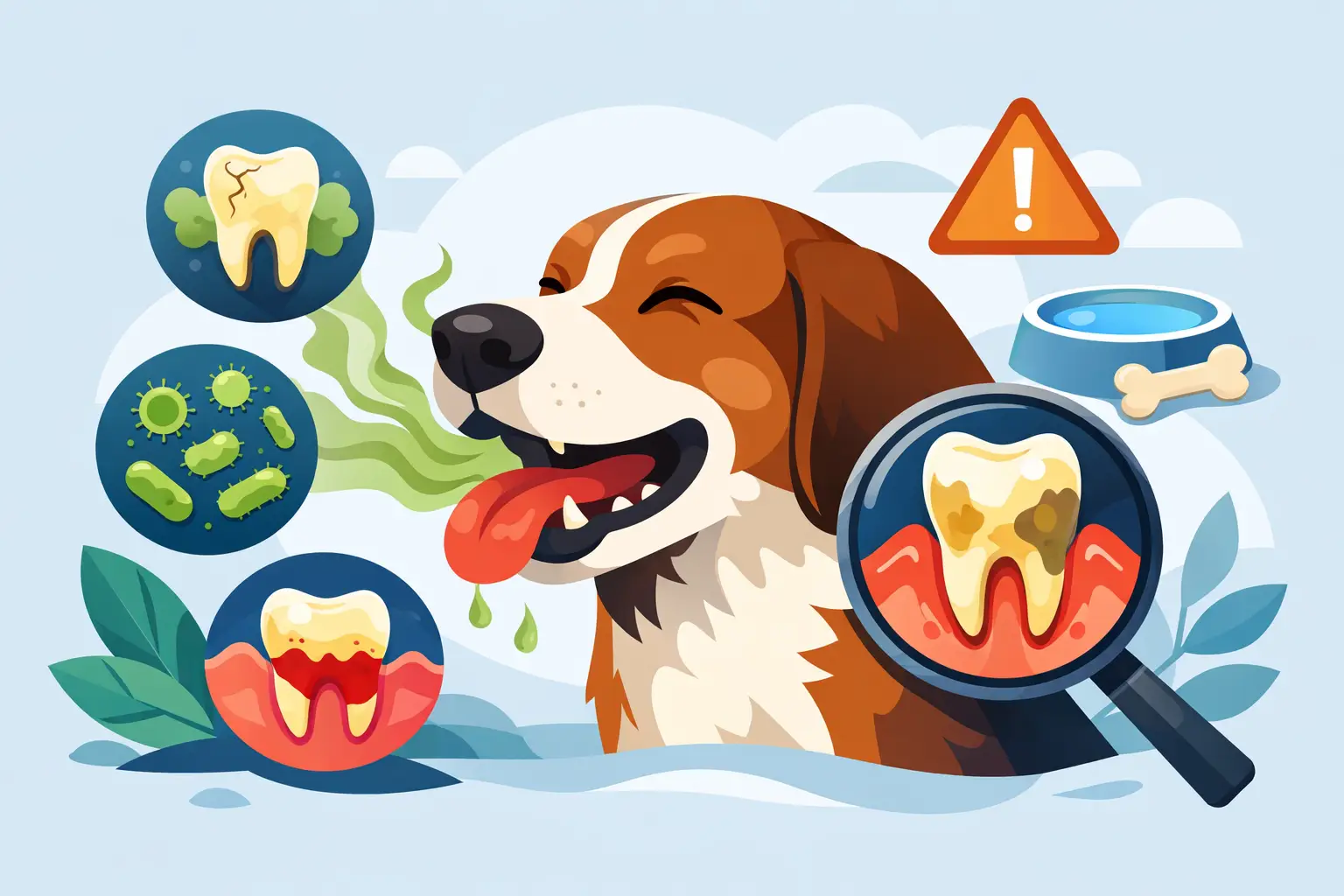
Dental disease is quite common in dogs and cats older than three years of age. Regular oral care can prevent pain and costly dental procedures later.
How Does a Monthly Planner Boost Pet Well-being?
An organized health planner creates consistency in pet care. Owners can become proactive in maintaining their pets’ well-being rather than only treating illnesses when they occur.
Some other benefits include:
- Reduces visits to emergency clinics
- Maintains vaccination records
- Simplified communication with veterinarians
- Monitoring any behavioral changes
- Improved medication compliance
Digital alerts and pet care apps also help pet owners stay organized and avoiding missed appointments by most pet owners.
Tips for Staying Consistent with Pet Care
Digital Reminders
Pet owners can set reminders on their phones regarding vet visits and pet medications.
Maintaining Pet Health Records
All vaccinations, prescriptions, and medical tests should be recorded in one place.
Taking Monthly Pictures
Pictures can aid in monitoring any physical changes that take place over the months.
Updating Notes Regularly
Any notable changes in appetite, limping, itching, or fatigue should be noted regularly.
Consistency is the key to preventive pet healthcare.
When Should You Immediately Take Your Pet to a Veterinarian?
Some symptoms require immediate attention, even with the help of the above planner. Your pet should see the vet if they experience:
- Sudden weight loss
- Vomiting or diarrhea
- Trouble breathing
- Loss of appetite
- Excessive scratching
- Lethargy
- Changes in behavior
- Persistent bad breath
Early treatment can help prevent serious health problems.
Conclusion
The use of a properly prepared planner for your pet can provide many health benefits. Preventive care, annual check-ups, and timely reminders are essential for keeping your furry friend healthy.
If you want to ensure that your pet gets the best care, contact All Creatures Veterinary Center. Their professional team is dedicated to providing pets with high-quality preventive and medical care.
FAQs
What is a monthly pet health planner?
A pet health planner is used by owners to organize visits to the veterinarian, vaccination programs, medication schedules, grooming, and many other pet-related health matters.
How often do you need to take your pets to the veterinarian?
Adult pets require visiting the vet once per year. In contrast, senior pets should visit the vet every six months. Young pets need to have more frequent veterinary visits.
Why is monthly parasite prevention necessary?
Monthly parasite prevention will protect your pet from fleas, ticks, worms, and heartworm. Otherwise, your pet will be prone to many infections.
Can a health planner help save money on pets?
Regular monitoring and preventative measures help detect health issues early and avoid costly interventions.
What should I track in the planner?
Vaccinations, vet visits, medications, weight, food, grooming, dental hygiene, and behavior.