Welcoming a new pet to your house is highly exciting and rewarding. It is a huge responsibility to take care of a kitten. You need to make sure that you take care of the pet and make them feel welcomed and loved. In order to ensure that you are providing your new pet with all of the essentials to be healthy and happy, you need to prepare a checklist. This document gives you a detailed breakdown so you can make sure that you have covered everything.
In this blog, we will talk about the New Kitten Owner Checklist and Health, Nutrition, and Veterinary Care for the pet.
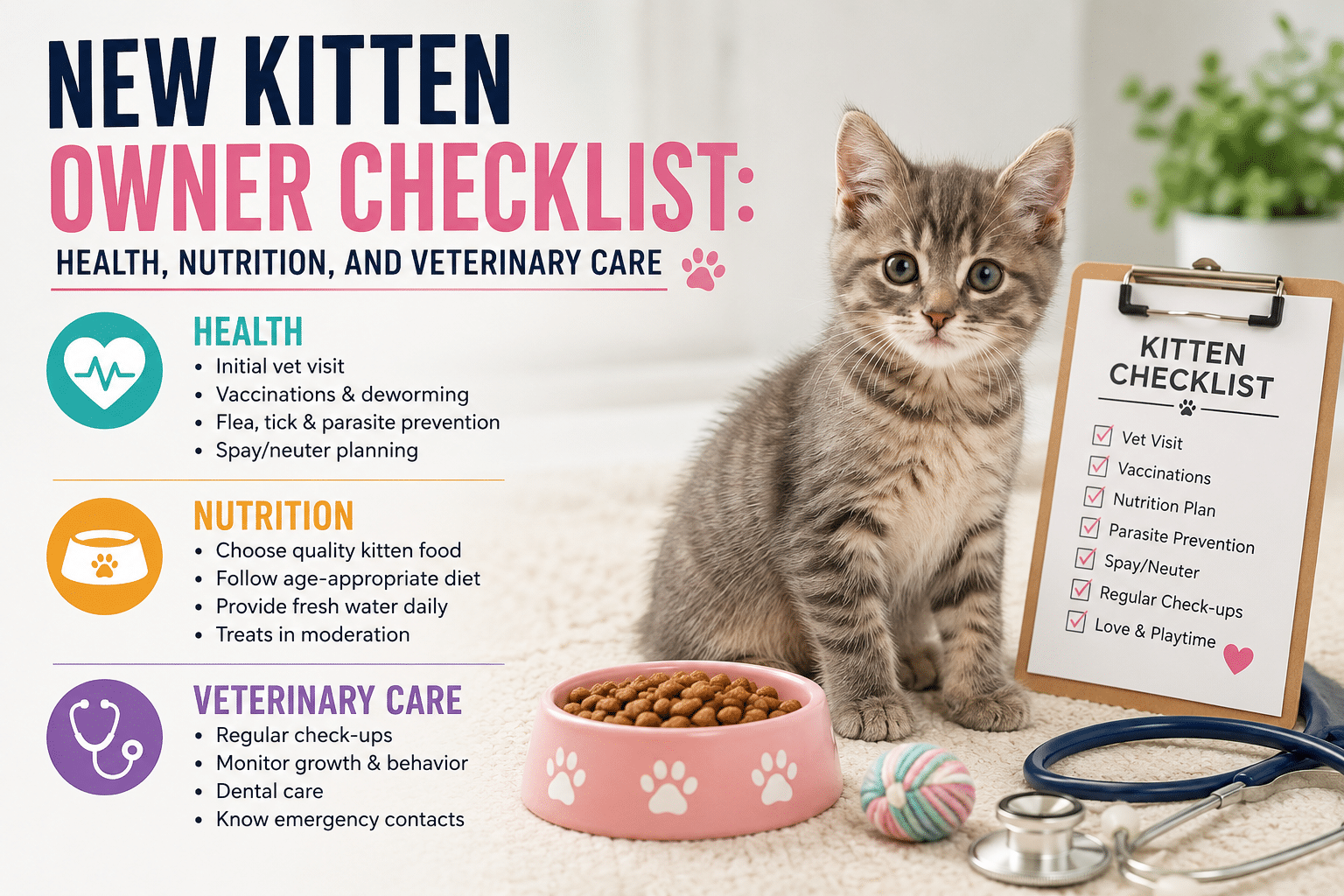
New Kitten Owner Checklist for Better Health, Nutrition, and Veterinary Care
1. Prepare Your Home (Safe & Comfortable) for Your Kitten
The day you bring your new kitten home is exciting, but before you bring your new baby into your home, the house needs to be made safe for their arrival. Kittens are innately curious animals and they will want to check out all corners of your house.
To prepare your home for the arrival of your kitten, you need to remove any hazards that could potentially be harmful for them. Hazards include cords that are loose or hanging, toxic plants, small objects that could be swallowed whole, and windows and/or balconies without some sort of safe protection.
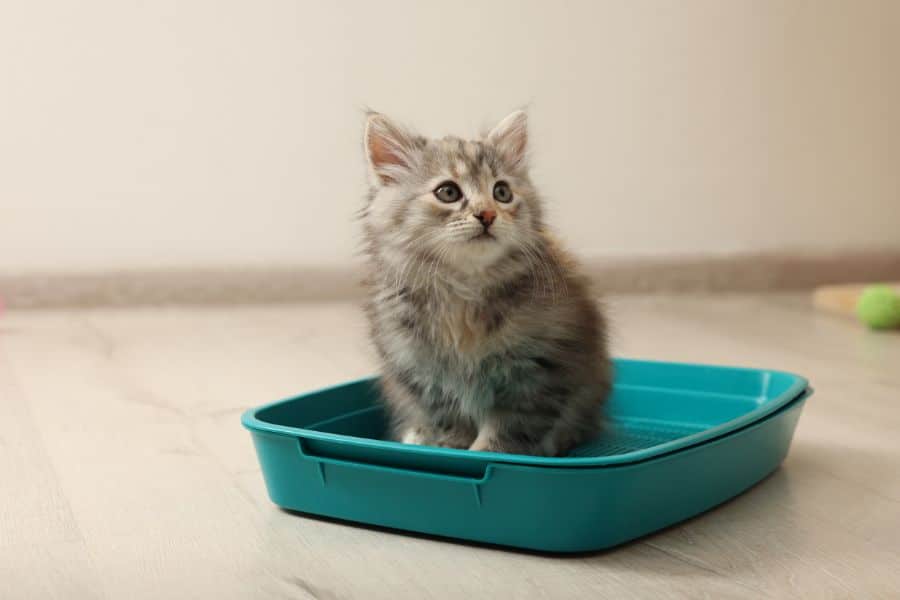
Once you have removed all hazards from your home, you will need to create a space for your new kitten. This space should include a soft bed, litter box, food and water bowls (2 of each), toys and finally a scratching post. The scratching post will not only help you teach your new kitten to scratch appropriately, but it will also keep your furniture safe. Keeping the environment calm for the first few days will help your new kitten acclimate to its new home more easily.
2. Nutrition and Feeding Charts
Proper nutrition is important for your kitten to ensure that they grow and develop properly and have healthy immune systems. Kittens must consume a higher protein, fat, and caloric diet than adult cats due to the fast growth rate of kittens in their first year of life.
Kitten needed to be given a high-quality diet designed to be filled with nutrients that are needed for kittens to grow and live properly. Make sure to take the help of someone who knows about the specific diets for kittens. Make sure to provide the best care to the pet and food to keep it hydrated throughout the day.
Kittens should be fed several small meals a day (3-4 times per day depending on their age). Do not give your kitten cow’s milk since many kittens are lactose intolerant and may develop gastrointestinal upset after consuming cow’s milk.
The kittens must have full-day access to clean drinking water. It is very helpful for them to stay hydrated.
3. Veterinary Care and Assessments
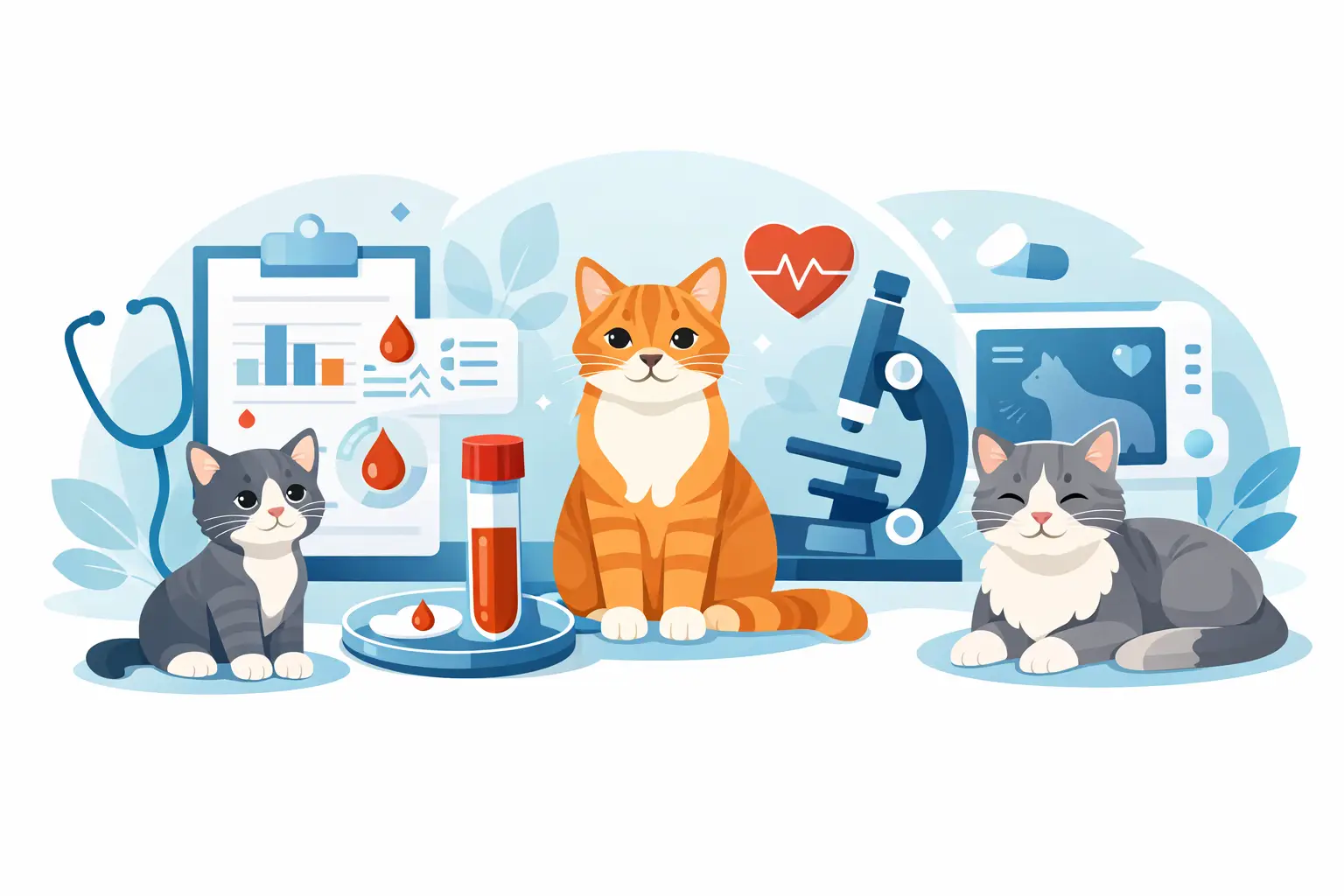
As a first-time owner of a kitten, one of the most important things that you can do for your new kitten is to schedule an appointment with your veterinarian during the first week you have adopted your kitten.
Your veterinarian will provide an overall physical exam to check for any immediate health concerns and will help you to determine an appropriate schedule for your kitten’s vaccinations. Your veterinarian will develop a customized vaccination schedule based on your kitten and the area in which you live. Core vaccinations include vaccinations that protect against serious “disease-causing” conditions in cats: feline panleukopenia (FPV), calicivirus (FCV), and herpes virus (FHV) in your kitten.
4. Awareness of Vaccination Schedules
Timely vaccination is very important for the kittens. Having properly administered vaccines will provide the best long-term healthcare for the pets. Make sure to record each vaccination date and certificate for your kitten to make sure they can travel safely and without any restrictions.
Please don’t ever delay or skip a vaccination with your kitten; they can acquire an infection very easily in the first months of their life.
5. Grooming and Maintaining Hygiene
Daily washing and proper cleaning of your kitten will keep them clean and safe from skin-related diseases. Kittens can shed a lot of hair, and the pet owner needs to make sure they properly clean the coat of the kitten.
You should start brushing your kitten with an appropriate-size brush 2-3 days a week so they will develop familiarity with this routine. Use a vet-approved solution, if necessary, to clean ears.
The litter box you use must be cleaned regularly (at least once/day) because kittens have a very acute sense of cleanliness, and if they find a litter box that isn’t clean, they may not use it.
6. Mental Health – Socialization
It is important to make sure that kittens are physically and mentally healthy. Make sure you socialize the kitten and make them comfortable.
Socializing your kitten is really important for her mental health and well-being. The owners need to make their kitten familiar and comfortable with other members. You can also do your part by motivating your kitten to become indulge with toys and other family members to establish the bonding. Make sure to indulge them in low activities and easy-to-adjust games and toys tonot make the overwhelm in the start.
7. Emergency Preparedness
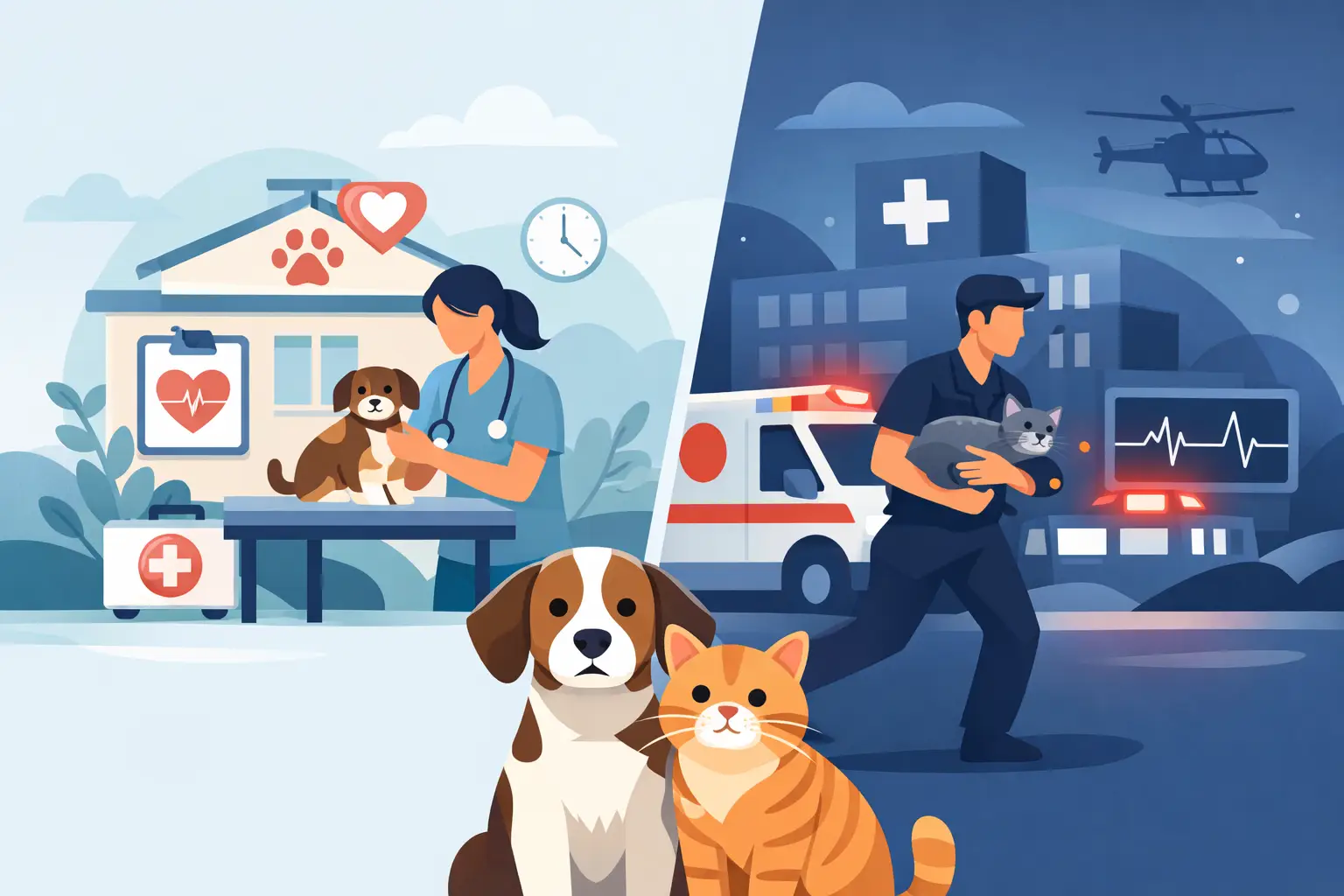
All owners of kittens must have an emergency plan. The best way to find help will be to keep the phone number of your veterinarian handy on your phone, in case an emergency occurs.
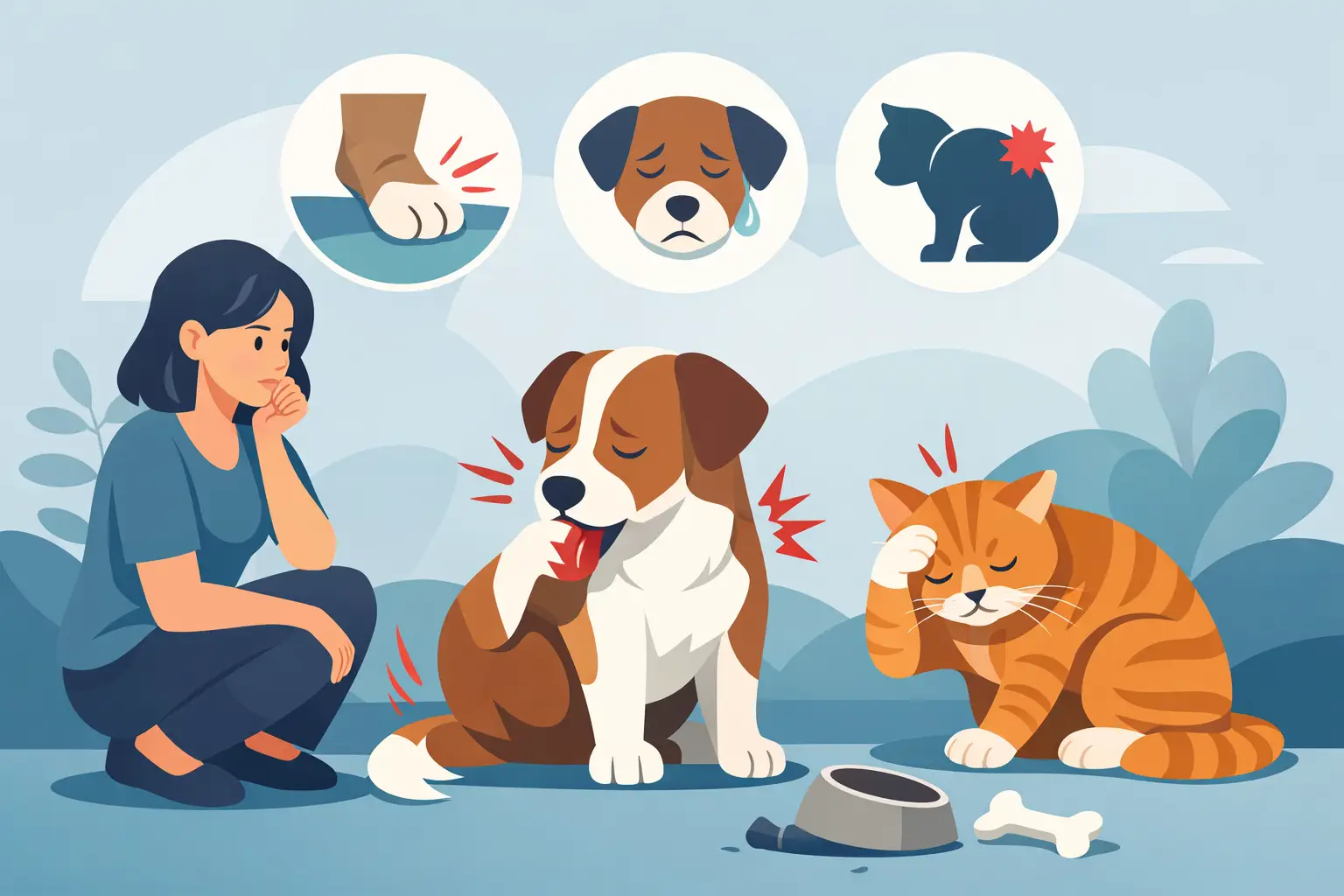
In addition, familiarize yourself with the common signs of illness; loss of appetite, vomiting, soft stools, and lethargy are just a few of them.
Having a small first aid kit for pets is also a good idea to have on hand, but do not attempt; rather consult a veterinarian before treating your pet.
Blockquote
“Proper care, nutrition, and vet visits ensure a healthy start for your kitten.”
Conclusion
It is very important for you to provide proper care and love to the kitten. They need proper food and timely vaccinations to live a happy and healthy life. It is also rewarding for the pet owners to help their kitten. Having a proper diagnosis for vaccination needs and other daily issues is crucial to maintaining the long-term health of your kitten.
All Creatures is a top veterinary center that provides the highest quality services and diagnoses for your pet. Feel free to know more about the services and diagnosis treatment for the pets.
Contact details
Veterinary Center – All Creatures Veterinary Center
Address – 22722 Lyons Ave #5, Newhall, CA 91321
Phone – (661) 291 – 1124
Frequently Asked Questions
When is the time for my pet to take them to the vet for the first time?
Make sure to take your pet as soon as you bring them home. Do not prolong the vet visit, and make sure to take them with you for a week or 10 days. Do not delay further than that.
Is there a number associated with giving food to the pet in a day?
Do not feed heavy meals to your kitten throughout. Make sure to give them small meals to make it easy for them to digest.
Can I give milk to the kitten?
It is not recommended to give milk to kittens as they are allergic and can cause digestive and other types of issues.
At what time does the kitten get the first vaccination?
Your kitten will start receiving vaccinations at 6 to 8 weeks of age; boosters will be given at regular intervals.
How often do I need to deworm my kitten?
Your veterinarian will advise you on deworming your kitten every 2-3 weeks in the early months of life.
Can kittens eat any type of food or something specific?
It does not eat anything. The food must be kitten friednyl filled with rich nutrients and protein.
How to check if the pet is fit or unfit?
If the pet is not eating properly and looks fatigued, and other things, this shows that the pet is sick.