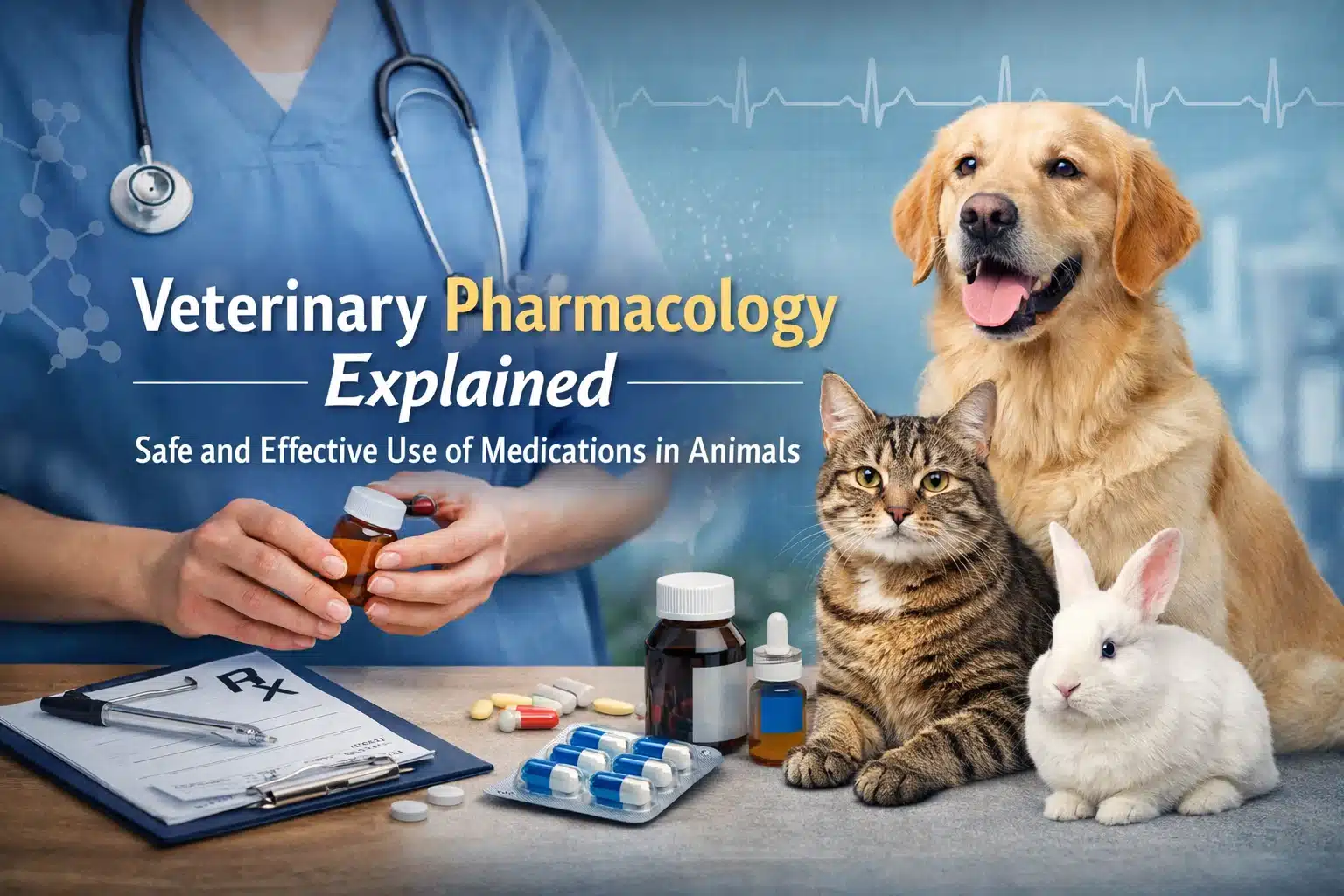
While the time period veterinary pharmacology might recommend a complicated concept, it actually revolves around one principal difficulty: what are the approaches wherein medicinal drugs assist animals heal, get better, and live healthier lives with no risks? If you’re a pet proprietor who is in doubt approximately the exclusive medications of dogs and human beings or the accuracy of dosages, you’re in the majority. Medications have been critical in animal healthcare to a great extent, such that they cover the entire range from pain alleviation and treatment of infections to management of chronic conditions and assistance for preventive care. Still, animals react to pills in very exclusive methods depending on their species, breed, age, and health status.
This is why veterinary practice cannot simply take a cue from human remedies. To be more precise, the American Veterinary Medical Association (AVMA) classifies medication errors as one of the most preventable risks in an animal’s existence. Grasping veterinary pharmacology allows one to ensure not only the selection of the right drug and right dose but also the right technique; this will, in turn, guard the welfare of animals and save lives.
Here on this blog, we offer you all the facts about safe and powerful use of medications in animals.
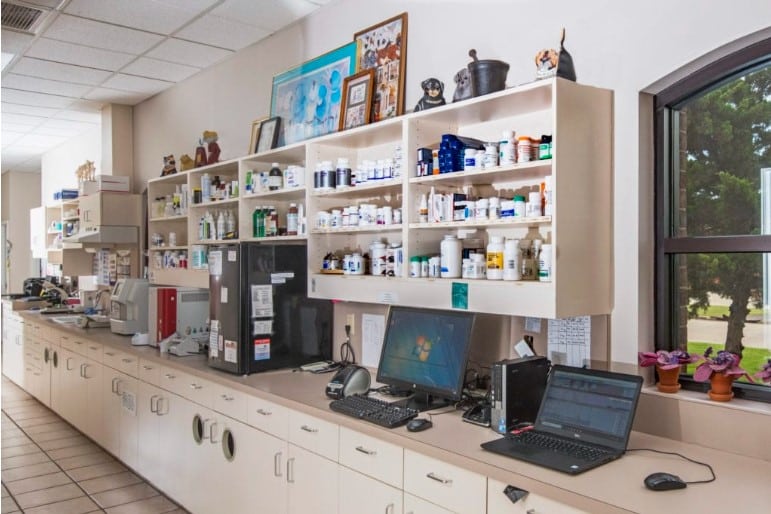
What Is Veterinary Pharmacology?
Veterinary pharmacology, as a branch of technology, researches drug interactions with animal bodies. Its major issue is to hold the medicinal drugs powerful, safe, and suitable for the particular species.
It includes:
- Pharmacodynamics – the manner in which capsules affect the body
- Pharmacokinetics – the process by which the body takes in, spreads, changes, and gets rid of medicine
- Dosing and management that are secure
- Drug interactions and toxicity
- Animals’ specific reactions to tablets
In contrast to human medicinal drugs, veterinary pharmacology has to consider a wide range of species—from puppies and cats to horses, birds, or even a few that aren’t normally kept as pets—each with its own personal odd organic machine.
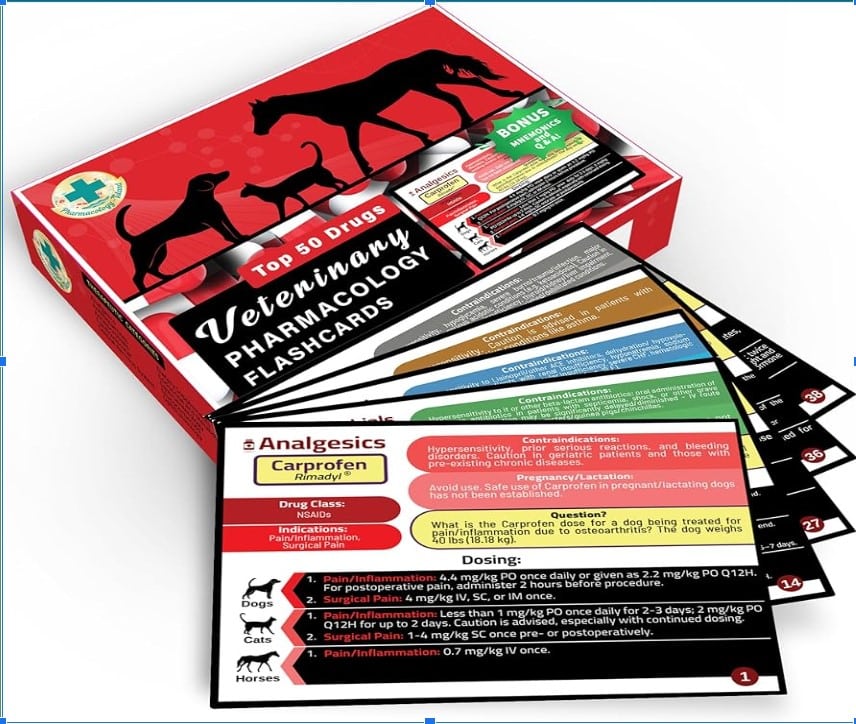
Key Facts
- In the US, there are more than 127,000 vets who are actively certified, and the vast majority are primarily based on pharmacology in their practice and the analysis, treatment, pain control, and preventive care they provide. waddl
- The FDA Centre for Veterinary Medicine (FDA-CVM) says that animal-damaging drug occasions (ADEs) are frequently because of wrong dosing, wrong species, or drug interactions.
- U.S. Poison control facilities record that human drugs, both prescription and OTC, are constantly among the pinnacle motives for pet poisoning.
- The CDC places the yearly general number of 2.8 million antimicrobial-resistant infections within the U.S., but irrelevant antibiotic use in animals is one recognised issue contributing to it.
- The 5–10% dogs within the U.S. (often herding breeds) are said to hold the MDR1 gene mutation that impairs drug metabolism and, as a result, increases the hazard of toxicity. avma
Why Veterinary Pharmacology Is Critical in Animal Healthcare
The proper remedy not simplest therapies the sickness but also improves the patient’s survival, hospitalisation, and health conditions in the end. With the help of the right veterinary pharmacology, the following are carried out:
- Treat the ailment successfully
- Prevent toxicity and overdose
- Reduce antimicrobial resistance
- Improve recuperation and survival prices
- Protect universal animal welfare
According to several studies within the Veterinary Record, misuse of antibiotics is one of the fundamental participants to drug resistance, that’s a international threat to both animal and human health. Taking the wrong medication might also bring about the failure of the remedy, harm to the organ, or even death.
Core Principles of Veterinary Pharmacology
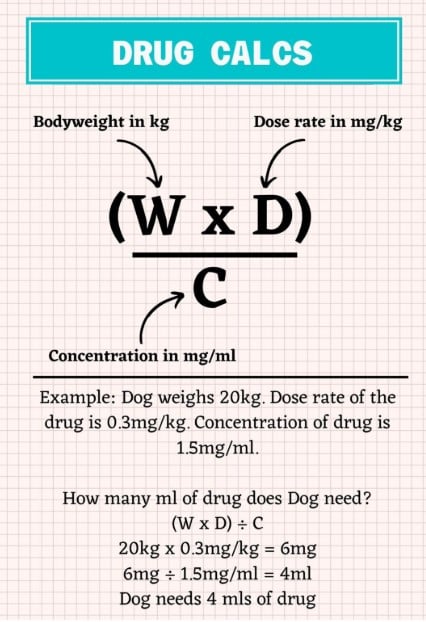
Pharmacokinetics: What the Body Does to the Drug
Pharmacokinetics is the study of how drugs flow through an animal’s body:
- Absorption – The way the drug enters the body’s circulation
- Distribution: Here, the drug goes into the body
- Metabolism: How the drug is metabolised, usually by the liver
- Elimination: How the drug is removed from the body (urine, bile, lungs)
The species involved are significant. Cats, for instance, are missing some liver enzymes, and ruminants metabolise drugs differently because of their complex stomachs.
Pharmacodynamics: What the Drug Does to the Body
The pharmacodynamics explains the drug effect as a function of its mechanism of action and its basic physics. It explains:
- Drug–receptor interactions
- Dose–response relationships
- Therapeutic windows
- Toxicity thresholds
Larger doses are not necessarily better — they often just increase the risk.
Species Differences in Veterinary Pharmacology
Veterinary medicine follows a very basic rule that species will react differently to medicines.
Animals allowed, for example:
- Cats: Similar to dogs, due to limited liver enzyme activity, the main reason they are the most sensitive of pets in general.
- Dogs: Different medications have different metabolisms for different breeds, which may occur with some or none at all.
- Horses: Their large and specialised physical nature is the main reason why they require careful feeding
- Birds and exotic substances: Normalising the drug dose for them is not an option; They require very specific drug calculations
⚠️ There are many medications that people can take, but which could be toxic or deadly to your pets, including paracetamol and ibuprofen.
Major Drug Classes Used in Veterinary Medicine
Analgesics (Pain Medications)
Indications: Surgical, pain, and chronic. These need to be recorded for the species and administered at appropriate dosages.
Antibiotics
Used to treat bacterial infections. Misuse leads to antimicrobial resistance, and this is an area of concern according to the World Organisation for Animal Health.
Anti-inflammatory Drugs
Can help relieve pain, swelling and fever, but may harm the kidneys, liver and digestive system.
Anaesthetics and Sedatives
Vital in both operation and diagnosis, needing accurate dosage and constant monitoring.
Antiparasitics
It will also kill fleas, ticks and worms as well as heartworm. Some are poisonous to certain breeds or species.
Endocrine and Cardiac Drugs
For diabetes, thyroid disease and heart problems — often for life.
Routes of Drug Administration in Animals
Veterinary medicinal drugs can be given in a number of methods, all of which have their own effect on the rate of absorption and the degree of protection:
- By mouth (tablets, liquids)
- Through injection (IV, IM, subcutaneous)
- Topical or transdermal
- Ocular or aural
- Inhalation
The selection of the path is a prime pharmacological choice.
Drug Dosing in Veterinary Pharmacology
Dosing is calculated based on:
- Species
- Body weight or surface area
- Age and health status
- Kidney and liver function
- Drug formulation
⚠️ Never change dosages without the advice of a vet.
Drug Interactions and Adverse Effects
Preventing harm is also a focus of veterinary pharmacology.
Common risks include:
- Drug–drug interactions
- Overdose or accumulation
- Organ toxicity
- Allergic reactions
Surveillance and surveillance should be performed, in particular for long-term therapies.
Veterinary Pharmacology and Evidence-Based Medicine
Modern veterinary pharmacology relies on:
- Clinical trials
- Pharmacokinetic studies
- Safety testing
- Regulatory approval
Evidence-based drug approval has cut adverse drug events in half over the last 20 years, according to the FDA Center for Veterinary Medicine.
Veterinary Pharmacology for Pet Owners
The understanding of pharmacology by pet parents means:
- Giving medications exactly as prescribed
- Knowing potential side effects
- Avoiding human medications unless approved
- Communicating changes in behavior, appetite, or energy
Adherence to medication is also the most important factor influencing successful treatment.
Comparative Overview: Safe Medication Use
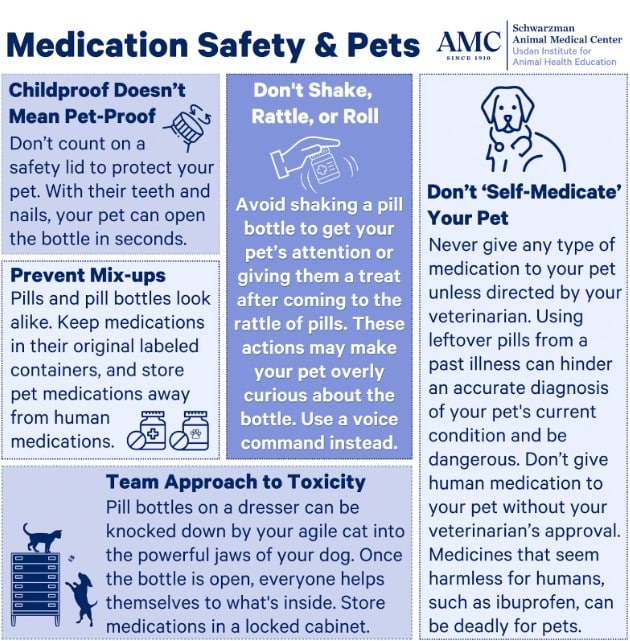
| Aspect | Correct Pharmacology Use | Improper Drug Use |
| Effectiveness | High treatment success | Treatment failure |
| Safety | Minimal side effects | High toxicity risk |
| Resistance | Reduces | Increased |
| Animal Welfare | Protected | Compromised |
Common Medication Mistakes to Avoid
❌ Sharing human medications
❌ Skipping or doubling doses
❌ Stopping antibiotics early
❌ Ignoring side effects
❌ Using expired medications
If all else fails, defer to your veterinarian.
Final Thoughts: Veterinary Pharmacology Protects Animal Lives
It moves from science to compassion for animals when studying veterinary pharmacology. It’s to guarantee that drugs are applied wisely, safely, and effectively in the different species. Whether tackling pain relief and infection control or prescribing immense doses of medication for chronic conditions, or small amounts of medication in the attempt to prevent disease, pharmaceutics is a subject most central to veterinary life.
At All Creatures Veterinary Center, the practice of safe drug use, science-based treatments, and individual attention for animals drives our commitment to protect an animal’s health and well-being. With proper supervision and appropriate drug use, the field of veterinary pharmacology remains involved in saving or improving thousands upon thousands of animal lives daily.
FAQs
What exactly is veterinary pharmacology in simple terms?
Veterinary pharmacology is the study of how medications work in animals. It is the reason some drugs are safe for pets and how they should be administered, as well as why veterinarians choose doses. Put simply, it’s a way to make sure your pet gets the correct medication and dose in the safest way.
Why can’t animals take the same medicines as humans?
Drugs have significantly different effects on animals than they do on people. Variations in metabolism, body size, and organ function mean a drug safe for humans can be deadly — or at least cause serious harm — to pets. It’s why veterinary pharmacology is so important, and why we never give human medications without consulting a vet.
How do veterinarians decide the correct dosage for my pet?
Veterinarians rely on pharmacology to determine the appropriate doses according to your pet’s species, weight, age, health status, and organ function. This accuracy can prevent underdosing (which might not be effective at treating the issue) or overdosing (which can lead to dangerous side effects).
Are medication side effects common in animals?
The majority of pets do just fine on the medication when it is correctly prescribed for them. Adverse side effects can result, though, which is why monitoring is necessary. Among other things, veterinary pharmacology enables veterinarians to foresee such reactions and to select safer options as they are available.
Why do some medications require blood tests or follow-ups?
Some drugs can harm the liver, kidneys, or other organs over time. Follow-up tests give veterinarians the ability to monitor whether medication is being tolerated safely and adjust dosages if needed — particularly for longer-term treatments.