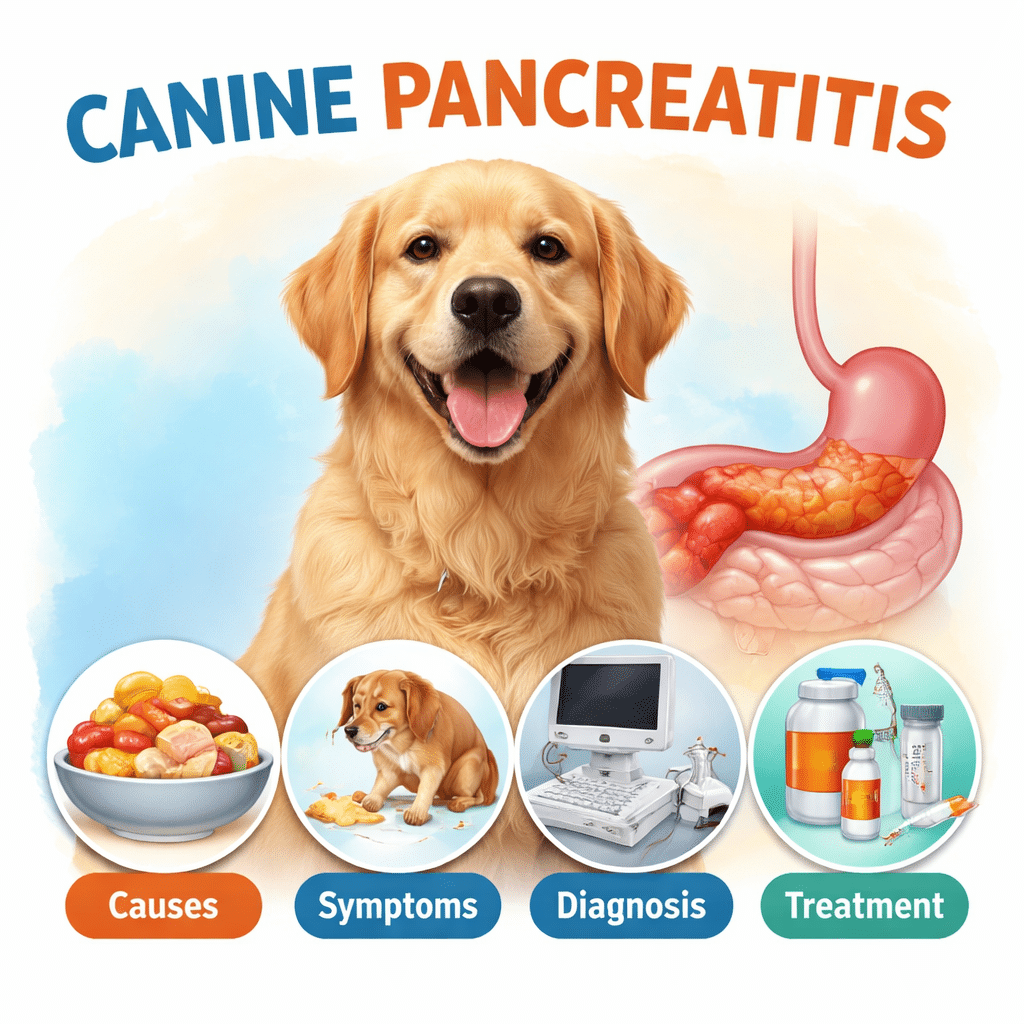
Canine pancreatitis is a condition in dogs that is caused by the inflammation of the pancreas. This is a condition that can be seen in any dog breed or at any age and can be fatal if it worsens. Proper care and early diagnosis of the diseases can help your dog avoid fatality and prevent the worst symptoms.
In this blog, we will talk about canine pancreatitis in dogs and its causes, Symptoms, Diagnosis, Treatment, and Long-Term Care.
What Is Canine Pancreatitis?
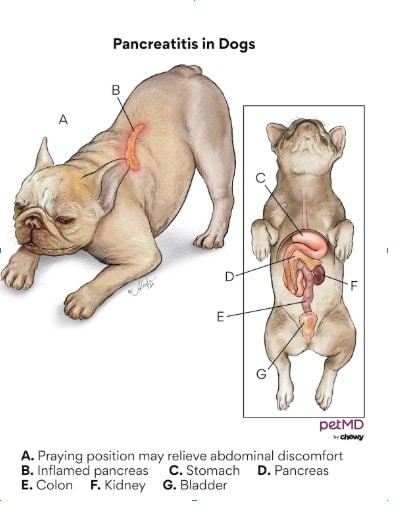
The pancreas is a small however vital organ placed close to the stomach and small intestine. It plays fundamental functions in the body of dogs. It produces digestive enzymes to break down fats, proteins, and carbohydrates. Releases hormones that include insulin to adjust blood sugar
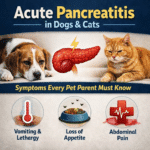
In pancreatitis, digestive enzymes are activated inside the pancreas instead of the intestines. This results in self-digestion of pancreatic tissue, causing infection, swelling, and sizable stomach ache. In extreme instances, infection can spread for the duration of the frame and have an effect on different organs.
What are the different types of pancreatitis in dogs?
There are mainly acute pancreatitis and there is a chronic pancreatitis. The acute one appears from nowhere, and symptoms develop very fast. It is very severe and requires immediate attention from a specialist. It can go away with proper medication, diagnosis, and proper care for the canine.
Chronic pancreatitis is more severe and causes repeated inflammation in the pancreas. It can cause the pancreas to be permanently damaged if not managed properly. It can increase the risk of diabetes in dogs.
What are the main reasons for dogs to get affected by pancreatitis?
In many instances, there’s no clear, single cause. Pancreatitis often develops due to a mixture of risk elements.
Common Triggers
- Eating fatty foods or desk scraps
- Sudden dietary adjustments
- Obesity
- Hormonal disorders (which include diabetes)
- Certain medicines
- Genetic predisposition
- Previous records of pancreatitis
What are the main signs and symptoms that are seen in canine pancreatitis?
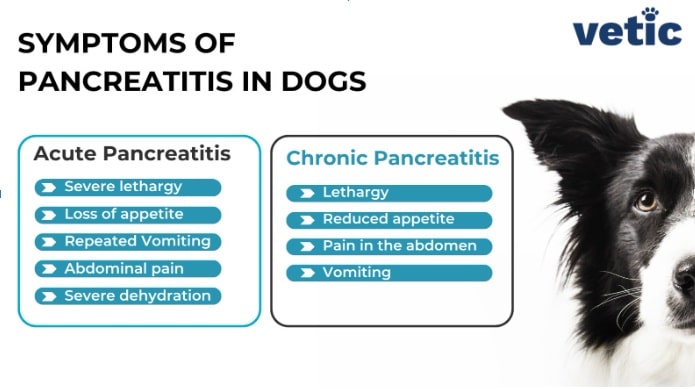
| Initial stage symptoms | Common clinical symptoms | Severe or risky symptoms |
| Low appetite | Very frequent vomiting | Collapse of the dog |
| Mild vomiting | Stomach upset and diarrhea | Very high weakness |
| Always lethargic and weak | Painful abdomen | Frequent or fast breathing |
| The stool is very soft | High fever | Yellow gums or pale in color |
| Dehydration or loss of water | Shock or the dog |
How Veterinarians Diagnose Pancreatitis in Canines?
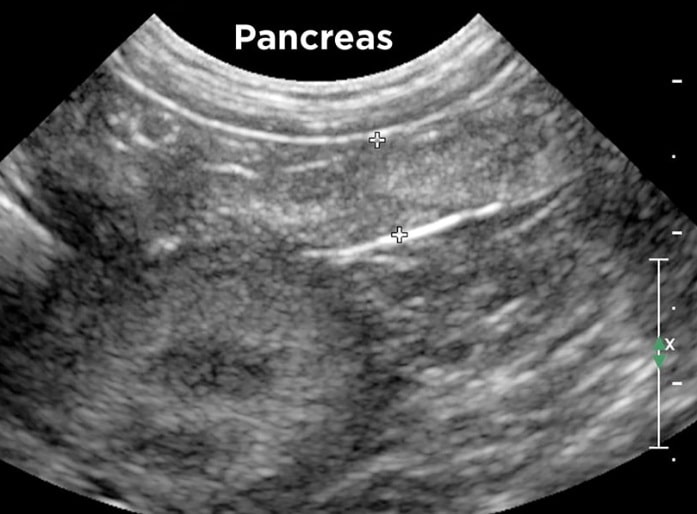
There is no single test that confirms pancreatitis in every case. Diagnosis generally involves combining medical findings with laboratory and imaging findings.
Diagnostic Methods
- Physical examination (checking for stomach pain and dehydration)
- Blood paintings to evaluate irritation and organ function
- Pancreatic-unique blood exams (together with dog pancreatic lipase)
- Abdominal ultrasound to visualize inflammation
- X-rays to rule out blockages or other causes
Because signs and symptoms can resemble different gastrointestinal illnesses, cautious evaluation is important.
What are the main treatment options that are there in the canine pancreatitis?
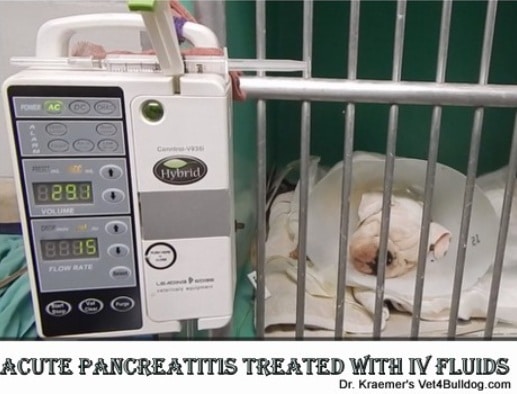
The treatment for canine pancreatitis will depend on the severity of the inflammation in the pancreas. Vets mainly focus on reducing the pain and stopping the dehydration, along with reducing the vomiting.
| Mild Cases when inflammation is not high | Severe cases of chronic pancreatitis |
| Food restriction for a shorter time | Needs to hospitalized |
| Medication for the nausea | Doctors have to give IV fluids |
| Pain relief medication for pain in the abdomen | Pain medication is given |
| Keeping the pet on low fat diet | Medicines are given to stop vomiting |
| Proper monitoring of the condition | Proper nutritional support is needed |
| Regular visits to the vet | Proper monitoring of the pet |
What will be the diet plan for the pet during the Recovery phase?

Diet is very crucial for the proper recovery of the pet. Make sure to consult a dietetic foe the pet and keep them on allow fat diet. It is recommended to give them small portions and more frequent meals. Do not feed anything unnecessary and eliminate the fat. The diet must be consistent and at the same time. Properly managing the diet for the long term is the cure to effectively manage pancreatitis.
What are the complications that may occur due to chronic pancreatitis?
It all depends on the severity of the inflammation. It can cause diabetes mellitus or death of the pancreatic tissue. It can sometimes cause blood clot issues, and an inflammatory response of the system is seen. Digestive issues can be seen as major and chronic. Many cause kidney or liver dysfunction.
What is the long term out-look and prognosis for the dogs?
Prognosis always depends on the severity and other factors taken into account during the treatment and diagnosis. The mild cases will have a good outcome, and severe cases can cause complications if not managed effectively. Moderate cases are often seen as curable with expert treatment.
What does your pet need to do to avoid future episodes of canine pancreatitis?
There are several things to keep in mind to reduce the risk of getting affected by canine pancreatitis.
- Always maintain a healthy weight for the dogs
- The diet must be well-maintained and balanced with proper consistency
- Do not eat fatty foods
- Make sure to properly manage the hormone-related issues
- Proper checkups with your vet and strictly following their guidance
When does your dog need emergency care for pancreatitis?
Immediate veterinary interest is necessary if the canine:
- Vomits again and again
- Shows excessive stomachache
- Appears vulnerable or collapses
- Has difficulty breathing
- Refuses meals and water for more than 24 hours
- Has light or yellow gums
- Pancreatitis can worsen quickly. Delaying care can also lessen survival possibilities
Let’s talk about acute and chronic pancreatitis in dogs.
| Acute pancreatitis | Chronic pancreatitis |
| It develops suddenly | It occurs frequently and stays fora long time |
| It is severe and painful | Needs emergency care for the pet |
| Persistent | Emergency care and long-term management |
| Can be resolved fully | Can cause internal organ damage |
Blockqoute
Canine pancreatitis can become life-threatening if ignored—early diagnosis, proper treatment, and strict dietary care are essential for a safe recovery.
Conclusion
Canine pancreatitis is a dangerous disease in dogs if not managed properly and on time. It needs proper care and medication from an experienced vet. It must be cured effectively s that it does not become worse. Make sure to properly check your pet with the vet to get an early diagnosis and start the treatment as early as possible.
All Creatures Veterinary Center is a one-stop solution for all your needs for your pets. It provides comprehensive medical treatments for the pets. The veterinary center is run by experienced vets and has many years of expertise in successfully treating diseases. Feel free to visit the center or contact them to get the best medical services for your pets.
Veterinary Center – All Creatures Veterinary Center
Address – 22722 Lyons Ave #5, Newhall, CA 91321
Phone – (661) 291 – 1124
Frequently asked questions
Which is the best veterinary center for canine pancreatitis?
All Creatures Veterinary Center is the best veterinary center for providing a cure to canine pancreatitis.
What is the primary purpose of pancreatitis in puppies?
Pancreatitis is regularly precipitated by excessive-fat meals, weight problems, certain medications, or underlying diseases like diabetes.
How severe is pancreatitis in dogs?
It can range from mild to life-threatening, and severe instances require immediate veterinary care.
Can a dog get better absolutely from pancreatitis?
Yes, many dogs get better absolutely with early treatment and proper diet control, though recurrence is possible.
What do dogs with pancreatitis eat?
They ought to devour a strict low-fat, easily digestible weight-reduction plan in small, frequent meals as endorsed by a veterinarian.