Poisoning in Cats & Dogs: Early Symptoms That Can Save Their Life – Pet poisoning is one of the most common veterinary emergencies, and recognizing the early signs can give your pet a better chance of recovery. Poisoning in Cats & Dogs: Early Symptoms That Can Save Their Life is an important topic for every pet owner because cats and dogs are naturally curious animals that may accidentally ingest toxic foods or harmful substances. Quick action within the first few hours of exposure can significantly improve the pet’s chances of survival. If you own a curious puppy or a curious cat, then this knowledge about the symptoms of poisoning will come in handy at some point.
What Causes Poisoning in Cats and Dogs?
Pets may be exposed to toxins either inside or outside their homes. There are some materials that are not harmful to humans but can prove deadly for pets. The common factors leading to poisoning include:
Common toxin substances for cats and dogs include:
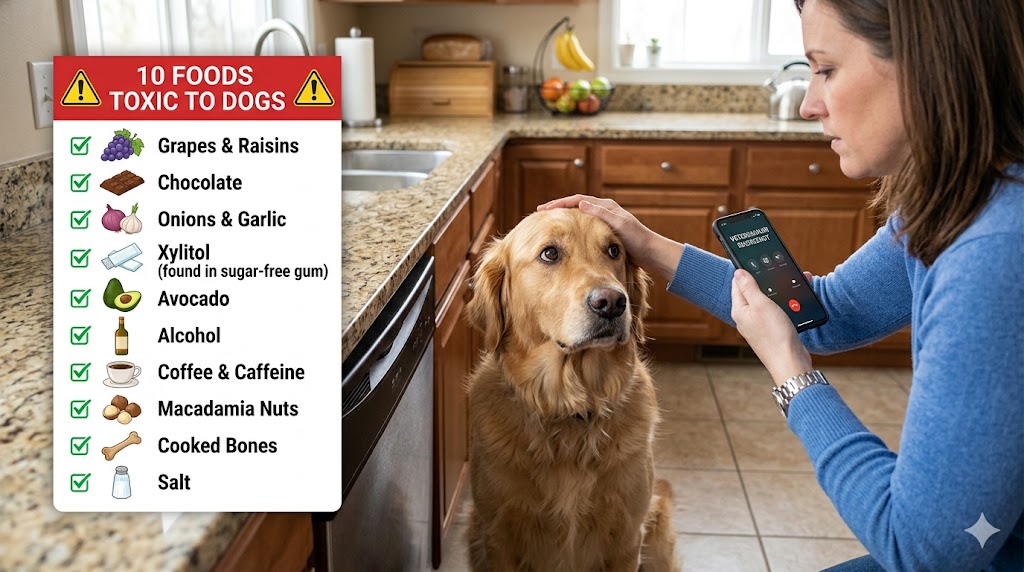
- Chocolate and caffeine
- Grapes and raisins
- Xylitol is found in sugar-free products
- Human drugs such as ibuprofen and acetaminophen
- Household chemicals and antifreeze
- Poisonous plants, including lilies, sago palm, and oleander
- Rodenticides and pesticides
According to veterinary toxicology experts, early detection and treatment are vital since certain toxins affect the kidneys, liver, or nervous system in as little as a few hours.
Early Signs of Poisoning in Cats and Dogs
The signs may differ based on what has been consumed; however, the following signs should not be overlooked by any pet owner.
Digestive Symptoms
Digestive problems are often the first signs of poisoning. Look out for:
- Vomiting
- Diarrhea
- Increased drooling
- Appetite loss
- Stomach pain
These symptoms may seem mild at first, but they can quickly deteriorate as toxins keep getting absorbed into the bloodstream.
Neurological Symptoms
Certain toxins can affect the brain and nervous system very quickly. Some common neurological symptoms are:
- Tremors
- Seizures
- Disorientation
- Weakness
- Difficulty walking
Because of their unique liver metabolism, cats are more susceptible to medications and essential oils.
Respiratory and Heart Symptoms
Some toxins can affect the lungs and heart. Some indicators may be:
- Difficulty breathing
- Fast breathing
- Irregular heartbeat
- Fainting
- Pale gums
These symptoms require immediate veterinary attention.
“Time is important when pet poisoning is suspected.”
Dangerous Foods that Poison Pets
Foods from the kitchen that often poison pets include:
Chocolate
It is composed of theobromine and caffeine, which are very toxic to dogs and cats. Darker chocolate is more toxic and may cause seizures or heart problems.
Grapes and Raisins
Even small amounts can lead to kidney failure in dogs. Vomiting and sluggishness are initial symptoms.
Xylitol
It is an artificial sweetener that can cause low blood sugar and liver failure in dogs. It is used in chewing gum, candies, and toothpaste.
Onions and Garlic
They are capable of destroying red blood cells, leading to anemia in pets.
Toxic Plants and Household Dangers
Indoor and outdoor plants represent another source of poisoning for pets.
Lilies
Lilies are very toxic to cats. Even contact with lily pollen can cause fatal kidney failure in cats.
Sago Palm
It is poisonous to dogs and cats, and ingesting any part of the plant can lead to liver failure.
Household Chemicals
Cleaning products such as bleach, antifreeze, insecticides, and mouse poison are hazardous chemicals. Pets could ingest them accidentally while grooming their paws or fur.
How to Proceed When Poisoning Is Suspected
When it seems that your pet ingested something poisonous, do the following:
- Remove the pet from the source of poisoning.
- Do not induce vomiting unless recommended by your vet.
- Gather any packaging or samples.
- Reach out to your vet or animal poison control hotline right away.
- Monitor your pet carefully while traveling to the veterinary center.
Delaying treatment can result in irreversible organ damage or even death. Veterinary staff will use different procedures to treat your pet; they may include blood tests, induced vomiting, administration of activated charcoal, or intravenous fluids.
Preventive Measures Against Poisoning
The prevention of poisoning is the best way to protect your pets. There are some safety tips to follow:
- Keep all medications out of reach
- Do not let your pet eat any poisonous foods
- Remove dangerous plants from your house
- Keep all cleaning agents and pesticides out of reach of your pets
- Keep an eye on your pets while outdoors
- Check labels when applying flea and tick treatments
Pet-proofing your home can go a long way in ensuring that there is no need for any emergency measures and protecting your pets from avoidable emergencies.
Conclusion
Preventing pet poisoning requires awareness, preventive measures, and quick action during emergencies. Knowledge about the early signs of poisoning in both dogs and cats may save the life of your beloved pet.
All Creatures Veterinary Center will be glad to assist you with professional and compassionate treatment of your pets. Their experienced team provides expert veterinary care to help keep your pets healthy and happy.
FAQs
What are some of the first signs that a pet is poisoned?
Common signs include vomiting, excessive drooling, diarrhea, lethargy, and loss of appetite.
How quickly do the symptoms develop when a pet is poisoned?
The symptoms can develop quickly or several hours after the poison has been consumed, depending on the nature and amount of the poison.
Is it possible for a pet to survive after being poisoned?
Yes, many pets recover successfully when they receive prompt veterinary treatment.
Do cats have a higher sensitivity to toxins than dogs?
Yes, cats are generally more sensitive to certain toxins and medications because of their metabolism in the liver.
Can I induce vomiting if my pet consumes anything toxic?
No, you should never induce vomiting unless instructed by a veterinarian.