When you take your pet to a vet clinic because they are limping or acting uncharacteristically, the vet gives you the answer quickly and provides a treatment plan. Have you ever thought about how the vet can give you an answer so fast? The vet is not guessing; they are using science-based veterinary diagnostics to determine whether your pet is sick. The technology within the veterinary diagnostic field has changed dramatically; that means that the amount of time it takes a veterinarian to diagnose an illness has dramatically decreased; what may have taken a veterinarian days or weeks to determine now only takes the veterinarian hours to determine. That fast and accurate diagnosis of your pet’s illness will help ensure that your pet lives a long and healthy life and possibly prevent the development of undetectable illnesses in your pet.
So here in this blog, we give you the proper information about how modern veterinary diagnostics save pets’ lives. Stay tuned with this blog.
What Are Veterinary Diagnostics?
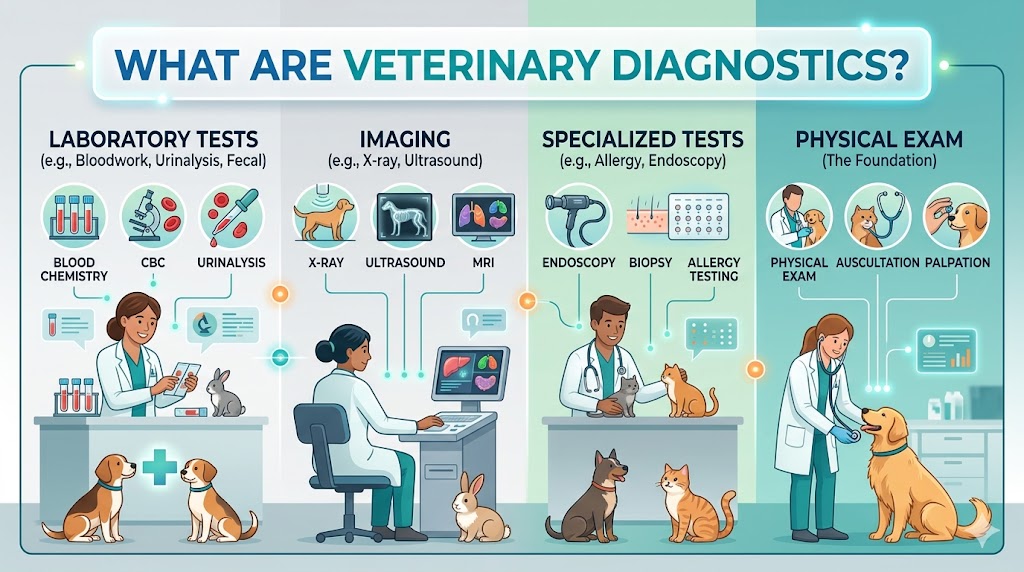
Veterinary diagnostics includes all diagnostic equipment and tests (laboratory and imaging) utilized by veterinarians to deliver rapid and precise diagnoses of medical conditions affecting animals. For instance, just as blood tests, X-rays, and scans aid physicians in diagnosing illnesses affecting people, these same diagnostic modalities are available to veterinarians but are modified for use on animals. Using these diagnostic modalities allows a veterinarian to develop a more complete understanding of the internal health of an animal than what can be provided by a simple physical examination.
Blood Tests and Laboratory Work
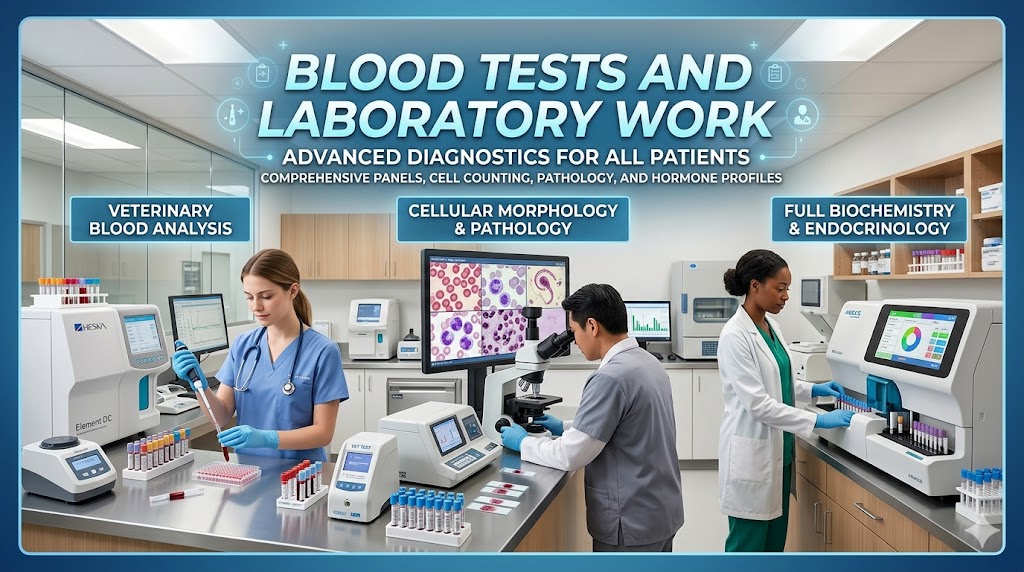
Blood testing has long been a vital and common component of veterinary diagnostics. A simple blood test can provide insights into almost all aspects of an animal’s health in a very short time through both a complete blood count and a biochemistry panel. Blood tests will help detect most types of anaemia, infections, kidney function problems, liver function problems, hormone imbalances and early signs of diabetes in pets. The power of today’s blood testing technologies comes from how quickly results can be provided after taking a sample from the animal—many animal hospitals now have in-house lab equipment that produces results within minutes compared with sending samples to an outside lab to wait several days for a response. Having timely results can be truly lifesaving during times of crisis or emergency.
Digital X-Rays and Imaging Technology
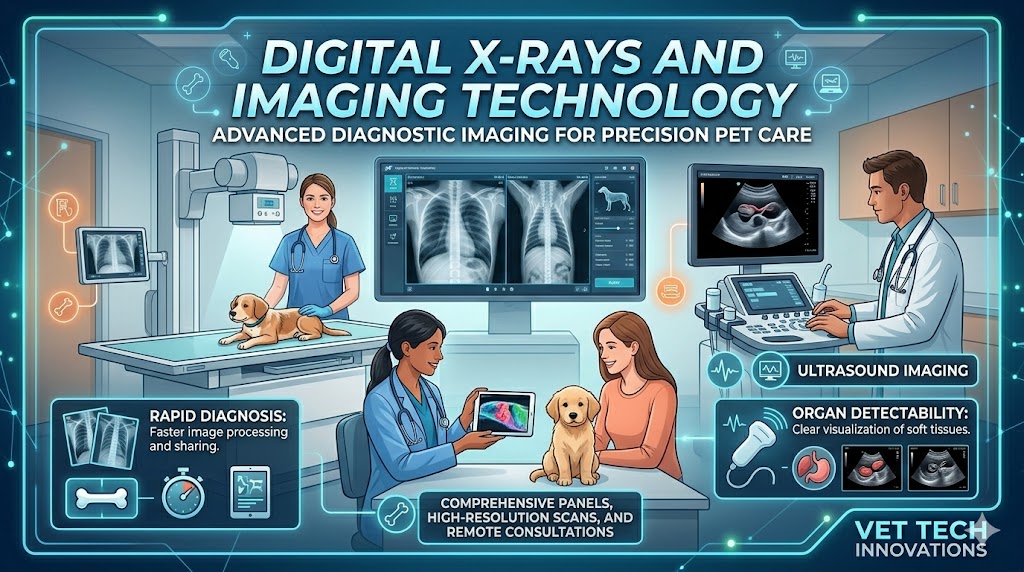
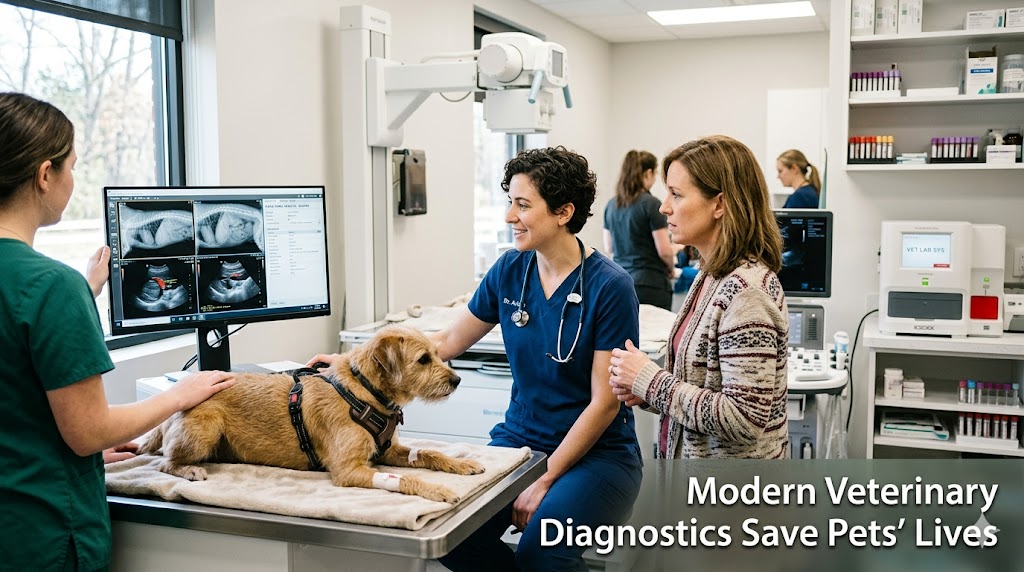
Most contemporary vet offices no longer use conventional film x-rays; instead they utilize digital x-ray technology that is significantly improved in terms of image quality and speed relative to traditional film x-ray systems. One of the main advantages of using digital x-ray technology is that it provides the user with a good-quality image that can be manipulated in many ways. Similarly, a digital X-ray image may be shared electronically with another veterinarian who specializes in a specific type of animal. Other applications of digital X-ray imaging include being able to detect fractures, joint problems, tumors, and foreign bodies that your pet has eaten. Ultrasound imaging provides a great means for examining soft tissue structures such as organs, as well as examining fetuses within a pregnant animal (no invasiveness required). Both digital x-ray and ultrasound imaging technologies allow for the prompt and accurate identification of conditions that may not otherwise be detected without performing surgery.
Urinalysis and Early Disease Detection
Pet owners frequently overlook urine tests as a powerful diagnostic tool. A urinalysis can reveal a urinary tract infection, kidney failure and diabetes in addition to certain cancers at very early stages without any obvious signs from your pet. Catching an illness in the early stage through routine urinalysis often results in superior treatment options because treating sickness at an initial stage generally leads to simpler treatment, quicker recovery time and much better long-term chances for your pet’s health.
Advanced Diagnostics: ECG, Endoscopy, and DNA Testing
Today’s veterinary medicine has advanced to the point where veterinary hospitals can now provide many of the same medical devices as human hospitals. Dogs and cats can be monitored for heart rhythm and heart conditions using an electrocardiogram; animals can also be diagnosed with heart issues before they show any signs by using electrocardiograms, allowing veterinarians to act quickly if there is a serious event. Veterinarians can now use endoscopes to look at the intestinal tract of an animal from the inside using small cameras and can do it without needing to perform surgery. Furthermore, DNA and genetic testing are becoming increasingly useful diagnostic tools for identifying breed-specific health risks, as well as genetic disorders, and for allowing veterinarians to prevent serious problems from developing by providing preventative measures before clinical signs develop.
Conclusion: Your Pet Deserves the Best Diagnostic Care
Thanks to modern veterinary diagnostic methods, advances have taken place that have improved the health of animals and given them better opportunities to live long, healthy, happy lives. An accurate diagnosis early yields faster treatment, reduces suffering, and improves outcomes for all involved. However, this technology will only be as useful if the people who operate it are also trained well. When selecting a vet you need to ensure you choose a reputable veterinary centre. At All Creatures Veterinary Center we utilise state-of-the-art diagnostic technology along with our compassionate and knowledgeable staff who will treat every pet with the same level of care as they would if it were their own. Your pet should receive the very best medical quality they can obtain.
FAQs
How do I know if my pet actually needs diagnostic testing or just a regular checkup?
Pet owners often ask themselves this very question. If your cat or dog is demonstrating unusual behaviours such as having an appetite decrease, having an increased thirst, limping, vomiting very frequently, unexplained loss of body weight as well as seeming to be very tired and withdrawn, then it is recommended that you investigate these signs with diagnostic tests. It is also a good idea to perform annual wellness bloodwork for your pet even if they appear to be in good health because there are many serious diseases, including kidney disease and diabetes, that are present without any identifiable signs until they have progressed to a more advanced stage. Therefore, consider diagnostic tests to be an early warning system for your dog or cat; the earlier a diagnosis is made, the easier a treatment will be.
Are veterinary diagnostic tests painful or stressful for my pet?
A commonly shared worry for pet parents is ‘Will my pet suffer during the diagnostic procedure?’ and that’s perfectly reasonable! Most new diagnostic methods are fairly uncomplicated and have minimal disruption to the pet. Blood tests are likened to how humans feel when they have a routine blood test — it’s a fast and brief pinch that goes away fast. Digital X-rays and ultrasounds are painless and not at all invasive; so much so that your veterinarian will ensure your pet remains calm during each of these procedures. If additional assistance may be needed during one of their procedures, mild sedation may be given to them for their comfort.
How long does it take to get diagnostic results for my pet?
The time taken for test results will really depend upon the nature of tests performed. With many modern veterinarian clinics now having the capability of providing blood and urine analysis results via in house lab equipment in 30 to 60 minutes after sample submission and digital radiographs in an instantaneous manner, certain specialized tests (such as DNA tests, biopsy samples and advanced cultures) may take longer than a few days up until a couple weeks since they are often sent to outside laboratories for processing. Your veterinarian will provide a clear timeline so that you are not waiting and worrying for an unspecified amount of time.
How often should I get my pet’s routine diagnostics done, even if they seem healthy?
Healthy and young pets usually should have an annual check-up with a minimum of bloodwork. On the other hand, senior or older pets (generally over 7 years for cats and dogs) should have checkups every 6 months including more extensive blood work because of the risk for these older pets developing health problems that tend to progress much more rapidly than in younger animals. Also take into consideration that certain breeds have a hereditary propensity to develop a particular disease and thus will require more frequent visits to the veterinarian. Through regular diagnostic testing, even in healthy pets, you provide your pet with one of the single most effective things you can do to promote their long-term health.