Canine Pyometra: A Life-Threatening Uterine Infection in Dogs
Canine pyometra is a severe and emergency condition in the veterinary area. It is a life-threatening disorder or contamination in unsprayed female dogs. It requires instantaneous interest from an experienced veterinary medical doctor and requires an urgent surgical treatment. It should be handled successfully under the guidance of the physician, as it can lead to the death of the pet if it becomes worse.
In this blog, we can speak about the Canine Pyometra, that’s a existence-threatening uterine infection in puppies.
Understanding Canine Pyometra?
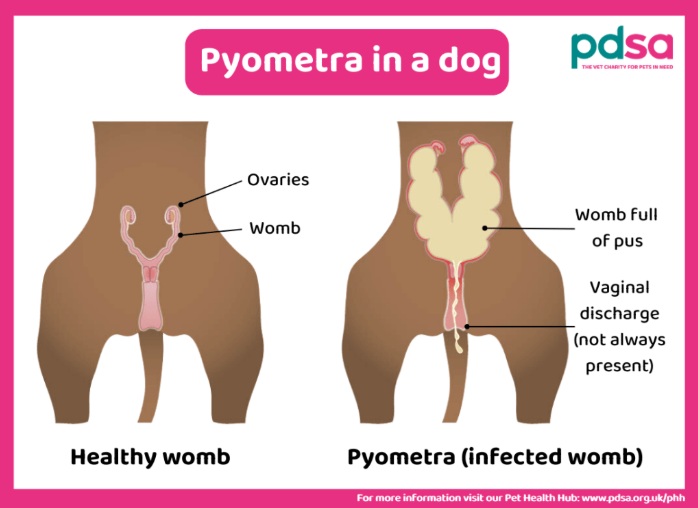
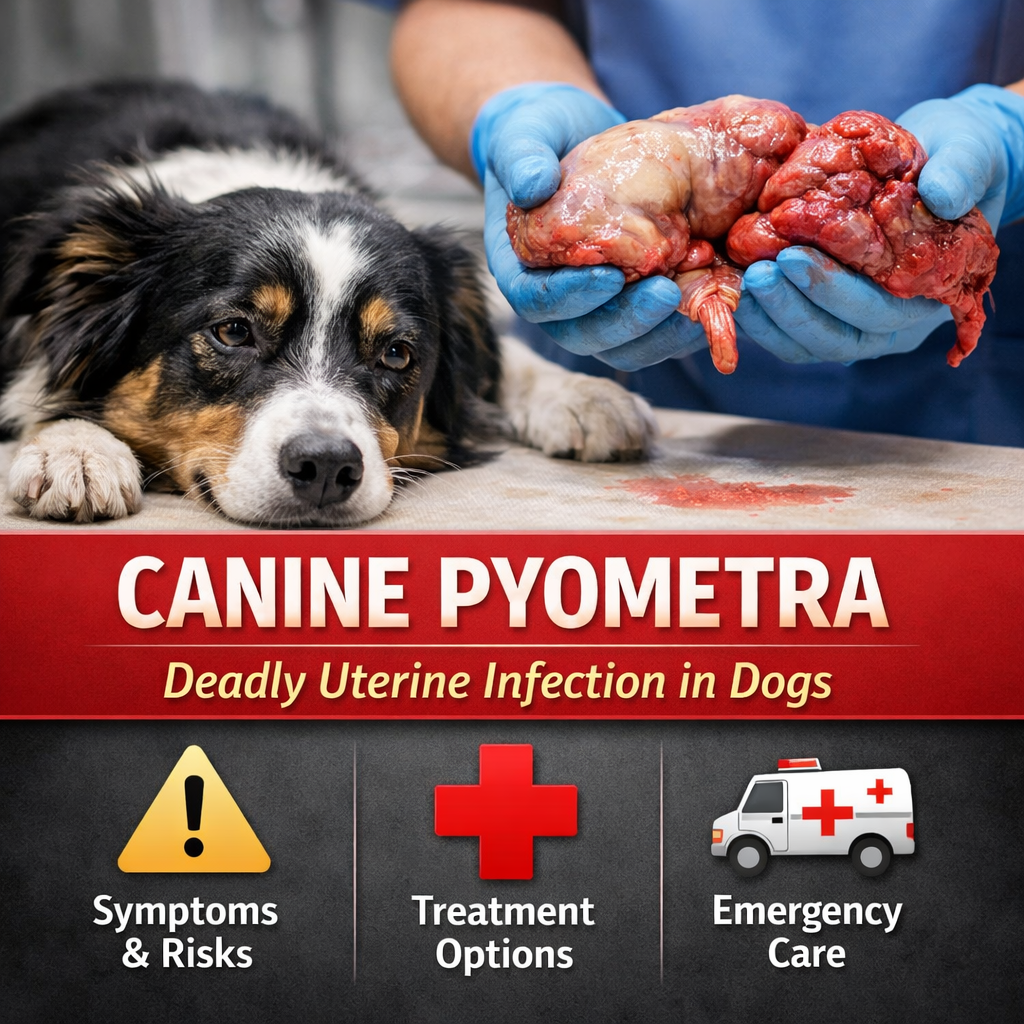
This is a very dangerous and fatal disease in female dogs caused by bacteria build-up and pus in the uterus. It usually affects the non-sterilized dogs and most commonly occurs a few weeks after a heat cycle. It happens due to the buildup of pus and bacteria in the uterus. It can be deadly if not properly diagnosed and operated on by a professional vet.
It is generally of the two types and is called as opened pyometra and a closed pyometra. The closed pyometra is more dangerous than the open one.
Is canine pyometra dangerous?
It is highly dangerous for the dogs. Pyometra is dangerous because the infection spreads toxins into the bloodstream. This will result in organ issues and can turn into a fatal infection, which can also lead to severe internal infection.
It spreads quickly and can make the dogs weak within days. It must be treated professionally before it becomes more complicated.
Why does canine pyometra happen in the first place?
Canine pyometra occurs during the heat cycles in dogs. The heat cycles continue without the pregnancy, and this can become the breeding ground for the bacteria. This makes the palace diary unhealthy and causes the bacteria to grow.
Common risk factors include:
- It is highly risky for the dogs that are unspayed.
- It is seen in the middle aged and older female dogs to get the canine pyometra.
- If the dog has undergone repeated heat cycles without getting pregnant, it can create a sufficient environment for the bacteria to grow.
- Medications can also cause it, which is used to maintain the heat.
- Previous uterine infections or cystic uterine changes
It is seen in the unspayed female dogs to develop pyometra that will grow with age.
What are the main symptoms that are seen in the canine pyometra?
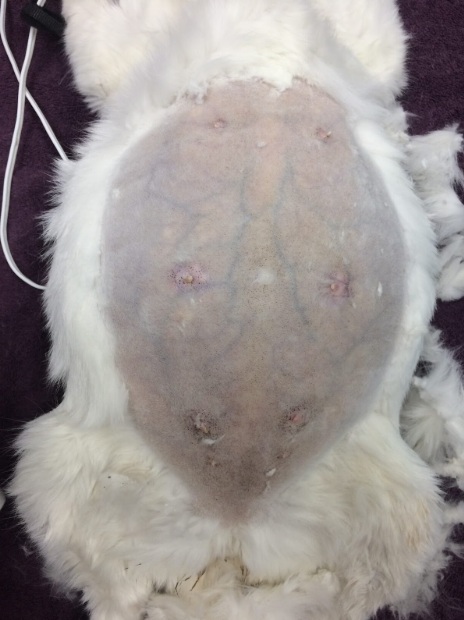
There are two types of canine pyometra in dogs. One is open, and the other is closed pyometra. The symptoms also vary according to the type of pyometra.
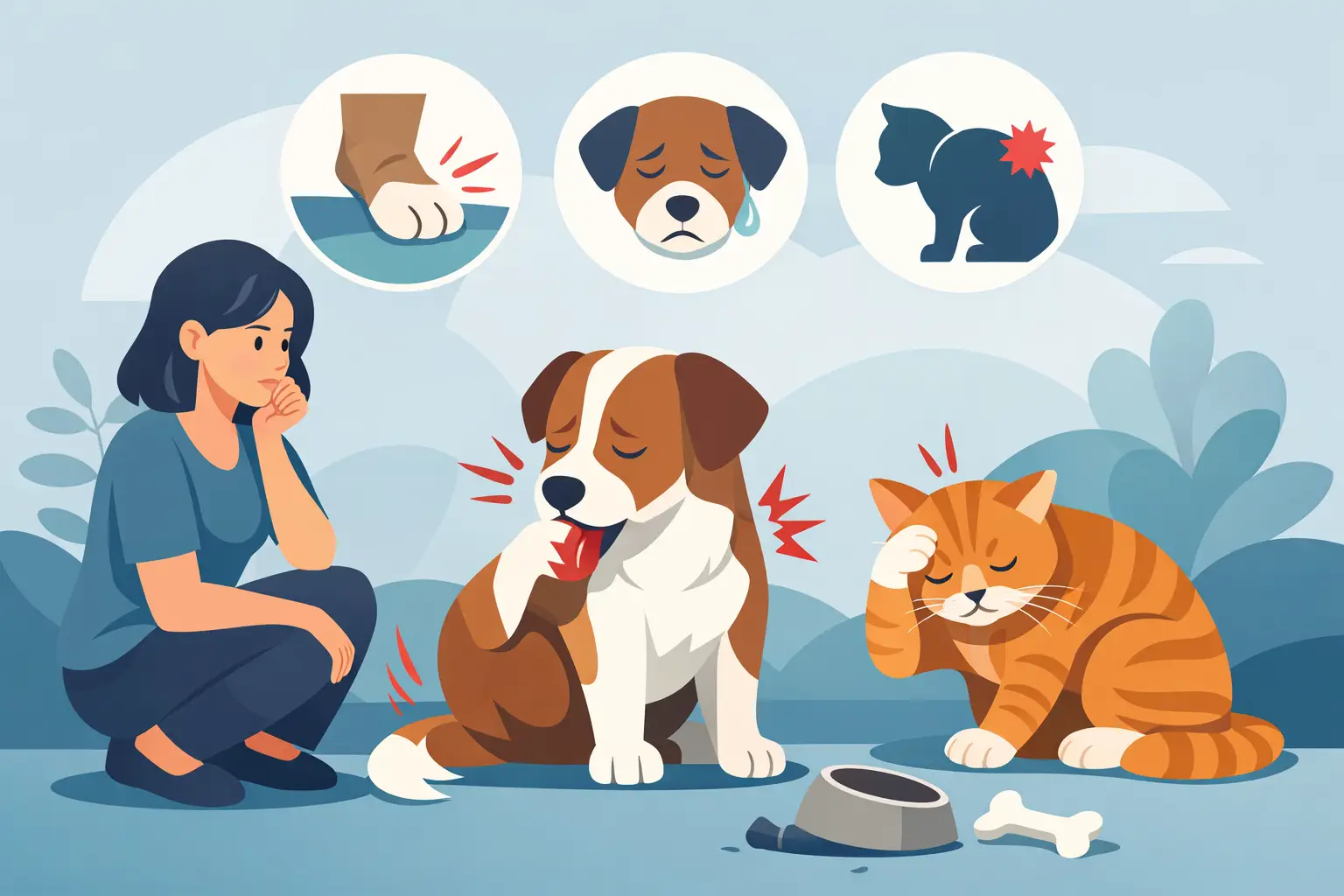
- The dogs will have very low energy throughout the day. It will be very lethargic.
- They will not have any urge or feel to eat something and will have reduced appetite.
- Dogs have been seen urinating more and becoming thirstier.
- Vomiting or diarrhea is a symptom of canine pyometra.
- Fever is also seen in the dogs, but very rare.
- They will have a swollen abdomen rather than the normal one, and will have pain in it.
- Vaginal discharge that may be bloody, yellow, or pus-like. It is seen in open pyometra.
Closed pyometra is also dangerous as it does not show any discharge and can be more deadly.
When to go to the Emergency Veterinary doctor for canine pyometra?
Pyometra is usually an emergency. You have to search for immediate veterinary care in case your unspayed female dog has the following symptoms:
- Sudden tiredness after the latest heat cycle
- Drinking and peeing are a lot greater than common
- Vomiting in conjunction with a weak spot
- A swollen belly
- Any unusual vaginal discharge
It is highly recommended not to wait before or delay the doctor visit. It must be done during the first signs.
How Canine Pyometra Is Diagnosed
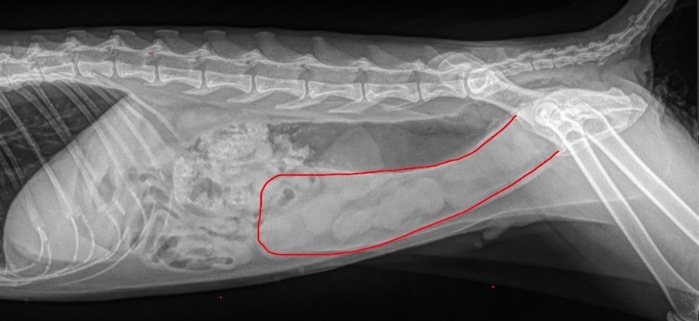
Several diagnostic procedures and treatments are used by professionals. Veterinarians diagnose pyometra using a combination of history, physical exam, and tests.
Common diagnostic steps include:
- The dog undergoes a Physical examination to scan for abdominal pain, fluid discharge and dehydration in the body.
- The Blood tests are conducted to look for any infection, dehydration, and organ stress.
- Ultrasound or X-rays are done to deeply inspection of the fluids and other liquids in the abdomen.
- Urine tests are also checked for knowledge of kidney function in dogs.
Imaging is especially important to confirm whether the uterus is enlarged and infected.
What is the Treatment of Canine Pyometra
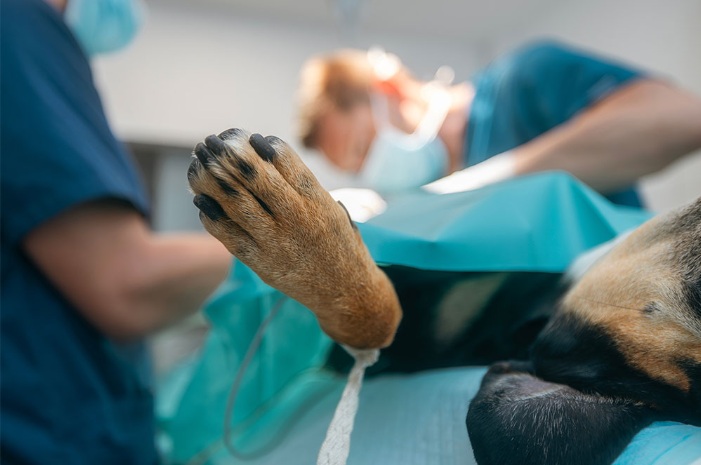
The cure for the life-threatening disease in female dogs is emergency surgery. It is done to remove the infected uterus and ovaries. It is a complicated procedure to perform, as it is more complex because the uterus is swollen and infected.
Before and after surgery, dogs are given:
- The dogs are prepared before the surgery by giving them IV fluids to treat dehydration and support their organs.
- Vets give them the antibiotics to fight infection easily without any hindrance during the procedure.
- The surgery involves pain, and there is a need for the Pain relief medications.
Recovery and Prognosis
The restoration outlook depends on how early the condition is handled. Dogs dealt with earlier than intense infection or organ failure commonly get better well after surgical treatment.
However, if the contamination has unfolded to the bloodstream or organs are damaged, recovery becomes harder and the threat of headaches increases. If the disease is diagnosed very early, it can be treated successfully and will increase the chances of survival for the pets.
What care is needed after Pyometra Surgery in female dogs?
It is highly important to take care of the dogs during and after the surgery. They need extensive care for them to recover well from the disease.
- It is highly recommended that pet owners follow the strict instructions given by the vets. Dogs must be given timely medication and other care needed for quick recovery.
- They must keep everything neat and clean and must be dry to avoid any type of infection.
- Do not let the god lick the incision part.
- Do not let your dog move from one place to another for at least 14 days to increase the healing process.
- Make sure to have a proper eye on the incision. Watch for any swelling, redness, discharge, or opening of the incision.
It is highly recommended to go for the following check-ups with the doctor to avoid any type of infection or to let the doctor know about the condition.
What measures can we take to avoid canine pyometra in dogs?
The most efficient way to save your dog from canine pyometra is to spray them at a young age. This will eliminate the risk of canine pyometra.
Benefits of spaying include:
- It will help in the Prevention of pyometra in female dogs
- Lower risk of breast cancer in the dogs.
- No unwanted pregnancies will occur in your dog.
- No messy heat cycles that can increase the risk of pyometra.
If you have not spayed your dogs, then you must visit the doctor to avoid any type of issues or have a regular check before the heat cycles.
Pyometra vs Normal Heat Signs
It is highly important to tell the difference between the normal heat cycle and the pyometra involved heat cycle. The difference is generally in the following ways.
Where there is a normal what cycles in female dogs
- The Vaginal bleeding will be bright red at first and then lighter afterwards.
- The dog remains active and alert through the day even after the heat cycle has passed.
- Appetite and energy are mostly normal if the heat cycle is normal.
If the dog has a clean pyometra type of heat cycle
- The vaginal discharge may be thick, pus-like, or foul-smelling throughout.
- The dog appears sick, tired, and weak even after the cycle has passed, and remains like that for a longer period.
- Drinking and urination increase in the pyometra heat cycle
- Dogs do not feel hungry and loses Appetite.
If your dog seems ill at any time after a heat cycle, do not assume it is normal. It is safer to have a vet check her right away.
Make sure to get your dog properly checked by the vet to make sure it is not pyometra and to get the best care from the professionals.
Blockquote
Canine pyometra is a silent, life-threatening emergency—early veterinary care saves lives, and spaying prevents it entirely.
Conclusion
It is highly important to get to the vet in case of canine pyometra. Make sure to get your dogs properly checked for any reproductive issues after the heat cycles. The diseases can turn fatal if not diagnosed properly or if preventive measures are not taken early. It is curable if detached on time by a professional.
All Creatures Veterinary Center is a top facility for dogs and other animals. Their center is highly equipped and has experienced veterinary specialists who have helped hundreds of pets to recover from medical issues. Feel free to take your pet to the veterinary facility for any type of diagnosis or regular checkups.
Venenairy Center – All Creatures Veterinary Center
Address – 22722 Lyons Ave #5, Newhall, CA 91321
Phone – (661) 291 – 1124
Frequently asked questions
Which is the best center for pets in California?
All Creatures Veterinary Center is the most trusted and well reputed veterinary center for pets in California.
Does All Creatures Veterinary Center have the experience to diagnose diseases and cure them?
All Creatures Veterinary Center has experienced veterinary doctors who have years of experience in diagnosing and treating medical issues in pets.
What are the main symptoms of canine Pyometra?
Your dog will feel lethargic after the heat cycle and will not recover from it. Other symptoms include vomiting, diarrhea, swelling in the abdomen, reduced hunger, and more.
How can you treat Pymoetra in dogs?
It is treated with surgery in dogs by a professional vet.
Can canine Pyometra be treated without surgery?
It is highly recommended by the professionals to go through the surgery for their dogs in case of canine Pyometra.
Can the disease be cured on its own without the need for surgery?
It cannot be treated on its own and must be cured with surgery.