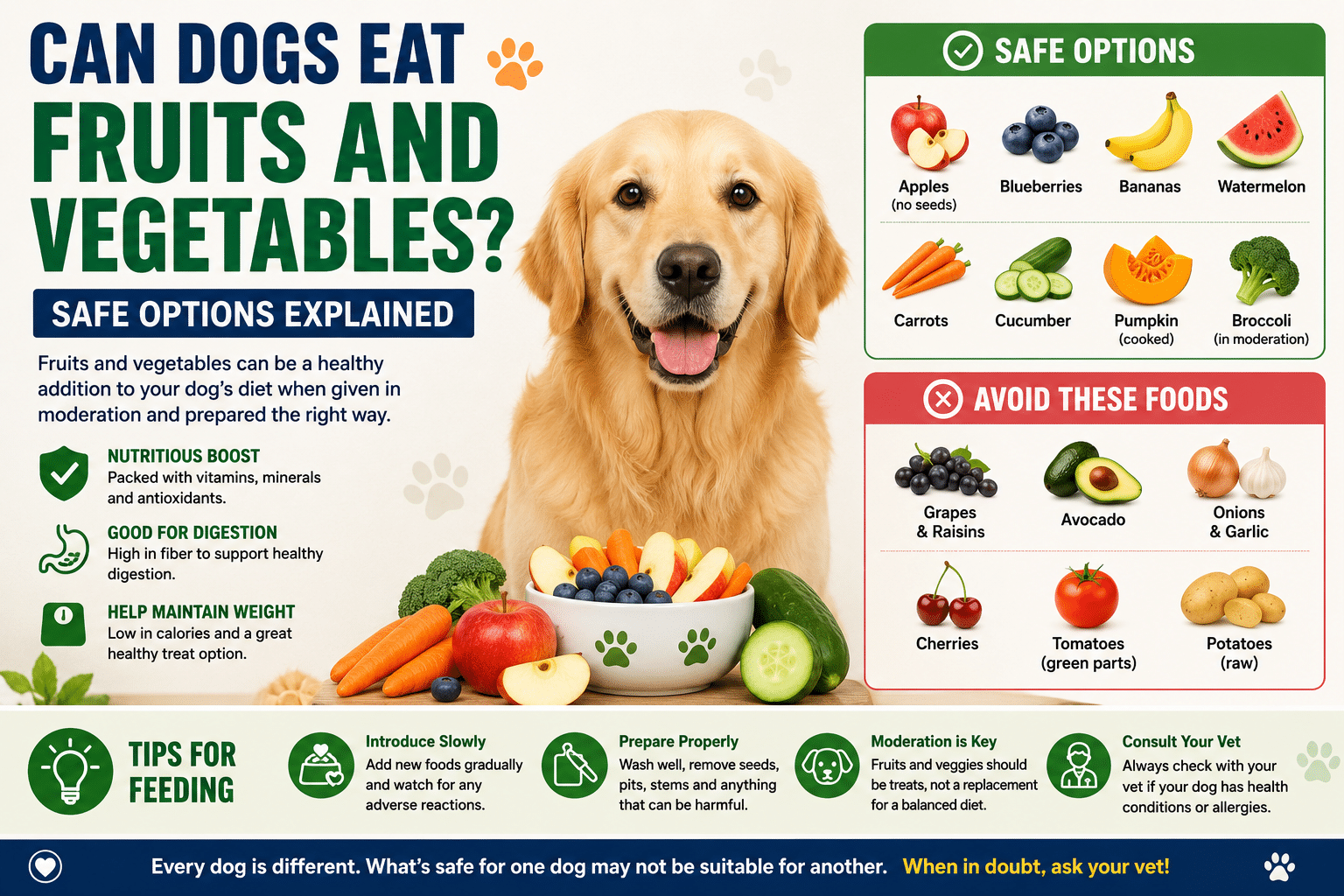
Like what most pet owners do, many of us enjoy sharing food with our furry companions. Though dogs mostly thrive on a balanced diet formulated to cater to dogs’ needs, in moderation, fruits and vegetables can be healthy treats. Not all produce is safe for dogs; it is crucial, then, for dog owners to learn which fruits and vegetables are good or harmful for their pets to keep their furry friends in good health and happiness. You also learn if Can Dogs Eat Fruits and Vegetables and what the options are.
In this guide, we will present the options, which fruits and vegetables dogs can eat; what the pet gets out of those foods; and which ones to avoid when sharing fruits and veggies with your pup.
Why Fruits and Vegetables Can Be Good for Dogs
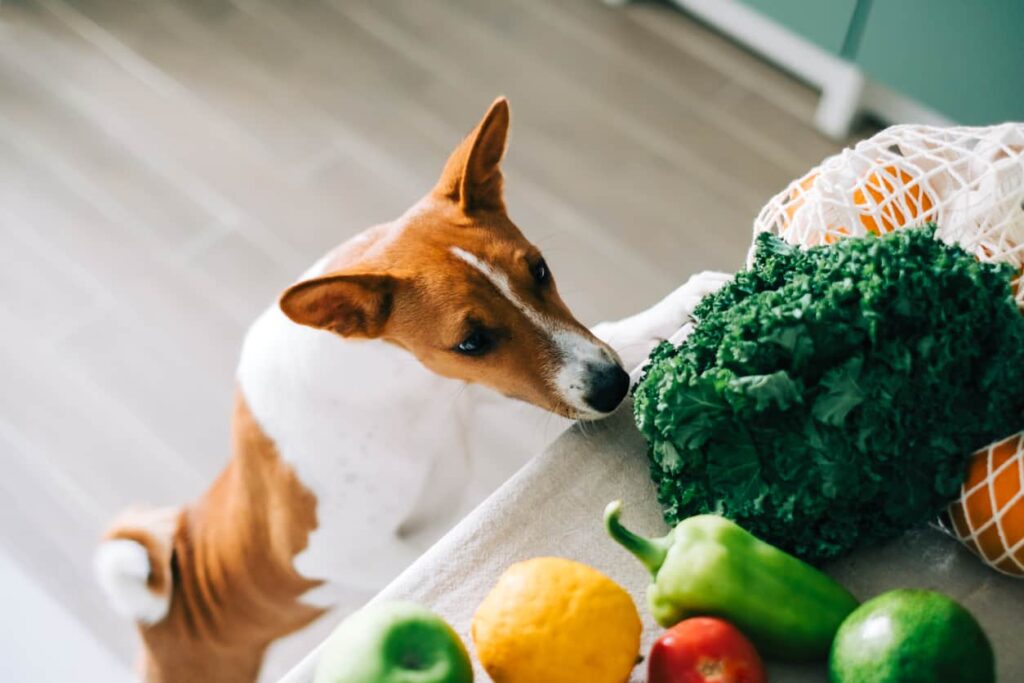
These fruits and vegetables have all the necessary nutrients that provide the highest quality ingredients and health to the dog. These foods are also not high in calories and do not make the dog fat. The diet helps in making them healthier than many commercial snacks.
Some Health Benefits of the Above Are:
- Better digestion because of increased dietary fiber.
- Boost for the immune system.
- Increased hydration, thanks to water-rich produce.
- Natural vitamins and minerals contribute to overall wellness.
- Fruits and veggies can be a low-fat source of treats if your dog needs to watch its weight.
Despite the good fruits and vegetables they can provide, they should only form a limited portion of the total diet. They should never…
Fruits that are Safe for Dogs
Many fruits are both safe and healthy for your dog to eat, provided these fruits are given to them the right way.
Apples
Apples are a great source of vitamins A and C as well as a great source of fiber.
Benefits:
- Promotes Digestive Health
- Helps Clean Teeth Naturally
- Low in Calories
Be sure to remove the seeds and core first before feeding your dog any apples.
Bananas
Bananas are full of potassium, vitamin B6, and vitamin C.
Benefits:
- Easily Digestible
- Provides Natural Energ
- Supports Muscle and Nerve Function
Even though bananas are healthy, you should feed your dog them in moderation due to the sugar.
Blueberries
Blueberries are also considered a superfood for both humans and dogs.
Benefits:
- High in Antioxidants
- Supports Brain Health
- Low in Calories
Blueberries make great training treats.
Watermelon
Watermelon is very hydrating and refreshing when it is hot outside.
Benefits:
- Has a High Water Content
- Has a Good Source of Vitamins A, B6 & C
- Low in Calories
Be sure to remove all seeds and rind from the watermelon before giving them some.
Strawberries
Strawberries are loaded with antioxidants and vitamin C.
Benefits:
- Strengthens Your Dog’s Immune System
- Source of Dietary Fiber
- A Good Tasting Natural Treat
You should only serve fresh-cut strawberries to your dog in small amounts.
Vegetables that are Safe for Dogs
You can easily add many different vegetables into your dog’s treat regime.
Carrots
One of the most popular vegetables for dogs.
Benefits:
- Source of Beta-Carotene
- Promotes Eye Health
- Helps Reduce
Green Beans
They Have Nutritional Value with low-calorie content. Green beans are low in calories, however, they do also provide substantial nutrition.
What are the Nutritional Benefits of Green Beans
- These are pretty high in fiber to support gut health.
- It is very effective in supporting weight management.
- Provides vitamins and minerals in the right amount to make the pt healthy and strong.
Green beans should be eaten when they are plain, either cooked by steaming or eaten raw.
Cucumbers
Cucumbers make an excellent low-calorie dog snack.
Nutritional Benefits of Cucumbers:
- High in water
- Promotes hydration.
- Low in fat and sugar.
Cucumbers should be cut into small, bite-sized pieces before offering them to your dog.
Sweet Potatoes
Sweet potatoes are a great source of nutrition and are often included in dog food.
Nutritional Benefits of Sweet Potatoes:
- High fiber.
- Provides vitamins A and C.
- Supports healthy digestion.
- Sweet potatoes should be served cooked and without any seasoning.
Pumpkin
Plain pumpkin is a great recommended food for dogs.
Nutritional Benefits of Plain Pumpkin:
- Aids in digestive regularity.
- High in fiber.
- Provides healthy gut support for dogs.
- Use plain cooked pumpkin or pure pumpkin puree, and do not add sugar or spices.
Fruits That Are Unsafe for Dogs to Eat
Not all fruits are safe for dogs to consume.
Grapes and Raisins
Grapes and raisins are toxic to dogs and can lead to kidney failure, even if consumed in small amounts.
Cherries
The pit of the cherry can contain substances that can release cyanide, and can also present a choking hazard.
Avocados
Avocados contain persin, which could contribute to upset stomach or other digestive disturbances in some dogs.
Citrus Fruits
In small portions, citrus may not be toxic, but citrus fruits, such as oranges, lemons, and limes, may cause stomach irritation in sensitive dogs.
Certain vegetables can be harmful to dogs and should not be fed to them.
- Onions are harmful to dogs because they contain compounds that can cause damage to their red blood cells and result in anemia.
- Garlic is dangerous for dogs as it can cause digestive issues and issues with their blood.
- Many wild mushrooms are poisonous to dogs and can result in serious illness.
- Raw potatoes contain solanine, which poses a danger for dogs.
To help you safely feed fruits and vegetables to your dog, follow the tips below.
- Wash all produce thoroughly.
- Remove the seeds, pits, and cores from fruit and vegetables when needed.
- Cut fruit and vegetables into small, bite-sized pieces.
- Do not add salt, sugar, butter, or seasoning to fruits and vegetables that you feed your dog.
- Introduce new food items to your dog gradually.
- Monitor for allergic reactions or digestive upset.
Consult with your veterinarian if your dog has any pre-existing health problems before changing their diet.
Blockquote
Many fruits and vegetables can be healthy treats for dogs, but pet owners should know which options are safe and which foods can be harmful.
Conclusion
Apples are safe for dogs as long as you remove the core and seeds. Bananas are safe for dogs in moderation, as they are high in natural sugars. Blueberries are an excellent antioxidant source for dogs and can be given as a healthy treat. Watermelon is safe for dogs as long as the seeds are removed.
Safe produce will provide a variety of foods that will add variety to your dog’s diet as well as provide your dog with some additional nutrients and healthy, low-calorie snacks. You should also remember that moderation is key. Your dog should also receive most of their nutrition from a complete and balanced dog food formulated to their individual needs.
All Creatures is a top veterinary hospital that provides the best treatment to pets. It provides the best diet to the pets as per their needs. Feel free to take your pet to the veterinary center for regular checkups.
Contact Details
Veterinary Center – All Creatures Veterinary Center
Address – 22722 Lyons Ave #5, Newhall, CA 91321
Phone – (661) 291 – 1124
Frequently Asked Questions
Can dogs eat Apples?
Yes, apples are okay for dogs as long as you remove the seeds and the core.
Are Bananas OK for Dogs?
Yes, bananas are okay for dogs as long as you give them in moderation because of the natural sugar content of the banana.
Are Blueberries OK for Dogs to eat?
Yes, blueberries are an excellent source of antioxidants to give as treats to dogs.
Can Watermelon a good food for the dogs?
Yes, watermelon is okay for dogs as long as the watermelon is seedless and the rind has been removed.
Can dogs eat Carrots?
Yes, carrots are an excellent, low-calorie source of nutrition for dogs, and they also help keep your dog’s teeth clean.
Can dogs have Grapes and Raisins for food?
Grapes and raisins are very dangerous and will cause kidney disease in dogs.
Can dogs eat Onions or Garlic?
Onions and garlic are also toxic to dogs and will damage a dog’s red blood cells.