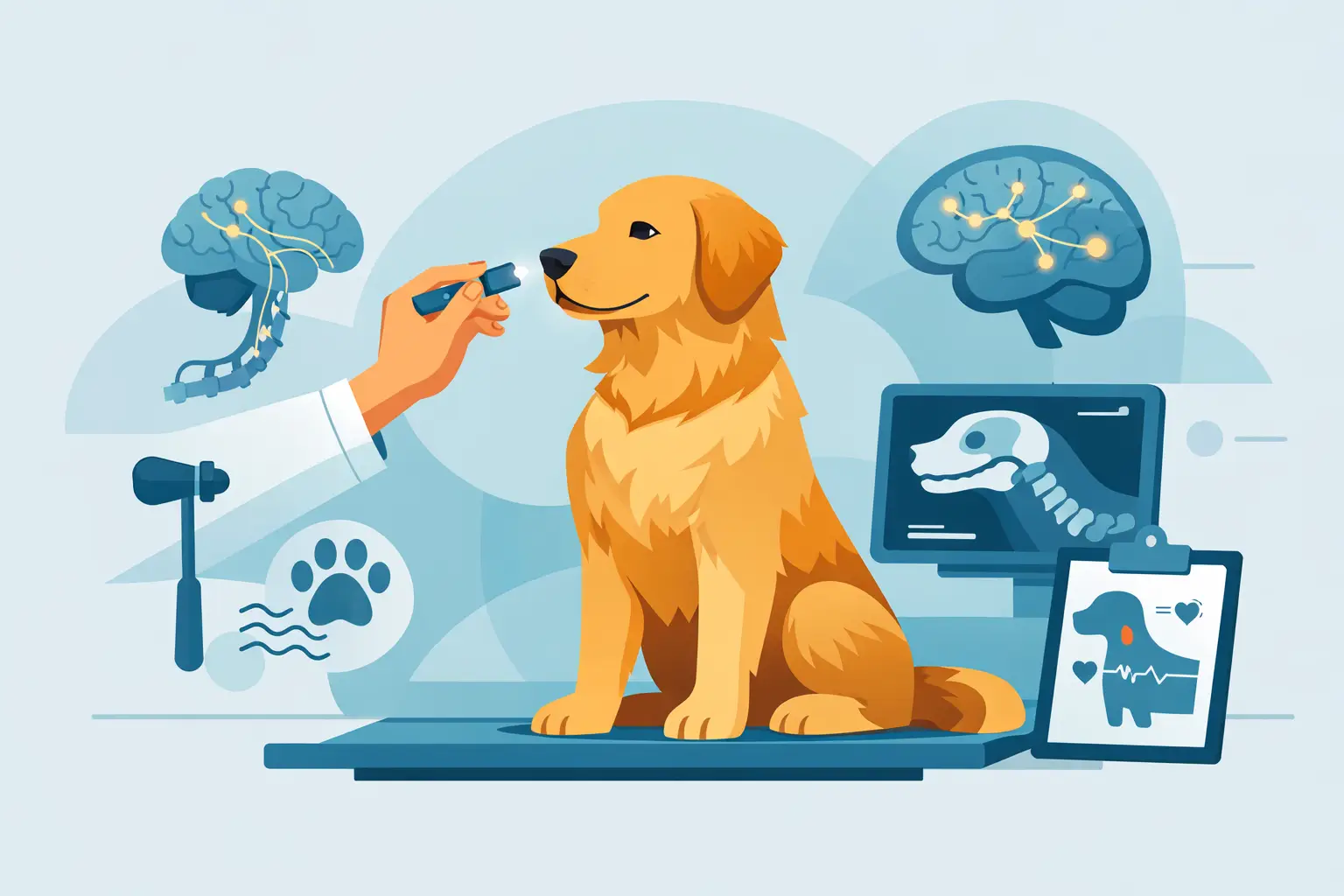
A dog that suddenly stumbles, drags a paw, tilts its head, or cries out with neck or back pain can leave any family scared and searching for answers. This dog neurology exam guide is here to help you understand what your veterinarian is looking for, why each step matters, and what happens after the exam.
What a dog neurology exam guide should help you understand
A neurologic exam is different from a standard wellness visit, although it often starts the same way. Your veterinarian will still assess your dog’s overall condition, but the focus shifts to the brain, spinal cord, nerves, and muscles. The goal is not just to confirm that something is wrong. It is to figure out where the problem is coming from.
That distinction matters because similar symptoms can have very different causes. A dog that is weak in the rear legs could have a spinal disc problem, a joint issue, a muscle injury, or a metabolic illness. The exam helps narrow the list before deciding whether your dog needs imaging, bloodwork, pain management, surgery, rehabilitation, or close monitoring.
When a neurologic exam is recommended
Some signs are dramatic, like seizures or sudden paralysis. Others are easier to miss at first. Your dog may seem reluctant to jump, sway when walking, knuckle a paw, lose balance, or act confused. In older pets, families sometimes assume these changes are just aging, when they may point to a treatable neurologic problem.
A neurologic exam is commonly recommended if your dog has seizures, head tilt, circling, tremors, weakness, limb dragging, unexplained pain along the neck or back, balance problems, or changes in bladder or bowel control. It may also be part of the workup after trauma, especially if there is concern for spinal injury.
If your dog cannot stand, has suddenly lost the use of one or more legs, is having repeated seizures, or seems acutely disoriented, that is urgent. Time can make a real difference in both comfort and long-term outcome.
How the exam begins
In many cases, the most valuable information appears before hands are ever laid on your pet. Your veterinarian will watch how your dog enters the room, stands, turns, and responds to the environment. A pet who slips, crosses limbs, leans to one side, or hesitates before stepping can provide important clues right away.
You will also be asked detailed questions, because the history helps shape the exam. When did the problem start? Was it sudden or gradual? Has it been getting worse, or does it come and go? Did it begin after exercise, a fall, or rough play? Has your dog had vomiting, appetite changes, accidents in the house, or behavior changes? Video from home can be especially helpful when episodes are intermittent.
What veterinarians assess during a dog neurology exam guide
Mental status and behavior
Your veterinarian looks at how alert your dog is and whether responses seem appropriate. Is your pet bright and engaged, quiet but responsive, or unusually dull? Changes in awareness can suggest involvement of the brain or a serious systemic illness that affects neurologic function.
Gait and posture
Watching your dog walk is one of the most informative parts of the exam. The doctor may look for weakness, wobbliness, crossing over of the limbs, scuffing of the nails, or an uneven stride. Posture matters too. A head tilt, arched back, wide-based stance, or low head carriage can all point in different directions.
Cranial nerve function
These are the nerves connected to the brain that help control facial movement, eye position, swallowing, and more. Your veterinarian may check pupil response, eye tracking, facial symmetry, blink reflexes, and jaw tone. This part of the exam helps determine whether the issue may be in the brain, brainstem, or peripheral nerves.
Postural reactions
These tests measure how well your dog knows where its feet are in space. One common example is gently turning a paw so the top of the foot touches the floor. A normal dog corrects the paw quickly. A delayed response can indicate a neurologic deficit, even when your dog still appears able to walk.
Spinal reflexes
Reflex testing helps distinguish between problems in the brain, spinal cord, nerves, and muscles. Your veterinarian may check knee reflexes, withdrawal reflexes, and muscle tone in each limb. These findings are especially useful in dogs with weakness or paralysis.
Pain and spinal palpation
Neck and back pain can be a major clue. Your veterinarian may gently feel along the spine and move the neck or limbs within a safe range to see whether pain is present. This must be done carefully, especially if a disc injury or fracture is suspected.
Sensation
In pets with severe weakness or inability to walk, your veterinarian may assess whether the dog can feel the limb normally. This can influence both urgency and prognosis. In some spinal cases, preserving deep pain sensation is an important clinical marker.
Why the exam is about location, not just diagnosis
One of the key goals of a neurologic exam is localization. That means identifying the most likely area of the nervous system involved, such as the forebrain, brainstem, cerebellum, cervical spinal cord, lower back, peripheral nerve, or muscle.
This may sound technical, but it is actually what makes care more efficient and more tailored. A dog with signs pointing to the inner ear or brainstem may need a very different plan than a dog whose findings suggest a lower spinal disc problem. The exam helps avoid guessing and guides what should happen next.
What happens after the exam
The next step depends on what your veterinarian finds and how stable your dog is. Sometimes the problem is clear enough that treatment can begin right away, especially when pain control, anti-inflammatory support, or seizure management is needed. In other cases, additional testing is the safest and most accurate path.
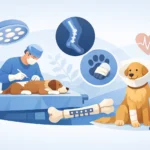
Diagnostics may include bloodwork to rule out metabolic causes, X-rays to look at bones and alignment, and advanced imaging such as MRI or CT when the brain or spinal cord needs closer evaluation. Some patients also benefit from ultrasound, spinal fluid testing, or referral for specialized procedures. If surgery is on the table, precise imaging becomes even more important.
There is also a practical side to decision-making. Not every dog needs every test on day one. Sometimes the right plan depends on symptom severity, how quickly the issue progressed, your pet’s age and overall health, and your family’s goals. A thoughtful veterinarian will explain the options clearly and help you weigh urgency, benefit, and cost.
How pet owners can prepare for the visit
If your dog is having neurologic symptoms, try to keep activity limited until your appointment, especially if there is suspected neck or back pain. Avoid stairs, jumping, and rough play. If your pet is larger and unsteady, use a towel or support sling under the abdomen when moving them.
Bring a list of current medications and note exactly when signs started. If your dog has episodes that come and go, record video if you can do so safely. Seizures, abnormal walking, tremors, and moments of confusion are often easier to interpret when your veterinary team can see what happened at home.
If your pet seems painful, collapses, or cannot rise, call ahead. The team may want to guide you on the safest way to transport your dog.
The value of continuity in neurologic care
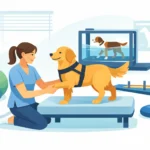
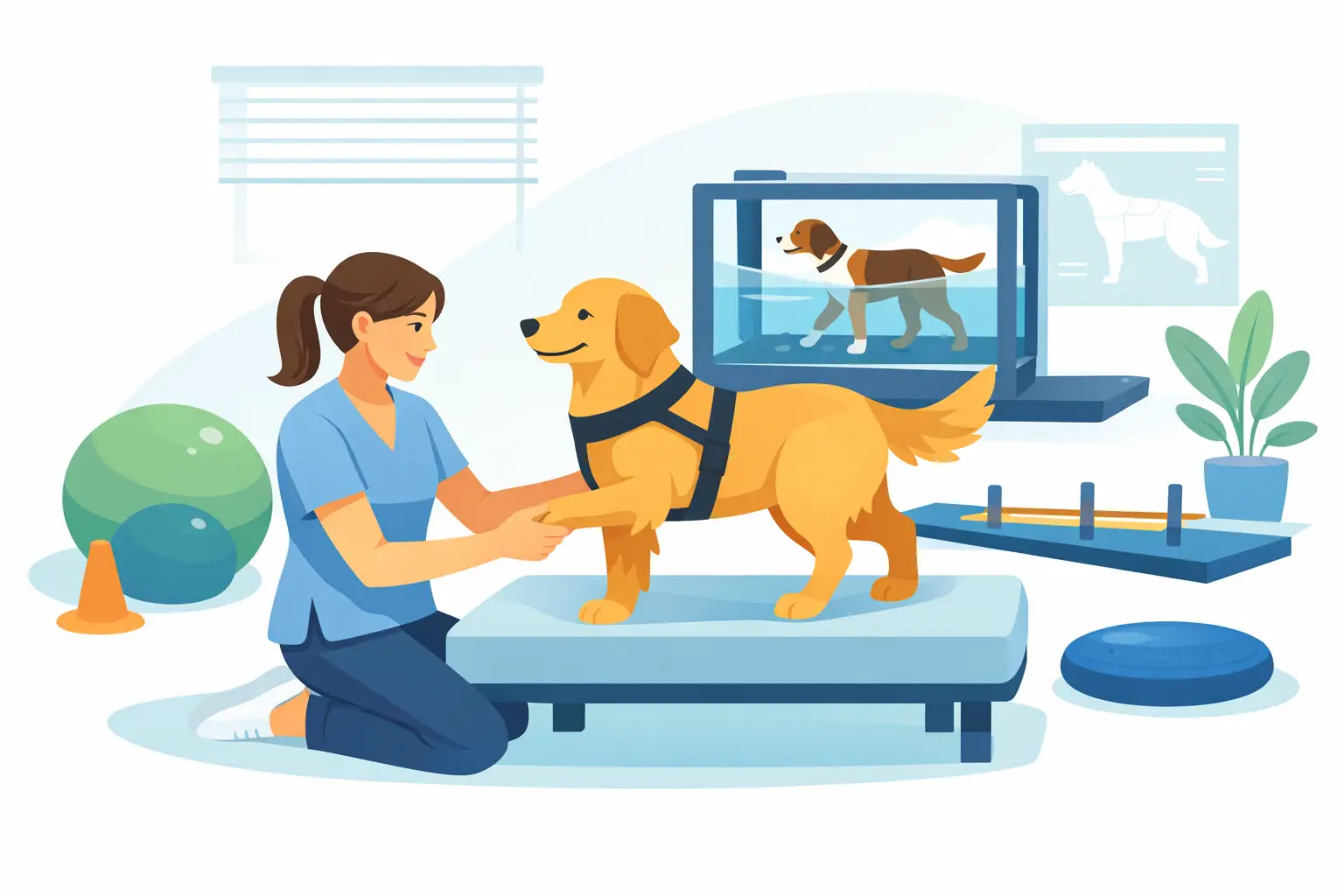
Neurologic cases are not always solved in one visit. Some dogs improve quickly with rest, medication, and rehabilitation. Others need surgery, follow-up imaging, or long-term management. That is why having access to a team that can move from exam to diagnostics to treatment planning matters so much.
For families in Newhall and Santa Clarita, this continuity can reduce stress at a time when everything feels uncertain. At All Creatures Veterinary Center, we believe pet parents deserve both clear answers and compassionate support, whether a dog needs an initial evaluation, advanced diagnostics, surgery, or rehabilitation after treatment.
When to seek help sooner rather than later
A wait-and-see approach is rarely the right choice for sudden neurologic changes. Please contact a veterinarian promptly if your dog has a new head tilt, repeated falling, seizures, weakness, dragging of the limbs, severe neck or back pain, or any loss of bladder control paired with mobility changes. Even when the cause turns out to be manageable, earlier assessment often means better comfort and better options.
Watching your dog struggle to walk or act unlike themselves can be heartbreaking. A careful neurologic exam brings structure to that uncertainty. It helps turn a frightening symptom into a clearer plan, and that first step often makes all the difference.