When an older dog starts slowing down, most families notice it in small ways first. Maybe the stairs take longer, the food bowl stays fuller than usual, or your dog no longer greets you at the door with the same enthusiasm. A senior dog quality of life checklist can help turn those vague worries into something clearer, so you can track changes, support your pet’s comfort, and know when it is time to involve your veterinarian.
A checklist is not about reducing your dog’s life to a score. It is a way to look at daily function, comfort, and joy more objectively when emotions are running high. For many families, that structure brings relief. It helps you separate a rough day from a meaningful decline, and it gives your veterinary team better information to work with.
What a senior dog quality of life checklist should measure
The most useful checklist looks at the whole dog, not just one diagnosis. Arthritis, cognitive decline, cancer, heart disease, kidney disease, and neurologic problems can all affect quality of life in different ways. Two senior dogs may have the same condition but very different daily experiences.
That is why a good checklist focuses on patterns like appetite, hydration, mobility, hygiene, breathing, pain, and interest in normal routines. It should also consider whether your dog is still able to enjoy favorite activities, even if those activities look different than they used to. A ten-minute stroll may replace a long hike, and that still matters.
The daily signs to watch at home
Appetite and interest in food
A healthy appetite is often one of the easiest things to monitor. If your dog skips a meal occasionally but otherwise eats well, that may not be alarming. If meals become a struggle, your dog seems nauseated, or weight loss starts to show, it deserves attention.
It also helps to notice how your dog eats. Eagerly finishing a meal is different from sniffing food, walking away, and needing coaxing. Sudden pickiness can point to pain, nausea, dental disease, or illness rather than simple preference.
Water intake and hydration
Drinking much more or much less than usual can be a sign of underlying disease. Senior dogs with kidney disease, diabetes, or hormonal conditions may drink excessively. Others may drink less because getting up is painful or they feel weak.
Check whether your dog’s gums seem tacky or dry, and pay attention to changes in urination. Accidents in the house are not always behavioral. They can signal medical issues, mobility problems, or cognitive decline.
Mobility and stamina
Mobility changes are common in older dogs, but they should not be brushed off as just old age. Struggling to stand, slipping on floors, hesitating before jumping, lagging on walks, or needing help into the car can all point to pain or weakness.
This is one area where trends matter. Some dogs are stiff in the morning and improve as they move. Others decline steadily through the day. If mobility is limiting bathroom habits, sleep, or family interaction, that has a direct effect on quality of life.
Pain and comfort
Dogs often hide pain, especially around the people they trust. Signs may be subtle – panting at rest, trembling, reluctance to be touched, pacing at night, changes in posture, or a distant expression. Some dogs become clingier, while others withdraw.
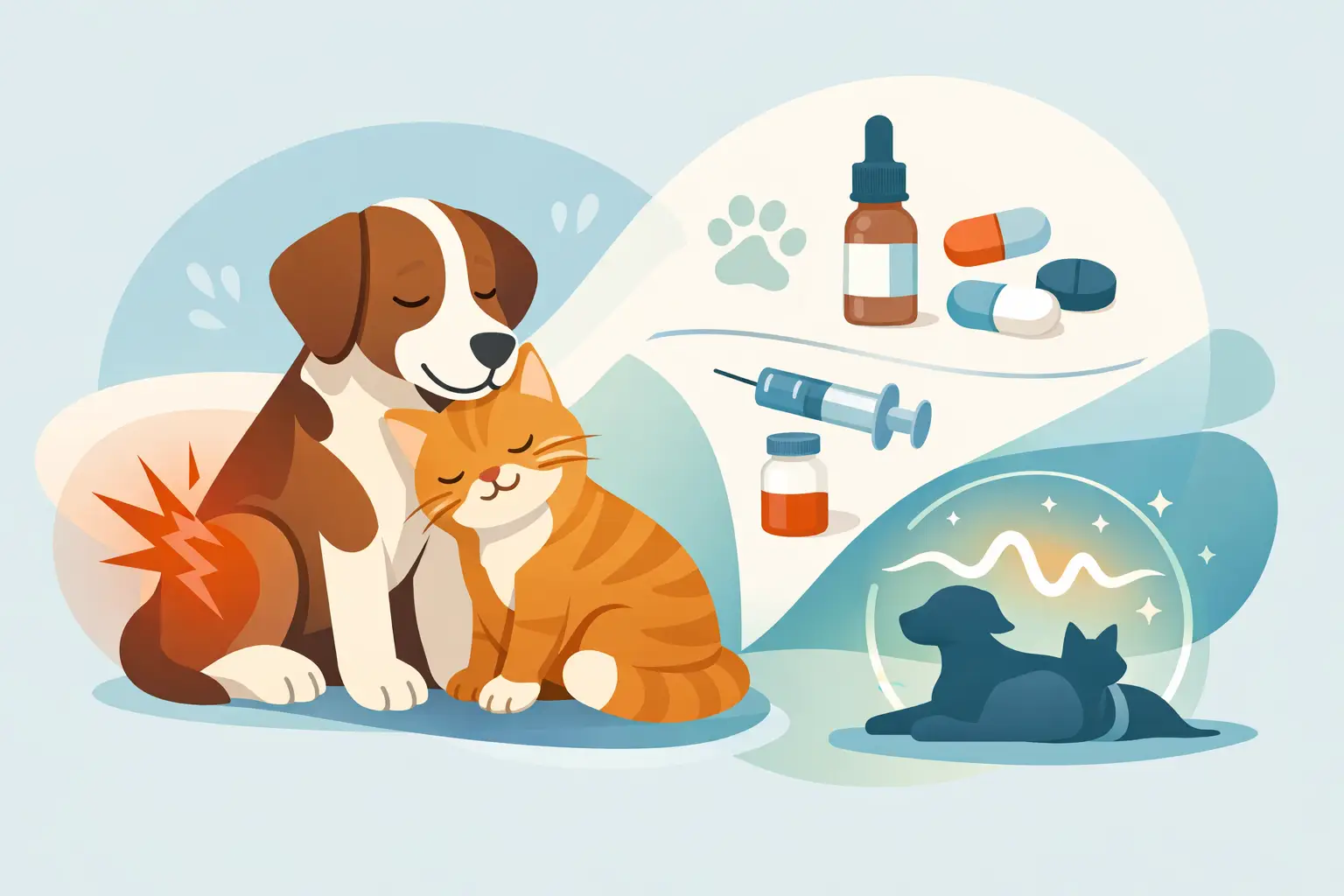
Pain management is rarely one-size-fits-all. Depending on the cause, your veterinarian may recommend medication, rehabilitation, weight management, home adjustments, or advanced therapies. The goal is not simply to extend life, but to improve how that life feels day to day.
Breathing and rest
A dog who cannot rest comfortably is a dog whose quality of life is being affected. Watch for coughing, labored breathing, open-mouth breathing at rest, restless sleep, or needing to sit or stand to breathe more easily.
Count your dog’s resting breathing rate when asleep or fully relaxed. A rising pattern over time can be an early warning sign, especially in dogs with heart or lung disease. If breathing looks difficult, that should be treated as urgent.
Cleanliness and dignity
Many families do not realize how much hygiene affects comfort. Dogs who cannot get up easily may lie in urine, soil their bedding, or develop skin irritation. Others stop grooming themselves or struggle to posture well enough to urinate and defecate normally.
These changes are not a failure on your dog’s part, and they are not a failure on yours. They are signs that support needs have changed. Bedding, mobility aids, more frequent bathroom breaks, grooming support, and medical treatment can all help.
Engagement and enjoyment
One of the clearest questions is also one of the hardest: does your dog still seem like your dog? Maybe that means wagging for family members, asking for treats, following you into the kitchen, enjoying a short walk, or settling contentedly in a favorite spot.
A quieter dog is not automatically an unhappy dog. Senior pets often become less active without losing quality of life. The concern is a sustained loss of interest in everything that once mattered to them.
How to use a senior dog quality of life checklist in real life
The best approach is simple enough that you will actually keep doing it. Pick a handful of categories and rate them each day or a few times a week. You can use a scale such as good, fair, or poor, or a number scale if that feels easier.
Try tracking appetite, hydration, mobility, pain, bathroom habits, sleep, and enjoyment. Add notes if something changes, such as new coughing, trouble standing, or refusing breakfast. Over time, those notes become very useful. They help identify whether your dog is having isolated bad days or a true downward trend.
Photos and short videos can also help. A dog’s gait, breathing effort, and alertness are easier to compare when you can look back. Families often adjust slowly to decline because they see it every day. A record makes changes harder to miss.
When a checklist is telling you it is time for veterinary care
If your dog’s scores are drifting downward, do not wait for a crisis. A quality-of-life checklist is meant to prompt action early, when there may still be room to improve comfort. Many problems that look like aging can be treated or managed. Arthritis pain, dental disease, dehydration, nausea, endocrine disorders, and neurologic issues can all change a dog’s daily experience in a major way.
You should schedule an exam sooner if your dog stops eating, has repeated vomiting or diarrhea, seems painful, collapses, struggles to breathe, becomes suddenly disoriented, or can no longer get up without help. Even if your dog has a chronic diagnosis, a sharp change usually means something new needs attention.
At All Creatures Veterinary Center, these conversations are part of caring for the whole pet and the whole family. Senior dogs often benefit from a personalized plan that may include diagnostics, pain management, rehabilitation, mobility support, or more frequent monitoring.
The hard truth about good days and bad days
Families often ask how many bad days are too many. There is no perfect number. What matters is the pattern, the severity, and whether your dog can still experience comfort and connection.
Some dogs have a serious disease but remain stable and content with the right support. Others have multiple manageable issues that together create too much discomfort. That is why checklists work best alongside veterinary guidance, not in place of it.
It also helps to define what a good day means for your dog specifically. For one dog, it is eating breakfast, walking outside, and resting comfortably near the family. For another, it is simply being pain controlled, able to eliminate normally, and enjoying affection. Those personal benchmarks matter.
If you are sharing care with other family members, agree on what signs would mean it is time to recheck with your veterinarian. Making those decisions before emotions peak can prevent confusion later.
A checklist should support compassion, not guilt
One of the most painful parts of senior pet care is wondering whether you are seeing things clearly. Many loving owners worry that they are doing too much, not enough, acting too early, or waiting too long. A checklist cannot remove that emotion, but it can ground you in what your dog is showing you.
It is also okay if the answers change. Quality of life is not static. There may be a period where treatment improves comfort and function, and another where your dog begins to decline despite everyone’s best efforts. Recognizing that shift is part of compassionate care.
Your dog does not need perfect days to have a meaningful life. They need comfort, support, and a family willing to pay attention to the details that matter. Sometimes the kindest next step is adjusting treatment. Sometimes it is asking harder questions. Either way, keeping a thoughtful record gives you a steadier path forward when your dog needs you most.