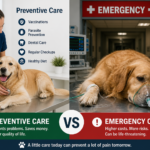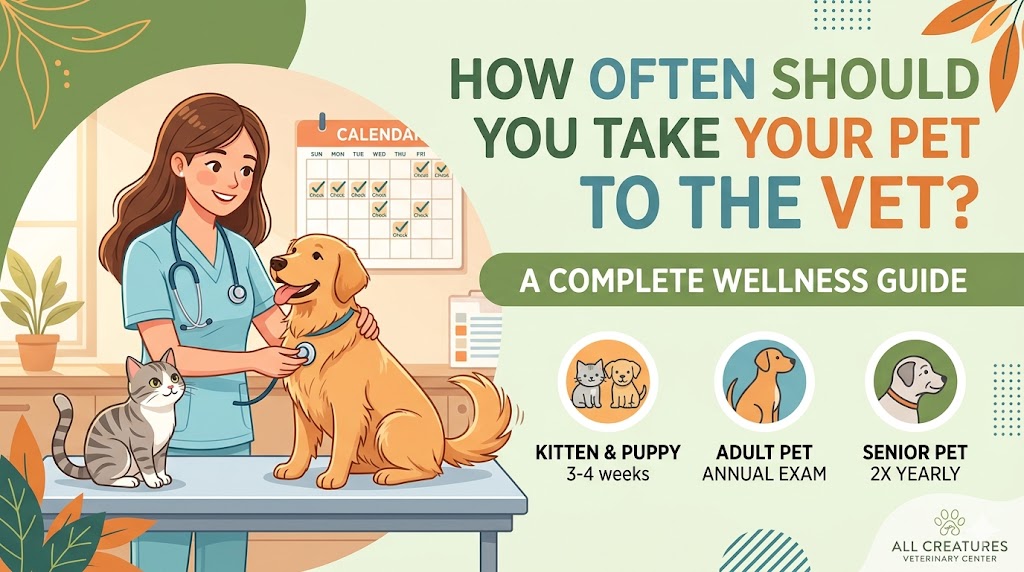
Many times when life is busy and stressful, it’s difficult to think, “My dog has never needed a vet and has never been sick so is it really necessary to go?” Considering the amount of work involved with taking the pet into the office, this is an understandable question but the answer can be found in “How Often Should You Take Your Pet To The Vet? A Complete Wellness Guide.” The key to your pet’s long, happy life is regular preventive care; this means preventive care consists of more than just immunizations — it is also about identifying and treating minor problems before they develop into larger, costly issues. Let’s discuss what a detailed schedule looks like for your furry kids.
The Life Stage Roadmap
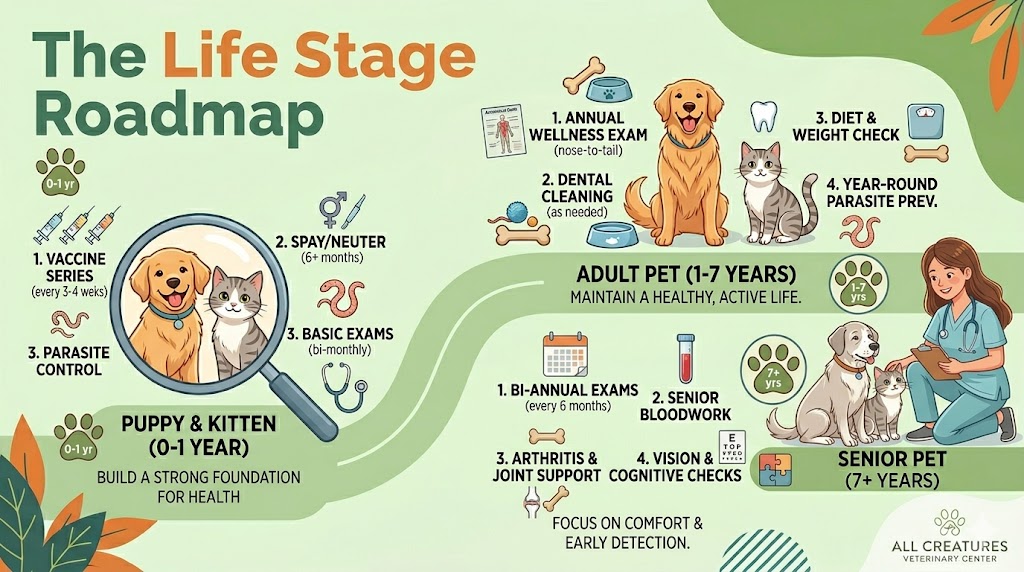
In the same manner as people’s medical requirements change with age, a pet has its own requirements that change with age as well. A young, vibrant kitten will require different health and medical requirements than an older, more dignified senior adult dog will have.
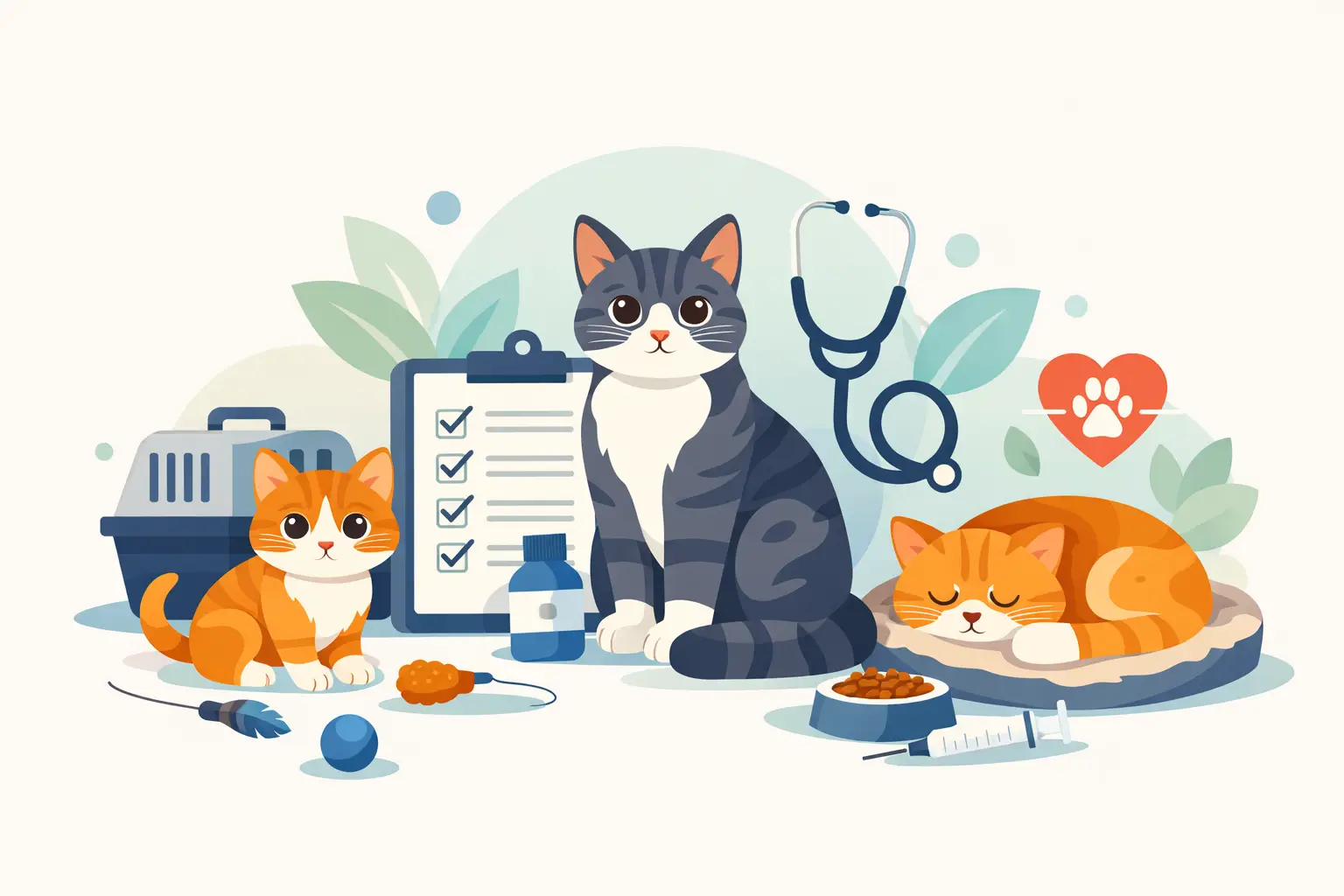
- Puppies and Kittens (birth – 1 year): This is one of the busiest times for veterinarian visits. You will generally be coming in to see us every three to four weeks until about 16 weeks of age. During this time frame there are multiple different vaccines (like rabies & distemper), there are also routine checks for any worms, and many times there are conversations regarding spaying or neutering the pet.
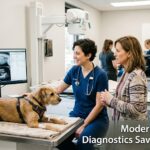
- Adult Pets (1 year – 7 years old): For the most part, an annual checkup (wellness examination) is the baseline standard for a healthy adult pet. During a wellness examination, a veterinarian will perform a nose to tail examination of the pet and take samples for any illnesses/diseases or parasites. Even though your pet may appear to be healthy at that time, that yearly examination will establish “baseline” health for the pet, so that you and the veterinarian will have something to reference for subtle changes in the weight and/or dental protocol.
- Senior Pets (7+ years old) – When your pet reaches approximately 7 years old (anywhere from 7 to 10 years old), then you and the veterinarian should consider having the pet come in for an examination every 6 months for the rest of their life. Pets have one to seven years of income for every 1 year of human life; thus, pets are literally aging much quicker than people do; therefore, by having a pet come into the veterinarian office every 6 months, it will allow the veterinarian to keep track of any issues resulting from the animal’s aging process (i.e., arthritis, kidney disease, heart disease, etc.) through blood work and physical palpation.
Why “Wellness” is More Than a Check-Up
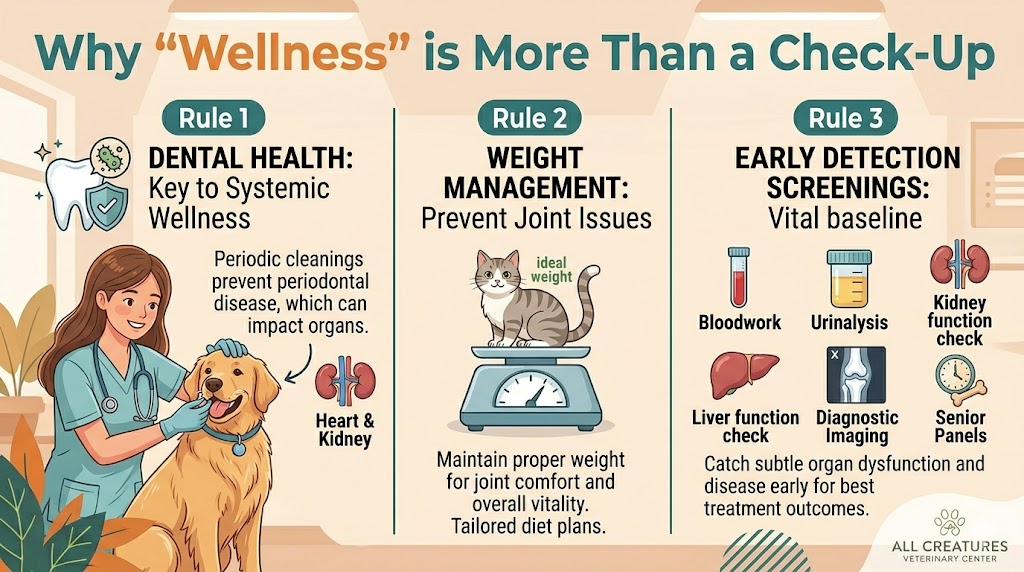
A Wellness Visit is not simply a list of things to mark off; It is a thorough assessment of your pet’s external and internal well – being. Below are some specific things we will look for at the Wellness Visit:
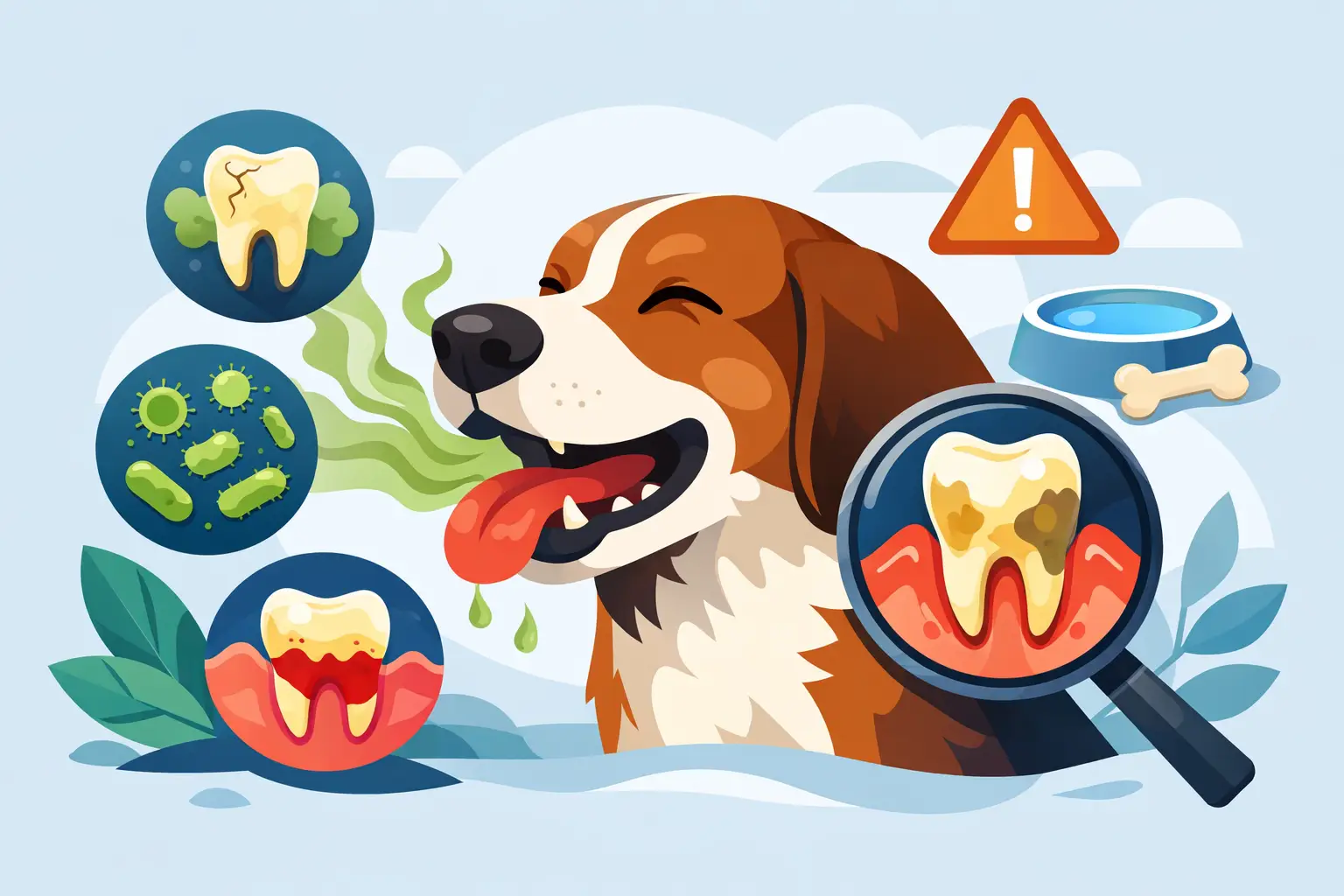
- Tooth Health: For dental disease, it is one of the most common (and treatable) problems in our pets. We want to look for an excessive build up of tartar on your pet’s teeth; if present, this means gum swelling can create infection of the teeth, and result in serious health problems.
- Weight Control: The total number of pets exceeding their weight in the US is a 50 percent increase. We can help you treat your pet’s diet and physical activities to help prevent diabetes and hip/joint diseases.
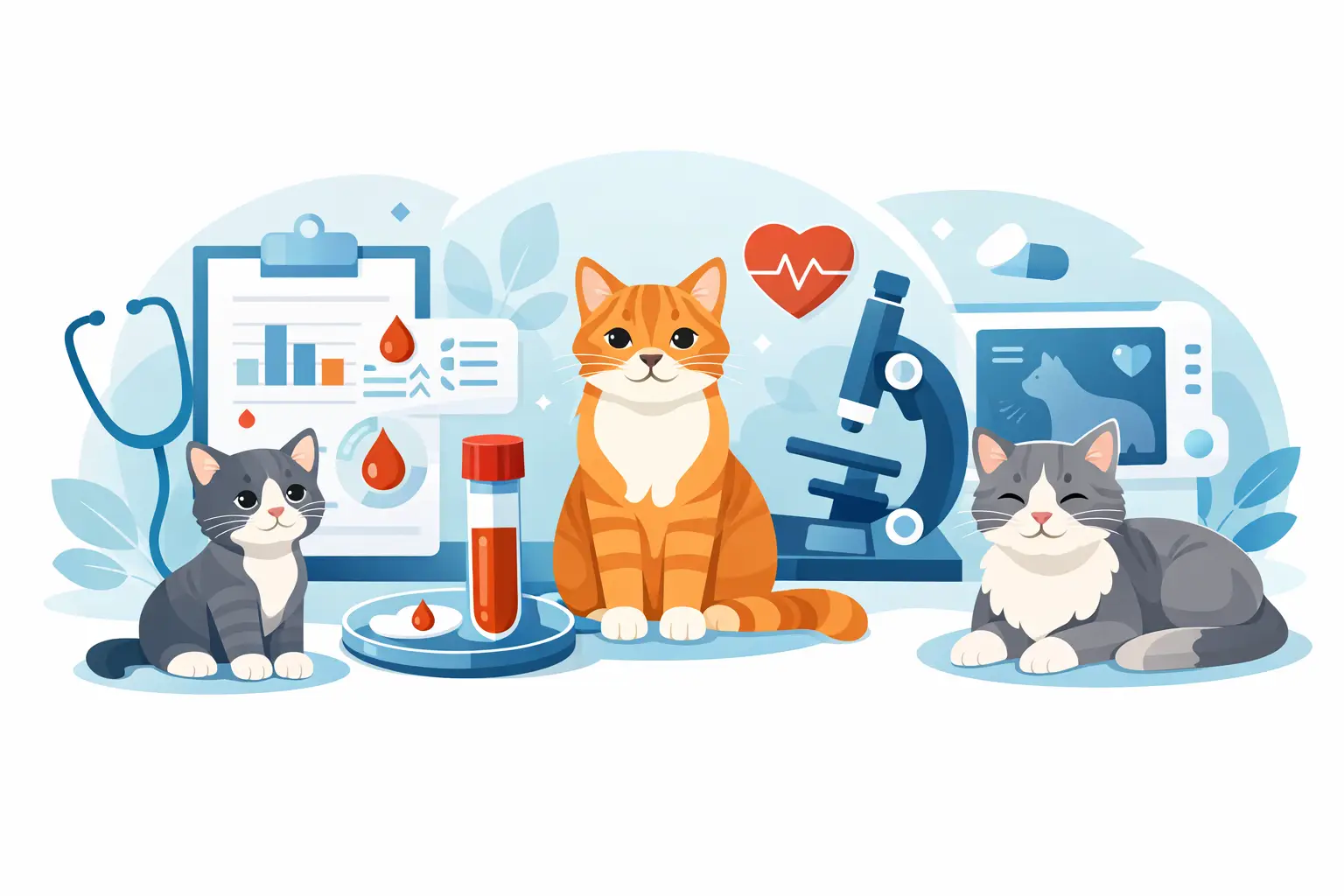
- Early Detection Screening: Blood tests will provide data to determine organ failure and when the animal will start showing symptoms. In fact, “early” in the world of veterinary medicine indicates “treatability.”
When to Break the Schedule: Signs of an Urgent Visit
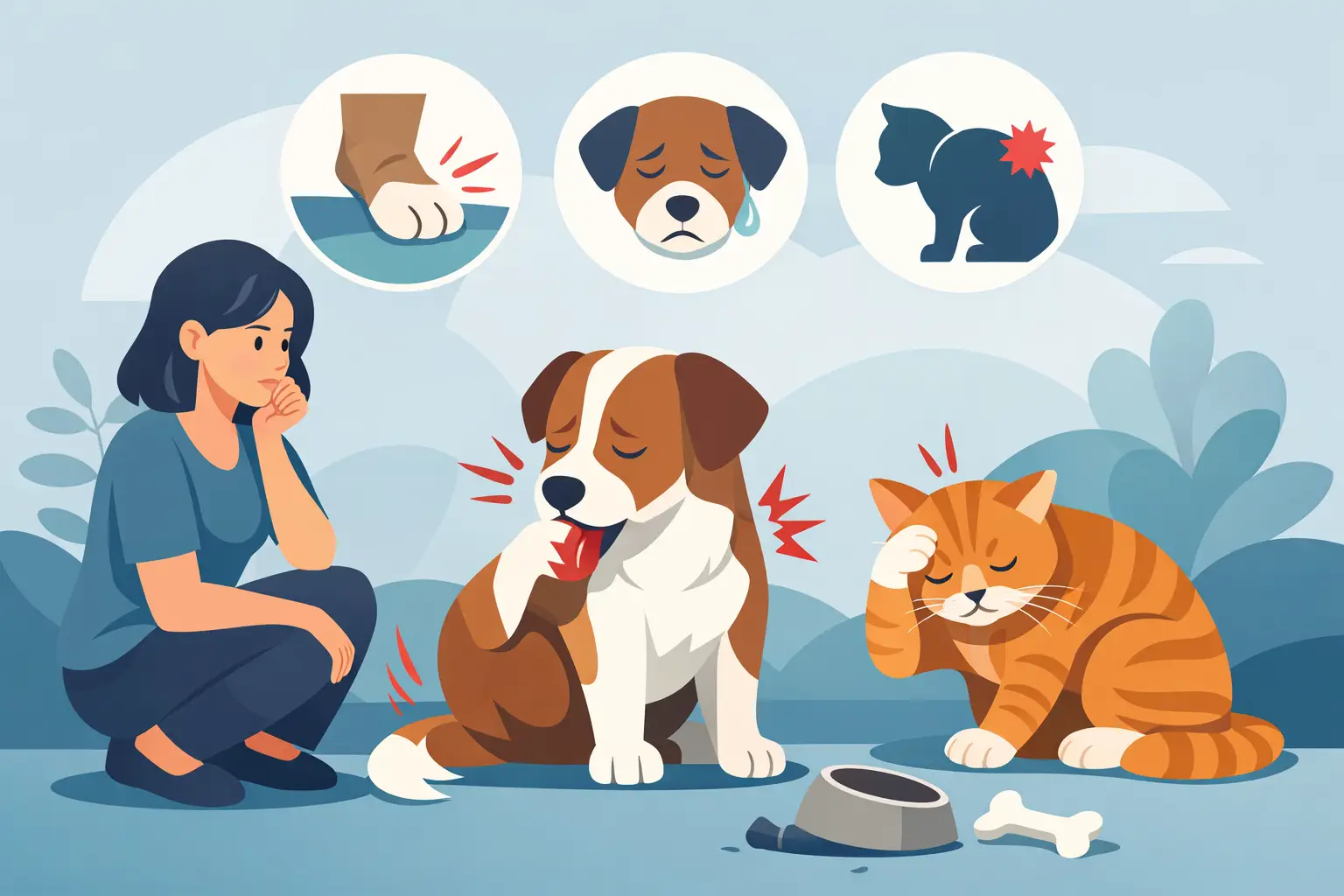
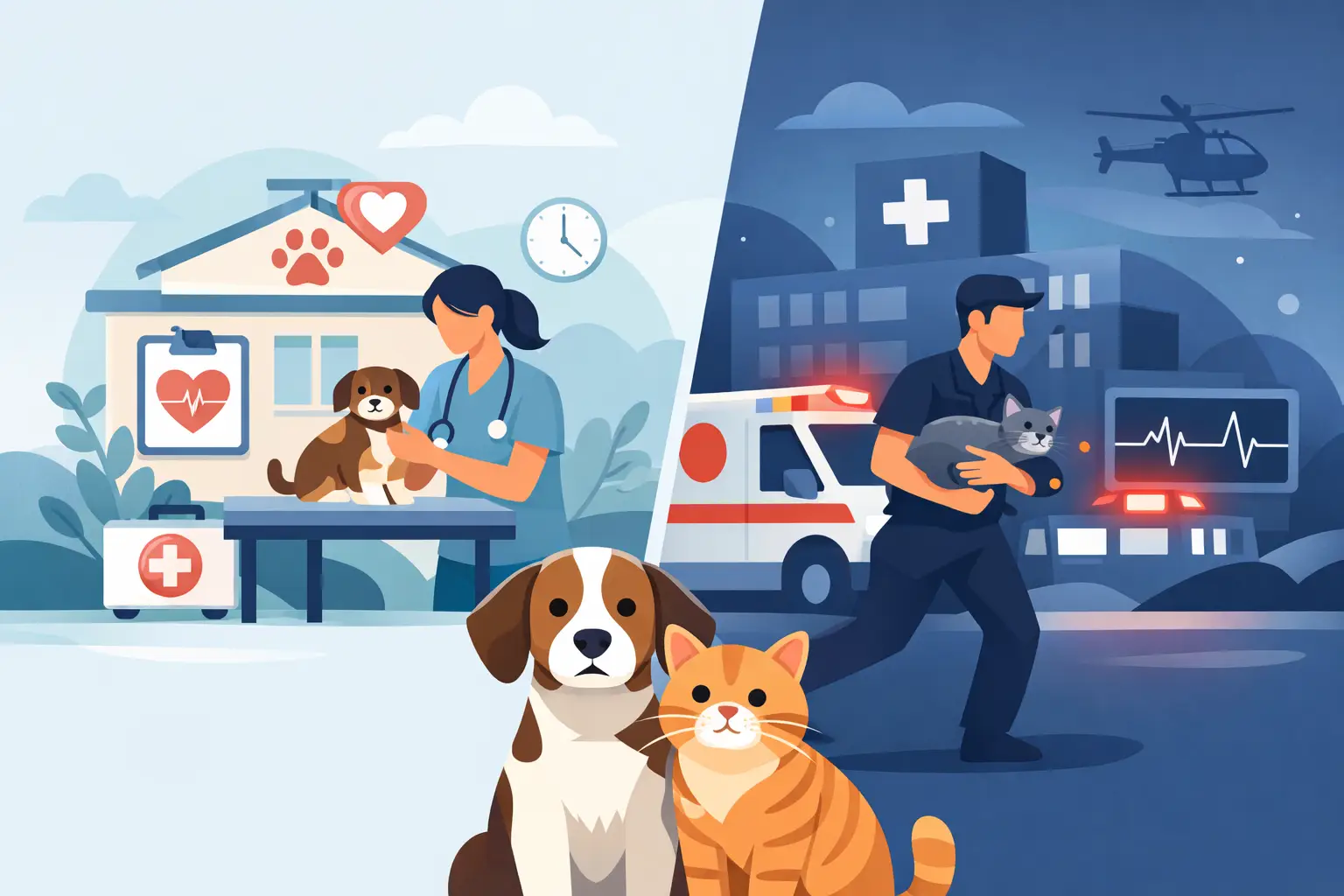
The above guide is specifically designed around routine veterinary care for your pet. However, if your pet is exhibiting any of the symptoms listed below, you should call your veterinarian and schedule an appointment for your pet as soon as possible (instead of adopting a “wait and see” approach).
- Changes in Appetite or Water Intake: If your pet is significantly less interested in food than usual or is drinking significantly more than normal (two times the usual amount).
- Major Behavior Changes: If your pet becomes suddenly aggressive, lethargic, or hides in unusual places (could indicate something serious).
- Lumps/Bumps on Body that Were Not Previously Present: If you find any lumps/bumps on your pet’s body that have appeared recently (within the last month) or are growing.
- Digestive Issues: If your pet continues to vomit or has diarrhea for more than 24 hours.
Conclusion
You know your pet the best. Your instinct is one of your greatest resources for caring for them. You have a lot of information available to you and your veterinarian (in the form of a calendar and vaccinations/health exams) will provide guidance, but your observations’ importance cannot be overstated.
Providing routine preventive health care is a gift you give to your companion; it’s an investment in their continuing to bring you morning snuggles, play fetch with you for hours, and sit on the couch with you when you’re done with the day. By being consistent about your/your pet’s health care record, you will create a path for your pet’s health to be achieved without too many bumps along the way.
If you are unsure about where your pet is in relation to their preventive care record (or if it’s been an extended period of time since your pet’s last visit for preventive care), the professionals of All Creatures Veterinary Center are here to assist you in ensuring your pet has a high quality of life at every age and phase.
FAQs
My cat is strictly indoors and never sees other animals. Does she really need a wellness exam every single year?
This is truly a good point! True, she is not getting germs to “socialize” from the park, but indoor cats generally are ‘masters’ at hiding discomfort. A yearly vet visit for your indoor kitty is not so much about the “outside” world as it is about kidney function, heart function and dental problems…problems that occur no matter what area they are from. Also, it is easier for us to fix a dental problem if we find it several months before it becomes something that has bothered your cat throughout the previous several months!
Annual bloodwork sounds expensive. Is it really necessary if my dog seems perfectly healthy?
You aren’t alone with your budget concerns! Blood testing is a way to discover what is going on inside your dog’s body… most pets have an instinct to hide illness or injury (it is a survival instinct) so by the time you are able to see that something may be wrong, usually it has progressed significantly. The routine laboratory tests will give us the “baseline” of what is normal for your dog as of today. If we have the “normal” for your dog, next year when there may be an indication of a problem, such as thyroid or kidney disease, we will be able to identify the beginning of the disease before your dog has even begun to show any signs of illness yet!
My dog is only 6, but he’s a Great Dane. Is he already a ‘senior’ who needs twice-yearly visits?
That is a great find! It’s true in Veterinary Medicine that SIZE MATTERS. Large breed dogs typically age faster than small. Example: A Chihuahua won’t be considered senior until about 10 years old, whereas a Great Dane and/or Saint Bernard will be considered senior around 5 – 6 years of age. If you have a large-breed friend, it may be wise to start getting them examined biannually before you would with small breeds to help keep their large hearts and joints healthy.
I missed my pet’s vaccine reminder by three months. Do I have to start the whole series over again?
Don’t beat yourself up—everybody has occurrences in their life that will make them want to “restart.” Depending on the vaccine you are looking at, you may or may not have to “restart.” For instance, there are certain vaccines, like the Rabies vaccine, that are required by law. There are also vaccines, like the “lifestyle” vaccines for kennel cough and Lyme disease that may require a booster shot to boost their immunity. If you give us a call, we will review your pet’s individual vaccination history so we can get them back on track in the simplest way possible.