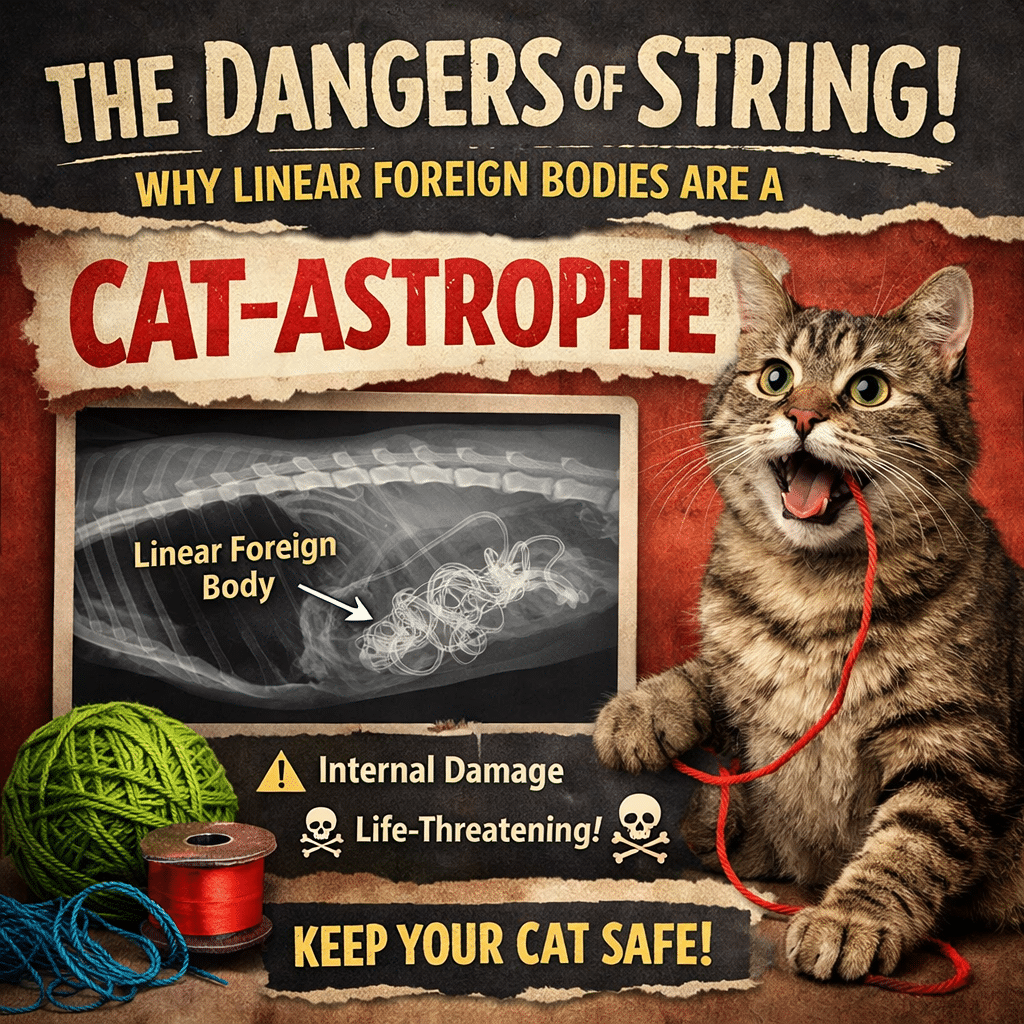
Cats often like to play around and run with the thread, string, and other everyday objects. These everyday objects look harmless but can cause serious injury to the cats. Cats can accidentally swallow these and then feel the discomfort and severe illness that must be treated by the veterinarian immediately.
If the cat ingests the string and other related materials, it can cause an emergency and can cause a linear foreign body obstruction. Strings are dangerous and can cause severe illness in the body that can be life-threatening as well if not treated properly. Strings are different from other materials and are dangerous for the digestive system and for other parts of the body.
In this blog, we will talk about the dangers of the string and why linear foreign bodies are a catastrophe.
How can strings cause serious internal damage?
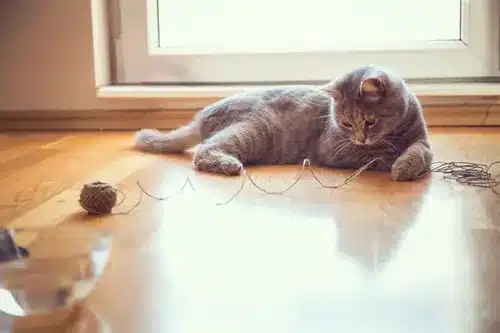
String can cause a lot of issues in the digestive tract and other areas in the cat’s body. Let us look at how strings can cause serious damage
The “Anchor” Problem
Swallowing the string can be dangerous for many reasons. When the cat swallows a piece of string, it does not completely go in, and one end of the string attaches to the other side, and not everything goes into the digestive system. Vets mainly check the area behind the tongue as they are aware that the string might be here only.
In some cases, the string gets attached to many other things as well, like the digestive tract and gastrointestinal area. This one end can cause many issues and damage inside the digestive tract of the cat.
The “Accordion” Effect
A cat’s intestines clearly break down meals through the digestive tract the usage of rhythmic contractions called peristalsis. When a string is anchored, the intestines keep seeking to push it ahead.
Because the string cannot circulate freely, the intestines start to swell and bunch along the length of the string. This causes the digestive tract to fold up in a sample much like an accordion or a bunch of material on a thread.
Over time, the tight string acts like a reducing cord inside the body. It slowly slices through the sensitive tissue of the intestines as they try to move. The string can cause internal damage and this can lead to bacterial infections.
This condition can quickly lead to a severe infection called septic peritonitis, which is often life-threatening and requires emergency surgery.
Do not pull the visible string from the cat’s mouth
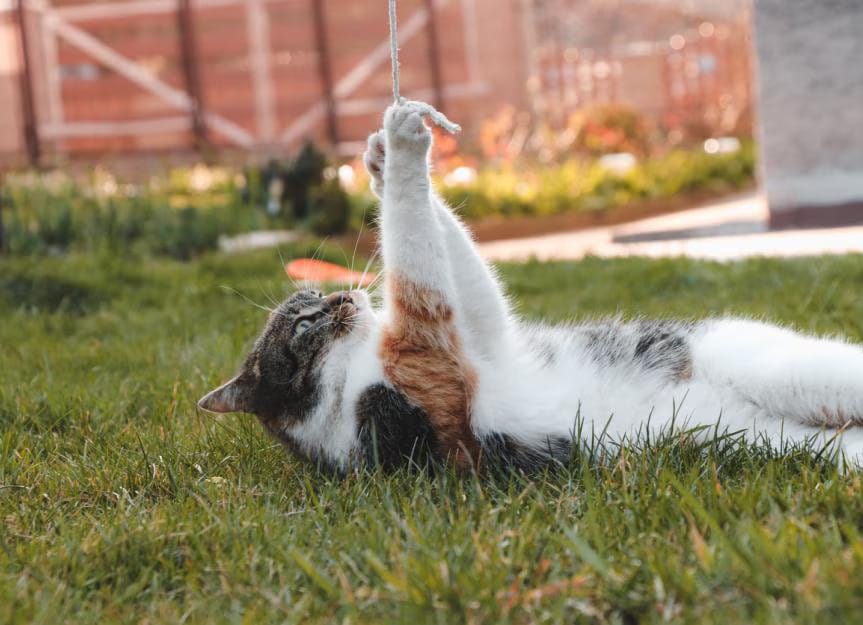
Make sure not to take out the string from the mouth on your own if you see the string. It can be dangerous as it can cut down the internal organs and intestines of the cat. You do not have the idea of the string being anchored to which part of the digestive system. If you try to pull it, it can cut down the intestine and cause serious damage to the internal organs, and can also become fatal for the cat.
The best option will be when you contact the nearest experienced veterinarian and take your cat to the center to make sure that it is easily removed with the help of experienced surgeons.
Common Household Items That Can Cause Linear Obstructions
There are several items in your surroundings and your household that can be dangerous for the cat.
Some of the most common causes include:
- The Yarn or knitting thread is very dangerous for the cats and can cause them serious issues if swallowed while playing.
- Sewing thread and needles are again dangerous and must be kept away from the reach of the cat.
- Dental floss is another harmful thing that can cause various issues to the skin.
- Holiday decorations such as tinsel and ribbon will also become dangerous for the cat of swallowed.
- Some strings are attached to the toys that can be harmful while playing with them
- Rubber bands are very dangerous and can cause severe digestive issues.
- Hair ties or elastic bands can cause severe damage to the body or digestive system if swallowed by the cats.
The only way to protect your cat from these is to hide these items away from the reach of the cat so that they do not play with them, and always provide the best area for the cats to play.
Make sure to immediately talk to the veterinarian if your cat has swallowed any dangerous material like string or yarn. Seek immediate medical attention.
Caring for Your Pet After GI Blockage Surgery
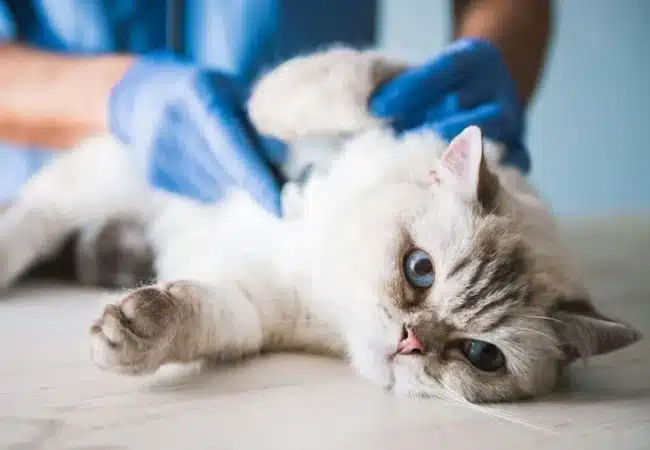
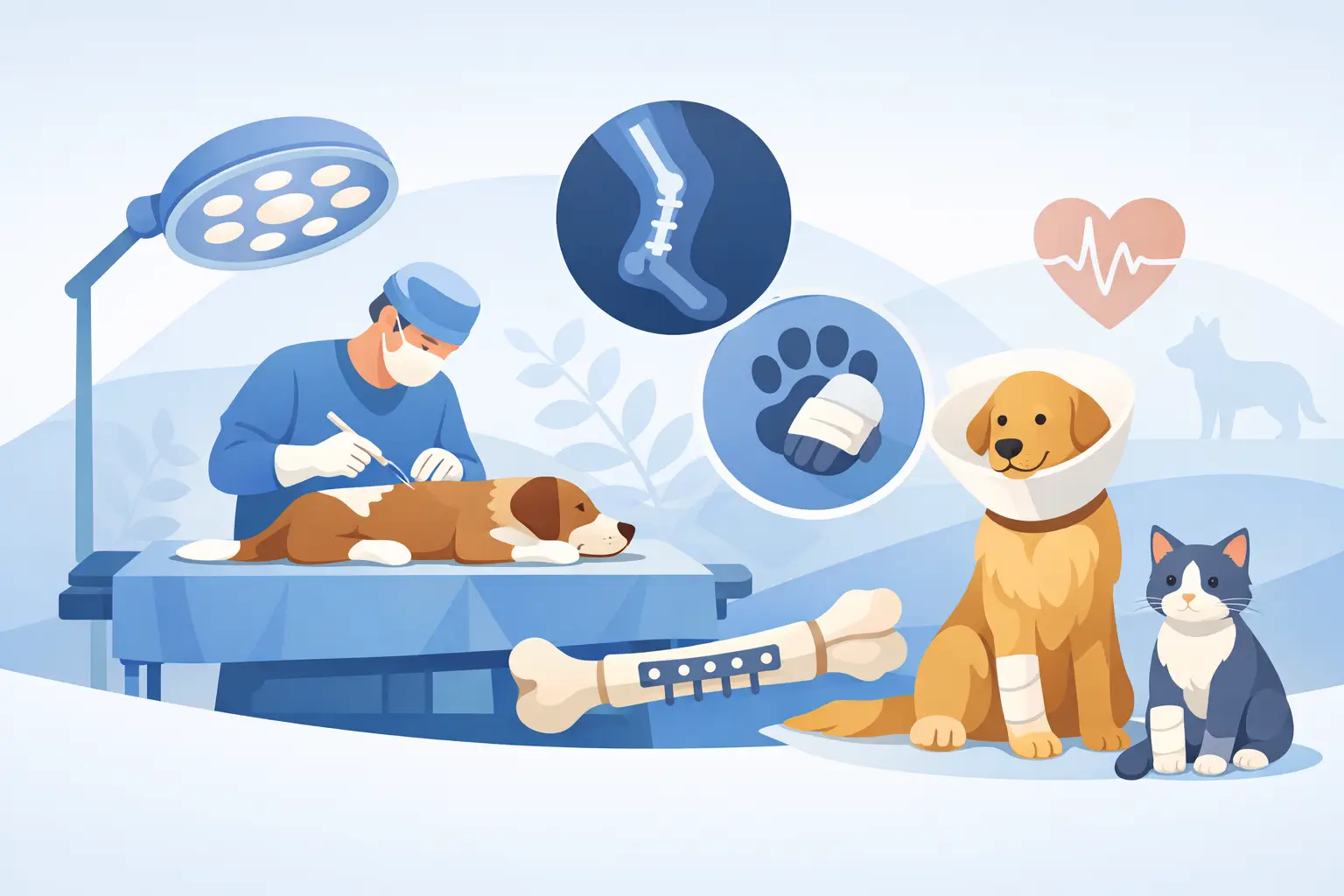
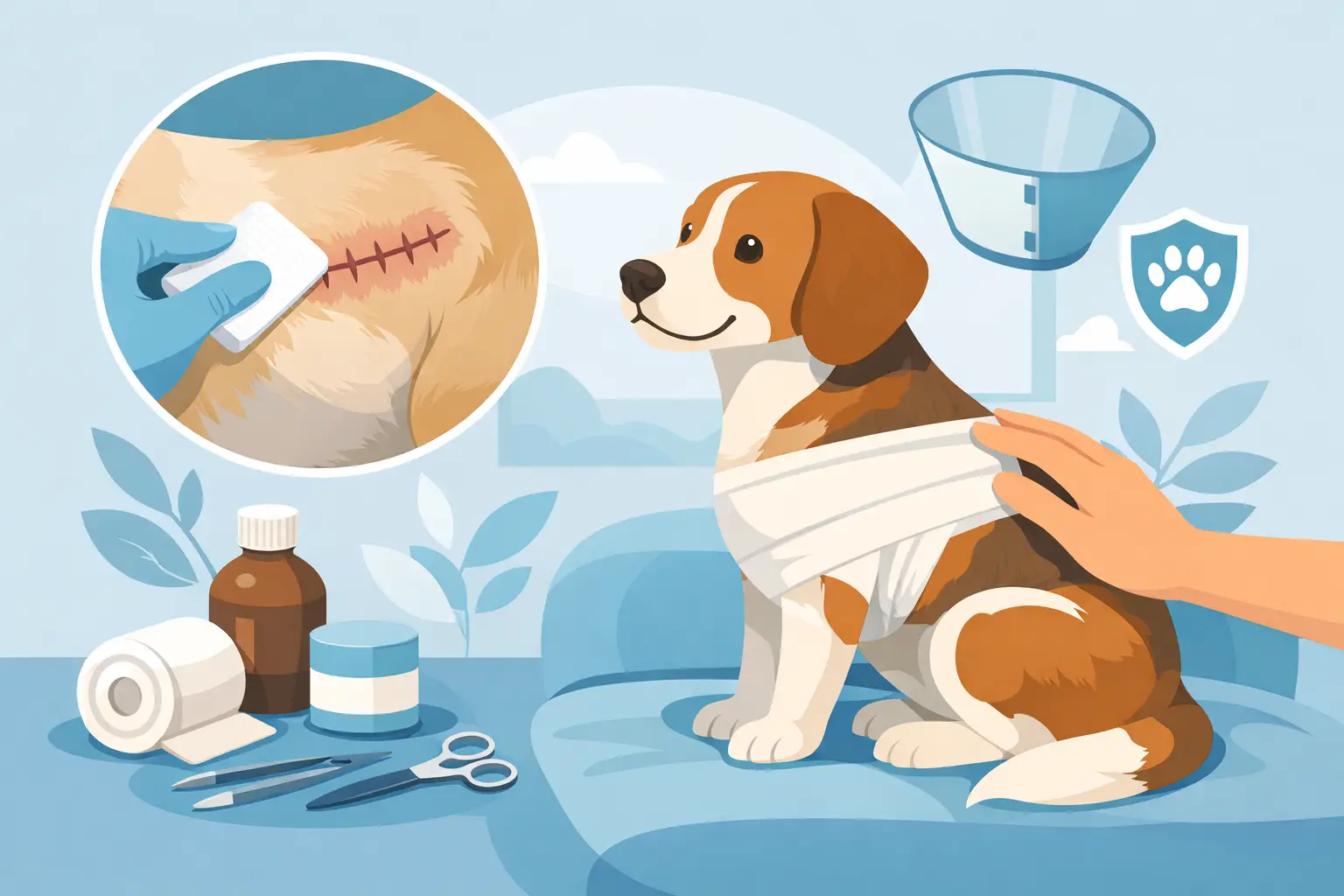
There are situations where your pet will require surgery on the gastrointestinal area. After the surgery is done, it will need a huge amount of care from the pet owners. The recovery of the dog is dependent on the quality of care and timely medicine received by them after the surgery. Surgery is done to remove the immediate risk for the cat and to allow it to fully heal after surgery. Proper aftercare for the cat ensures that your pet heals safely and avoids complications further in life.
The cat recovers perfectly when the pet owner provides the highest care to them. They have to make sure to properly monitor their condition regularly and help them in recovery. It is recommended to talk to the vet if there are any complications during the recovery.
Creating a Safe Recovery Area in the house
When the pet is done with surgery, vets will suggest that they move it into a quiet and clean area in the house that will help with better sleep and recovery.
Dedicate a small area to your pet in the house that is safe and clean. It can be a crate, kennel, or quiet room. Make sure the area restricts the unnecessary movement of your pet. Your pet needs to be relaxed in order to fuel the quick recovery.
Limiting space also reduces the risk of leaping, going for walks, or unexpected moves that could pressure the surgical area in the cat’s body.
Expectation for the cat on the first two days
Immediately after the surgery, you have to take care of the pet. The two days after the surgery are very crucial. It is when your pet will be very fatigued and sleepy due to the painkillers and the aftereffects of anesthesia. During this period, make sure to feed them very light food as guided by the vet due to a weak digestive system.
Once your pet has recovered from the pain and fatigue, you can feed them in small portions so that it does not lie and heaviness in the stomach and digestive system.
Some pets vomit after eating food, and this can be a danger sign. Make sure to talk to your vet if there are any signs of vomiting and prolonged fatigue.
Essential Care Guidelines for the Next Two Weeks
Following a strict care routine during the first two weeks after surgery greatly improves healing and reduces complications.
Limit Physical Activity
- Limit Physical Activity: You have to limit the physical activity of the pet for 2 weeks. Make sure they only sit at their place and do not jump or do any vigorous physical activity.
- Check the Surgical Incision Daily: It is highly recommended to check the site of the surgery and note the healing process. The incision area must be clean and should not have a big swelling. The area must be clean.
- Keep the Protective Cone On
It is highly mandatory to follow the proper medication
Medicines like the painkillers and antibiotics play a crucial role in speeding up the recovery. This helps to keep the cat clean and eliminates the chances of any bacterial infection and improper healing. Follow the right instructions from the vet and take medication on time for the right time interval.
What are the signs that must call for immediate veterinary care?
The recovery process is very important. Most of the pets recover smoothly without any issues, but if you see the following symptoms, you need to talk to the vet.
- If the pet is experiencing continuous vomiting after the surgery and is not eating properly.
- They are refusing meals for a prolonged period.
- The pet is extremely tired and weak and is not able to recover completely.
- The incision site is not healed properly and is bleeding or has opened.
Follow-up appointments are crucial
A follow-up appointment is very crucial for the pet’s recovery. There will be a follow-up checkup with the vet to assess the healing process and the incision site. The vet will properly check the area and recommend some safety measures to the pet owners. Always follow those instructions to contribute to the healing of your pet.
Blockquote
Even a small piece of string can be life-threatening for cats when swallowed.
Conclusion
String and other harmful objects that seem playful for the cat can be life-threatening and dangerous. If your cat has swallowed any harmful object, take them to the vet immediately to make sure they are given the right treatment. Get rid of all the harmful objects from the house that can harm your pet.
All Creatures Veterinary Center is a one-stop solution for all your pet’s problems. We are a veterinary hospital that provides all types of care to pets. We have experienced professionals who provide the right treatment for your pet. Feel free to go to the veterinary center for your pet’s screening and for any issues they are facing.
Veterinary Center – All Creatures Veterinary Center
Address – 22722 Lyons Ave #5, Newhall, CA 91321
Phone – (661) 291 – 1124
Frequently asked questions
Which is the best veterinary center for pets in California?
All Creatures Veterinary Center provides the best veterinary treatment for your pet in California.
What are the main symptoms of cats swallowing the string in the first place?
They will feel fatigue, pain in the stomach, vomiting, and a string visible from the mouth as well.
What should be the first step if the cat has swallowed the string?
If the cat has swallowed the string, you can directly take them to the vet and see what they recommend.
Will there be a mandatory need to consult a veterinarian?
Yes, there will be a need to consult the veterinary doctor as cats will not pass the string through the stool. It will be stuck in the body and can cause damage to the intestines and other parts.
How much time will it take for my pet to recover after the surgery?
It can take many weeks for your cat to recover fully.