Ever wonder how a vet knows what’s going wrong when a pet can’t explain it themselves? That’s where veterinary pathology comes in. It’s sort of the “medical detective work” that tries to get at the why and how behind animal diseases. It’s not just seeing a sick pup; it is the scientific underpinning that allows doctors to move beyond guesswork and develop a proper treatment plan.
From standard blood work to complex biopsies and the full necropsy, it is in the pathologist’s hands that vague symptoms find their ultimate resolution. In 2026, the field is fantastically advanced — full of sophisticated digital imaging and molecular tools that snare diseases at ever earlier stages. Whether it’s to stop a local outbreak or to nurse the family cat back to health after a mystery illness, veterinary pathology is the vital science helping us keep our furry, feathered, and scaly friends safe from the inside out. Here in this blog, we provide you with the complete explanation on how diseases are diagnosed in animals by Veterinary pathology.
What Is Veterinary Pathology?
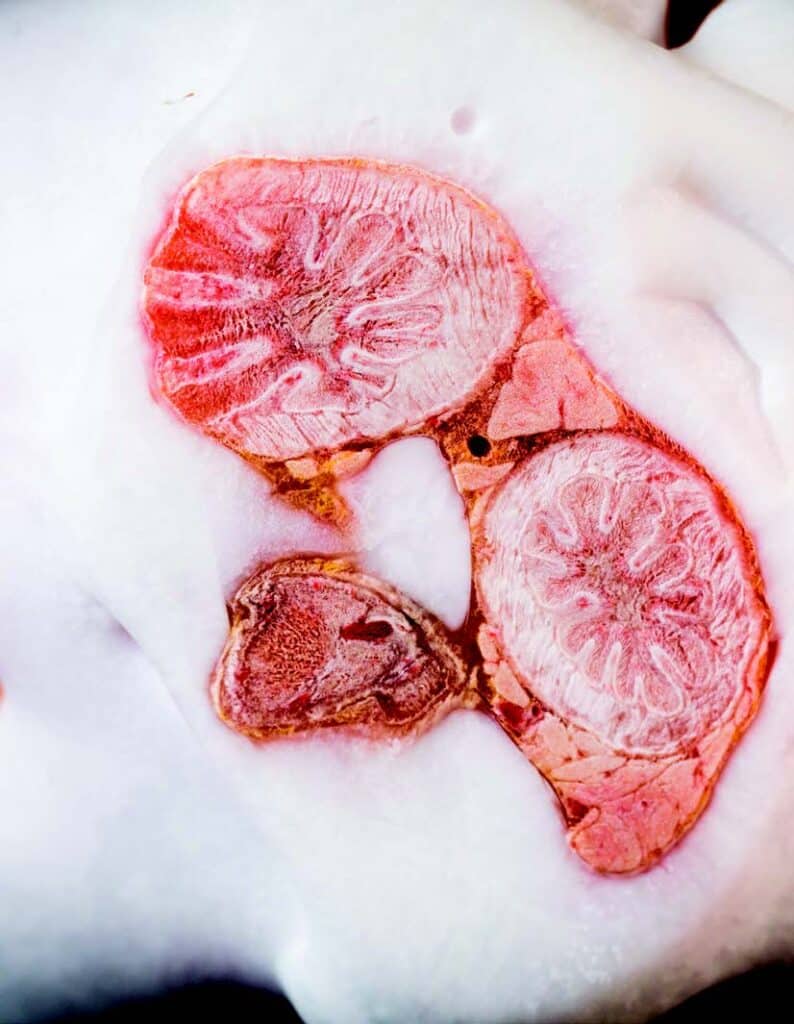
Structure and scope Veterinary pathology is the branch of veterinary medicine that deals with the study of diseases in animals:
- Causes of disease
- Mechanisms of disease
- Tissue structural and functional changes
- Effects of Disease on the Entire Body
Pathologists interpret lab tests and examine tissue samples to provide accurate diagnoses for treatment and/or prognosis.
Why Veterinary Pathology Is So Important
Veterinary pathology allows veterinarians to:
- Confirm or rule out diseases
- Discover diseases early (Even before harsh signs emerge!)
- Choose the most effective treatment
- Monitor response to therapy
- Understand causes of death
- Improve disease prevention strategies
Without pathology, veterinary medicine would be making a lot of wild guesses.
Main Branches of Veterinary Pathology
Two main branches of veterinary pathology serve the vital function of diagnosis:
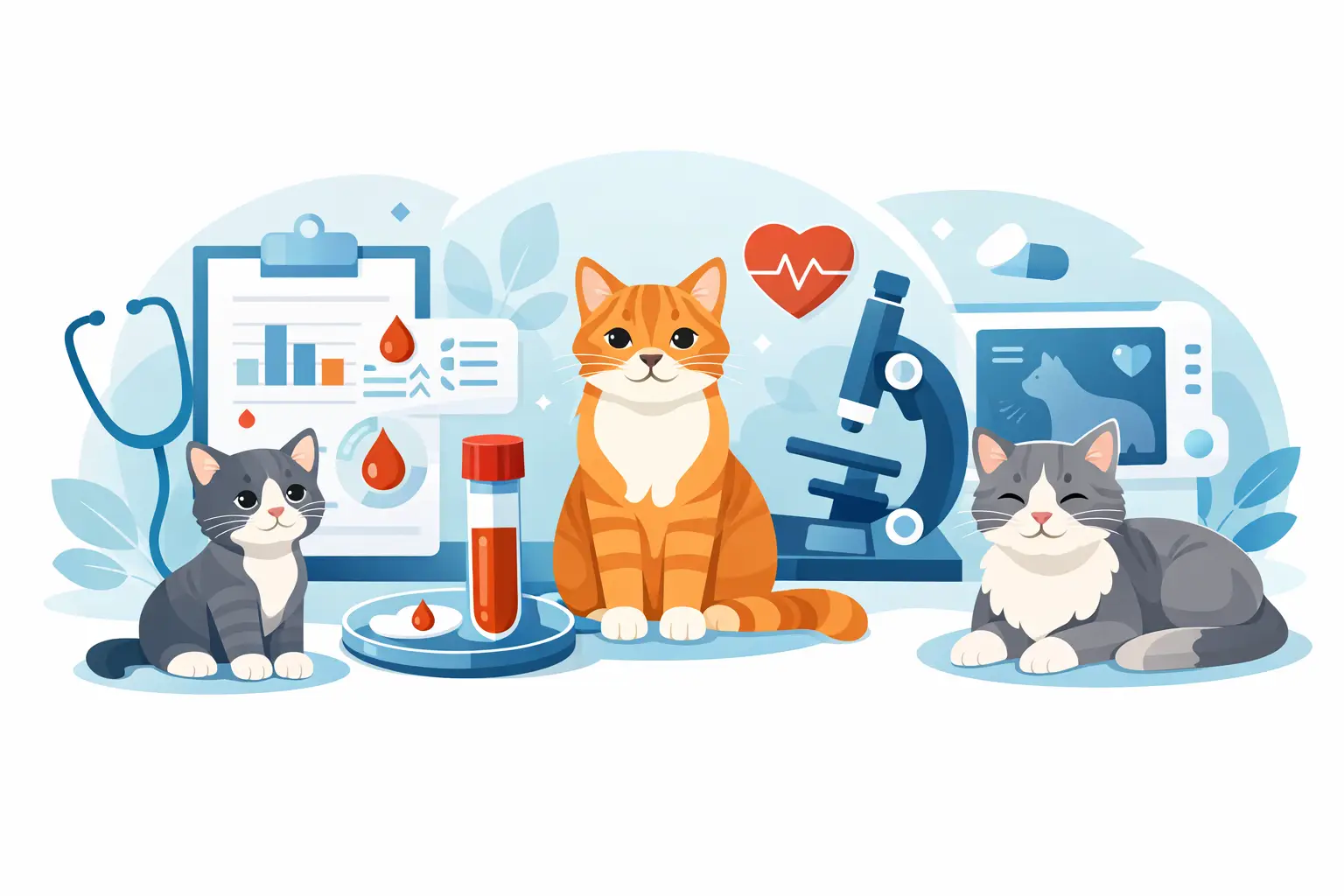
Clinical Pathology
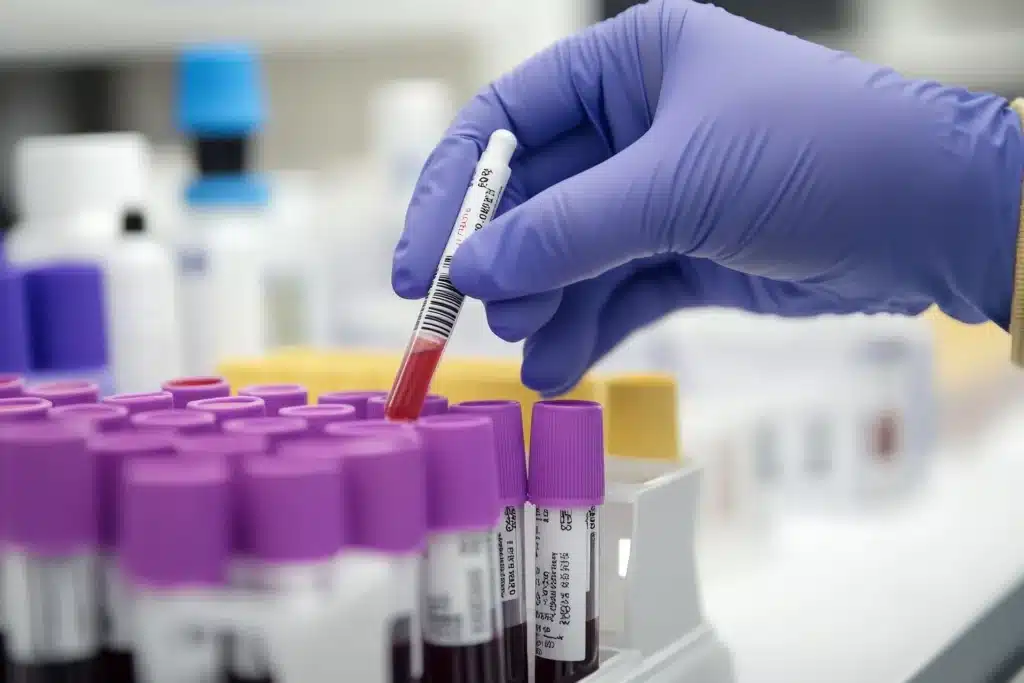
Clinical pathology is the examination of blood, urine, and excrement.
Common Clinical Pathology Tests
- Complete blood count (CBC)
- Blood chemistry panels
- Urinalysis
- Coagulation tests
- Cytology (cell examination)
What Clinical Pathology Reveals
- Infections and inflammation
- Anemia and clotting disorders
- Kidney and liver function
- Electrolyte imbalances
- Endocrine diseases (diabetes, thyroid disease)
Clinical pathology is frequently utilized as the initial step in disease detection.
Anatomic Pathology
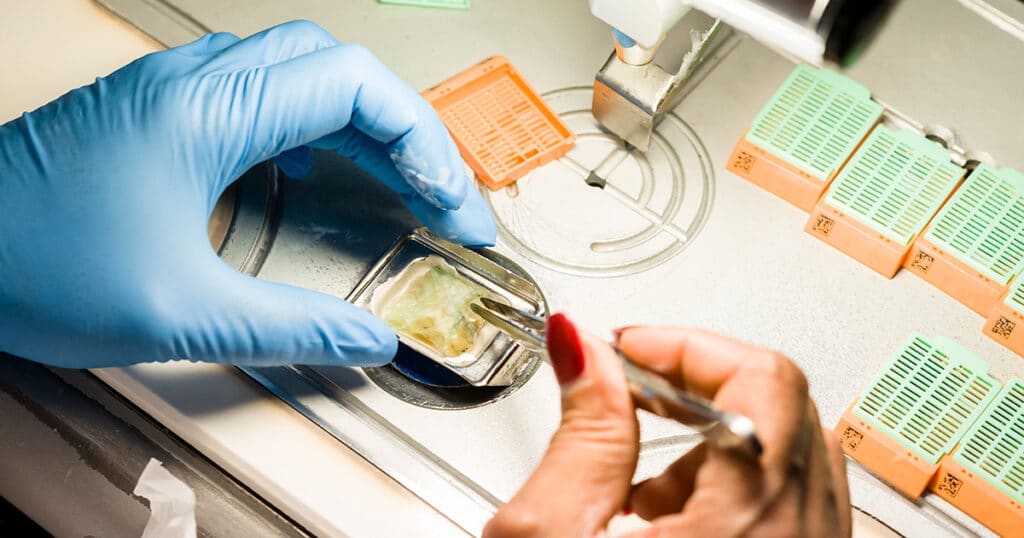
Anatomic pathology studies tissue or organ samples in order to discern the effects of disease.
Types of Anatomic Pathology
Histopathology
- Microscopic examination of tissue biopsies
- Also employed for the diagnosis of organ damage, cancer, and inflammatory disease
Cytopathology
- Single cell analysis (e.g., in fine needle aspirates)
- Now a lump, masses, lymph nodes, Sting and fluid analysis.
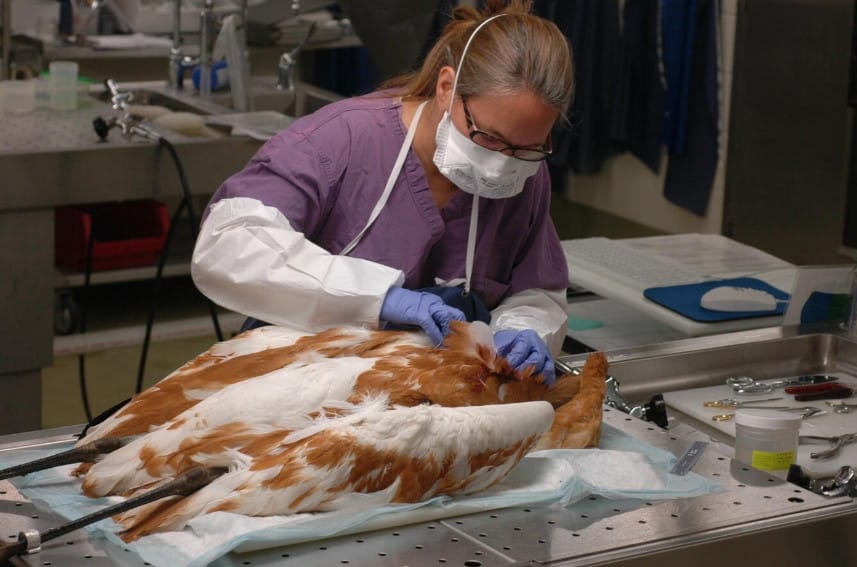
Necropsy (Animal Autopsy)
- Postmortem examination of the body
- Determines the cause of death
- Detects genetic, infectious, or toxic diseases
When imaging and blood tests are insufficient, anatomic pathology provides definitive diagnoses.
How Veterinary Pathologists Work
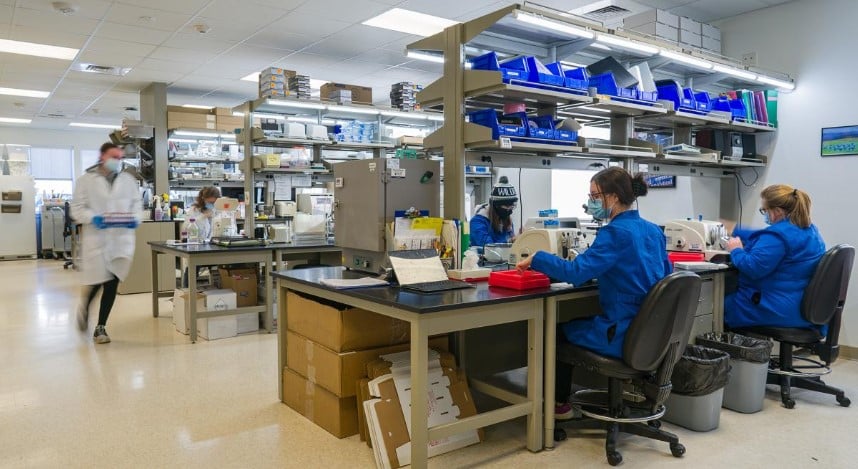
Veterinary pathologists:
- Receive samples from veterinarians
- Laboratory processing and preparation of samples
- Observe cells or the microscopic analysis of tissues
- Interpret findings using medical knowledge
- Provide detailed diagnostic reports
These reports provide direction to veterinarians regarding appropriate treatments.
Common Conditions Diagnosed by Veterinary Pathology
Veterinary pathology is important for diagnosing:
- Cancer and tumors
- Infectious diseases
- Autoimmune disorders
- Kidney and liver disease
- Endocrine disorders
- Gastrointestinal disease
- Blood and clotting abnormalities
There are so many diseases that cannot be diagnosed well without pathology.
Veterinary Pathology vs Imaging
| Veterinary Pathology | Imaging (X-ray, Ultrasound) |
| Identifies cellular changes | Shows structural changes |
| Confirms disease type | Suggests disease presence |
| Definitive diagnosis | Supportive information |
| Guides treatment choices | Guides next diagnostic steps |
Both matter — but pathology typically has the last words.
How Veterinary Pathology Helps Pet Owners
For pet parents, pathology:
- Explains why a pet is sick
- Helps predict outcomes and survival
- Guides treatment decisions
- Prevents unnecessary medications
- Provides closure after loss
Reading pathology reports arms owners with knowledge on which to base decisions.
When Is Veterinary Pathology Needed?
Pathology may be recommended by your veterinarian when:
- Blood tests are abnormal
- A lump or mass is found
- A Pet is Not Getting Better.
- Chronic disease is suspected
- A pet passes away unexpectedly
Pathology answers what predetermined physical examinations cannot.
Veterinary Pathology in Preventive Care
You don’t have to be sick with three-days-to-live rabies for a pathologist to get your number.
Preventive uses include:
- A Routine blood work for senior pets 7 years of age or older
- Early warning of kidney or liver disorders
- Monitoring chronic conditions
- Pre-anesthetic testing
Early detection saves lives.
Final Thoughts: Veterinary Pathology Is the Backbone of Diagnosis
Behind each proper diagnosis in animal health is veterinary pathology. It links clinical observation to the pathogenesis of disease, and makes certain that pets receive appropriate, evidence-based treatment.
From the diagnosis of cancer to the care for a pet’s final illness, veterinary pathology is critical to good veterinary practices in Australia. We use this essential knowledge here at All Creatures Veterinary Center to ensure all pets receive the best care possible.
FAQs
My vet already did an exam. Why do we need a pathologist, too?
Your vet is, after all, your highly-trained GP, and the pathologist gets to be the specialist “detective” working behind the scenes. Your vet can spot the symptoms — a lump, or a shift in behaviour — but the pathologist reads between the lines and looks into cells to diagnose the condition. It’s the difference between seeing a “check engine” light and being able to dig into the actual engine and find the broken wire.
How long does it actually take to get results back?
It takes around 7 days. Samples are sent by special couriers to the large labs (IDEXX or various University labs). If the pathologist requires “special stains” to be able to make out a particular kind of rare infection or cancer, it may take an additional couple of days.
If the results come back ‘inconclusive,’ does that mean the test failed?
Not necessarily. “Inconclusive” typically refers to a sample not having enough “clues” to point definitively in one direction or the other. This can occur if the sample was primarily inflammation, or if the needle missed the core of a tumour. In such cases, the pathologist frequently recommends a larger biopsy for a clearer picture.
Is a necropsy just for research, or should I consider it for my pet?
It’s a deeply personal decision. An animal autopsy, known as a necropsy, can offer closure by explaining a sudden death. It’s also very useful to do so if you have other pets at home, as it can help rule out contagious diseases or environmental toxins that other members of your furry family might be exposed to.
Will a pathologist’s report tell me exactly how to treat my pet?
The report provides the diagnosis (what it is) and the prognosis (how it’s expected to behave). It’s up to your local vet to then take that information and factor it into account with what they know about your pet’s age, weight and overall health so that a sound treatment plan can be ordered.