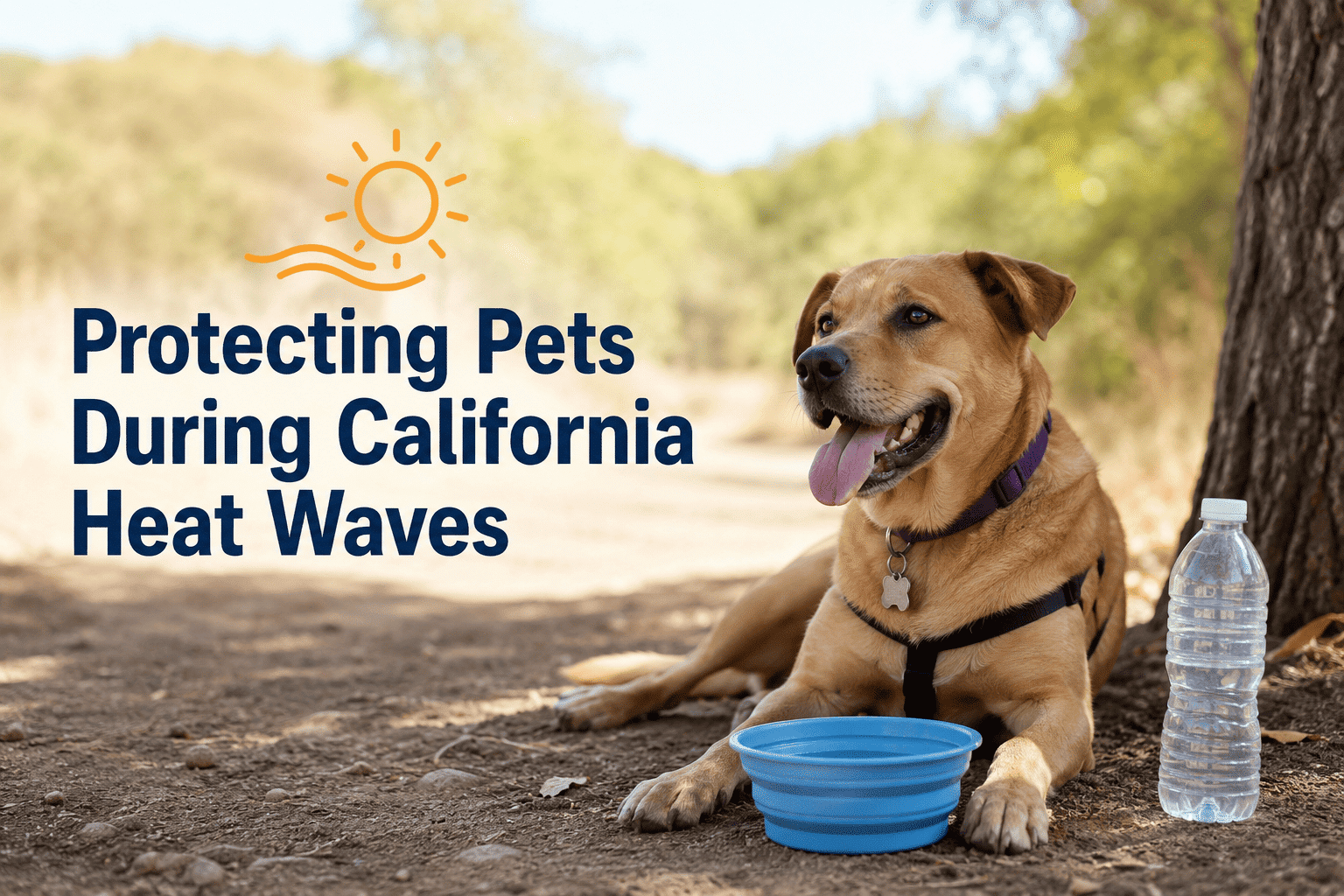
Protecting Pets During California Heat Waves – California heat waves may be tough for everyone, but they can be extremely hazardous for pets. In high temperatures that are becoming more common in the state, dogs, cats, and other animals kept at home are prone to suffering from dehydration, heat exhaustion, and even fatal heat stroke. Since pets cannot control their body temperature in the same way people do, so protecting pets during California heat waves become crucial. You should pay special attention to animal care during the hot weather.
Regardless of whether you reside in Southern California, the Central Valley, or coastal areas that have recently been hit by an unexpected rise in temperatures, knowing what you can do for your pet during these conditions may be critical.
Why California Heat Waves Are Dangerous for Pets
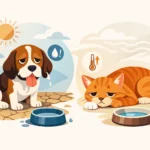
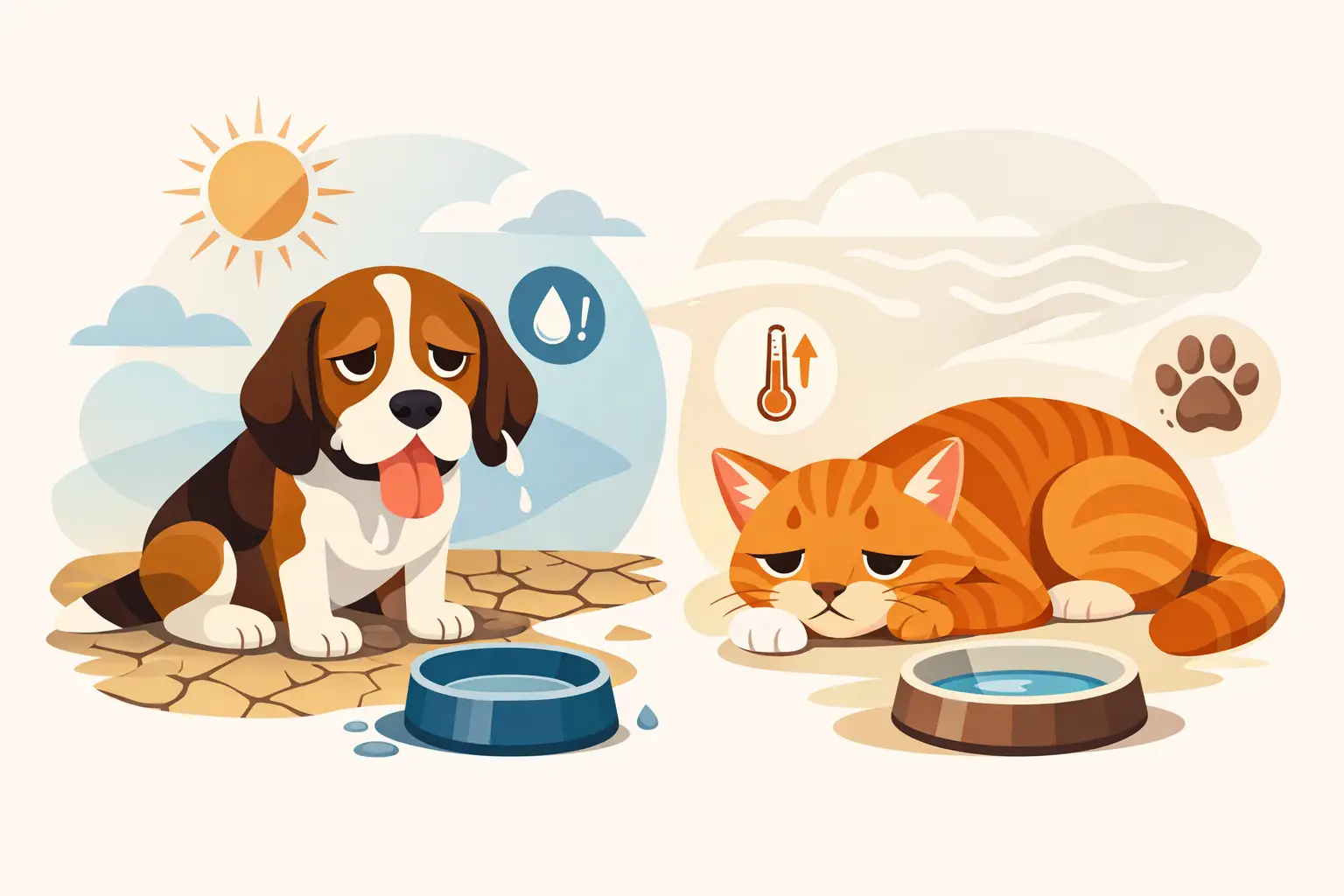
In recent years, heat waves in California have increased both in frequency and intensity. The high temperatures may become especially dangerous for pets because they are unable to cope with the rising temperatures.
Dogs use panting to regulate their body temperature, while cats use both grooming and limited perspiration from their paws to reduce body temperature. However, if the temperatures exceed certain limits, they might prove to be ineffective. Some pets are even at increased risk since:
- Senior pets
- Puppy and kitten
- Overweight pets
- Brachycephalic breeds such as Bulldogs, Pugs, and Persian cats
- Animals suffering from respiratory or heart disease
“If it’s too hot for your hand to touch the ground for a few seconds without feeling uncomfortable, it’s too hot for your pet’s feet.”
Important Points to Consider When Protecting Your Pets From Extreme California Heat Waves
1. Always Provide Clean Water to Your Pet
Staying hydrated is the main way to avoid heat-induced illnesses. Make sure that your pet has access to clean, cold water at all times. You may place several water bowls around your house and garden in case you have a lot of land space.
Adding some ice cubes to your pet’s water bowl will make the water colder for a longer time.
2. Don’t Walk Your Pets Between Peak Heat Hours
Walking, exercising, or playing outside should only be done either very early in the morning or after dusk when temperatures are considerably cooler.
Between 10 a.m. and 4 p.m., California’s sun usually shines at its strongest.
3. Take Care of Your Pet’s Paws
Asphalt, concrete, and even sand can seriously hurt their paws in just a few seconds because of the extreme temperatures. Do a “five-second test” where you touch the ground with the back of your hand before leaving the house to see whether it is too hot for you.
Whenever possible, take walks through the grass, shaded trails, or cooler ground.
4. Don’t Leave Pets Inside a Parked Car
Even with windows left slightly open, temperatures inside a parked car will become deadly within several minutes, which may result in heatstroke or organ failure.
Leave your pet at home in a cooler environment whenever running an errand is required.
5. Create a Cool Inside Environment
Whenever there is an extreme heat advisory, ensure that the pet stays inside. Cool off your pet using air conditioners, fans, cooling pads, or even cold towels.
If you have pets in the outside environment, be sure to give them enough shade to protect them from the changing positions of the sun throughout the day.
6. Groom Your Pet Properly
Grooming plays an important role in helping your pet lose extra hair and facilitate better ventilation. However, do not completely shave a pet that is double-coated, as they act as insulation for the hot temperatures.
7. Pet-Friendly Sunscreen Products
Pet owners will be surprised by the fact that their pets can suffer from sunburn. In particular, light colored pets and those with short coats are more vulnerable to sunburns.
It’s advisable to apply veterinarian-approved pet-friendly sunscreen in those areas exposed to sun rays, such as the nose, ears, and stomach.
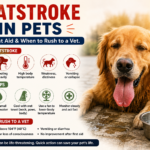
Heatstroke Symptoms in Pets
A heat stroke in dogs is a life-threatening condition. Should you observe any of the following signs, contact your vet at once:
- Heavy panting
- Fast breathing
- Salivation
- Gums that are bright red or white
- Weakness or lethargy
- Vomiting and diarrhea
- Disorientation
- Collapse or seizures
Swift action can make a huge difference in the chances of recovery.
How to Help an Overheating Pet
In case your pet is suspected of suffering from heatstroke:
- Place him in the shade or in an air-conditioned place.
- Give some cool (never ice-cold) water.
- Cool your dog’s paws, belly, ears, and neck with cool water.
- Use a fan to enhance air flow.
- Visit a vet clinic right away.
Do not use ice baths and excessively cold water because a fast shift in body temperature may worsen the condition.
Heatwave Safety Precautions
- Have your vet’s emergency contact number nearby.
- Use cooling vests when going outdoors.
- Offer your pet some frozen pet snacks on very hot days.
- Check on your senior pets more often.
- Never tie your pets outdoors when there are extreme heat advisories.
- Dehydration symptoms include dry gums and excessive thirst.
Taking necessary precautions will make California pet owners’ summer a lot easier.
Conclusion
Preparation and awareness go a long way in protecting our pets from heat dangers when we have heat waves in California. With proper preparation, it will be easier to keep pets hydrated, limit exposure to outside heat, and notice the onset of heat dangers in order to avoid more serious problems that could lead to an emergency.
If you would like to learn more about caring for your pets throughout the year or any veterinary help, then All Creatures Veterinary Center can offer you the assistance you need as an experienced and compassionate veterinary center.
FAQs
When is too much heat considered unsafe for dogs in California?
Temperatures greater than 85 degrees Fahrenheit (29 degrees Celsius) are considered dangerous, more so for breeds that have difficulty breathing, elderly dogs, and any dog with pre-existing illnesses.
Are cats susceptible to heat exhaustion during heat waves?
Yes, while cats do tend to look for a cool place, they can still experience heat exhaustion and heatstroke.
Is it safe to take my dog out on a walk in a heat wave in California?
Dogs should not be taken out on walks between noon and late afternoon. Instead, you should only take your dog out in the morning or evening hours.
What are the first symptoms of heatstroke in animals?
Some early signs of heat stroke include excessive panting, heavy salivation, sluggishness, quickened breath rate, and red gums.
Should I keep my pets indoors in case of excessive heat warnings?
Pets are usually safer if they remain inside. Ventilation or air conditioning can be very helpful during extreme heat warnings.