Summer time can create health and safety issues for many different types of pets (dogs, cats, rabbits, etc.) all of whom could potentially experience heat stress or heatstroke due to high body temperatures (especially in the warm summer months). Unlike humans, animals do not cool themselves through perspiration so they are more susceptible to overheating, dehydration and heat-related illness.
Heat stroke in pets is a medical emergency and if not treated promptly, the damaging effects of overheating combine to affect organs and brain function and may ultimately become life-threatening. Being able to identify warning signs of heat-related illness and knowing the proper course of action will provide you with a better chance of saving the life of your pet.
In this blog, we will talk about Heatstroke in Pets: Signs, First Aid & When to Rush to a Vet
What is Heat Stroke in Animals?

When an animal’s body temperature reaches a level that exceeds safe limits, the animal will experience heat stroke. The most common times for animals to experience overheating are during extreme heat, performing strenuous activity or being confined in an improper (inadequately ventilated) area (e.g., inside a parked vehicle).
While dogs are the most commonly seen type of animal to experience heat stroke (because dogs primarily pant to assist with cooling), dogs that have short muzzles (Bulldogs, Pugs, Shih Tzus, etc.) have defined breathing difficulties which expose them to an even greater risk for heat stroke.
Although less commonly reported as occurring than in dogs, cats can develop heat stroke as well. Increased risk of developing heat-related illness exists with older animals, overweight animals and/or animals with pre-existing heart or respiratory disease.
Overheating in Pets Results from a Variety of Reasons
There are many different types of circumstances that can cause pets to overheat. Here are just a few:
- Being left alone in a parked vehicle.
- Engaging in physical activity such as walking or exercising when it is hotter out.
- Not having access to fresh, clean drinking water.
- Staying in an area that does not have good air circulation.
- High humidity.
- Having a fur coat that is too thick when the temperature is too high.
- Even a few minutes spent in extreme heat can be dangerous.
Symptoms of Heat Stroke in Pets
It is very important to remember to identify symptoms of heat stroke in your pet as early as possible. Some symptoms can develop very rapidly while other symptoms can take several minutes to develop into something serious.
Some Early Symptoms Include:
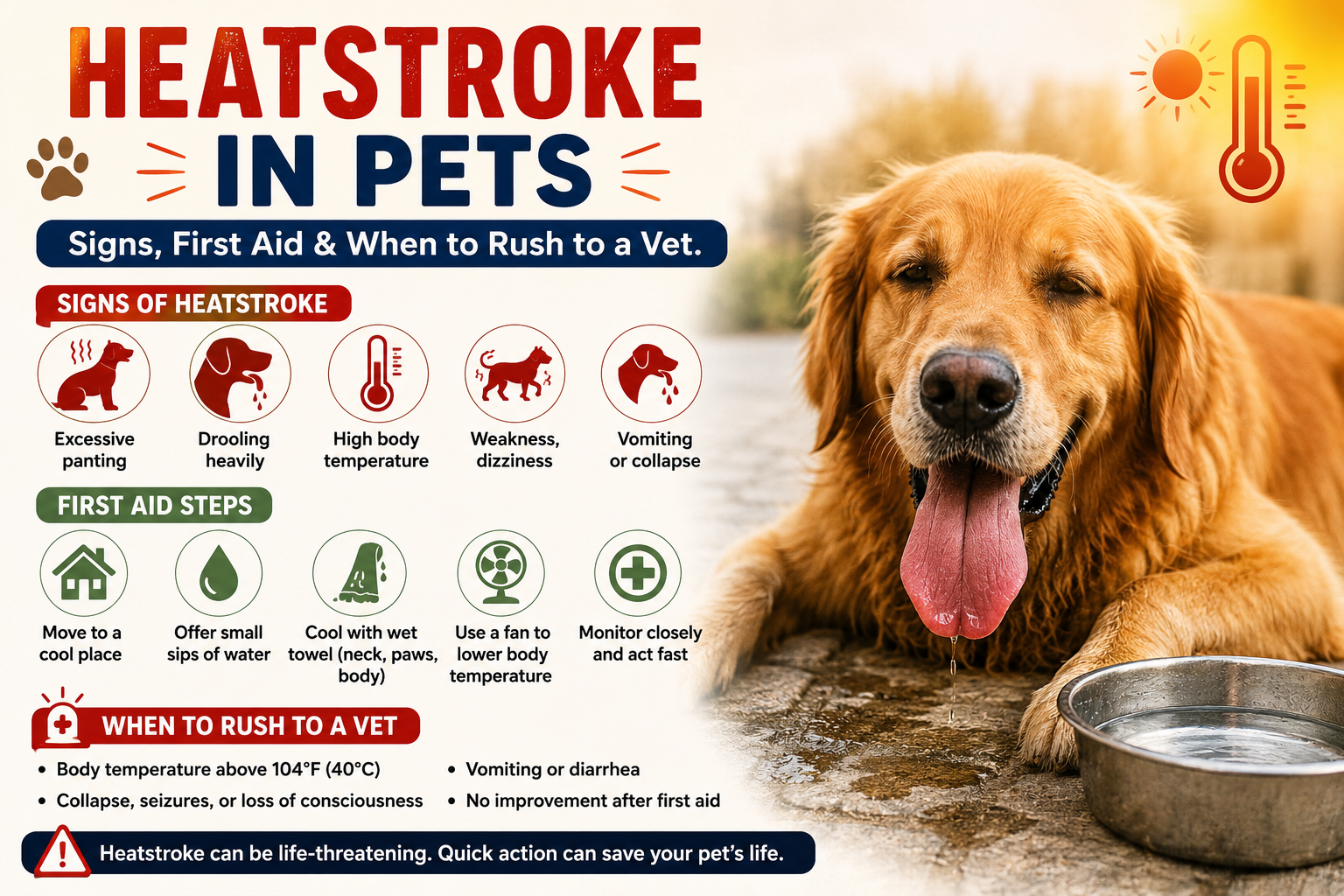
- Excessive panting
- Excessive drooling
- Bright red gums and/or tongue
- Restlessness
- Severe fatigue
- Rapid heart rate
Some Serious Symptoms Include:
- Vomiting/diarrhea
- Struggling to breathe
- Dizziness/confusion
- Collapse
- Seizures
- Unconsciousness
If you see your pet showing any signs of either serious or non-serious heatstroke symptoms, take them to the veterinarian immediately.
First Aid for Pets with Heat Stroke
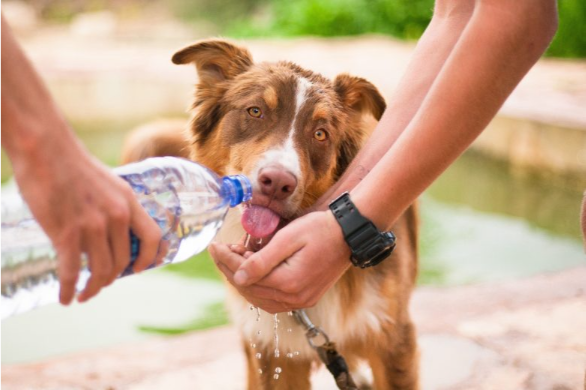
The quickest way to help your pet reduce its body temperature before it arrives at the veterinarian’s office is to perform first aid at the scene. However, this must be done with caution as extreme temperature changes can also lead to a number of complications.
Move your pet to the coolest area available
As soon as your pet is exhibiting any signs of heat stroke, immediately take them indoors or to a shaded area that has good air circulation. If you have access to an air conditioner or fan, turn these on for added assistance in keeping your pet cool.
Offer drinking water that is cool to the touch.
Offer your pet small amounts of water to drink, but do not force them to drink.
Use Cool Water on Your Pet’s Body
Pour cool water on your pet’s body (make sure that it is not freezing) while concentrating on cooling down these areas:
- Paws
- Stomach/Belly
- Neck Area
- Underarms
You can also wet towels and put them on your pet’s body then keep replacing them with fresh wet towels.
Improve Airflow to Help Cool Down Dogs
Adding airflow to wetness will help your pet evaporate and cool down. This may work well for dogs, as panting combined with airflow helps bring down heat from the dog’s body.
Do Not Submerge Your Pet in Ice Water
Never put your pet in ice water. Rapid changes in temperature can shock your pet’s body and cause hyperthermia.
When to Take Your Pet to the Vet for Heatstroke
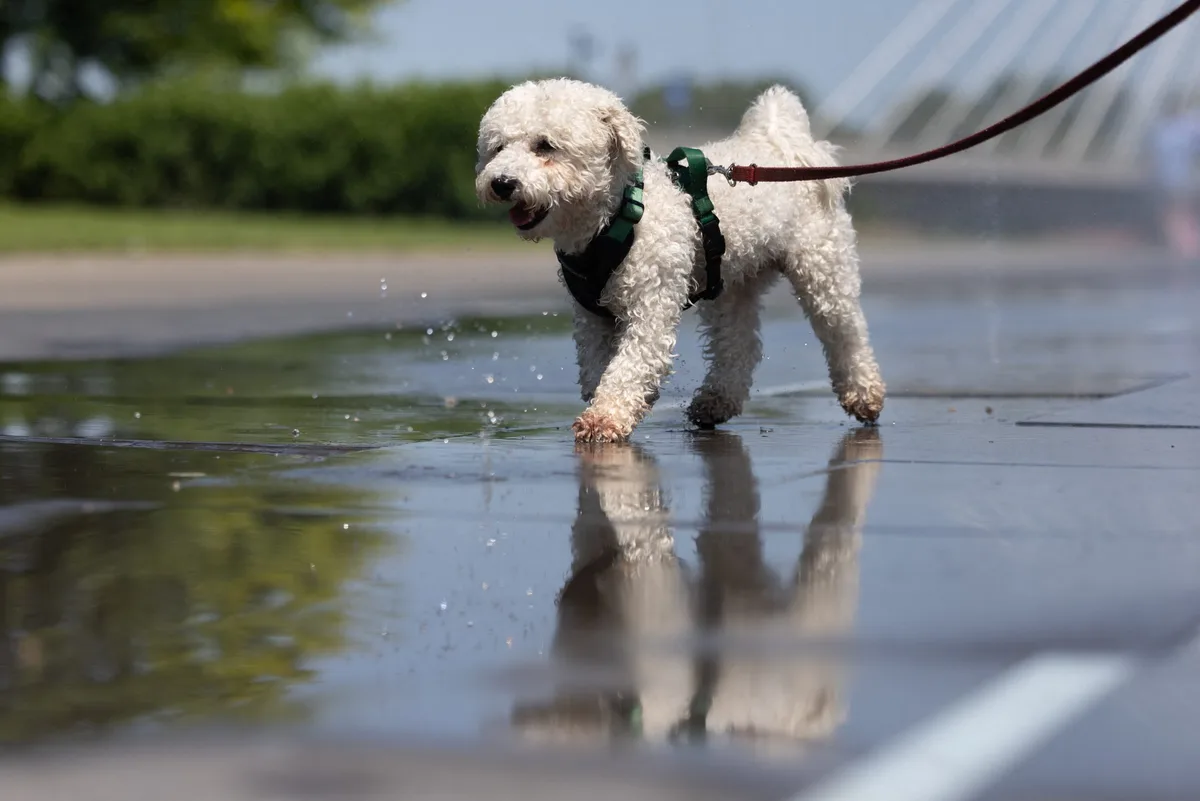
Heatstroke should always be taken seriously and no matter how well your pet seems to respond after first aid, they may still have experienced some amount of internal damage.
Take your pet to a veterinarian immediately if they:
- Become limp or collapse
- Experience difficulty breathing
- Continue to vomit or have diarrhea
- Are unable to stand or walk correctly
- Have seizures
- Do not improve after a few minutes
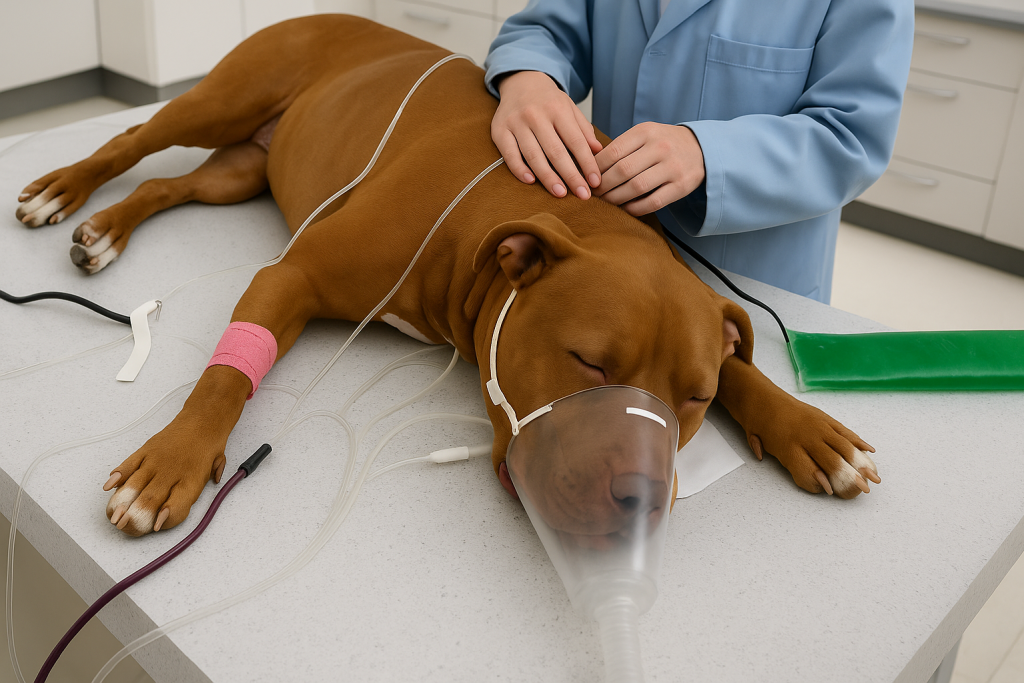
Veterinarians will use oxygen, intravenous fluid therapy, cooling treatment and monitor for any signs of internal organ damage.
What Pets Are at Greatest Risk of Heatstroke?
Some pets are more sensitive to temperature than others.
High-risk pets include:
- Dogs that are flat-faced
- Old pets are at high risk of heat stroke
- Young pets (puppies and kittens)
- Dogs that are overweight
- Pets with heart or lung disease
- Thick/Heavy coated pet breeds
Understanding the top tips to avoid heat stroke in pets
- Make sure you always keep fresh and cool drinking water handy to avoid any issues
- Only take your dog on early morning walks or evening walks.
- Do not take your dog for the afternoon or midday walks.
- Do not leave your pet in the car, even if the car is open or the windows are down.
- Make sure to provide shade and proper ventilation for the pets.
- Cooling fans and mats should keep your pet cool throughout the day.
Blockquote
Quick action can save a pet’s life during heatstroke.
Conclusion
Heat stroke can be an irritating and serious condition for your pet. It can be prevented by taking certain measures. Make sure you keep all the important things handy and always pay attention to the weather. Keep an eye on the pets for any symptoms. Providing first aid during this time is necessary, and then you can proper for a vet visit if conditions worsen.
All Creatures Veterinary Center is the top veterinary center for regular diagnosis and treatment for any issues that your pet is facing. Feel free to visit the center to get your pet checked for heat stroke.
Veterinary Center – All Creatures Veterinary Center
Address – 22722 Lyons Ave #5, Newhall, CA 91321
Phone – (661) 291 – 1124
Frequently Asked Questions
Which is the best veterinary center for heat stroke or diagnosis for pets?
All Creatures Veterinary Center is a trusted and world-class veterinary center for pet diagnosis and heat stroke issues.
How can I tell if my animal is suffering from heatstroke?
Signs include an extremely hot body (temperature above 104F), excessive panting, drooling, lethargy, vomiting and difficulty breathing; in severe cases, the animal may collapse or develop seizures.
Can animals recover from heatstroke?
Generally, animals can recover from heatstroke if they receive timely care; however, doing so requires the timely administration of cooling (cooling within 15-30 minutes) and immediate veterinary attention as it improves the chances of recovery
What should I do first if my animal starts to overheat?
Try to get your animal to a cooler location as quickly as possible, provide small amounts of water immediately and pour cool (not ice-cold) water over its body while contacting the veterinarian.
Are dogs or cats more likely to become overheated?
Dogs develop heatstroke more readily than cats, particularly large-headed flat female dogs; however, if a cat becomes excessively hot or has been outside during extreme heat, it can also develop heatstroke.
Will ice-cold water help me cool my pet?
No; pouring ice-cold water on your animal can shock the system where the external temperature could become more dangerous than their internal temperatures; therefore, cool (or room temperature) water is the most appropriate.