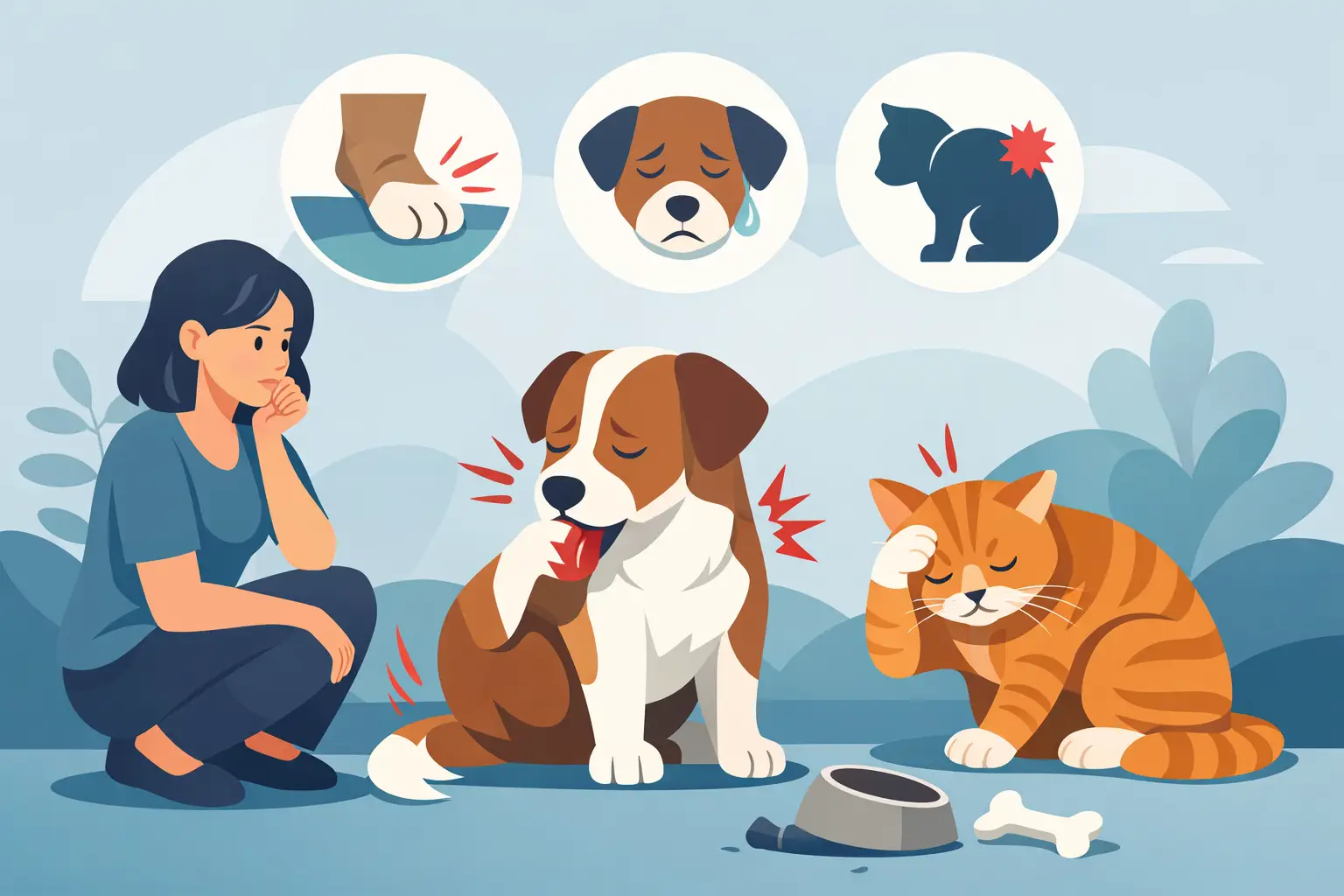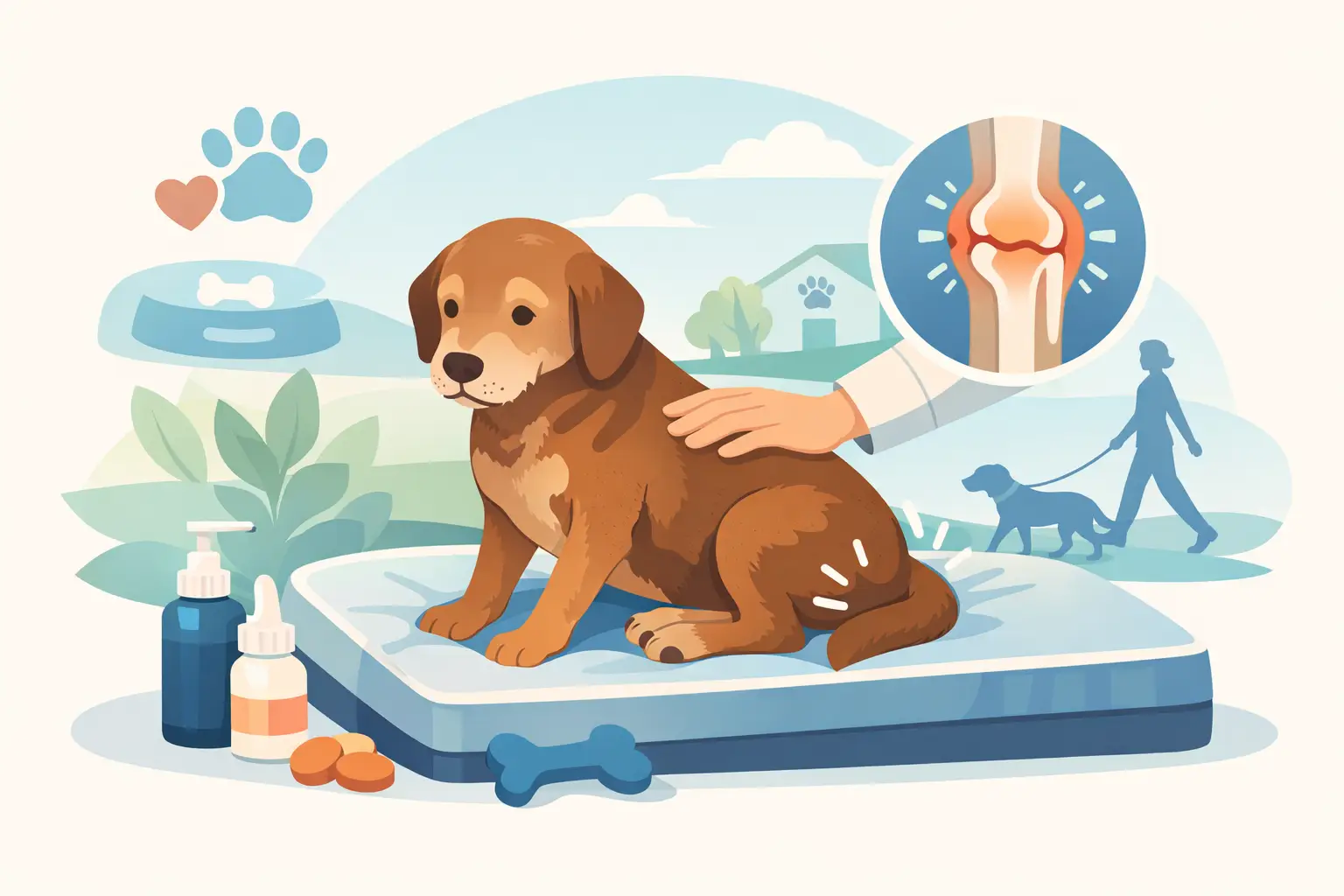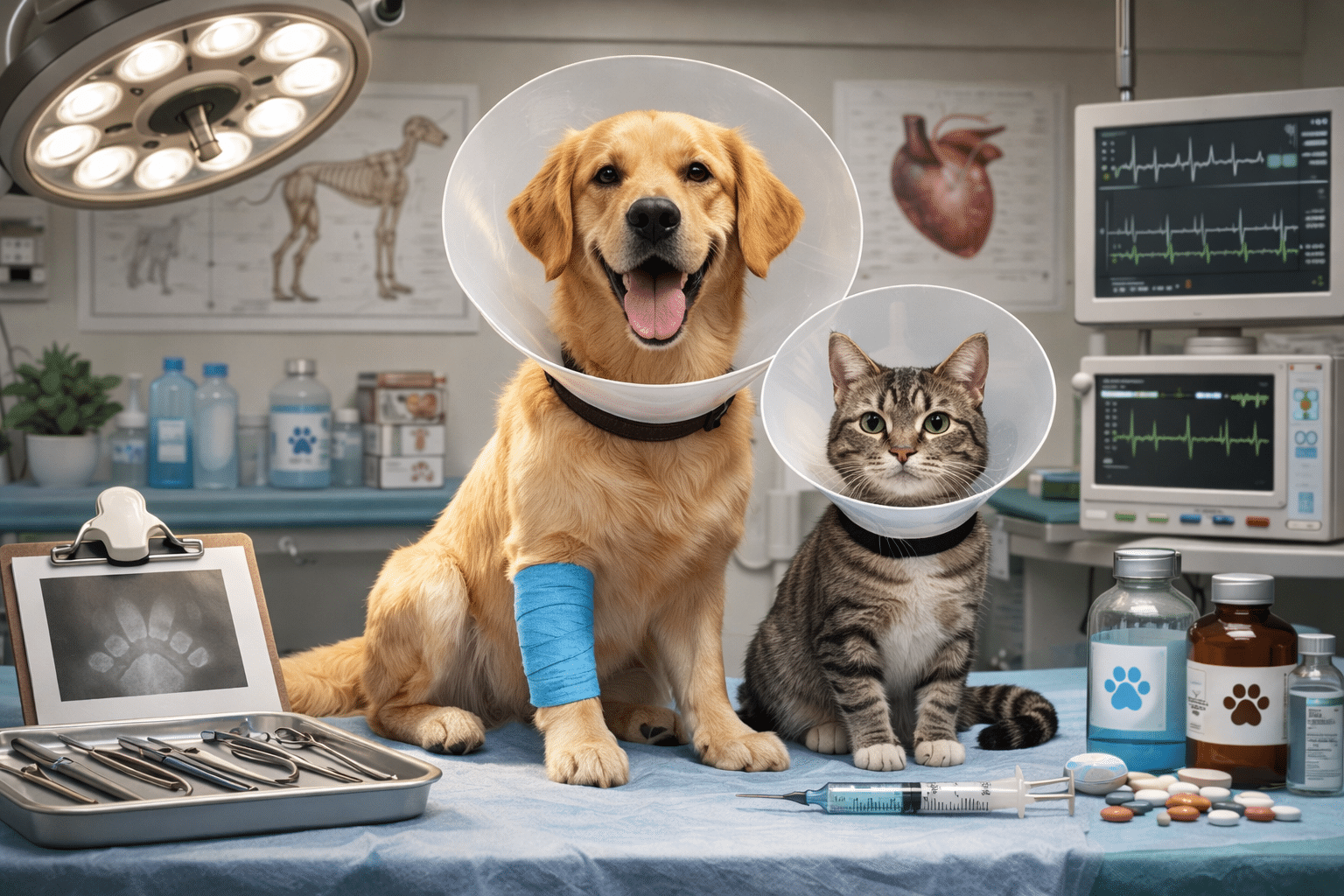
The veterinary surgical specialty is a core part of the veterinary industry and encompasses the treatment, diagnosis, and prevention of diseases and injuries, and alleviating the suffering of animals using surgical techniques. Understanding how veterinary surgeries work is beneficial for pet owners, making informed choices, and students developing solid clinical skills.
This guide is designed to assist pet owners, veterinary students, VT students, animal health-related websites, and any other individuals wishing to understand what’s involved in performing veterinary surgeries by outlining simple definitions of the various aspects of veterinary surgery.
What Is Veterinary Surgery?
Veterinary surgery is defined as the surgical procedures carried out for animals to:
- Treat disease/injury,
- Restore function,
- Alleviate pain and
- Prevent further medical issues
Veterinary surgery can be classified into one of three categories based on the urgency of the condition. Surgery can be elective, urgent, or emergency, depending on the condition.
What Are the Types of Veterinary Surgery?
1. Soft Tissue Surgery
Surgical procedures involving the organs, skin, and other soft tissue (non-bony tissues) of a pet. Examples of surgical procedures performed on soft tissues include:
- Spaying/neutering,
- Tumor removal,
- Stomach surgery,
- Bladder surgery, and
- Emergency exploratory surgery.
2. Orthopedic Surgery
Surgical procedures involving the bony structures, ligaments, and tendons of the animal. Some examples of orthopedic surgical procedures include:
- Fracture repair,
- Cruciate ligament surgeries,
- Hip dysplasia procedures,
- Joint stabilization.
3. Dental/Oral Surgery
Dental/oral surgery is performed to relieve pain and prevent further infection. Examples of dental/oral surgical procedures include:
- Tooth extraction,
- Jaw fracture repair, and
- Oral tumor removal.
4. Emergency Surgery
Emergency surgery is performed when the pet has a medical emergency, and immediate medical attention is needed to preserve life.
- Gastric dilatation-volvulus (bloat)
- Internal bleeding
- Intestinal obstruction
- Pyometra
These are all examples of emergencies that can require surgery, which, while beneficial in saving lives, have a greater risk associated with them.
Pre-Surgical Preparation | Why It Matters
To minimize risks and improve outcomes for clients and their pets, veterinary surgeons follow several steps before surgery to help prepare for surgery:
- Perform a physical examination
- Obtain blood tests to check organ function, anemia, and clotting ability
- Perform imaging studies (X-rays or ultrasound if necessary)
- Fasting patients before anesthesia
- Placement of an intravenous catheter
Good preparation can also provide additional safety benefits related to anesthesia and help facilitate recovery after surgery.
Anesthesia in Veterinary Surgery
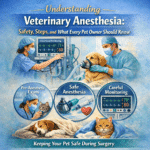
Most surgeries performed in veterinary medicine require the use of general anesthesia to achieve a pain-free procedure and an immobile patient, as well as to decrease stress during the surgical procedure. Anesthesia safety protocols include:
- Choice of drugs specifically tailored to the patient
- Continuous monitoring of heart rate, organ function (oxygen and carbon dioxide levels), and body temperature
- Emergency preparedness
Thanks to modern veterinary anesthesia management practices and protocols, anesthetics in veterinary surgery are safer today than in years past.
Sterile Technique and Surgical Safety
The prevention of infections is very important, and this is accomplished through the use of:
- Sterile instruments
- Surgical scrubs and gowns
- Sterile drapes
- Appropriate hand hygiene
By carefully adhering to a sterile technique, it is possible to markedly decrease the risk of developing a post-operative infection.
Veterinary Surgery and What to Expect
During the surgical procedure, the patient will be carefully monitored throughout the procedure, and pain control will be maintained as necessary. Bleeding will be controlled, and all tissues will be treated with care to enhance the healing process. The length of the surgical procedure will vary depending on the complexity of the procedure.
Post-Operative Care | A Critical Phase
Post-operative care is one of the most important phases of recovery. Also, the recovery phase does not end immediately after the surgery is complete.
- Pain management is one of the most critical aspects of post-operative care.
- Monitoring of bleeding or injection
- Temperature support
- Gradually return to eating/activity
- Elizabethan collar (cone) (if necessary)
Proper care after the surgery is important for healing.
Risks Common to Veterinary Surgery
Every surgery has some elements of risk. The following are examples of some common risks encountered in veterinary surgery:
- Infection
- Bleeding
- Anesthetic complications
- Delayed healing
In general, when a necessary surgery is not done, the risk is generally greater than the risk of the procedure itself.
Recovery After Surgery
Recovery from surgery is dependent upon:
- The type of surgery.
- Age, general health of your pet at the time of the surgery.
- Advice is provided to you regarding how to care for your pet at home.
Typical Recovery:
- For soft tissue surgeries, recovery time is typically 10 to 14 days.
- Recovery from orthopedic surgery can be anywhere from several weeks to many months, depending on your pet.
Following directions provided by your veterinarians will be critical to your success.
What Pet Owners Should Know About Veterinary Surgery
As a pet parent, it is critical to:
- Ask specific questions regarding the surgery risk vs. benefit.
- Follow directions regarding pre-surgical fasting and medications.
- Maintain hygiene (keep the surgical incision clean and dry) by following specific directions.
- Abide by restrictions on your pet’s activity (if any) until cleared by the veterinarian.
- Attend follow-up visits. Having clear communication during the process will create a positive experience.
Veterinary Surgery in Preventive Care
Preventive veterinary surgery is not limited to an illness. Preventive veterinary procedures can be:
- Spaying or neutering (preventing infection and cancer).
- Removing teeth that are bothering or causing pain.
- Performing preventive gastropexy surgeries in high-risk dogs.
The use of preventive surgeries may increase the longevity of pets by improving the quality of their life.
A Comparison Between Veterinary Surgery and Veterinary Medical Treatment
| Surgery | Veterinary Medical Treatment |
| Physical correction of the problem | Symptom management |
| Immediate results | Gradual improvement |
| Invasive | Procedure Non-Invasive |
| Life Saving in certain cases | May support the veterinary medical treatment and may provide pain relief |
Veterinary surgeons recommend surgery only when the average outcome outweighs the average risk of having that surgery performed on pets.
Conclusion
Veterinary surgery is an important part of modern-day veterinary medicine. With appropriate preoperative procedures, anesthesia, sterile technique, and aftercare, surgery is very safe, effective, and can save animals’ lives. By learning the fundamentals of veterinary surgery, owners will be able to make informed choices, and those in veterinary clinical training will develop strong foundational knowledge.
FAQs
Is veterinary surgery safe for my pet?
Yes, the majority of procedures performed today are very safe due to modern anesthetic agents, monitoring techniques, and a properly trained, dedicated veterinary surgical team.
What do I need to do to prepare my pet for surgery?
Your veterinarian will provide guidance on the steps to prepare your pet for surgical procedures. In most cases, your pet will need to observe a period of fasting before surgery, and the owner should attempt to keep their pet calm and rested until the time of surgery.
What should veterinary learners focus on first and foremost?
They should concentrate on the fundamentals, such as anatomy, principles of sterile technique, proper handling of anesthesia, and post-operative care, etc.
How long will it take for my pet to recover from surgery?
Most pets will feel better within a few days post-operatively, but full recovery from surgery usually will take 1–3 weeks, depending on the complexity of the surgery performed.
Will my pet experience pain following surgery?
It is not unusual for your pet to feel discomfort after surgery. Vets provide individualized pain-management protocols to ensure the pet remains comfortable throughout recovery.