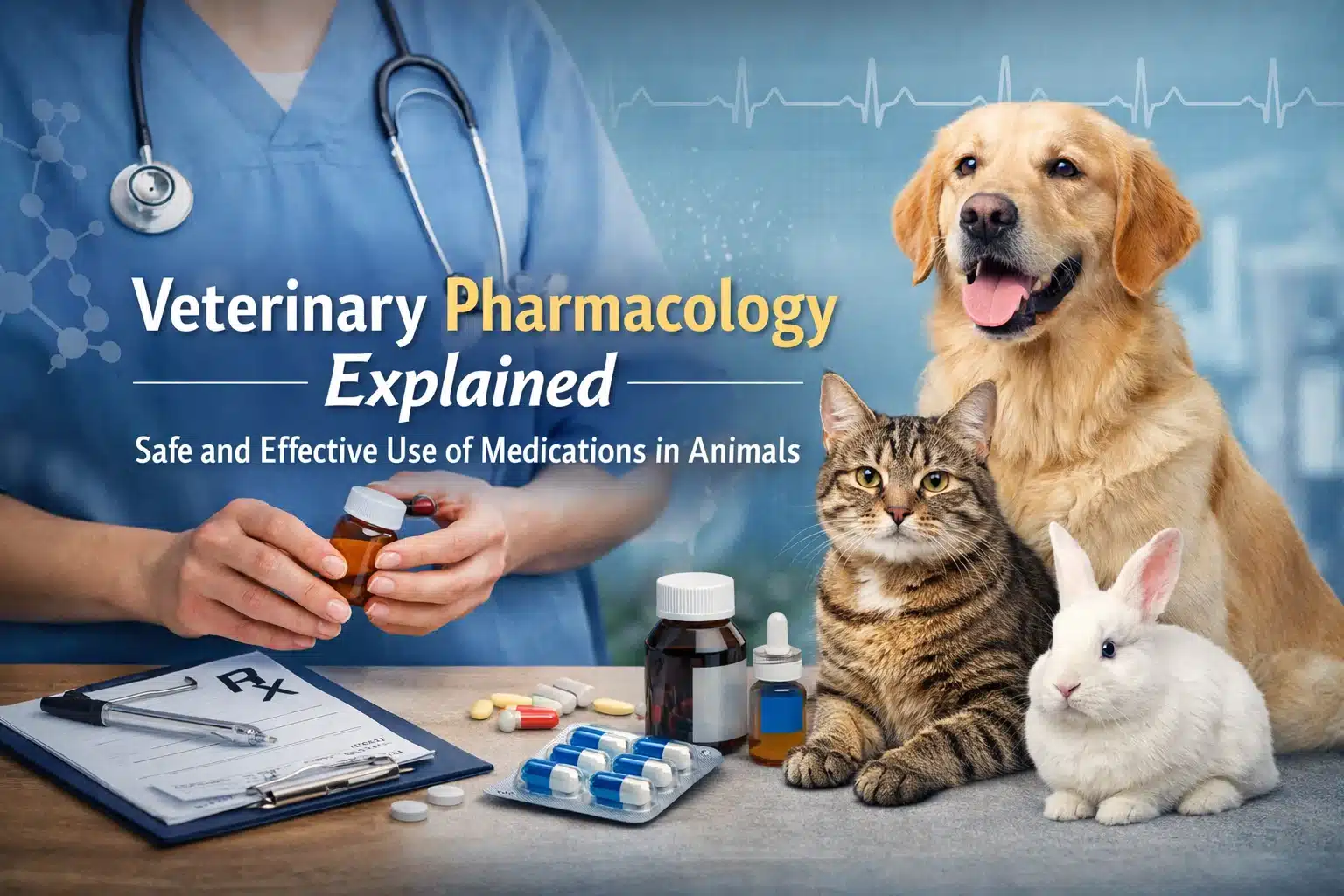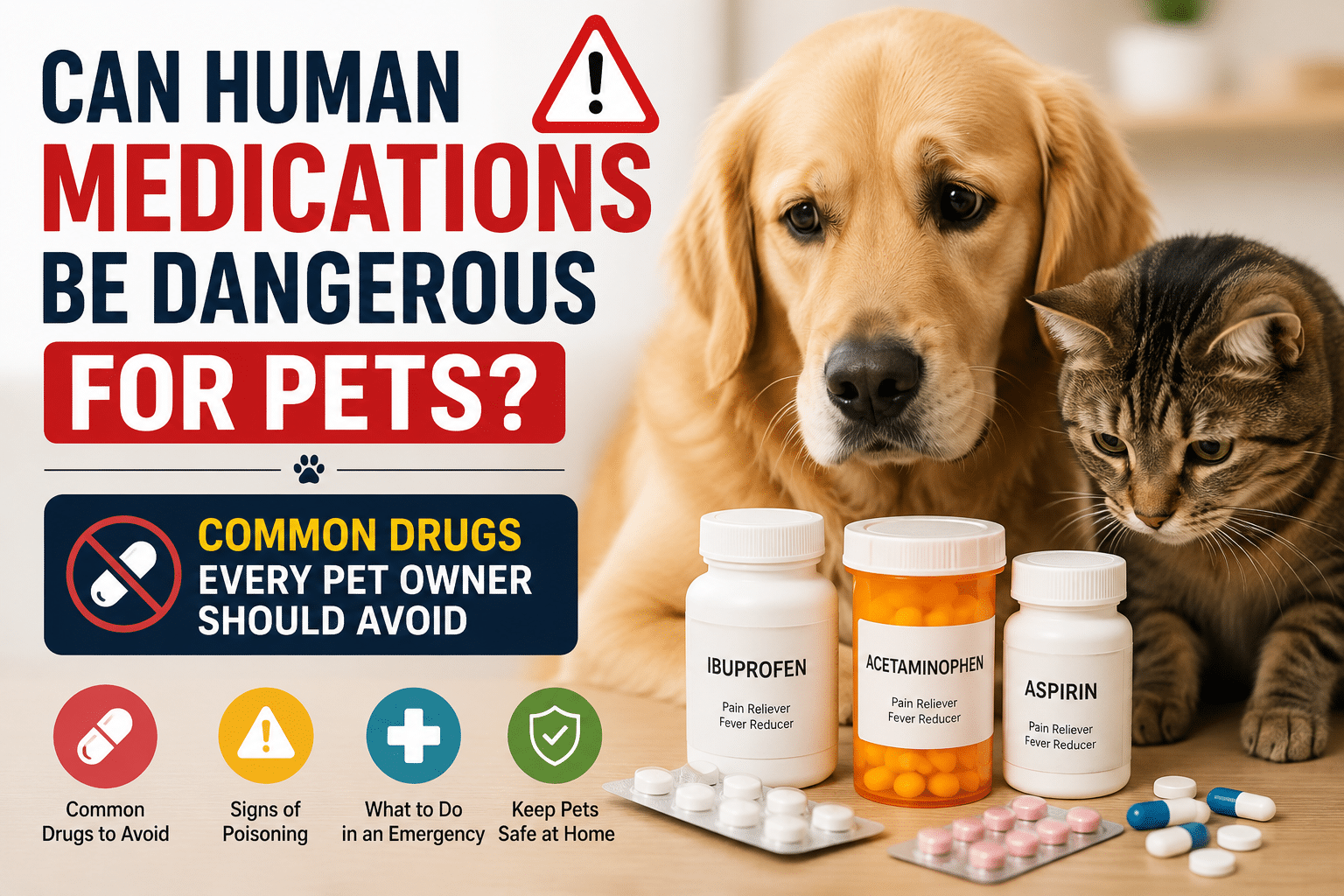
Pets are often curious animals, and in many cases, their owners treat them the same way they would treat a member of their own family. As a result, many pet owners assume that if something is safe for people, it will be safe for their pets, but it can be potentially very dangerous. While numerous medications are safe for people, many are not safe for dogs, cats, and other companion animals, and they can cause serious physical health issues or be lethal in some cases.
So knowing Human Medications Be Dangerous for Pets, as well as what to do in case of an emergency, will help keep your pet safe. Some of the basic facts every pet owner should be aware of include the following.
In this blog, we will talk about Can Human Medications Be Dangerous for Pets and Common Drugs Every Pet Owner Should Avoid.
Why are Human Medications so Dangerous to Pets?
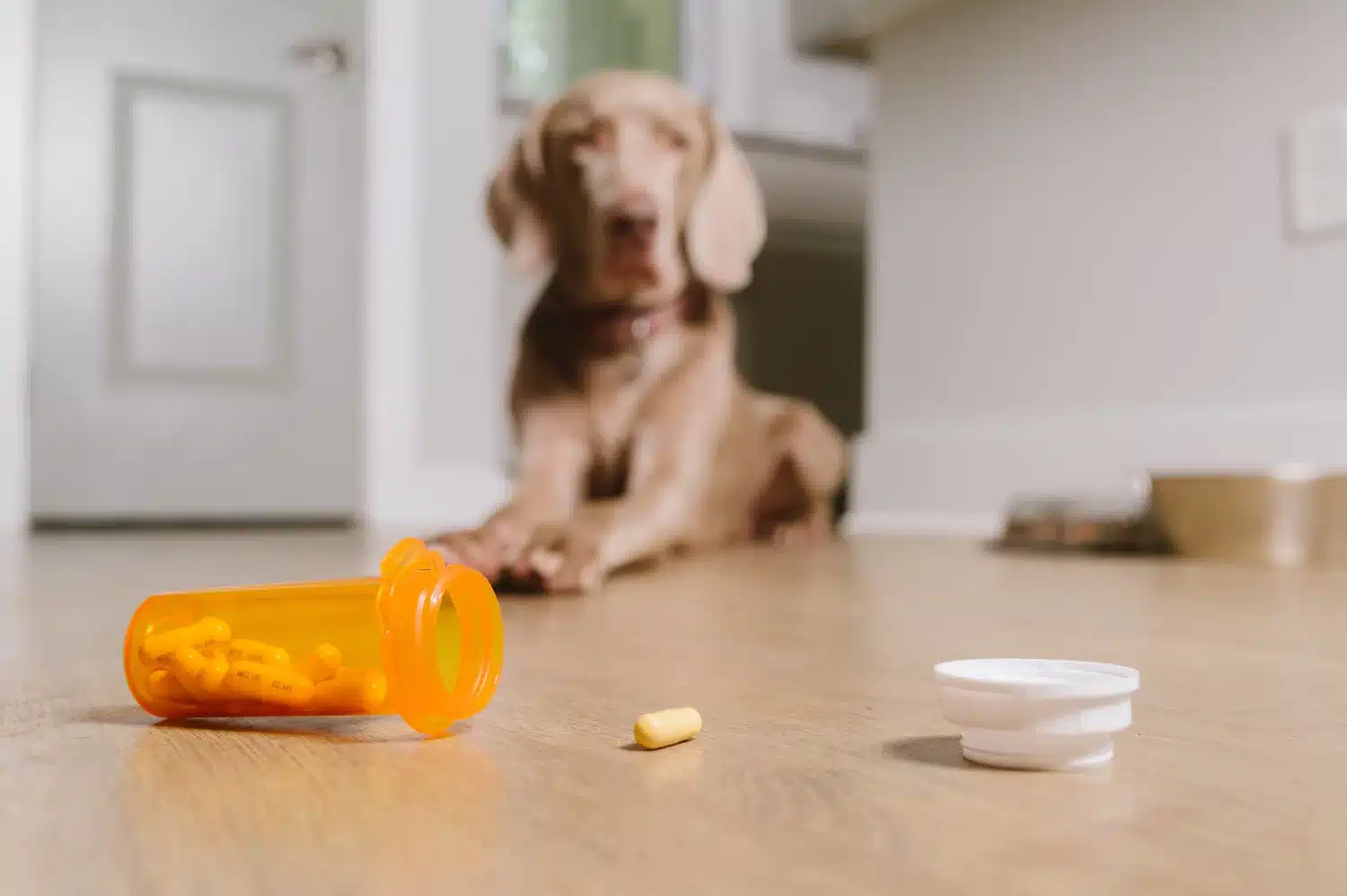
Pets metabolize medications differently than humans do, and their bodies extract, metabolize and eliminate drugs at very different rates than those of humans. Even common medicines such as pain and cold medications may be able to cause organ failure or result in problems with the nervous system if given to your pet.
In addition to the medication itself, other common factors that can result in pets becoming poisoned from human medications include size, breed, age and any pre-existing health conditions that your pet has. Therefore, you should never assume that a lower dose of a medication that is commonly used by humans will be safe for your pet.
Some Common Human Medications that Can be Poisonous to Pets
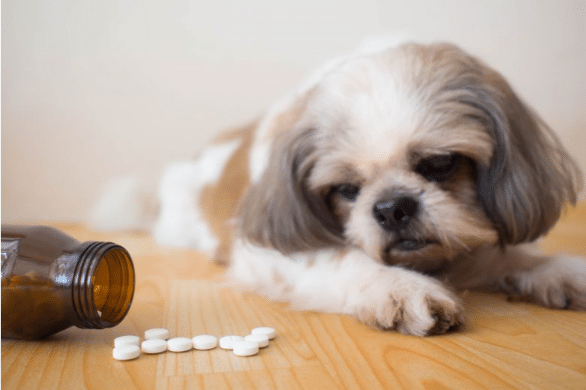
Pain Relievers
It is common for animals to be poisoned when exposed to over-the-counter (OTC) medications, and pain relievers represent the class of OTC medicines that most frequently result in cases of animal poisoning.
- Ibuprofen
- Naproxen
- Aspirin (show any sign of value or require any type of veterinarian instruction).
Acetaminophen (Paracetamol)
Many people treat headaches and/or fevers with acetaminophen, however it is dangerous for cats and can also harm dogs.
Possible Effects:
- Severe liver failure
- Difficulty breathing
- Swollen face & paws
- Weakness
- If untreated, death.
Antidepressants
The effects of prescription antidepressants may be more severe for pets than they are for their owners.
Signs of Poisoning Include:
- Agitation
- Tremors
- Fast Heart Rate
- Seizures
- Confused State.
If one of these is swallowed, immediate veterinary care may be needed.
ADHD Medications
Some medications used to treat Attention Deficit Hyperactivity Disorder (ADHD) contain stimulants.
If ingested by pets, the following symptoms may occur:
- Hyperactivity
- Increased Body Temperature
- Increased Blood Pressure
- Increased Heart Rate
- Seizures.
Cold & Flu Medications
Many cold medications contain multiple active ingredients that are harmful to pets.
Symptoms of these meds in pets:
- Vomiting
- Sleepiness
- Rapid Heart Rate
- Breathing Problems
- Nervous System Issues.
Sleeping Pills & Anti-Anxiety Medications
Sleeping pills and anti-anxiety meds can affect an animal’s brain and breathing.
Possible symptoms:
- Severe Sleepiness
- Loss of Coordination
- Decreased Breathing Rate
- Low Blood Pressure
- Coma if Severe
Diabetes Medications
Diabetes medicines designed for humans can cause dangerously low blood sugar in animals.
Signs of Low Blood Sugar in Your Animal:
- Weakness
- Shaking
- Confusion
- Seizures
- Collapsing.
Signs that Your Animal has ingested Human Medication
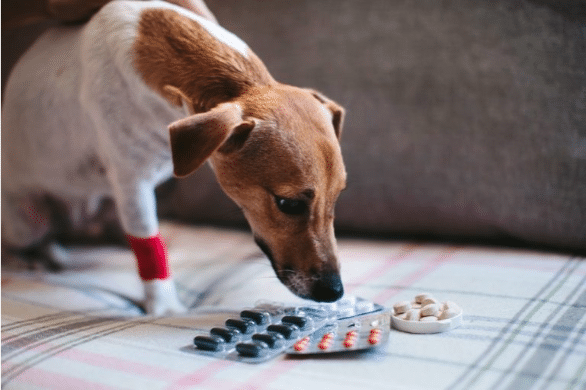
Symptoms of human medication ingestion can occur within minutes or several hours
Symptoms of Human Medication Ingestion in Pets
If your pet swallows medication that is not for pets, you may not notice any signs for minutes or hours after ingestion, but typically you will see symptoms emerge.
Signs of potential human ingestion include:
- Diarrhea
- Vomiting
- Drooling
- Loss of Appetite
- Shaking
- Inability to Walk
- Difficulty Breathing
- Seizures
- Collapsing
Do not wait until your pet’s symptoms become severe before you seek help.
What to Do if You Think Your Pet Has Ingested Human Medication
The quicker you act, the better your chances of saving your pet. Here are the steps you should take:
- Do Not Panic.
- Remove Remaining Medication from Your Pet’s Reach.
Identify the Medication by Name (both trade and generic), Strength, and Amount that may have been ingested (if you don’t know, don’t panic–your vet will be able to help you identify it).
- Call Your Veterinarian Immediately.
- Follow Your Veterinarian’s Instructions.
- DO NOT Attempt to Induce Vomiting Unless Directed To Do So by a Veterinary Professional.
If you have the medication packaging, it can be helpful to take the packaging with you to the clinic.
How to Prevent Your Pet From Having an Accidental Poisoning Experience
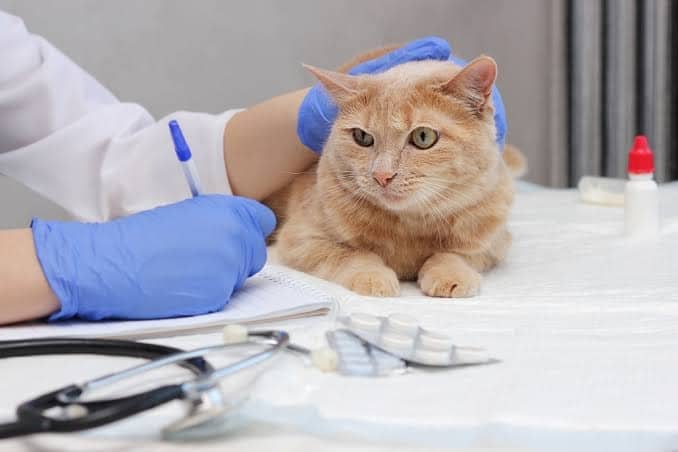
The best way to keep your pet from having a medical emergency is to prevent any potential accidents from occurring in the first place.
Please see the list below on how you can quickly/easily avoid having an accidental poisoning experience with your pet.
- Store all medications out of reach or in a closed cabinet.
- When dispensing medications, place only what your pet will receive in an area where they can eat from the container (i.e., countertop or bedside table).
- Do not leave purses, backpacks, or any bag containing medications in an area that your pet could have access to (i.e., on the floor).
- Never give your pet any medication unless it has been prescribed by a veterinarian.
- Ask your guests to keep their medications secure in their homes.
- Always keep your pet away from all areas that may contain drugs.
Blockquote
Human medicine is made for humans—not pets. When in doubt, always consult your veterinarian before giving your pet any medication
Conclusion
Medications that are safe for humans can also pose a risk to pets. Pain medications, antidepressants, cold medications and many other medications that are common for humans can cause serious injuries to cats/dogs and can also become fatal if consumed by them. As a general rule, do not give your pet any medications meant for humans without veterinary advice. Store medications securely and act quickly in case of emergencies.
All Creatures Veterinary Center is a top veterinary facility that provides the best medication to the pets. You can take your pet in case of any emergency to get the best possible treatment. Feel free to take your pet for regualr checkup or any emergency situation.
Contact details
Venenairy Center – All Creatures Veterinary Center
Address – 22722 Lyons Ave #5, Newhall, CA 91321
Phone – (661) 291 – 1124
Frequently Asked Questions
Which veterinary center provides the treatment for pet who have taken human medication?
All Creatures Veterinary Center provides the best care and emergency treatment for your pet in case they have taken the human medication.
Can I give my dog pain medications given to humans?
No. Your veterinarian should give any pain medication that you give your dog.
Is paracetamol safe for cats?
No. Paracetamol is very toxic to cats.
What do I do if my pet consumes my medication?
Call your veterinarian immediately for assistance.
Are vitamins given to humans safe for pets?
Most human vitamins should not be used for your pet and should not be given without consulting your veterinarian.
How can I prevent my pet from becoming poisoned by medications?
Store out of the reach of your pet and ensure all medications are secure.
Is one pill really harmful to my pet?
It depends on the pill, but some pills have the potential to cause serious harm to your pet.
Should I induce vomiting if my pet swallowed a medication?
Only if your veterinarian tells you to do so.